The Cradle of Medicine and Holistic Healing
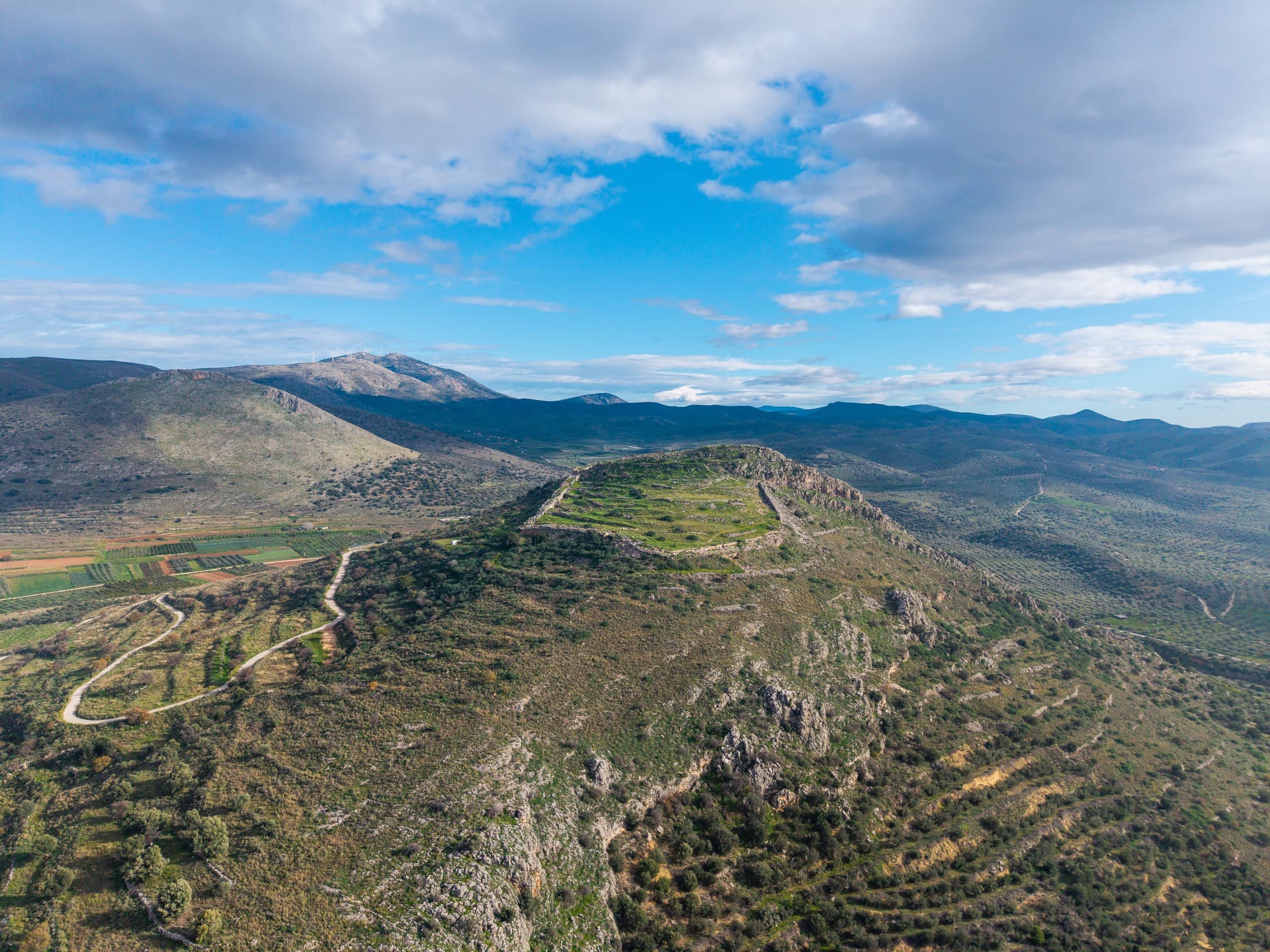
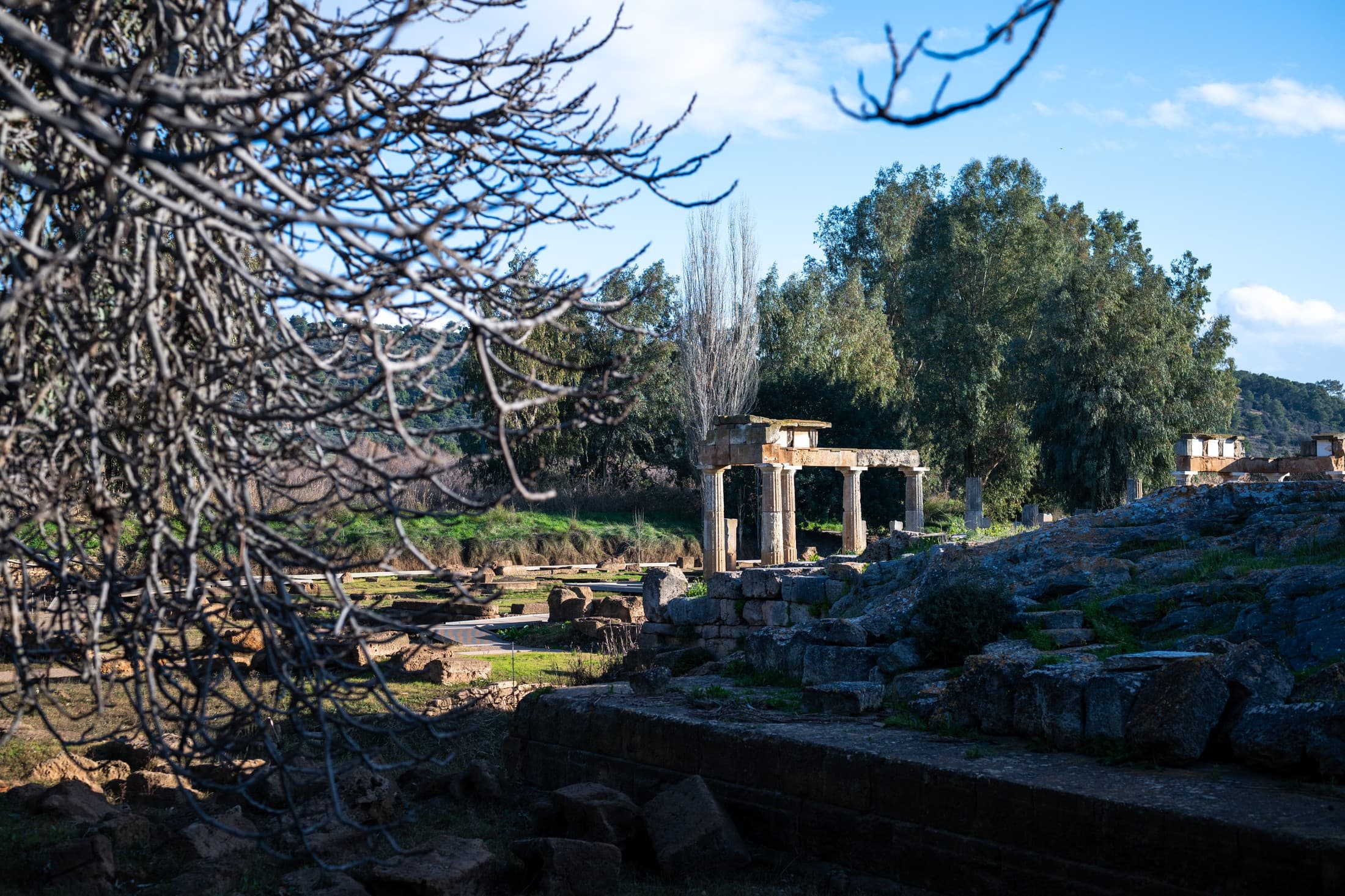
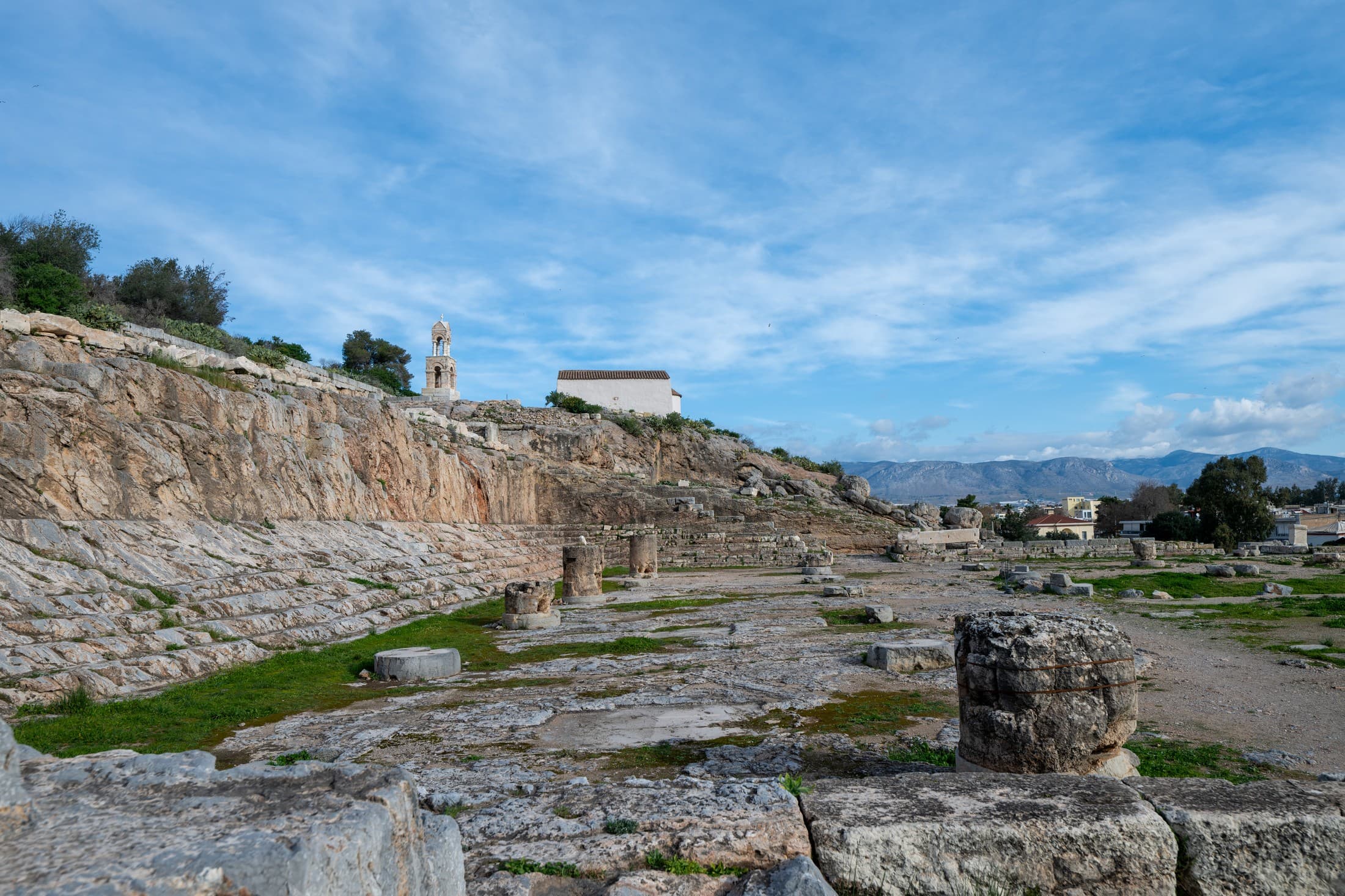
The Sanctuary of Asclepius at Epidaurus is one of the most significant sacred sites of the ancient world, revered as the birthplace of the science of medicine. Built on the land of Argolis, the sanctuary flourished thanks to the area’s exceptional climate, breathtaking natural landscape, and therapeutic mineral springs, elements that created the perfect environment for human healing.
The Evolution of Medicine
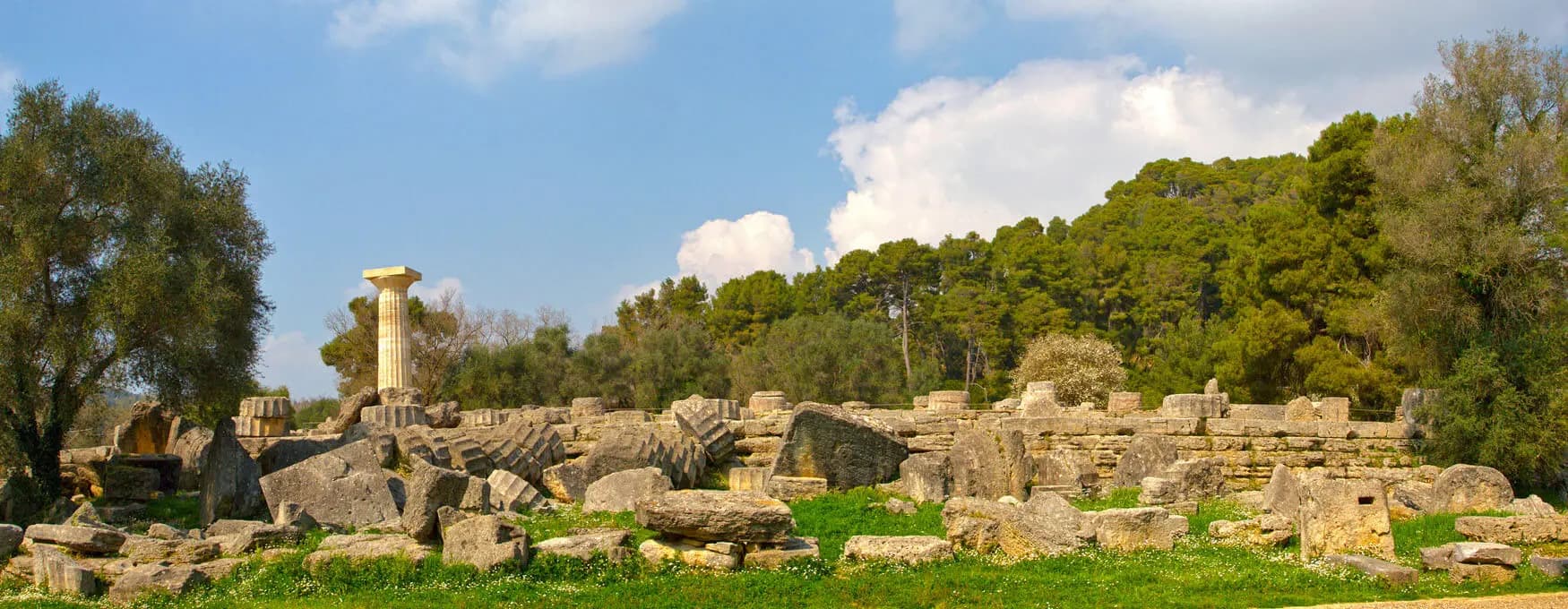
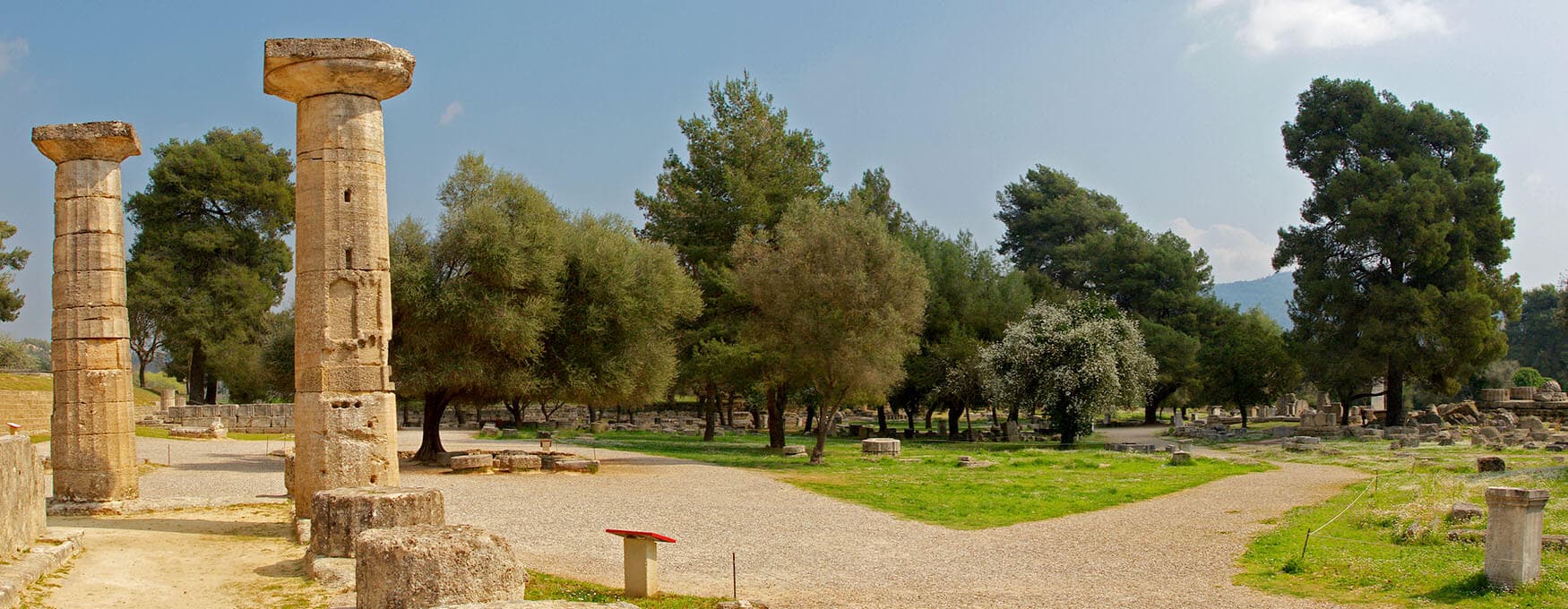
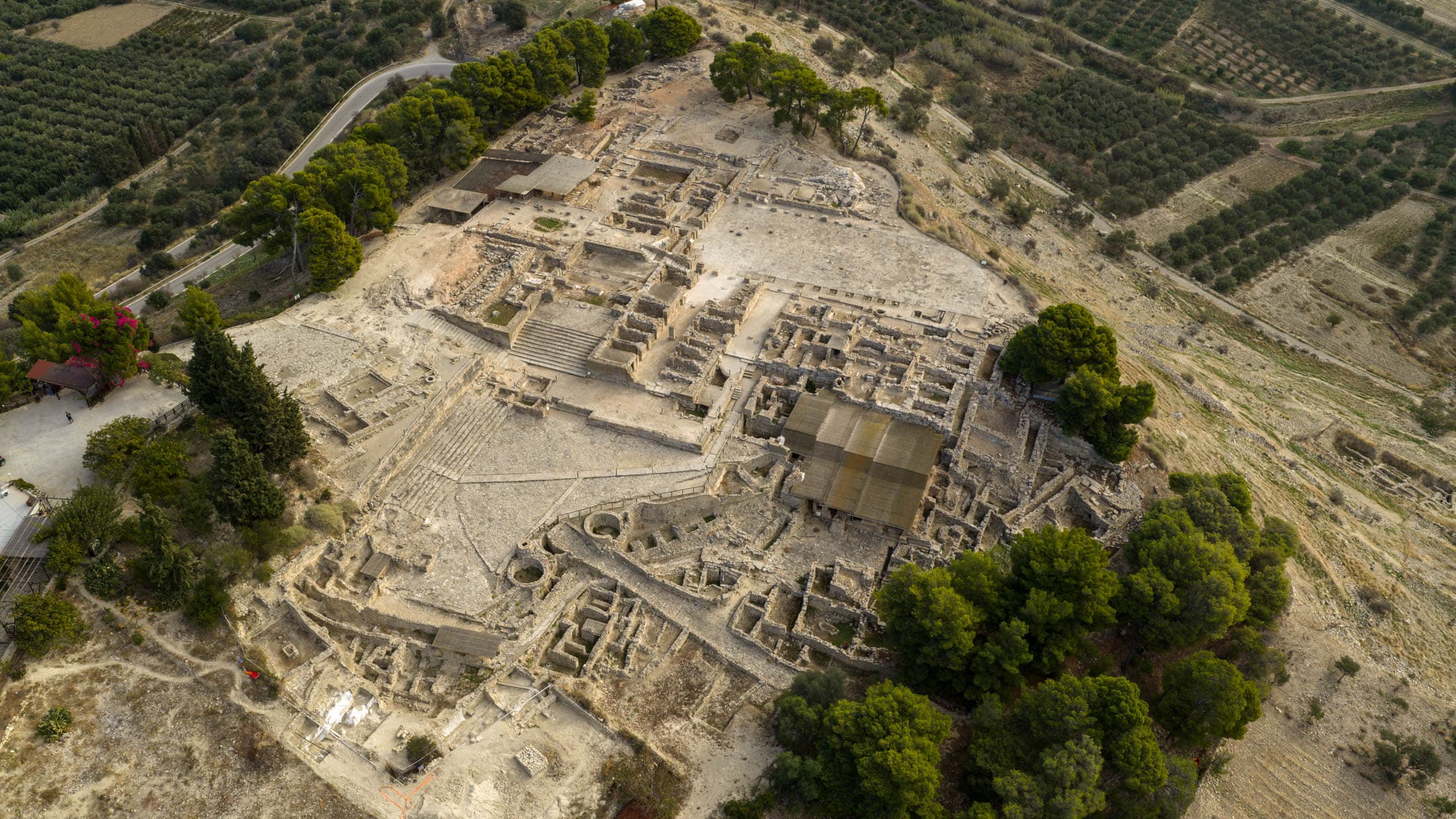
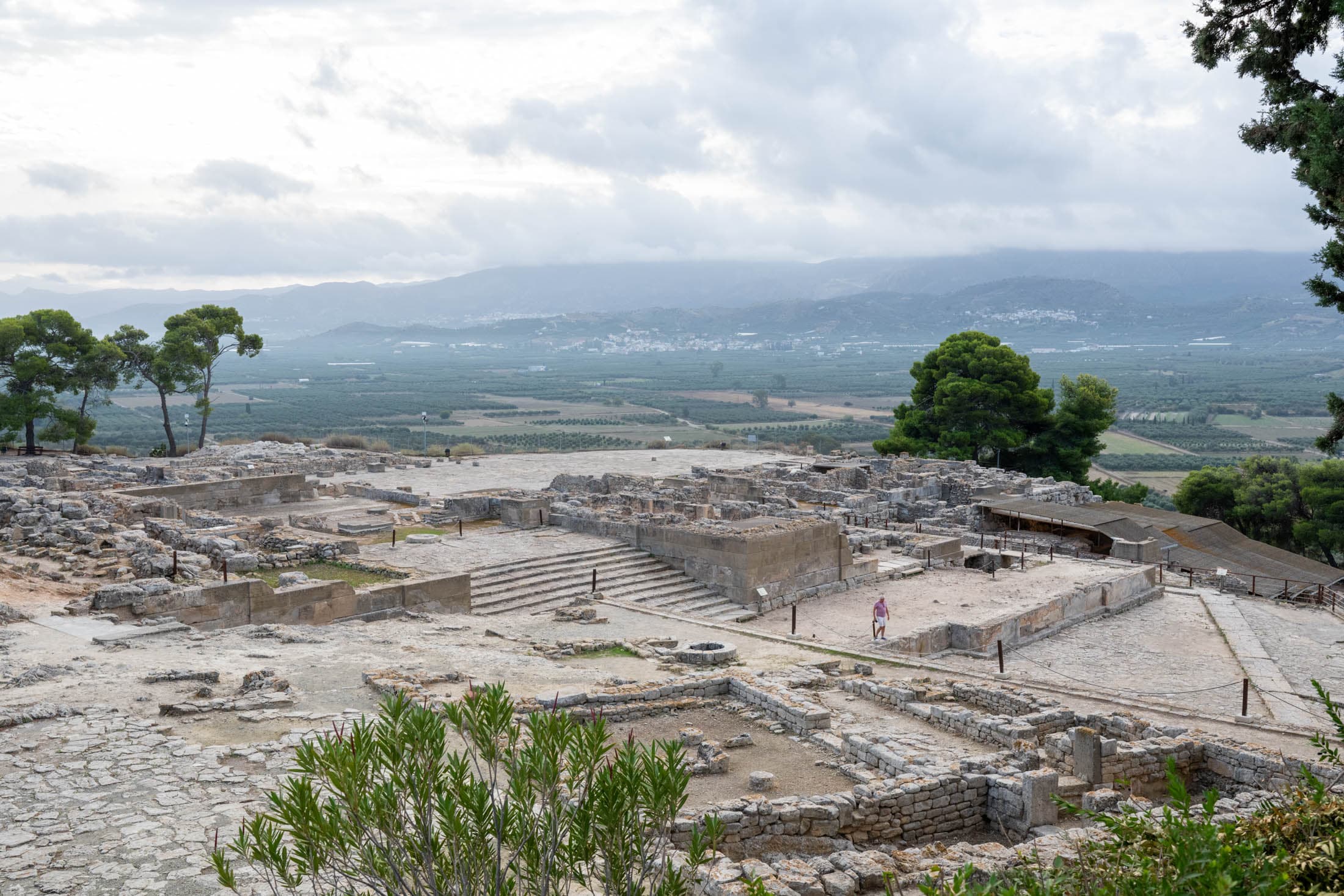
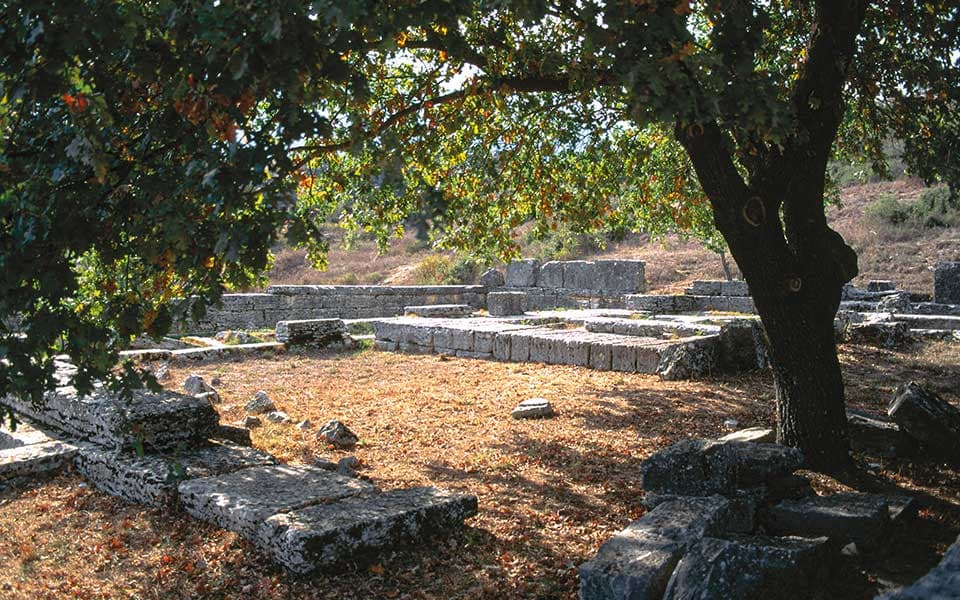
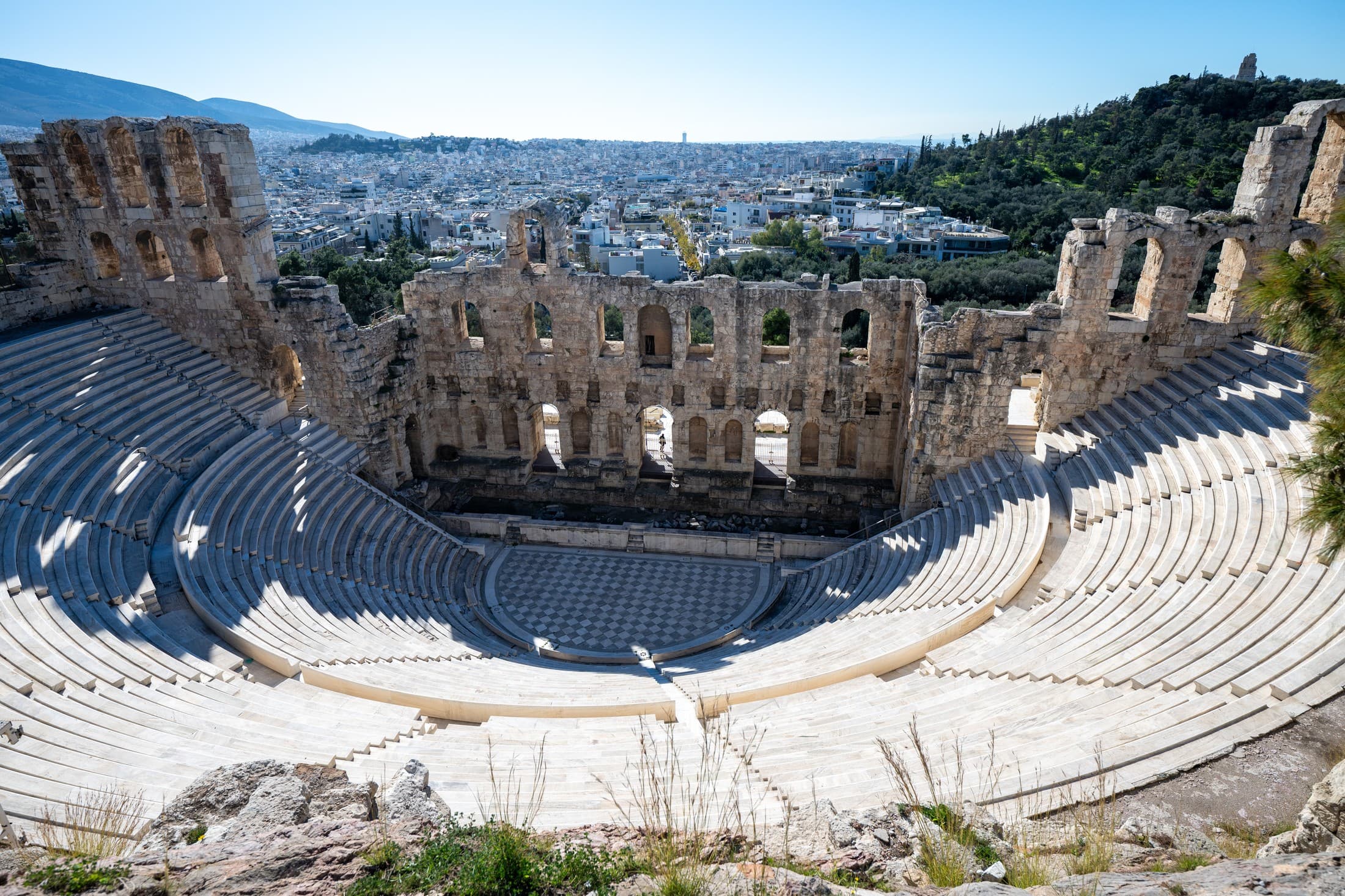
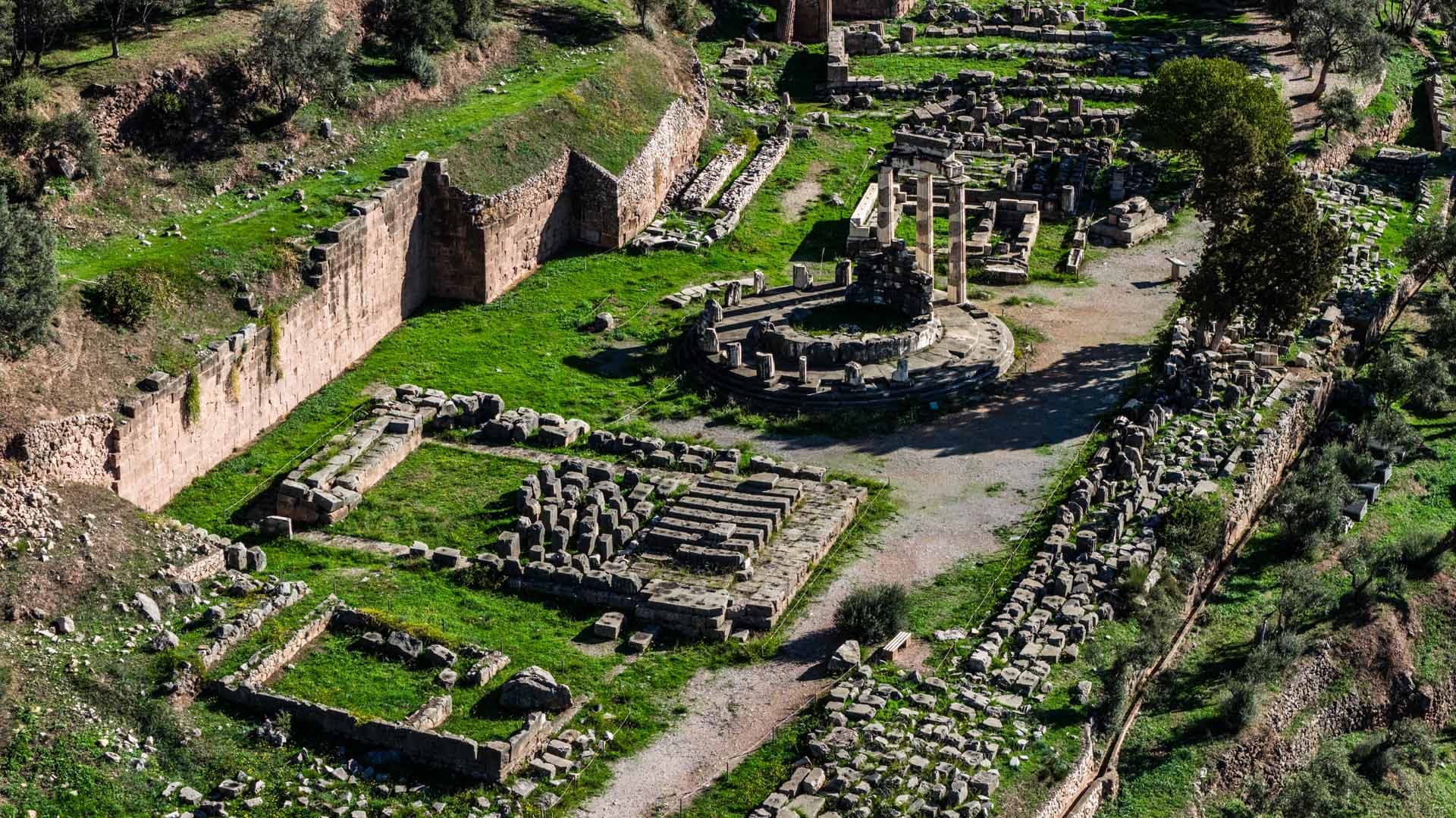
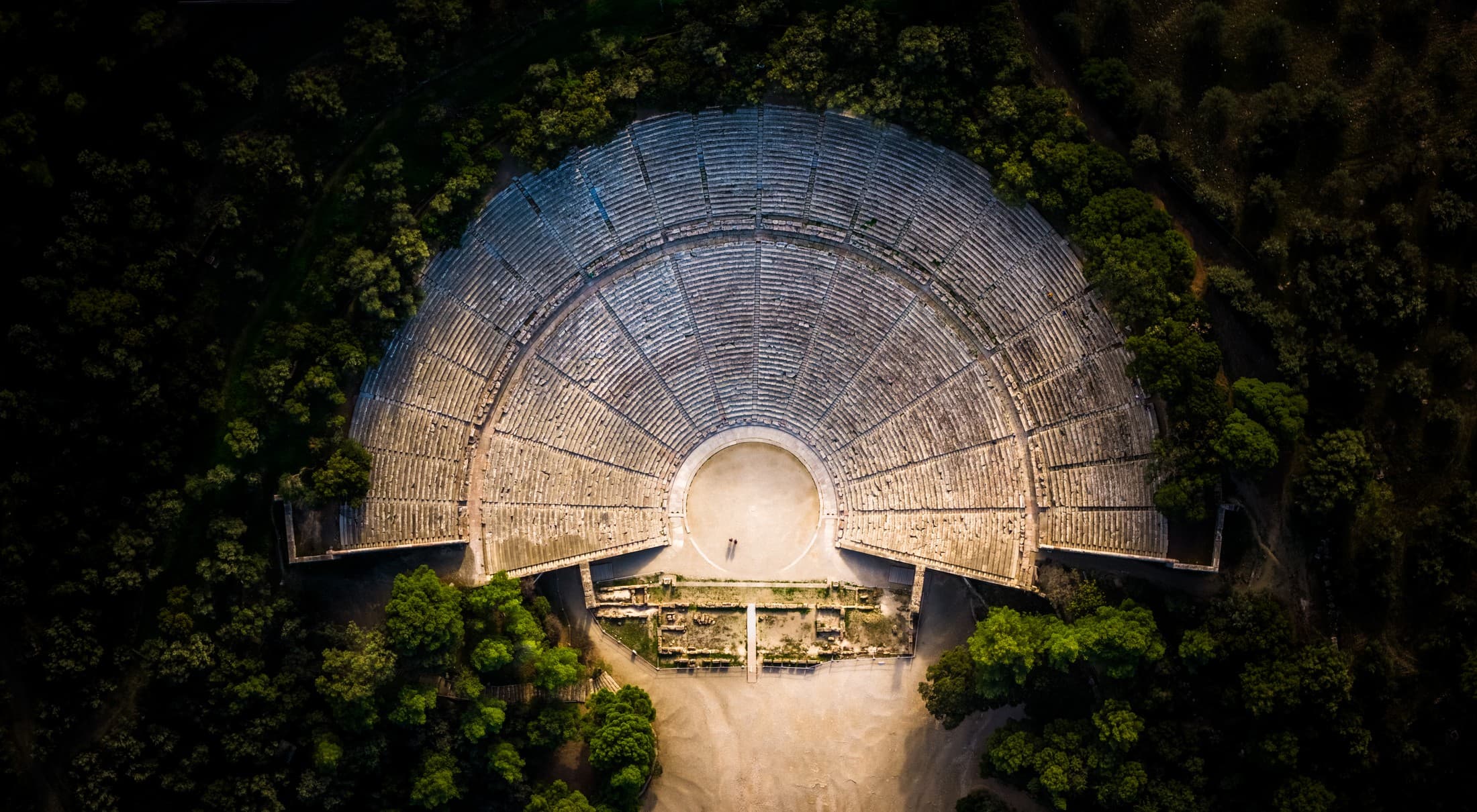
The sanctuary offers a unique testament to the transition from religious healing to scientific medicine. The cult of Asclepius, son of Apollo, was established in the 6th century BC. Due to the god's great reputation, the original sanctuary on Mount Cynortion expanded into the plain, where in the 4th and 3rd centuries BC, the most important monuments were built, such as the Temple of Asclepius, the Abaton, the Tholos, and the Theatre.
Holistic Care: Mind, Body, and Soul
The therapeutic method of Epidaurus was holistic, aiming to bring mental harmony in line with physical health. Patients were prepared spiritually through art and music before proceeding to the purely medical aspect of the treatment.
The efficacy of these methods is attested to by the Iamata, 70 inscriptions discovered in 1883, which detail numerous successful treatments for a wide range of ailments. The Asclepieion experienced a new golden age in the 2nd century AD, funded by the Roman senator Antoninus, during which period the renowned traveller Pausanias described it with great admiration.
Systematic excavations commenced in 1881 under Panagis Kavvadias, and in 1988, the Asclepieion was inscribed on the UNESCO World Heritage List. Today, Epidaurus remains a global beacon, inviting us to explore the forces of nature and the self.
The Evolution of Medicine
The sanctuary offers a unique testament to the transition from religious healing to scientific medicine. The cult of Asclepius, son of Apollo, was established in the 6th century BC. Due to the god's great reputation, the original sanctuary on Mount Cynortion expanded into the plain, where in the 4th and 3rd centuries BC, the most important monuments were built, such as the Temple of Asclepius, the Abaton, the Tholos, and the Theatre.
Holistic Care: Mind, Body, and Soul
The therapeutic method of Epidaurus was holistic, aiming to bring mental harmony in line with physical health. Patients were prepared spiritually through art and music before proceeding to the purely medical aspect of the treatment.
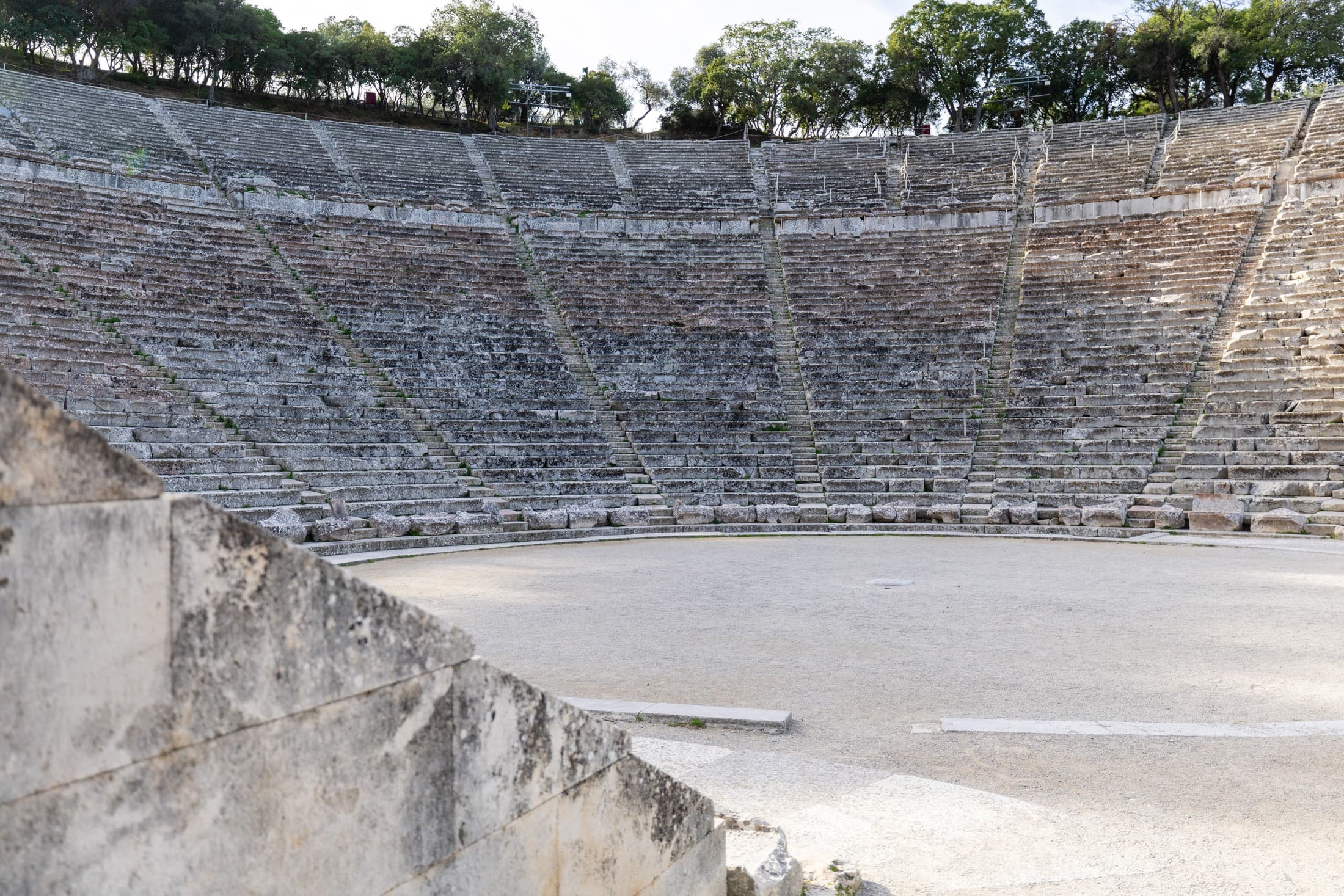
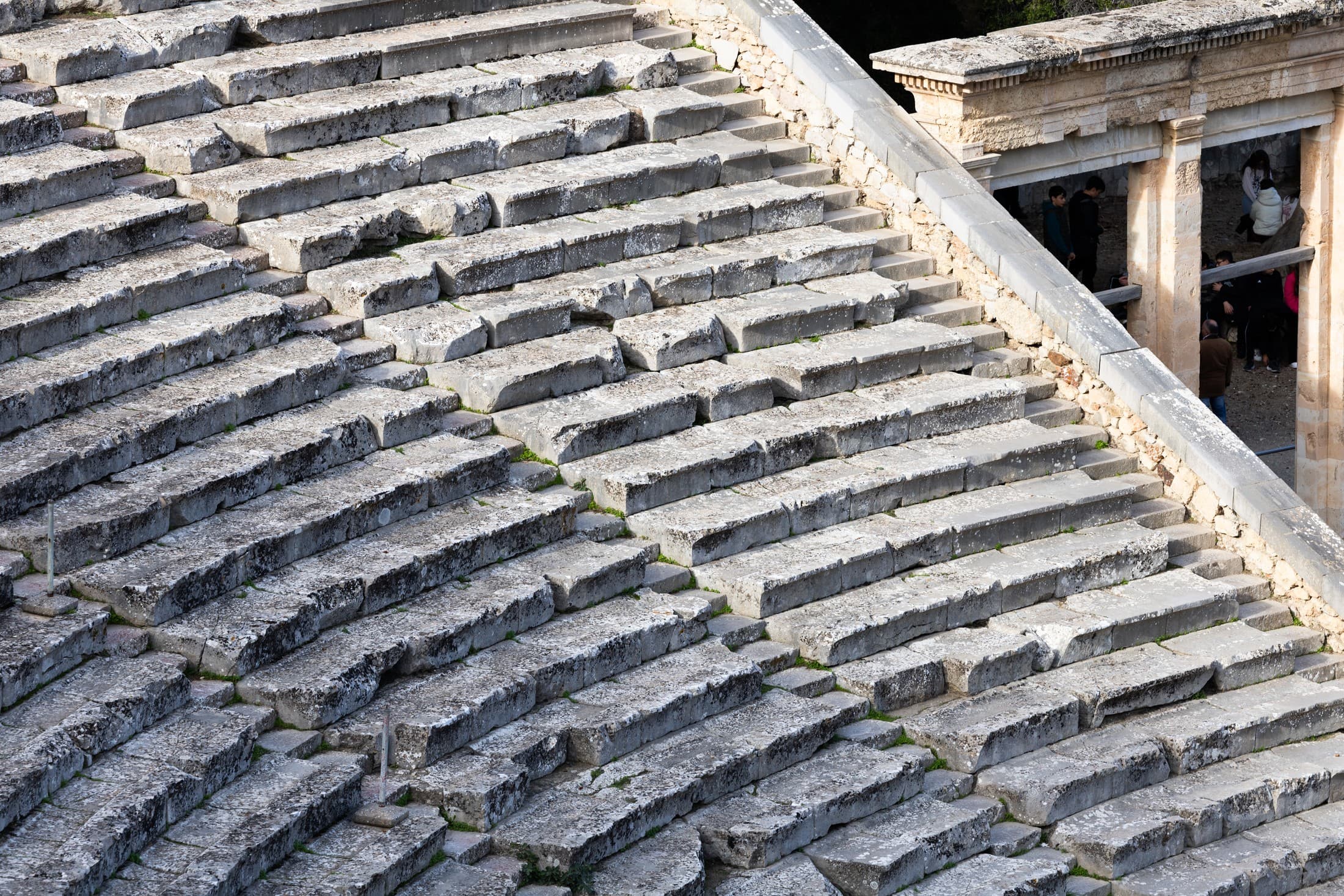
- Theatre as a Therapeutic Medium: The ancient theatre of Epidaurus, with its unparalleled acoustics and harmony, was more than just a place of entertainment. The performances helped patients escape from the fatigue of everyday life, preparing their souls for the ultimate healing of the body.
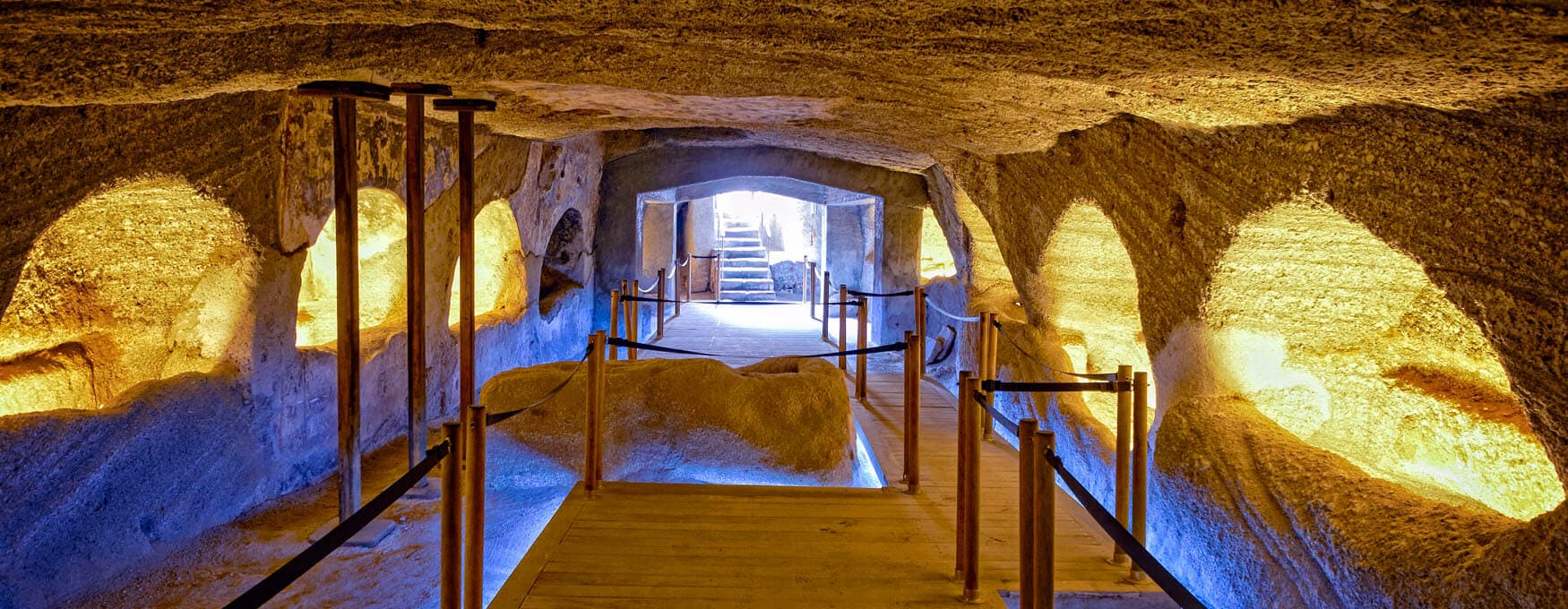
- The Abaton and the Enkoimesis: After the necessary purification rituals, patients entered the Abaton, a mysterious circular space conducive to concentration. The primary therapeutic treatment was the Enkoimesis (inducing sleep and a dream-like state). During sleep, patients dreamt of the god visiting them in the sanctuary to offer healing, while the physicians-mystes (mystics) guided the experience with suitable suggestions.
The efficacy of these methods is attested to by the Iamata, 70 inscriptions discovered in 1883, which detail numerous successful treatments for a wide range of ailments. The Asclepieion experienced a new golden age in the 2nd century AD, funded by the Roman senator Antoninus, during which period the renowned traveller Pausanias described it with great admiration.
Systematic excavations commenced in 1881 under Panagis Kavvadias, and in 1988, the Asclepieion was inscribed on the UNESCO World Heritage List. Today, Epidaurus remains a global beacon, inviting us to explore the forces of nature and the self.