The Crossroads of Empires and Christianity
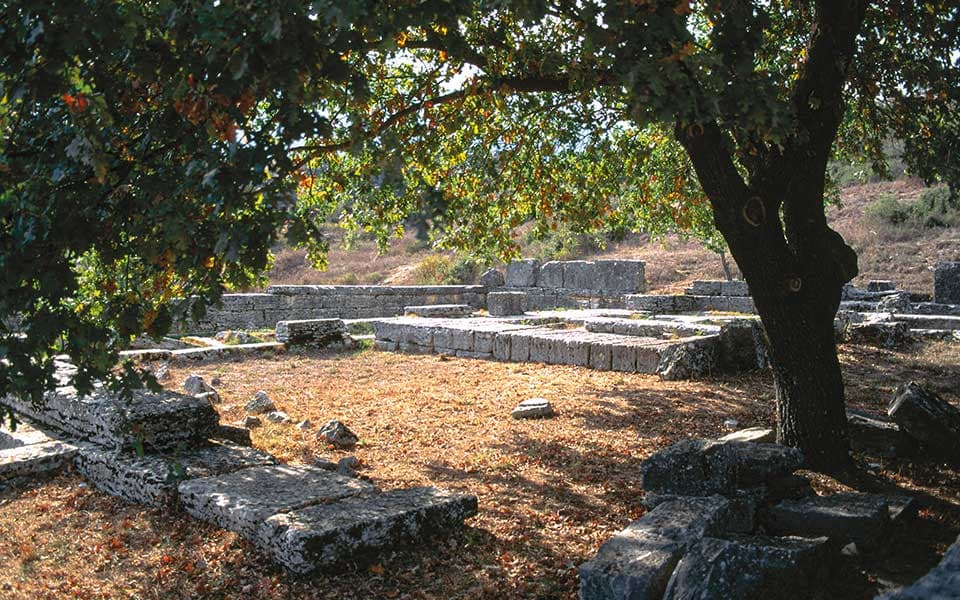
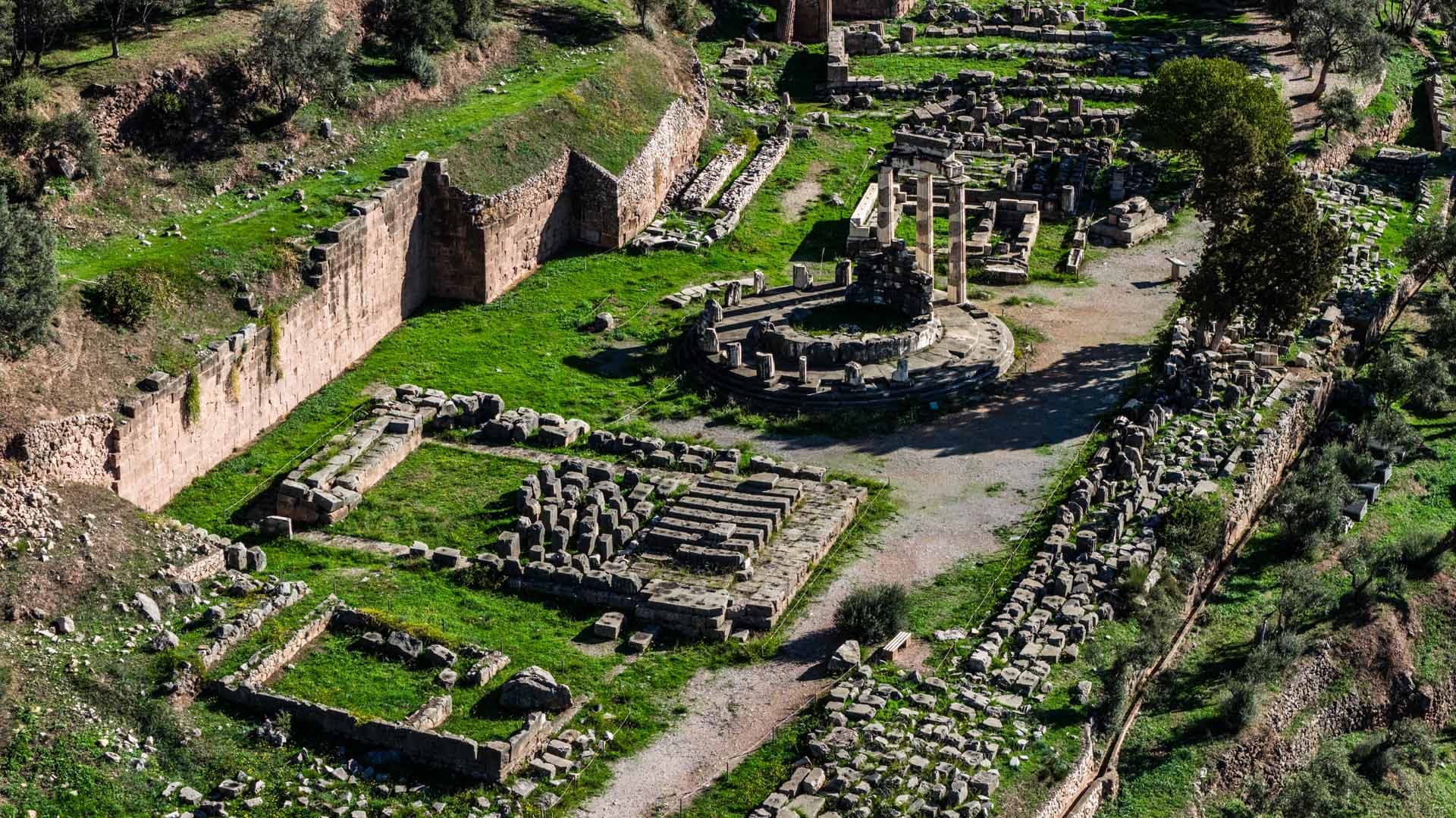
Philippi is the most important archaeological site in Eastern Macedonia and has been a UNESCO World Heritage site since 2016. The city was initially founded in 360 BC as Krenides by Thracian colonists led by the exiled Athenian Kallistratos. However, in 356 BC, Philip II conquered it and renamed it, transforming it into a powerful economic and military centre thanks to the exploitation of the gold mines of Mount Pangaio.
The Roman Colony and the Apostle Paul
The city's fate was sealed by the historic Battle of Philippi in 42 BC, when Octavian and Antony triumphed over Brutus and Cassius. This victory transformed it into one of the most important Roman colonies, as its strategic location on the Via Egnatia facilitated trade and movement. Shortly thereafter, in 49-50 AD, the Apostle Paul visited the city and established the first Christian church on European soil. The splendour of Philippi endured for centuries, until the great earthquakes and Slavic raids after the 7th century led to its gradual abandonment, which was completed with the Turkish conquest.
The Most Significant Architectural Remains
Today, visitors can marvel at monuments that attest to its enduring power:
Aigai: The Glorious Cradle of the Macedonian Kingdom
The 1977 archaeological excavations on the slopes of the Pierian Mountains unearth Aigai, the first capital of the Macedonian kingdom. This discovery is considered one of the most significant worldwide, leading UNESCO to declare the area a World Heritage Site in 1996.
The Ascent of the Dynasty
The settlement of Vergina dates back to the 3rd millennium BC, owing to its natural fortifications and fertile plain. The name Aigai signifies a place with many flocks, hinting at the region's prosperity. According to Herodotus, the noble Temenid clan from Argos, who traced their lineage to Heracles, established their dynastic seat here. Under Perdiccas I, Aigai became the most powerful centre of Macedonian Hellenism. For three centuries, until the 4th century BC, the city served as the administrative and artistic hub of Macedonia, before ceding its prominence to Pella.
The Monuments and Incalculable Treasures
Today, visitors are greeted by the grandeur of an empire that has left its mark on world history. The Royal Tombs, the impressive Palace, the Theatre where Philip II was assassinated, the sanctuary of the Eukleia, and the fortified acropolis dominate the archaeological site.
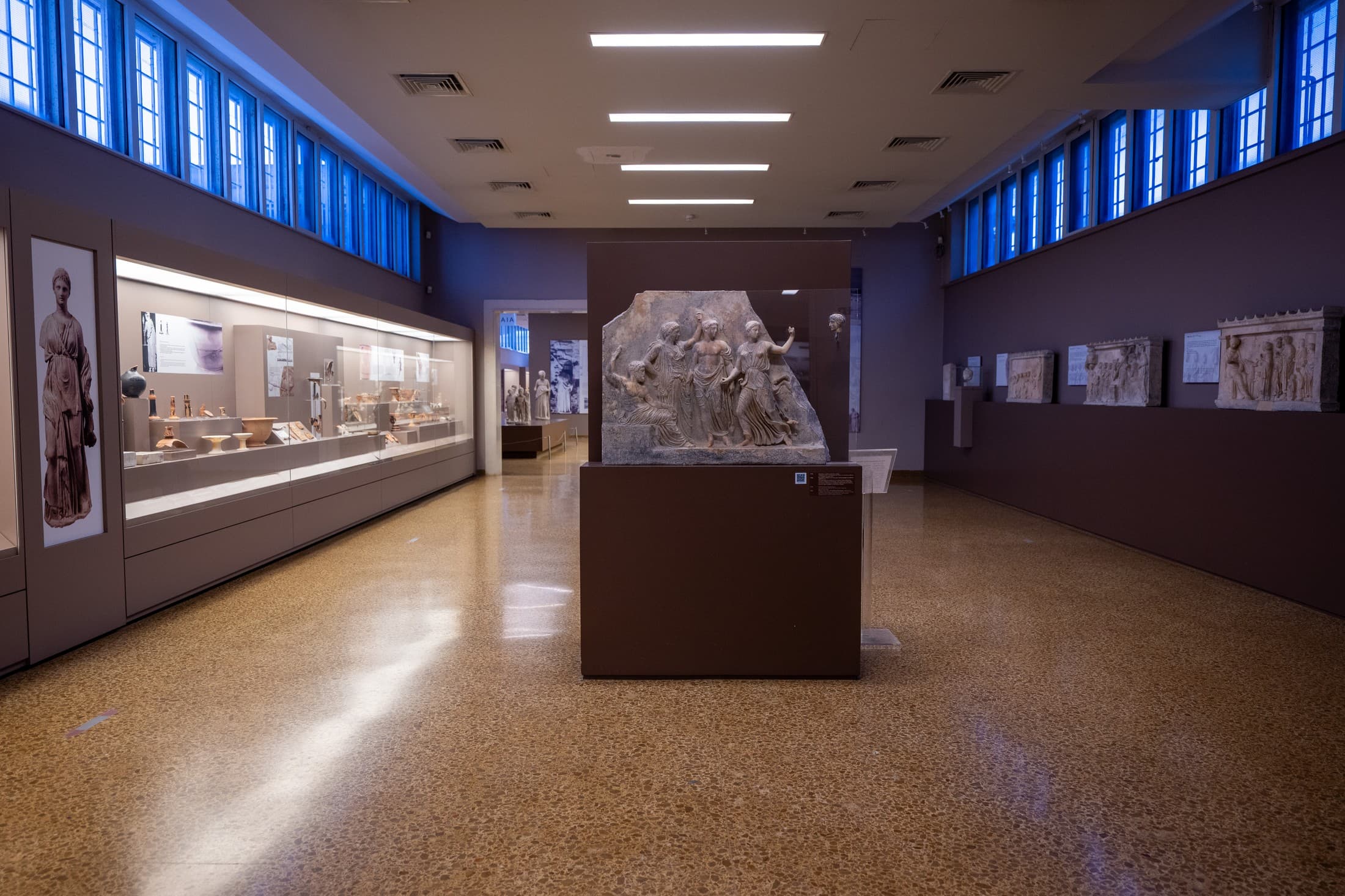
The discoveries inspire awe: golden larnakes (sarcophagi) adorned with the sixteen-pointed star, chryselephantine klinai (couches or beds), intricately crafted weaponry, and unique frescoes. These treasures are not merely artefacts. They are irrefutable testaments to the power of Philip and the glory of Alexander the Great. A journey to Vergina is an immersive experience, a deep dive into the heart of Macedonian culture, which radiated outwards from here to the far reaches of the world. The vibrant history of this Macedonian land remains undiminished, inviting every traveller to uncover the roots of a glorious era.
The Roman Colony and the Apostle Paul
The city's fate was sealed by the historic Battle of Philippi in 42 BC, when Octavian and Antony triumphed over Brutus and Cassius. This victory transformed it into one of the most important Roman colonies, as its strategic location on the Via Egnatia facilitated trade and movement. Shortly thereafter, in 49-50 AD, the Apostle Paul visited the city and established the first Christian church on European soil. The splendour of Philippi endured for centuries, until the great earthquakes and Slavic raids after the 7th century led to its gradual abandonment, which was completed with the Turkish conquest.
The Most Significant Architectural Remains
Today, visitors can marvel at monuments that attest to its enduring power:
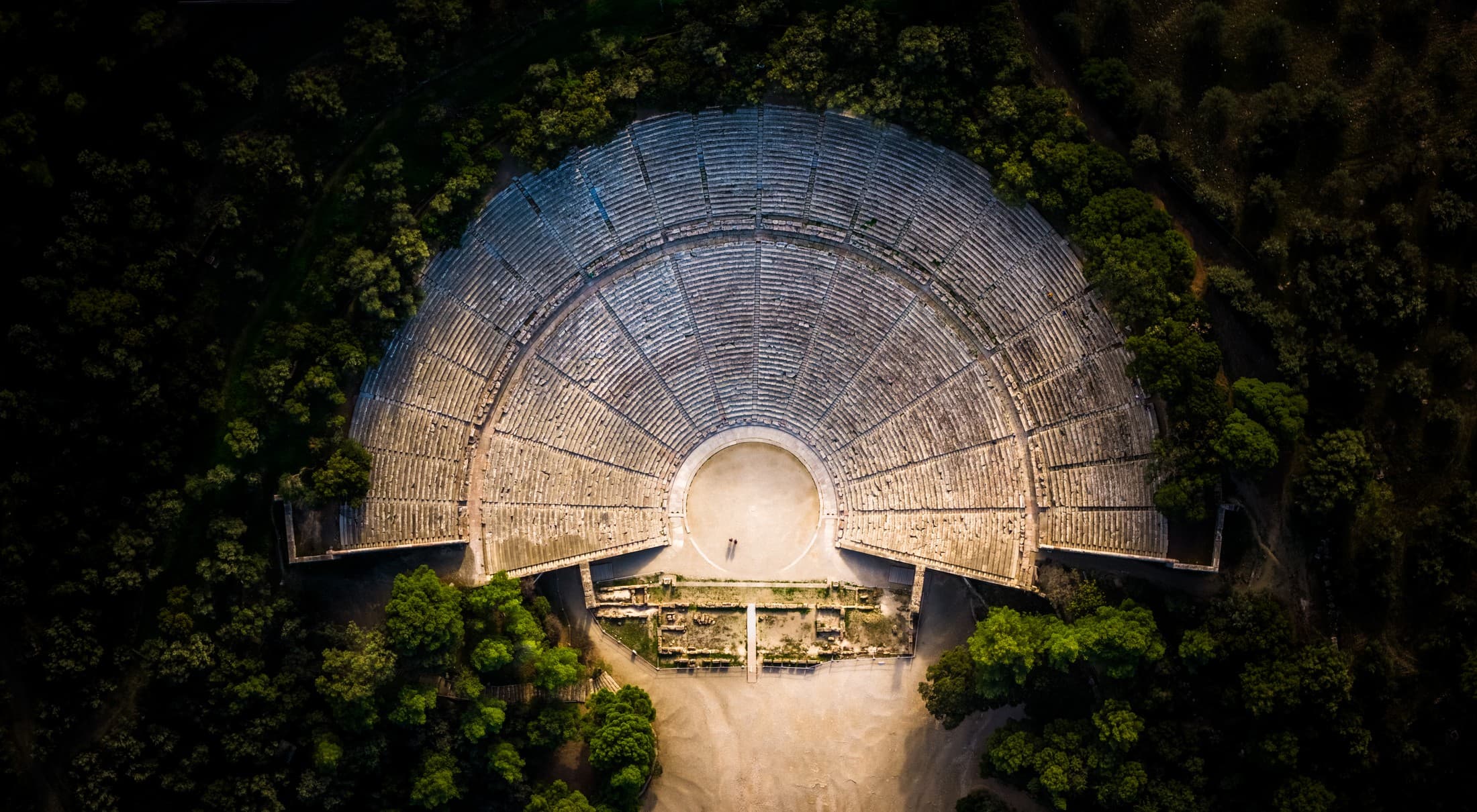
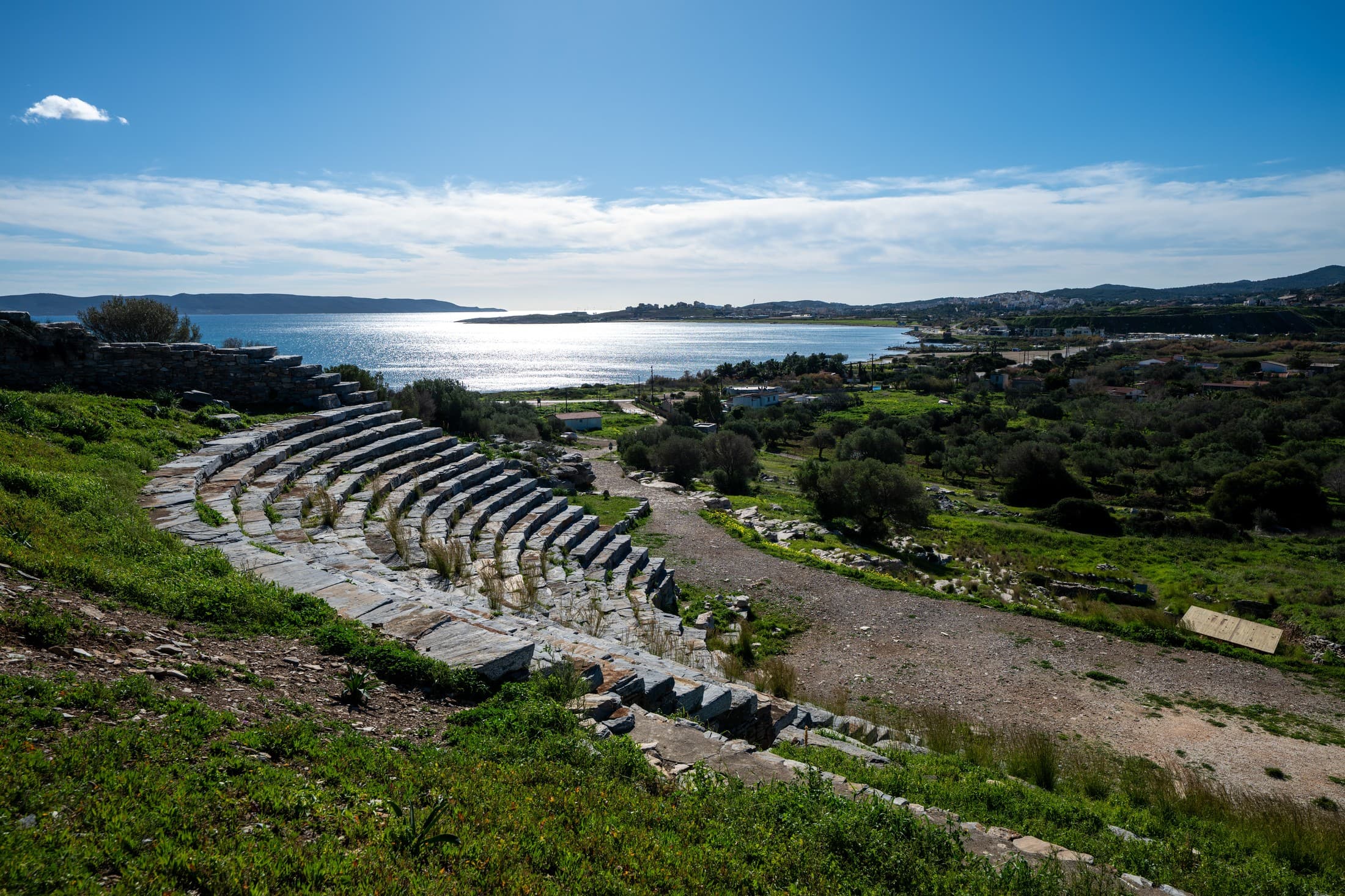
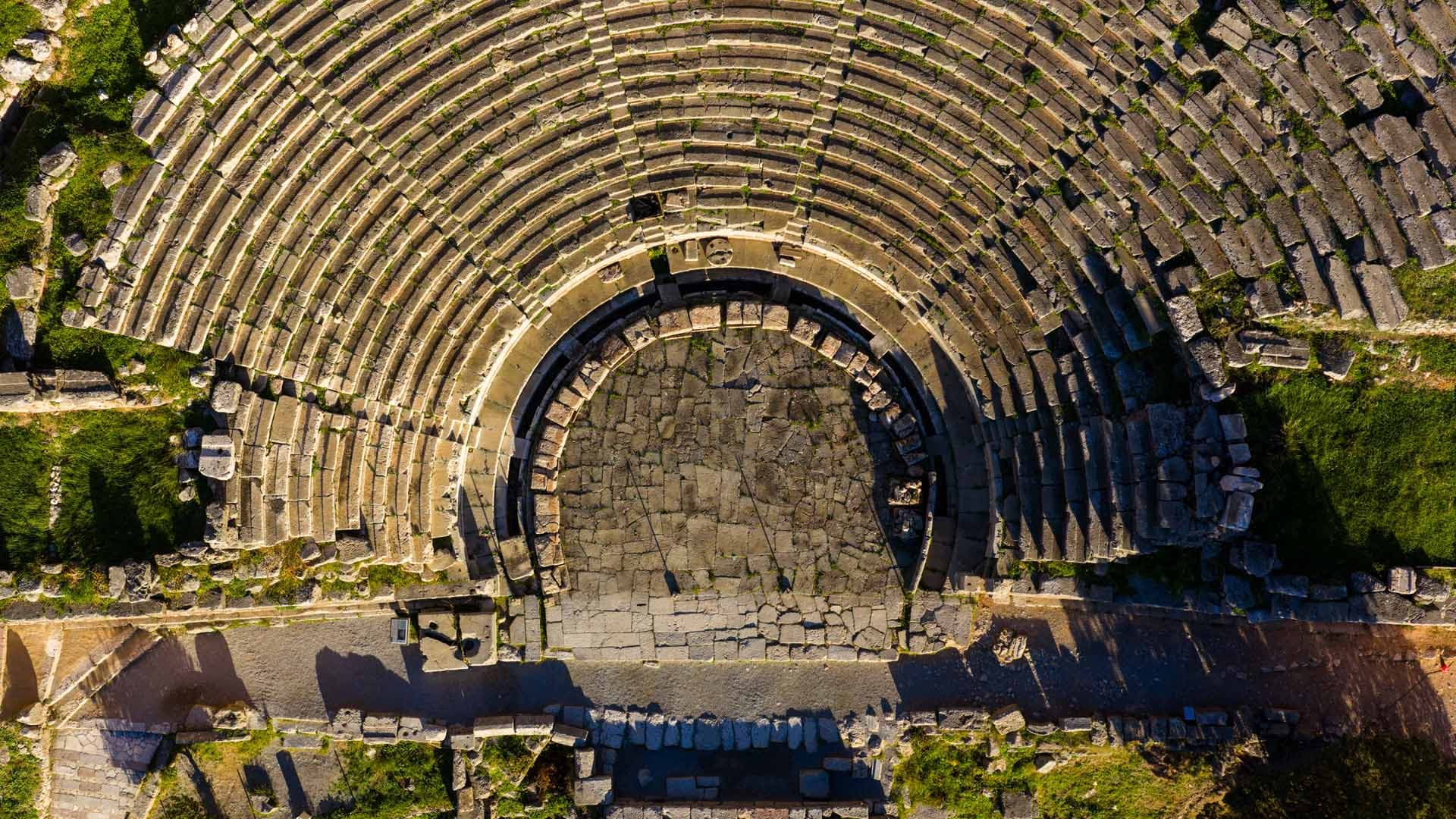
- The Ancient Theatre: An imposing structure dating back to the 4th century BC, still in use today.
- The Roman Agora: The administrative centre featuring a unique 40sq.m mosaic floor, commissioned by Marcus Aurelius.
- The Palaestra: A complex featuring rooms and a peristyle courtyard, designed for the education of young people.
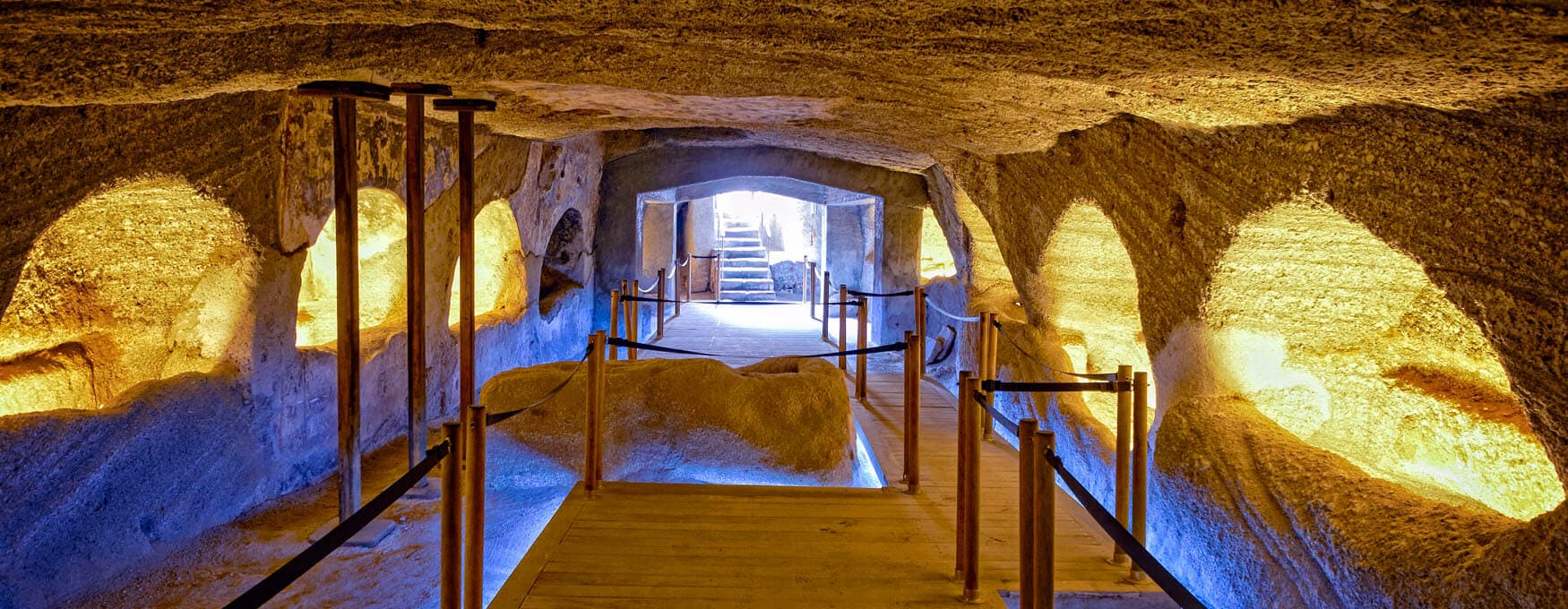
- The Prison of Paul: A Roman cistern that, according to tradition, once “hosted” the Apostle.
- The Octagon and the Basilicas: Magnificent temples from the 5th and 6th centuries that showcase the area's Christian heritage.
- The Walls and the Acropolis: The late Byzantine tower offers panoramic views of the historic plain.
Aigai: The Glorious Cradle of the Macedonian Kingdom
The 1977 archaeological excavations on the slopes of the Pierian Mountains unearth Aigai, the first capital of the Macedonian kingdom. This discovery is considered one of the most significant worldwide, leading UNESCO to declare the area a World Heritage Site in 1996.
The Ascent of the Dynasty
The settlement of Vergina dates back to the 3rd millennium BC, owing to its natural fortifications and fertile plain. The name Aigai signifies a place with many flocks, hinting at the region's prosperity. According to Herodotus, the noble Temenid clan from Argos, who traced their lineage to Heracles, established their dynastic seat here. Under Perdiccas I, Aigai became the most powerful centre of Macedonian Hellenism. For three centuries, until the 4th century BC, the city served as the administrative and artistic hub of Macedonia, before ceding its prominence to Pella.
The Monuments and Incalculable Treasures
Today, visitors are greeted by the grandeur of an empire that has left its mark on world history. The Royal Tombs, the impressive Palace, the Theatre where Philip II was assassinated, the sanctuary of the Eukleia, and the fortified acropolis dominate the archaeological site.
The discoveries inspire awe: golden larnakes (sarcophagi) adorned with the sixteen-pointed star, chryselephantine klinai (couches or beds), intricately crafted weaponry, and unique frescoes. These treasures are not merely artefacts. They are irrefutable testaments to the power of Philip and the glory of Alexander the Great. A journey to Vergina is an immersive experience, a deep dive into the heart of Macedonian culture, which radiated outwards from here to the far reaches of the world. The vibrant history of this Macedonian land remains undiminished, inviting every traveller to uncover the roots of a glorious era.