Following the traces of a great city of the ancient Greek world
Ancient Corinth was once one of the most powerful and wealthiest cities of the ancient Greek world. Known since Mycenaean times, it is mentioned by Homer as "aphneios," meaning wealthy. This description is attributed to the exceptionally fertile Corinthian plain and its strategic position between the Saronic and Corinthian Gulfs.
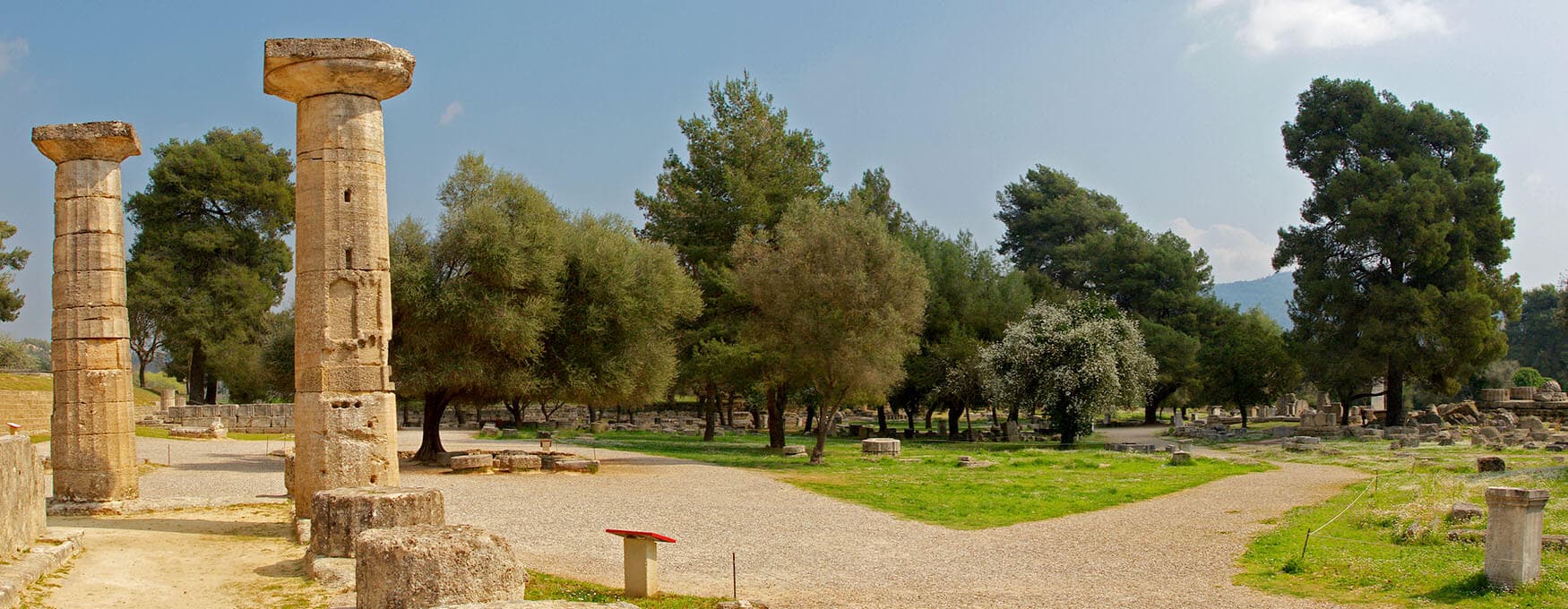
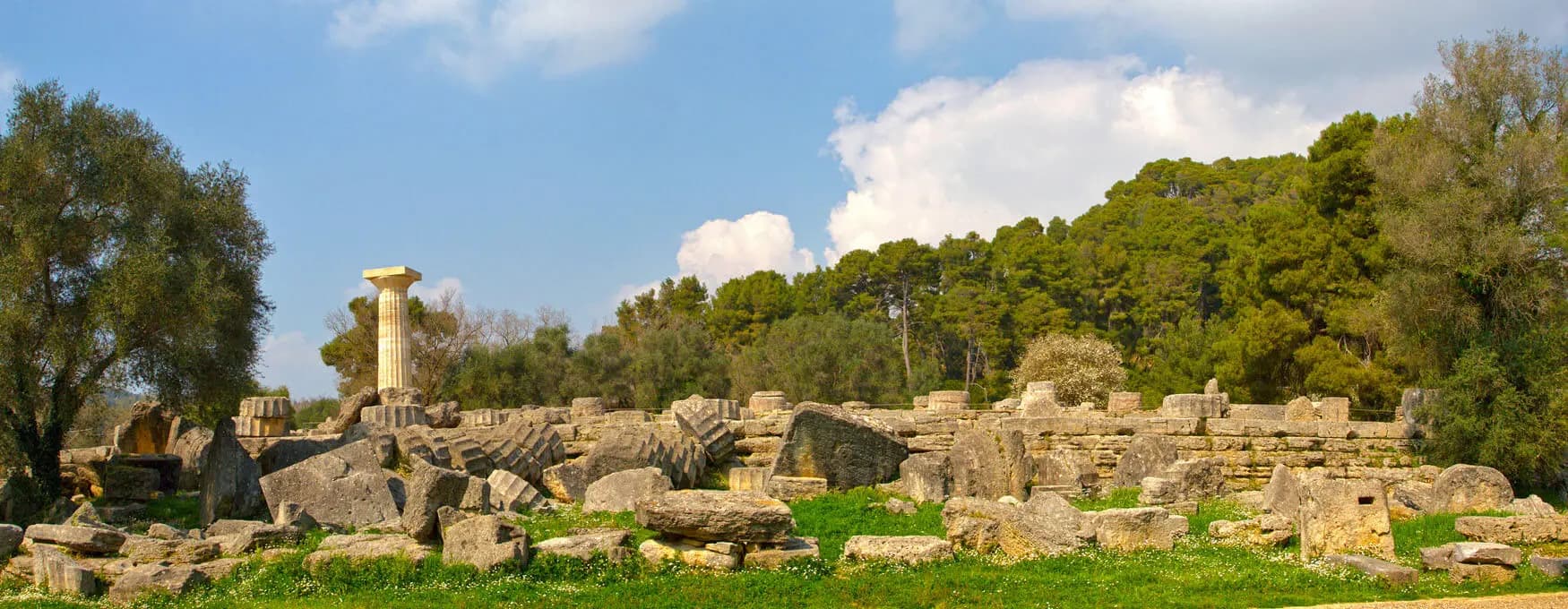
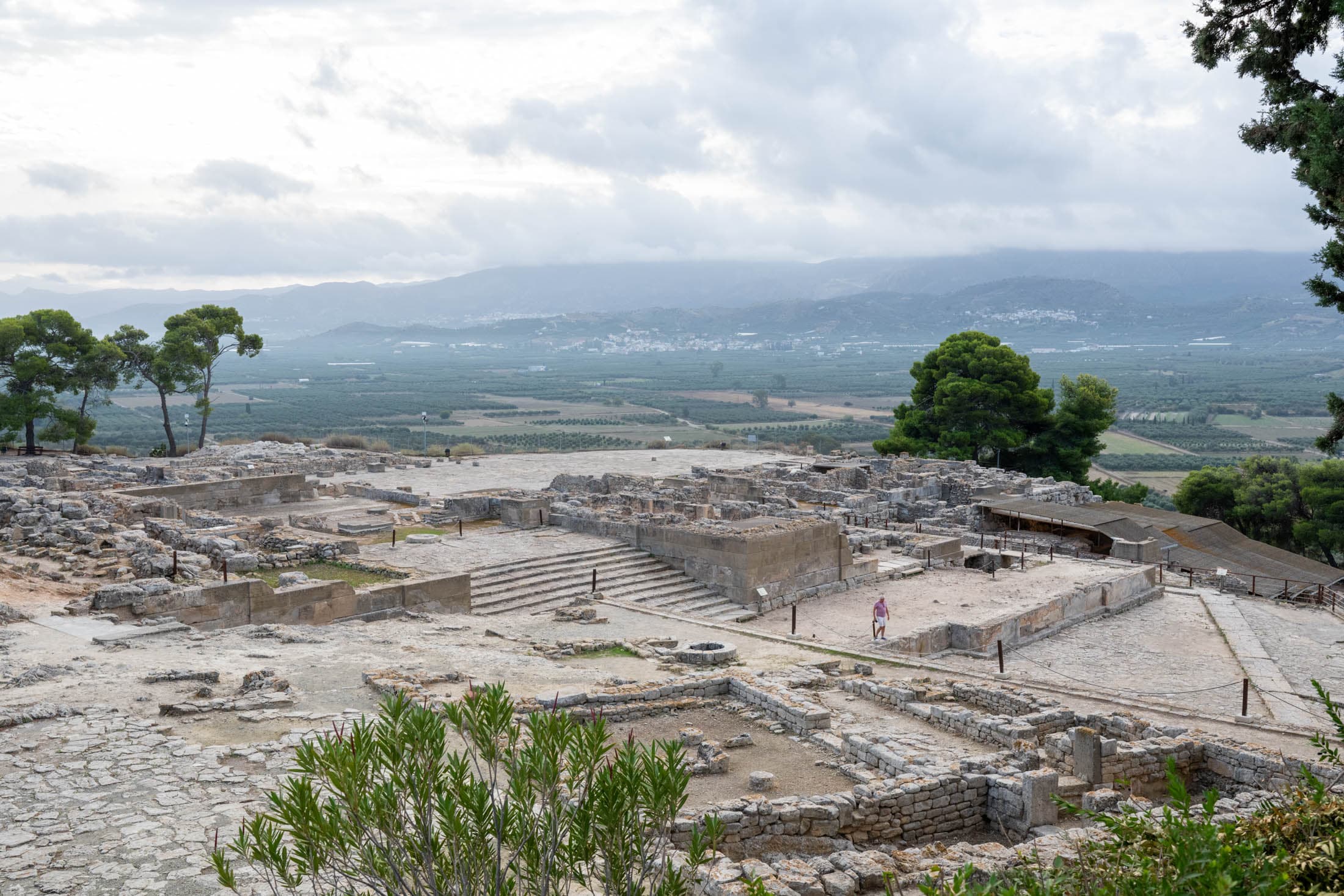
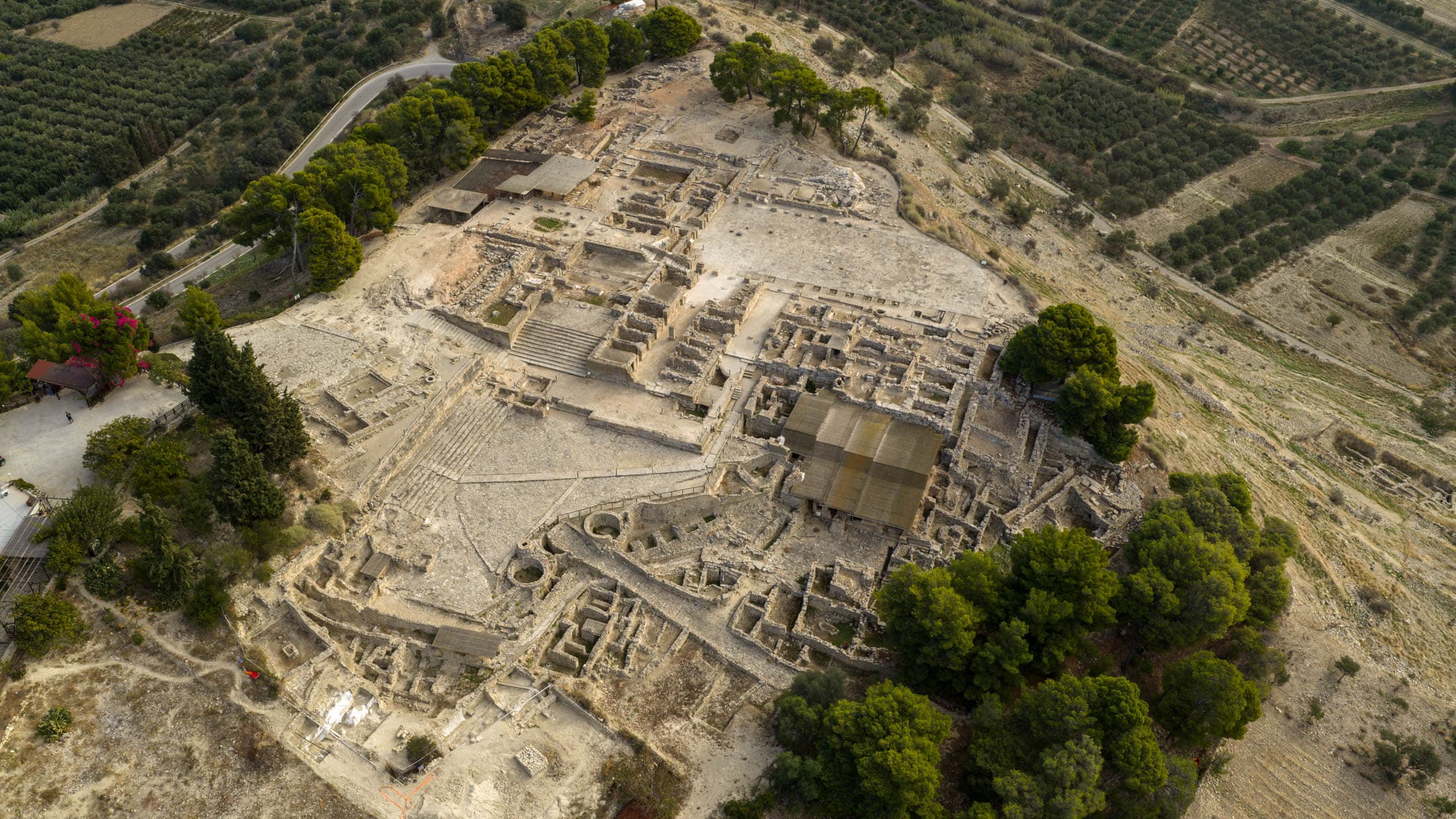
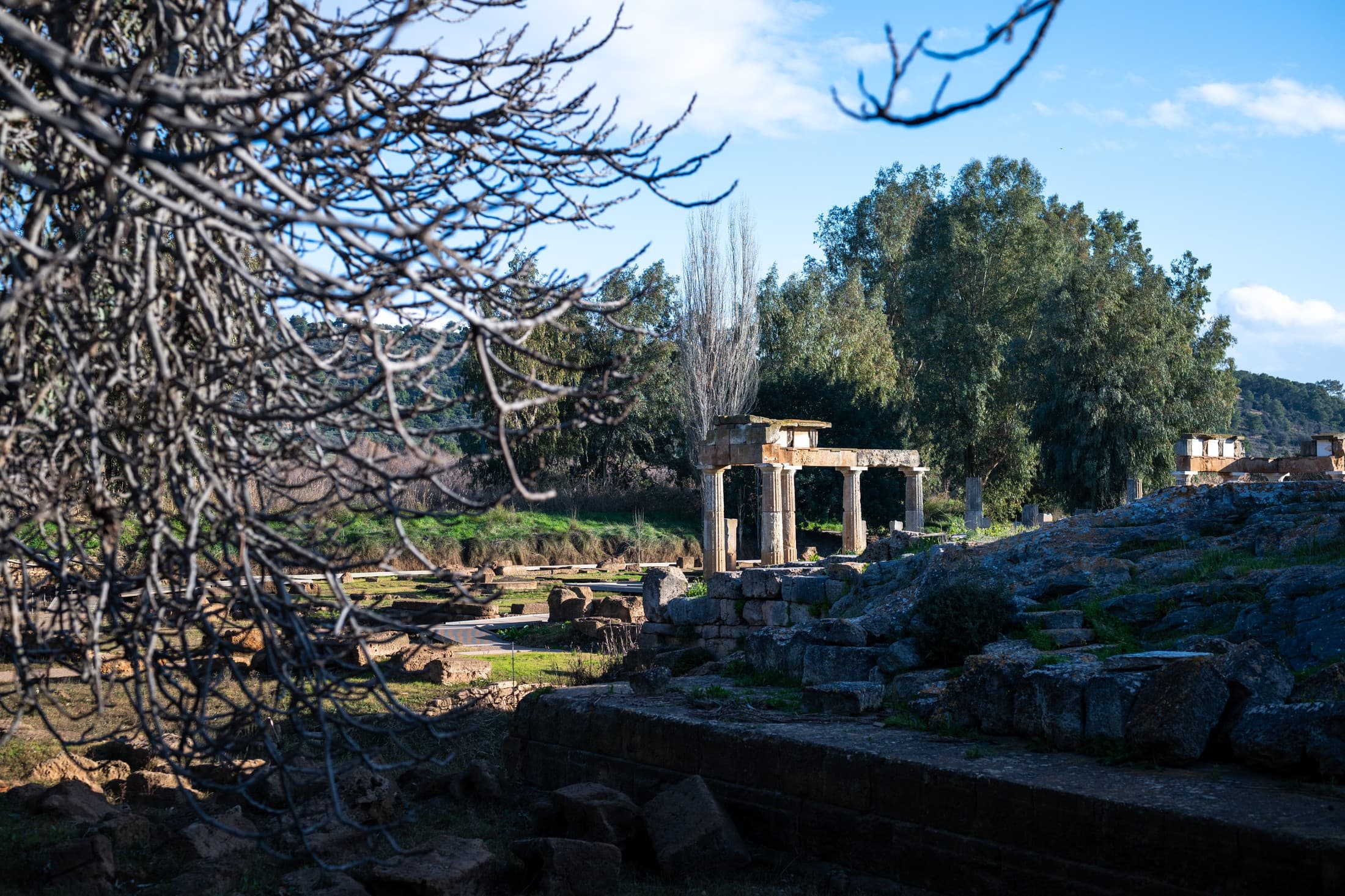
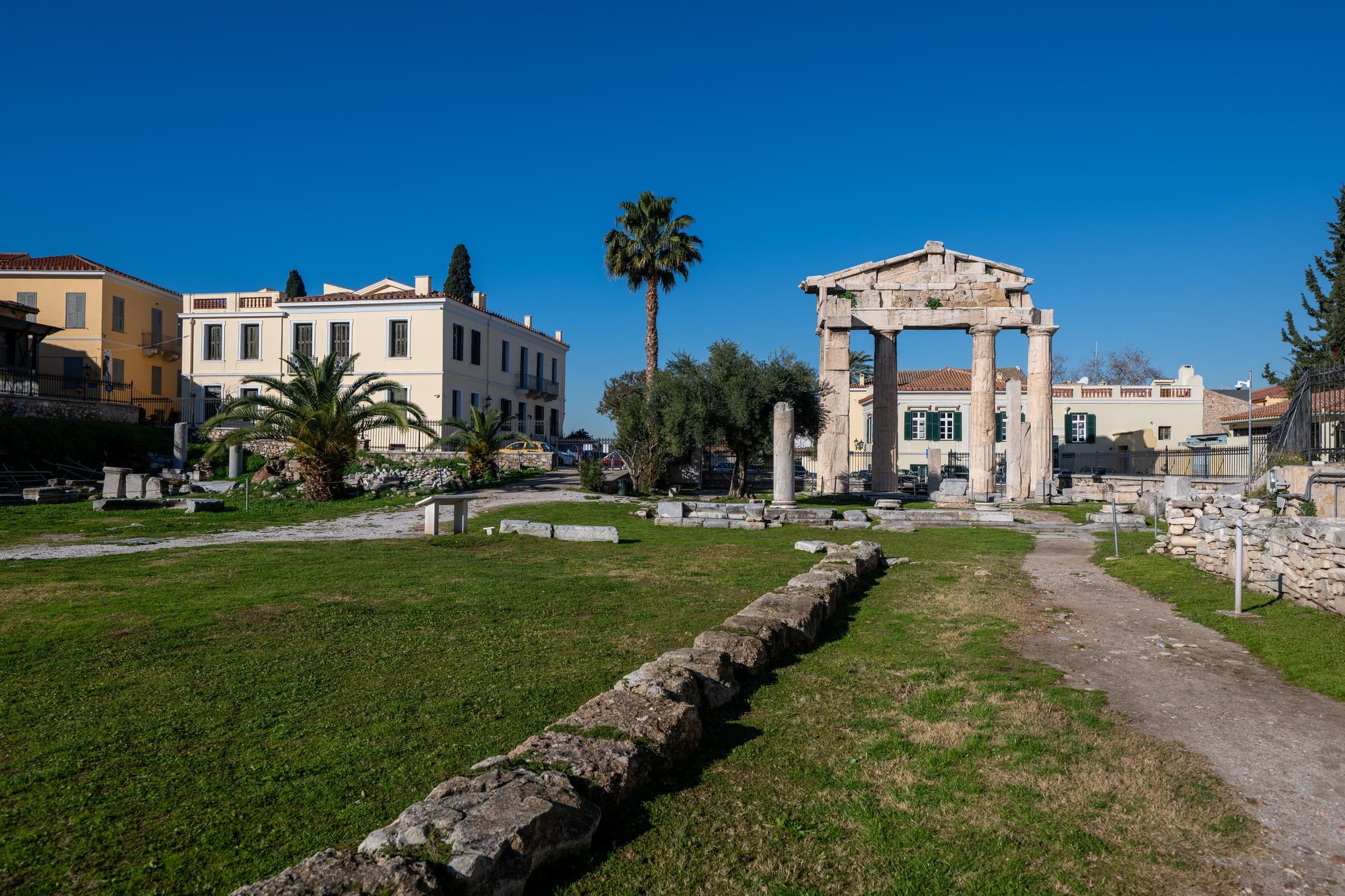
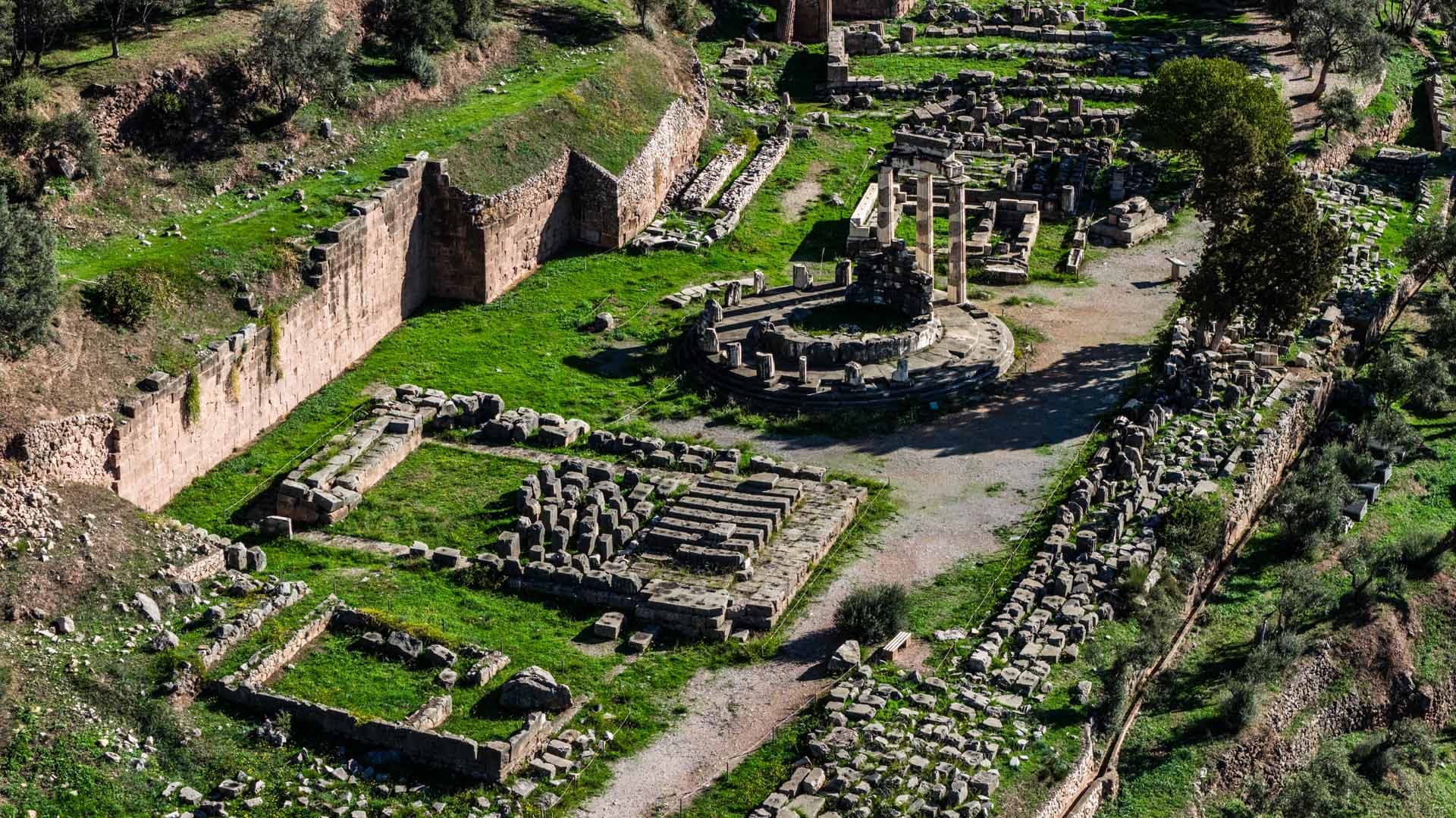
The organised archaeological site extends across the northern foothills of Acrocorinth, centred around the archaic Temple of Apollo, which has dominated the landscape with its monolithic Doric columns since the 6th century BC. Surrounding it lies the Roman Forum, one of the most extensive public spaces ever unearthed in Greece.
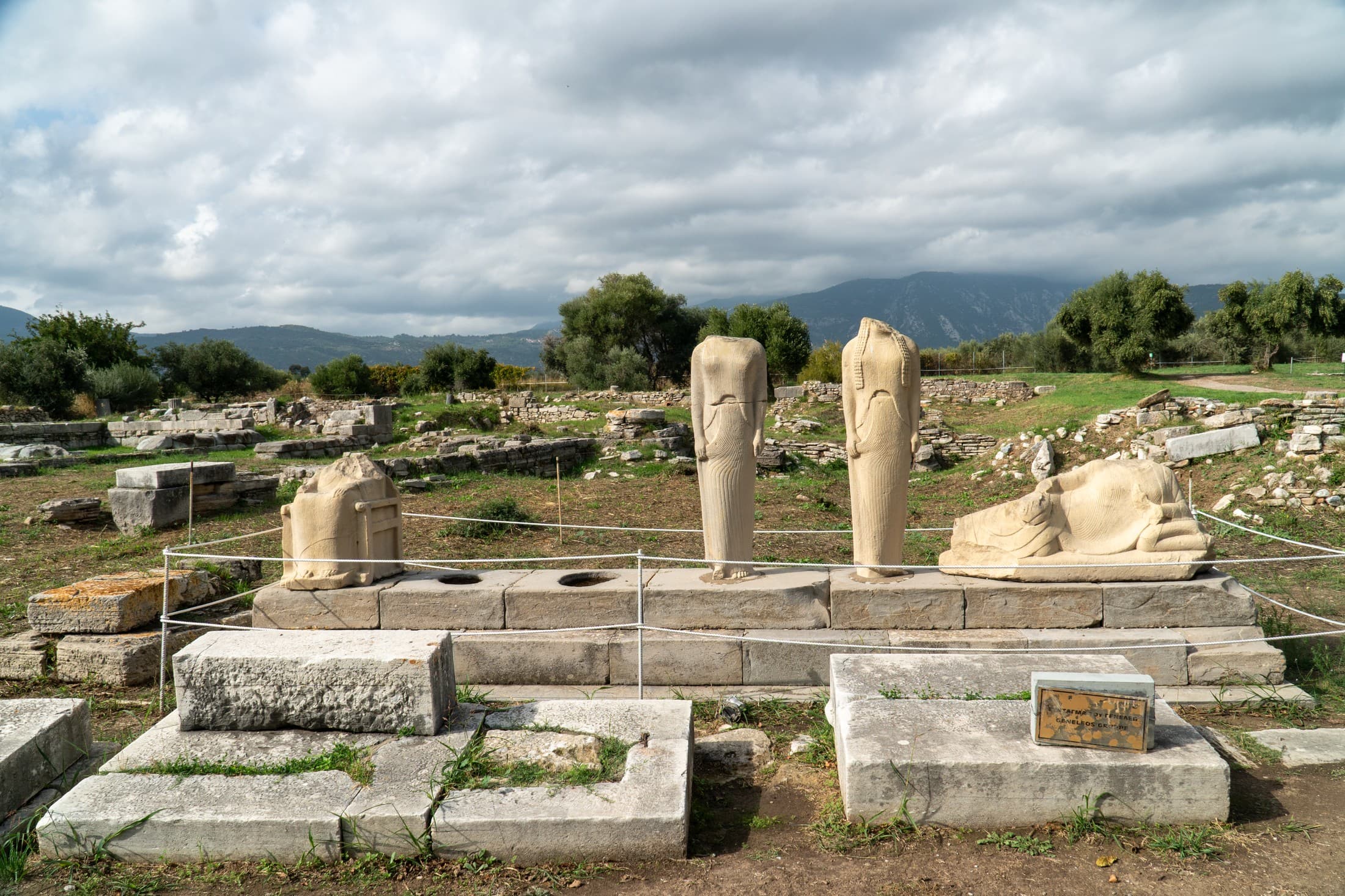
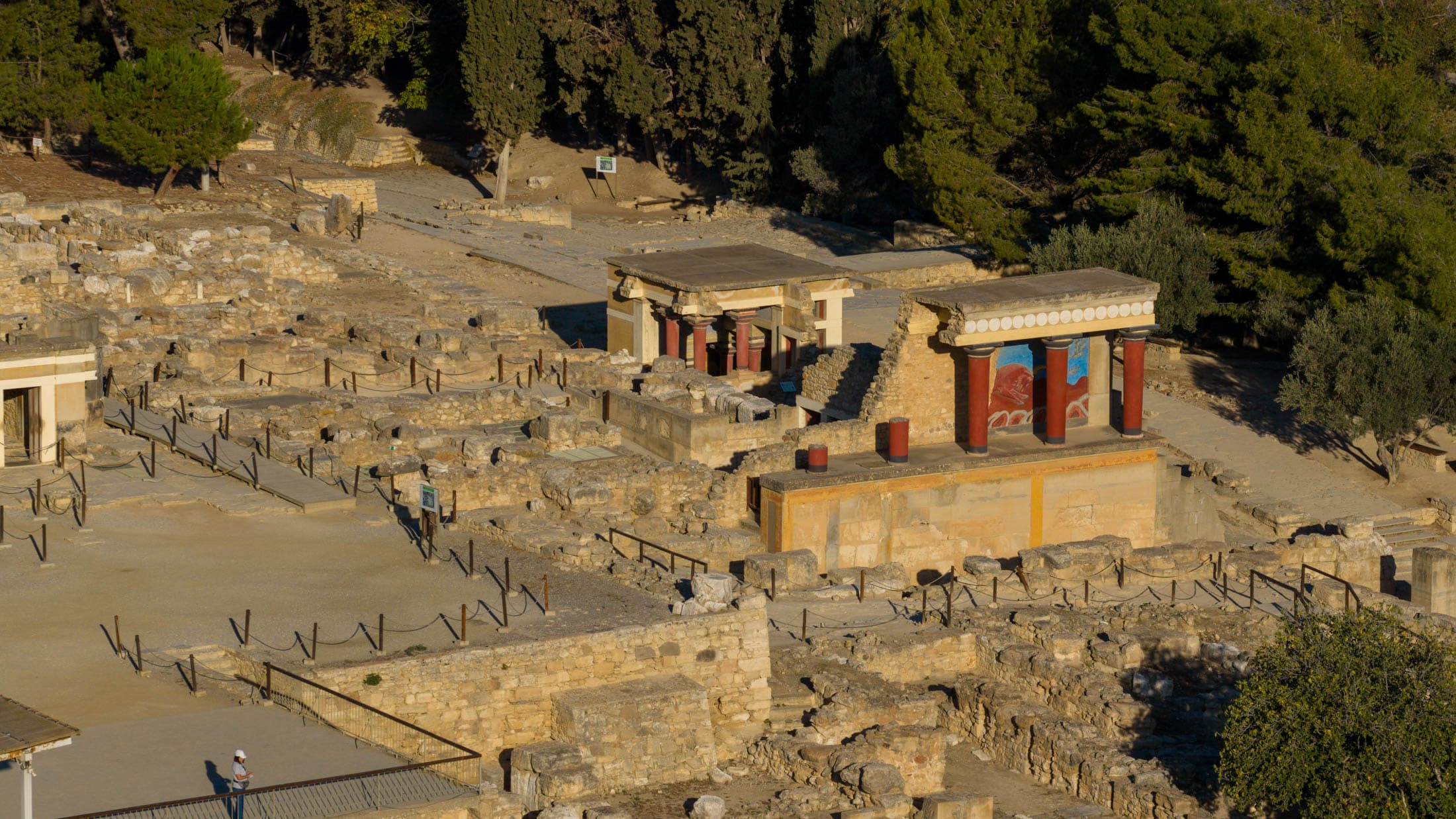
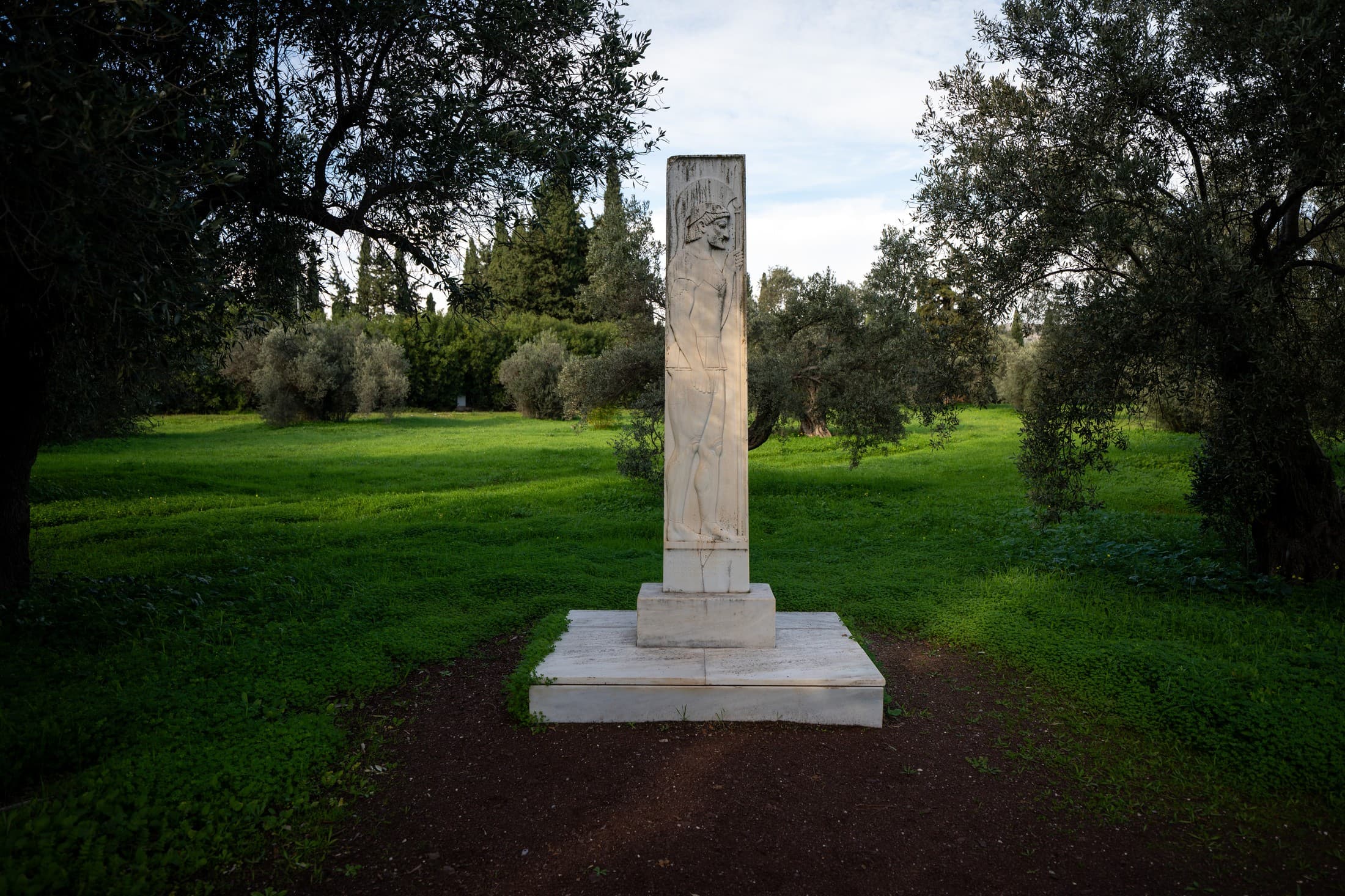
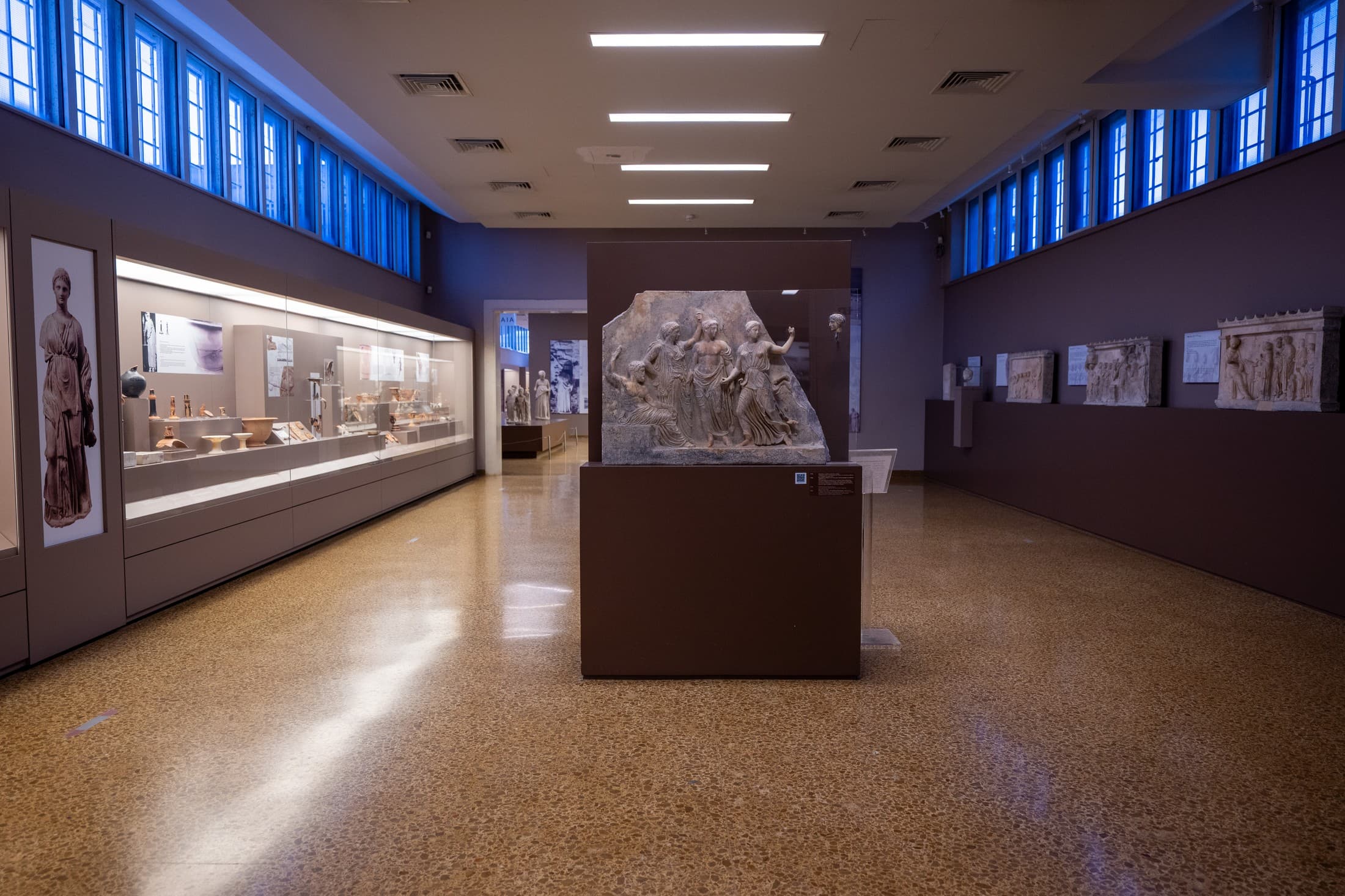
The ruins highlight the complex and multi-layered nature of Ancient Corinth. Temples, stoas, fountains, bath complexes, and public buildings coexisted with workshops, pottery kilns, and cemeteries, reflecting a city in constant operation.
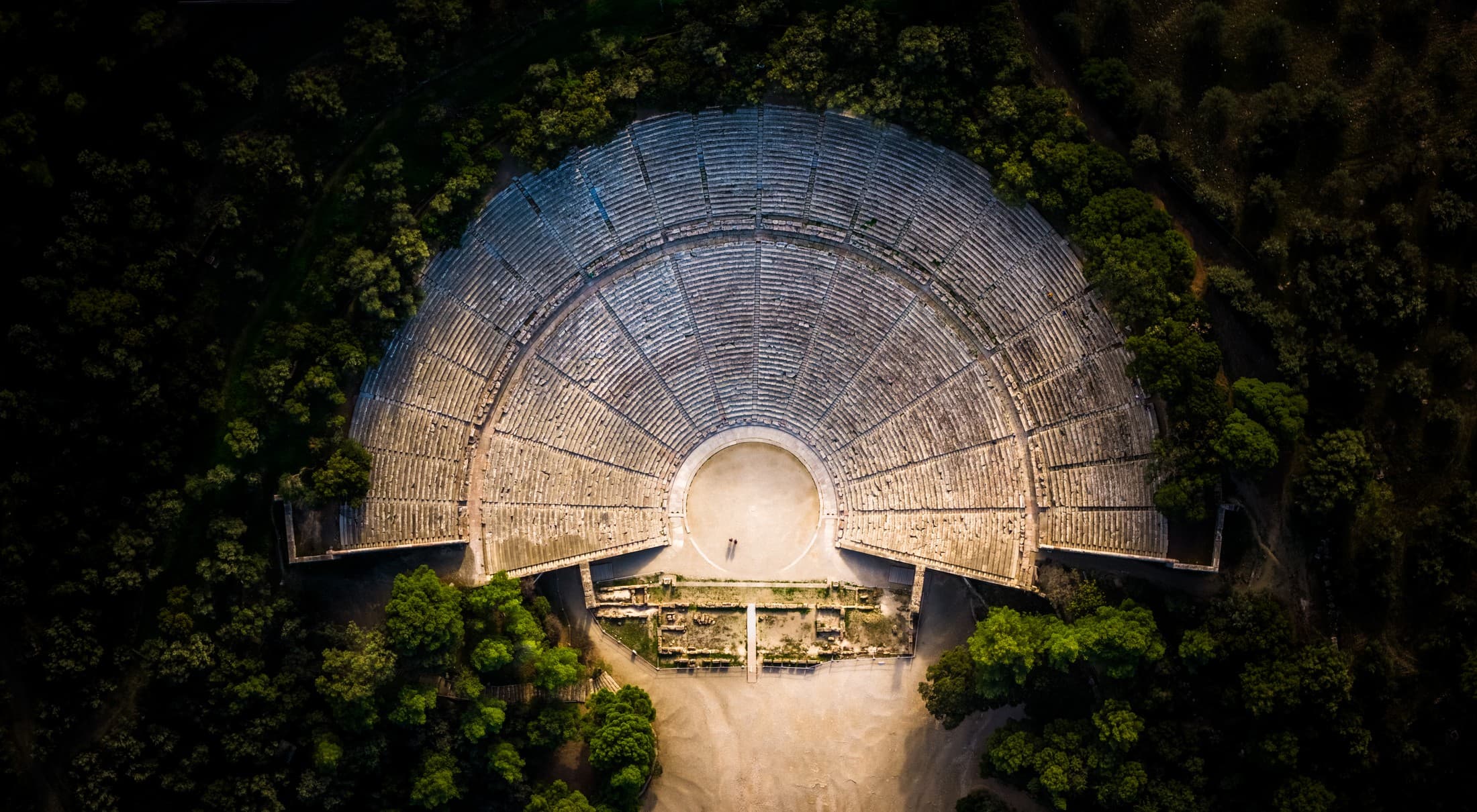
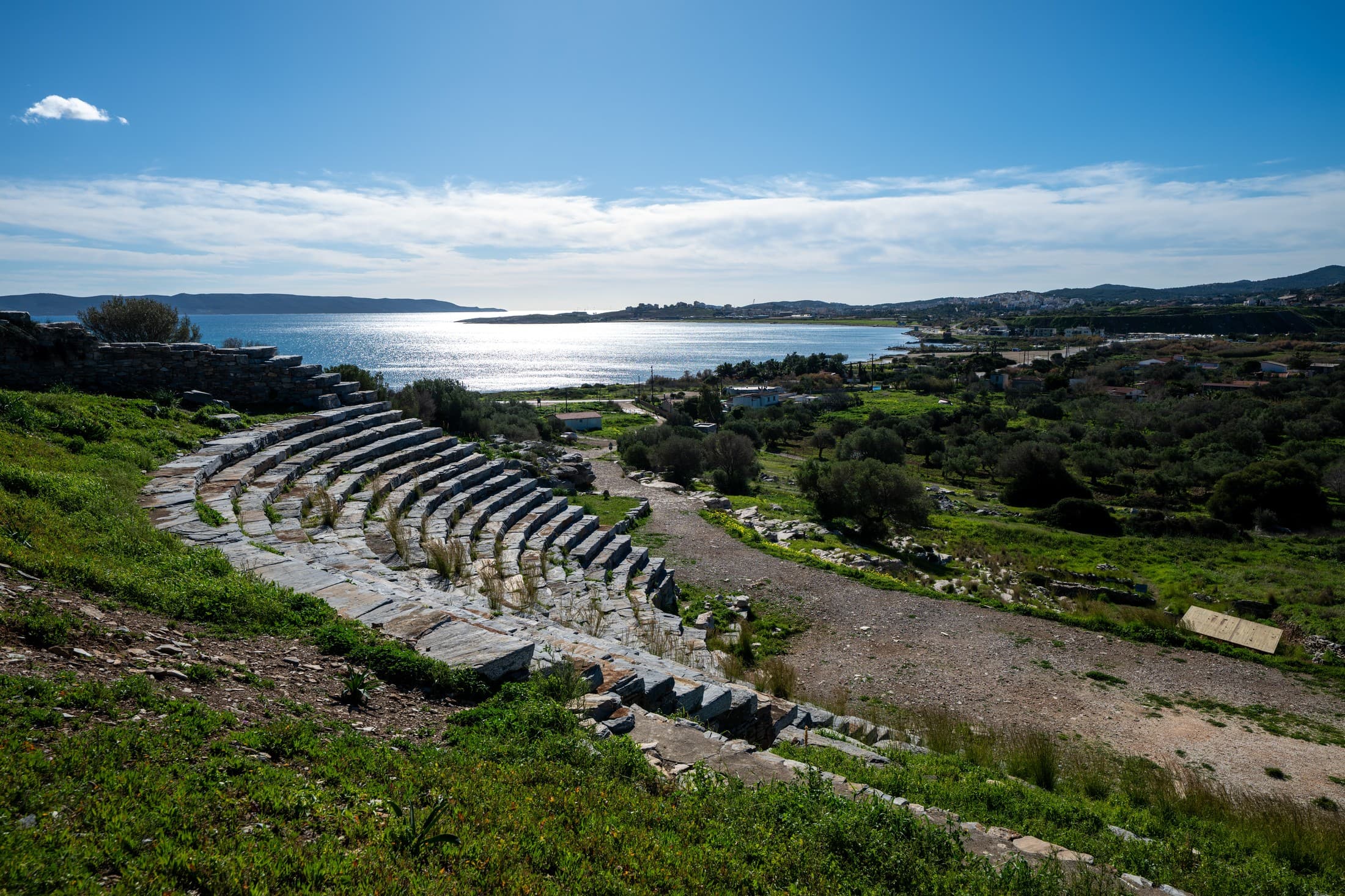
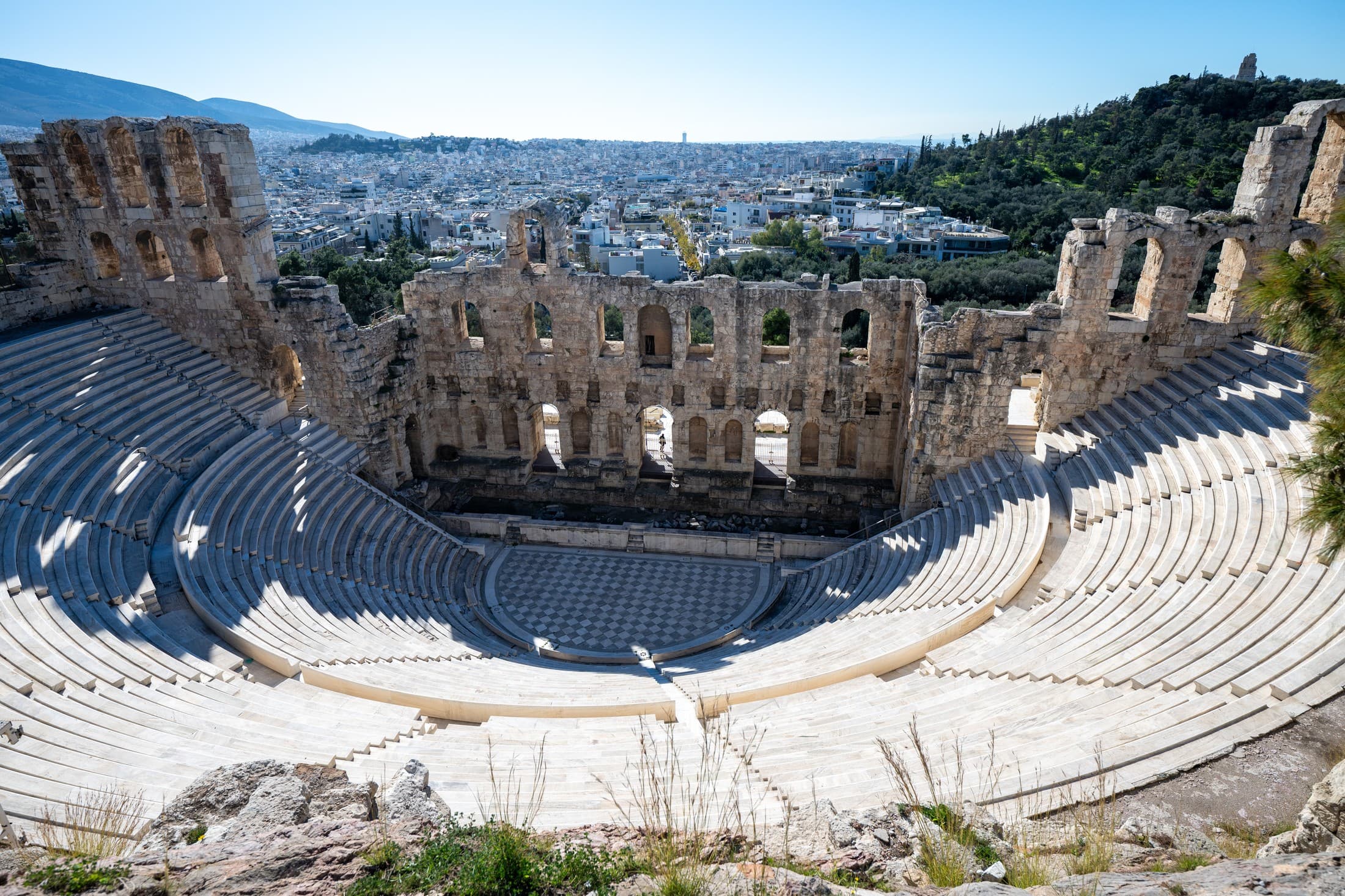
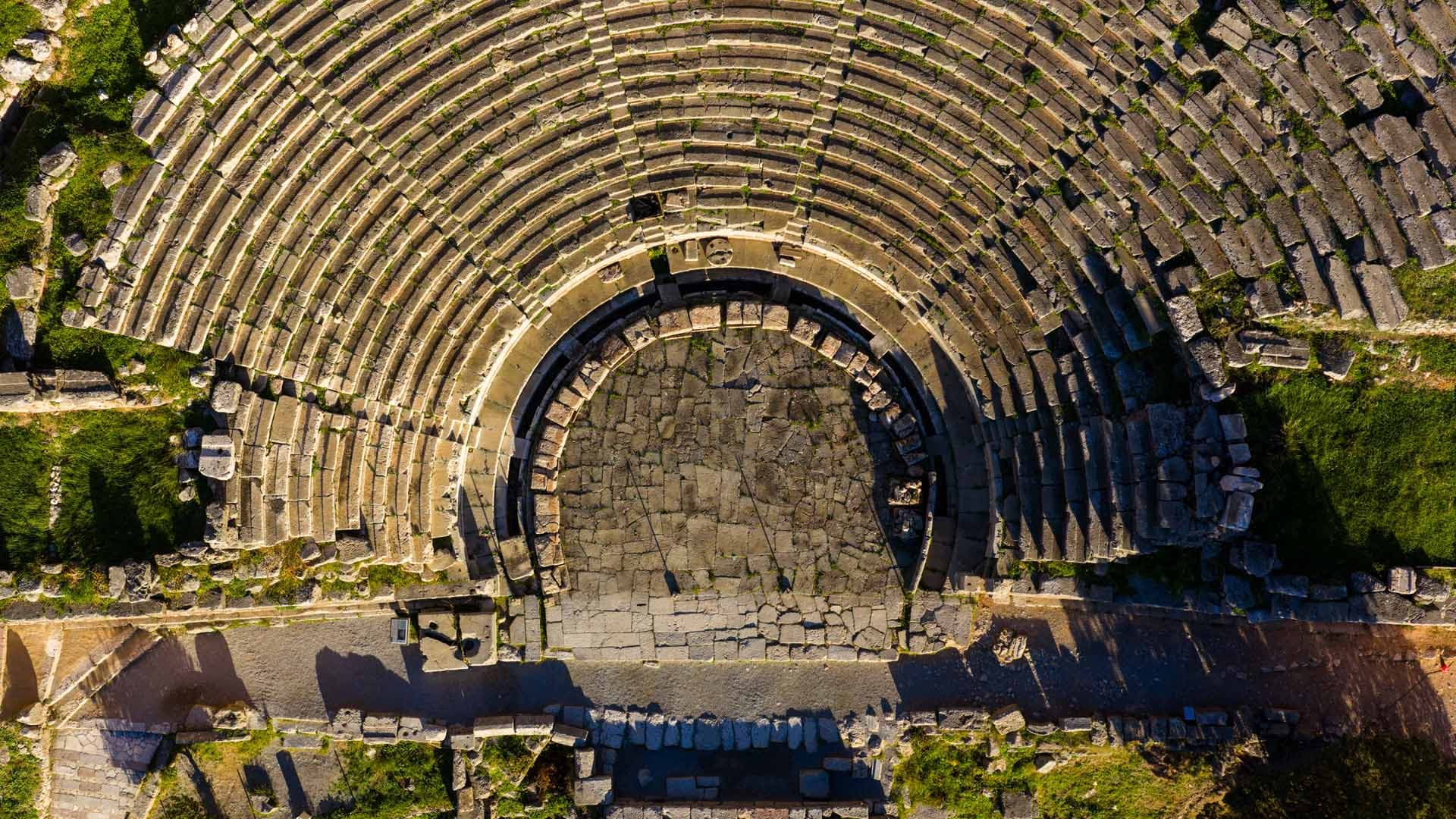
To the south of the main site, the Theatre, the Roman Odeon, and the extensive Sanctuary of Asclepius and Hygeia—one of Corinth’s most significant healing centres, active for over eight centuries—have been brought to light.
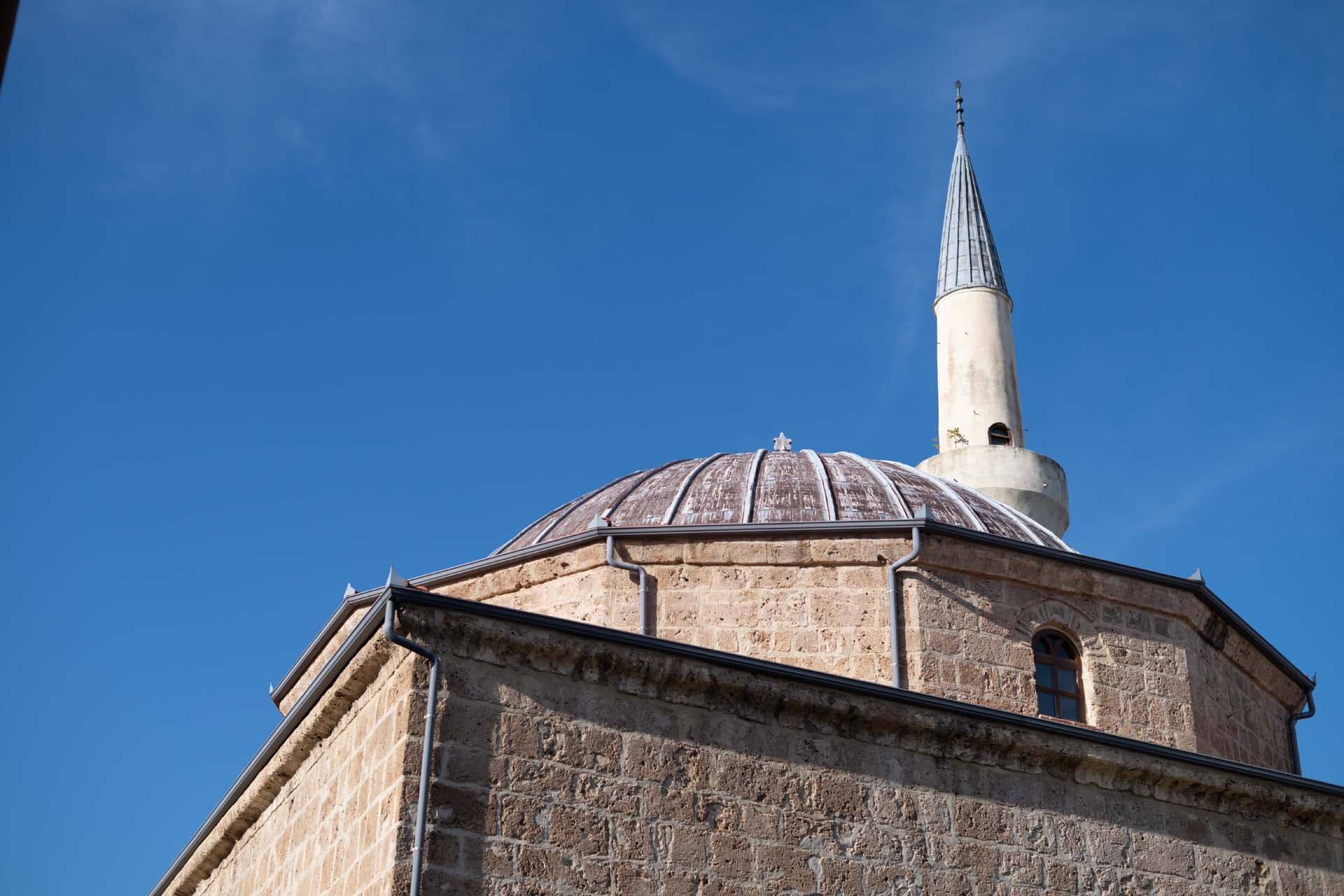
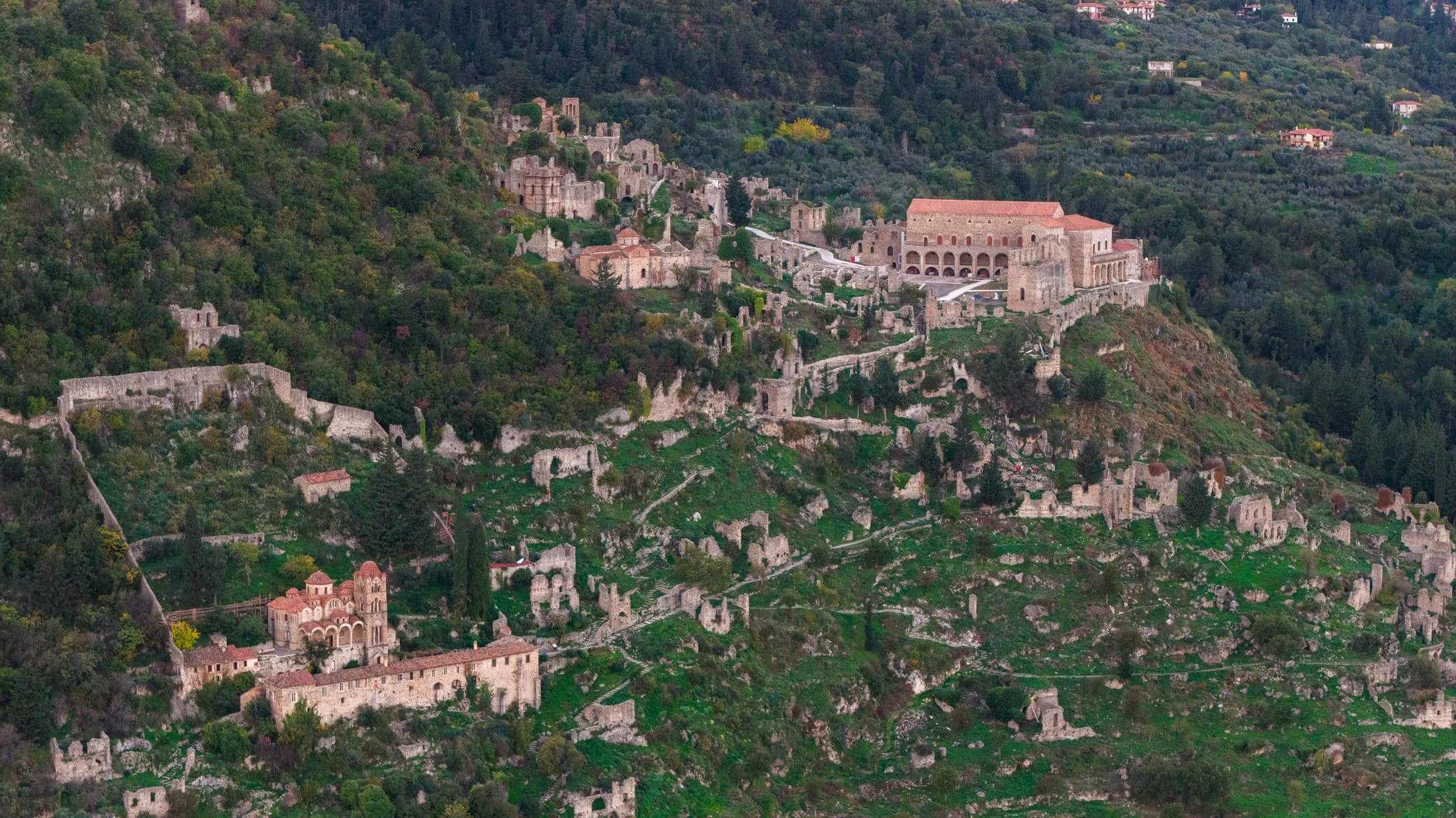
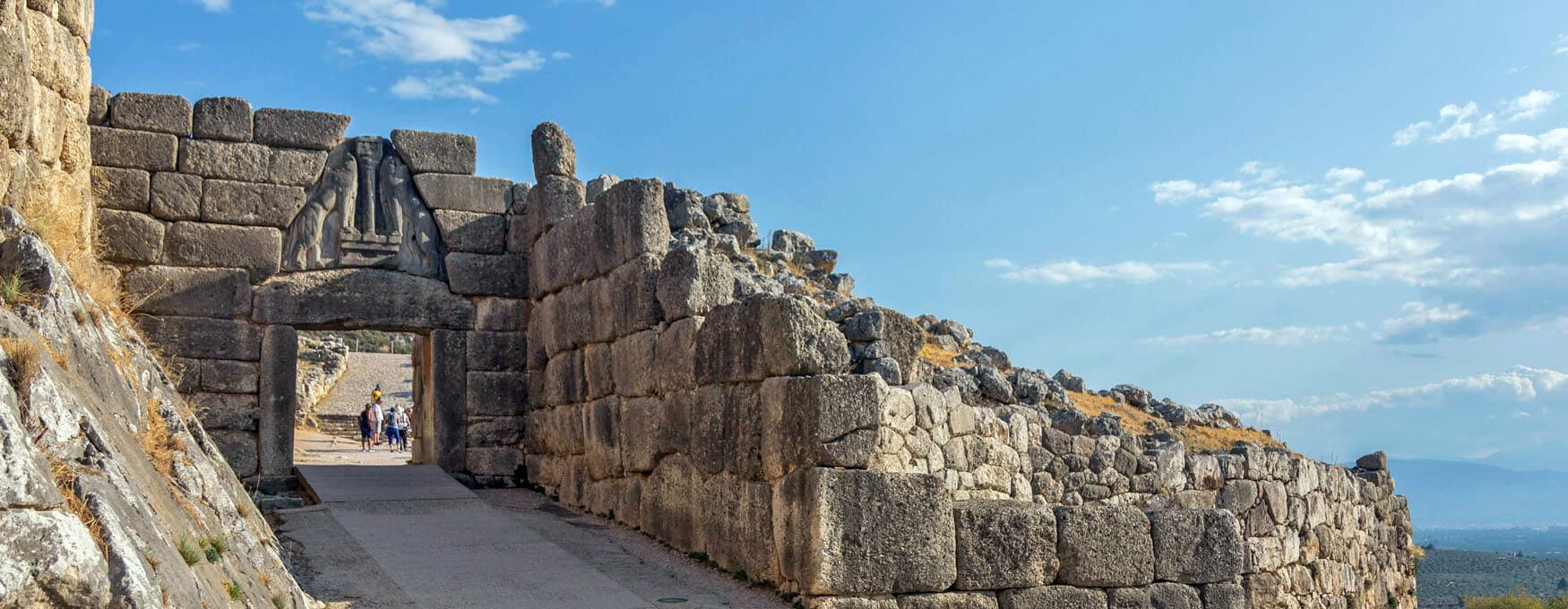
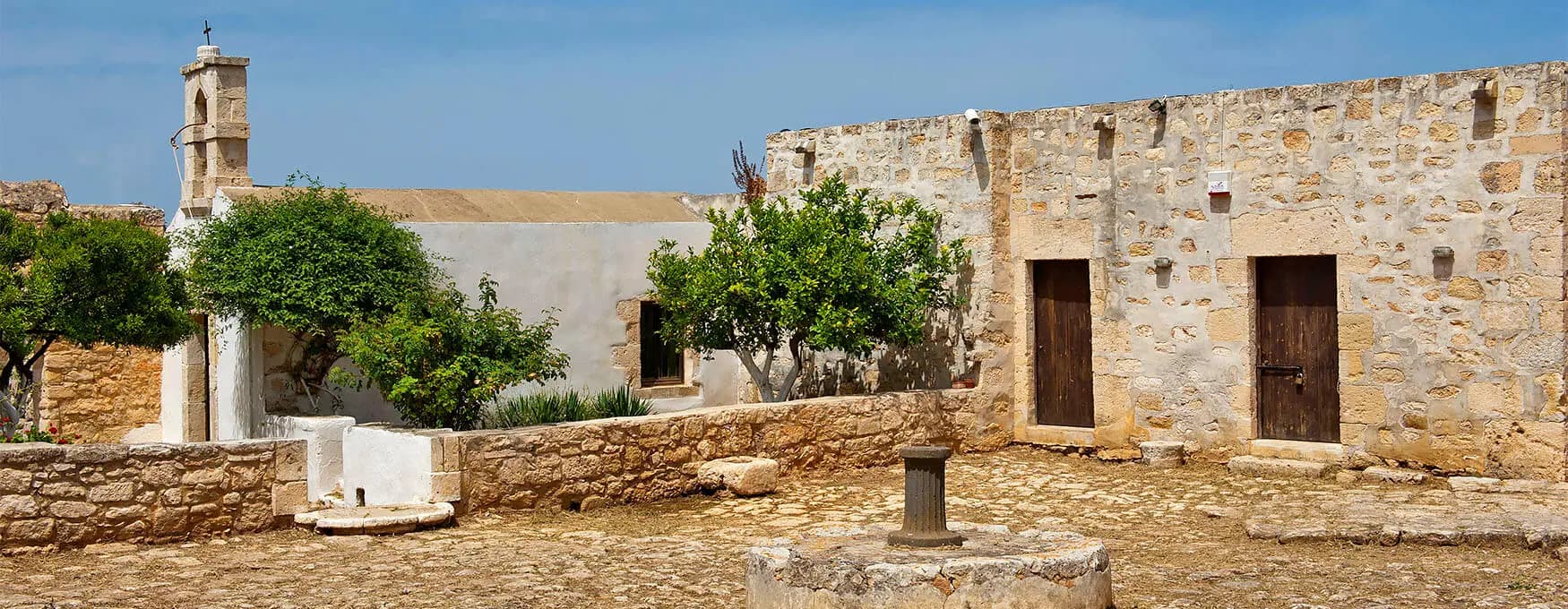
The urban topography is completed by monuments from later periods: the Frankish Quarter, Venetian and Ottoman remains, and sections of fortifications that bear witness to the region’s long and uninterrupted habitation.
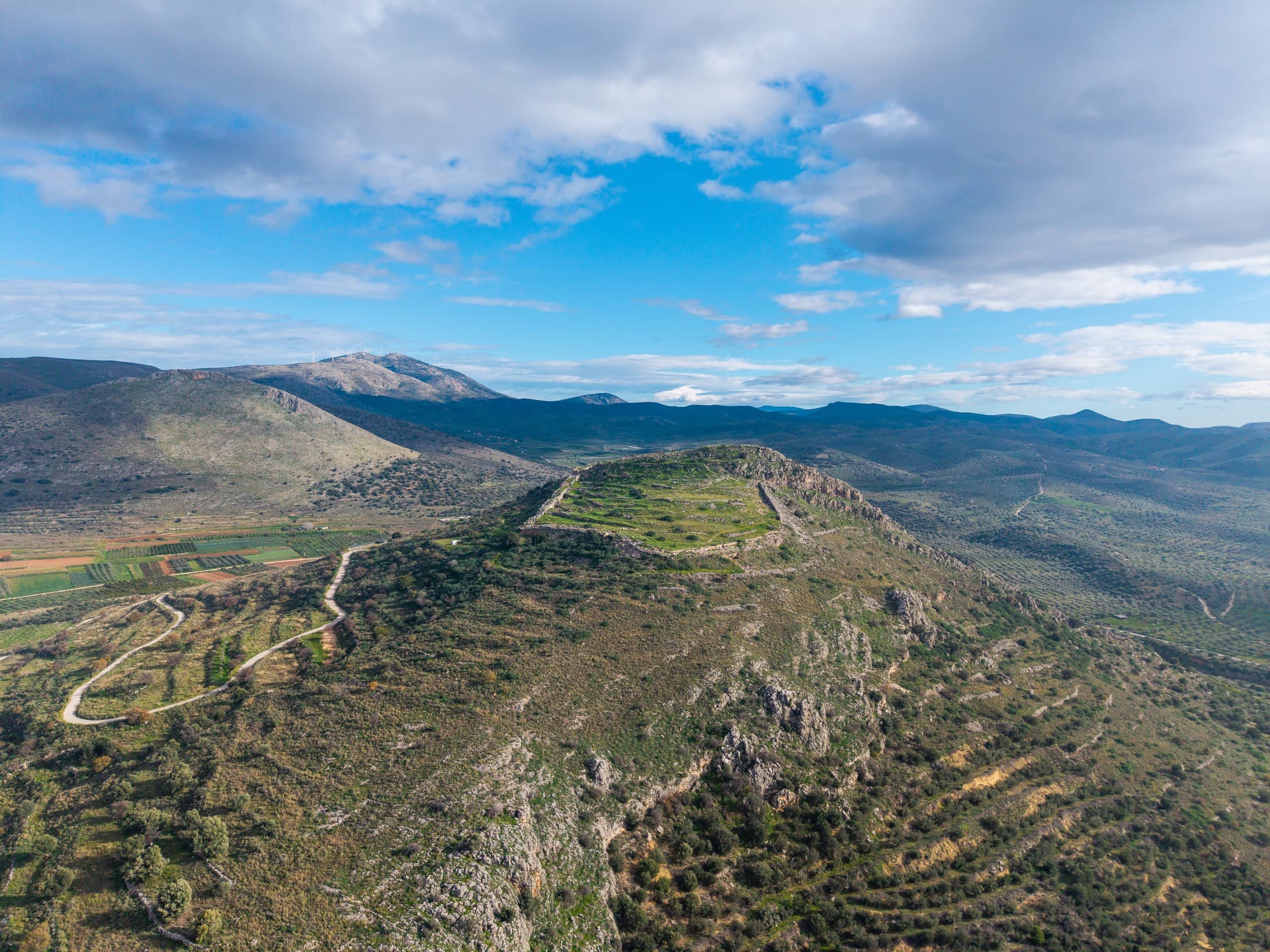
Combine your visit to the archaeological site with an ascent to Acrocorinth to fully grasp the strategic relationship between the city and its fortress.
The organised archaeological site extends across the northern foothills of Acrocorinth, centred around the archaic Temple of Apollo, which has dominated the landscape with its monolithic Doric columns since the 6th century BC. Surrounding it lies the Roman Forum, one of the most extensive public spaces ever unearthed in Greece.
The ruins highlight the complex and multi-layered nature of Ancient Corinth. Temples, stoas, fountains, bath complexes, and public buildings coexisted with workshops, pottery kilns, and cemeteries, reflecting a city in constant operation.
To the south of the main site, the Theatre, the Roman Odeon, and the extensive Sanctuary of Asclepius and Hygeia—one of Corinth’s most significant healing centres, active for over eight centuries—have been brought to light.
The urban topography is completed by monuments from later periods: the Frankish Quarter, Venetian and Ottoman remains, and sections of fortifications that bear witness to the region’s long and uninterrupted habitation.
Combine your visit to the archaeological site with an ascent to Acrocorinth to fully grasp the strategic relationship between the city and its fortress.