Corinth
29°C
Corinth
- 18/07/2026
- Humidity 60%
- Wind speed 7.3 km/h
Ancient glamour, mountains, and the sea
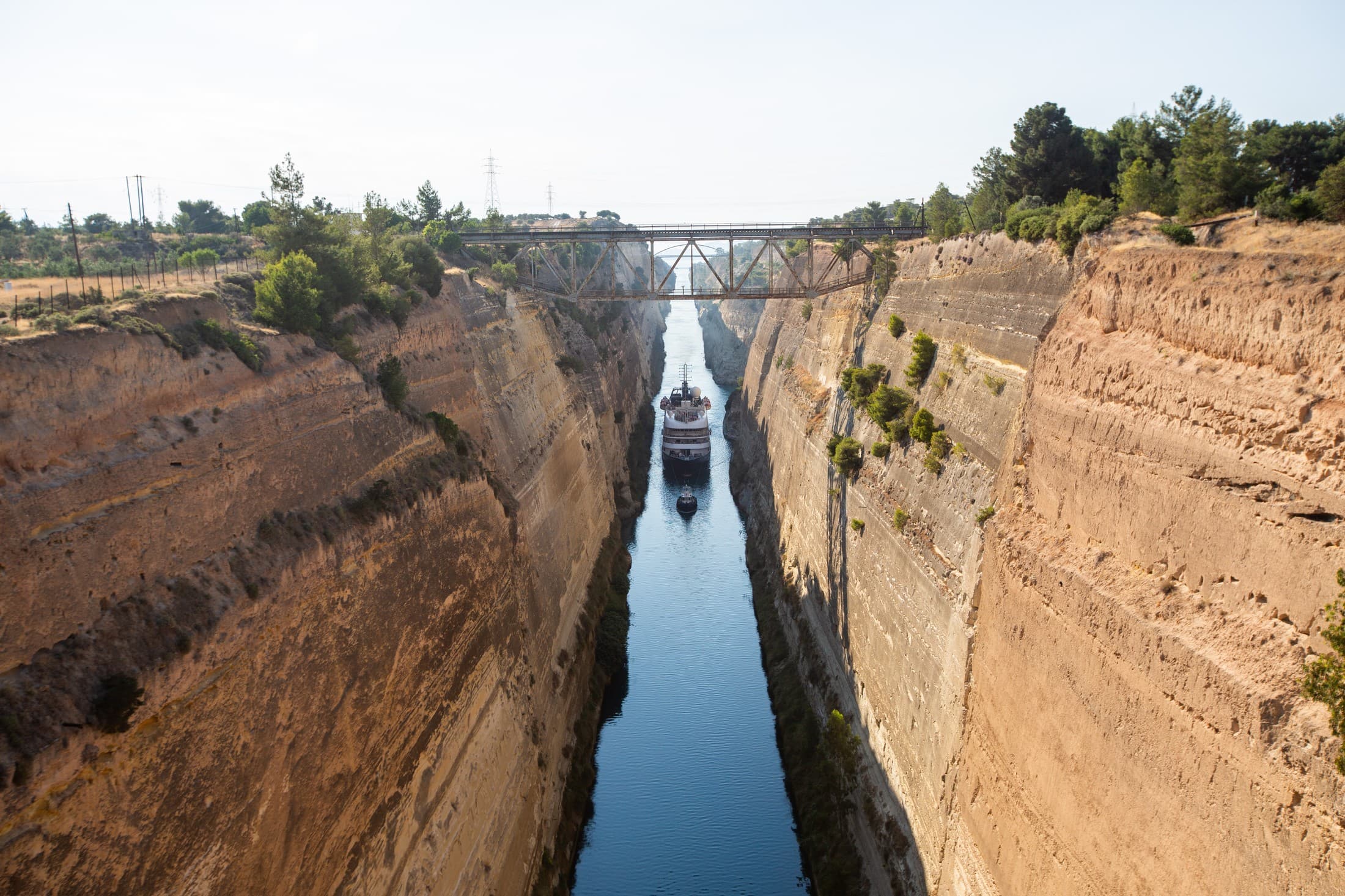
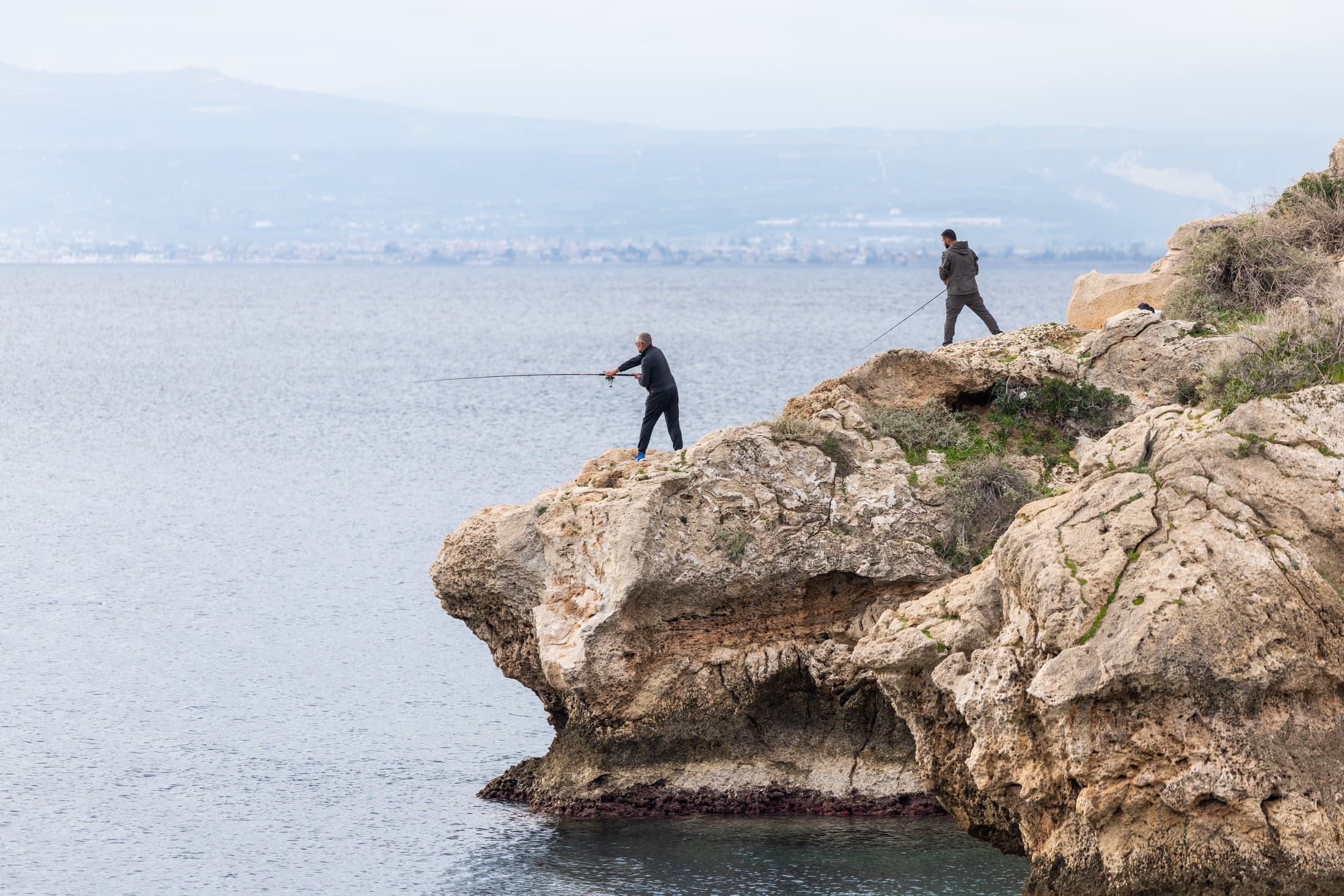
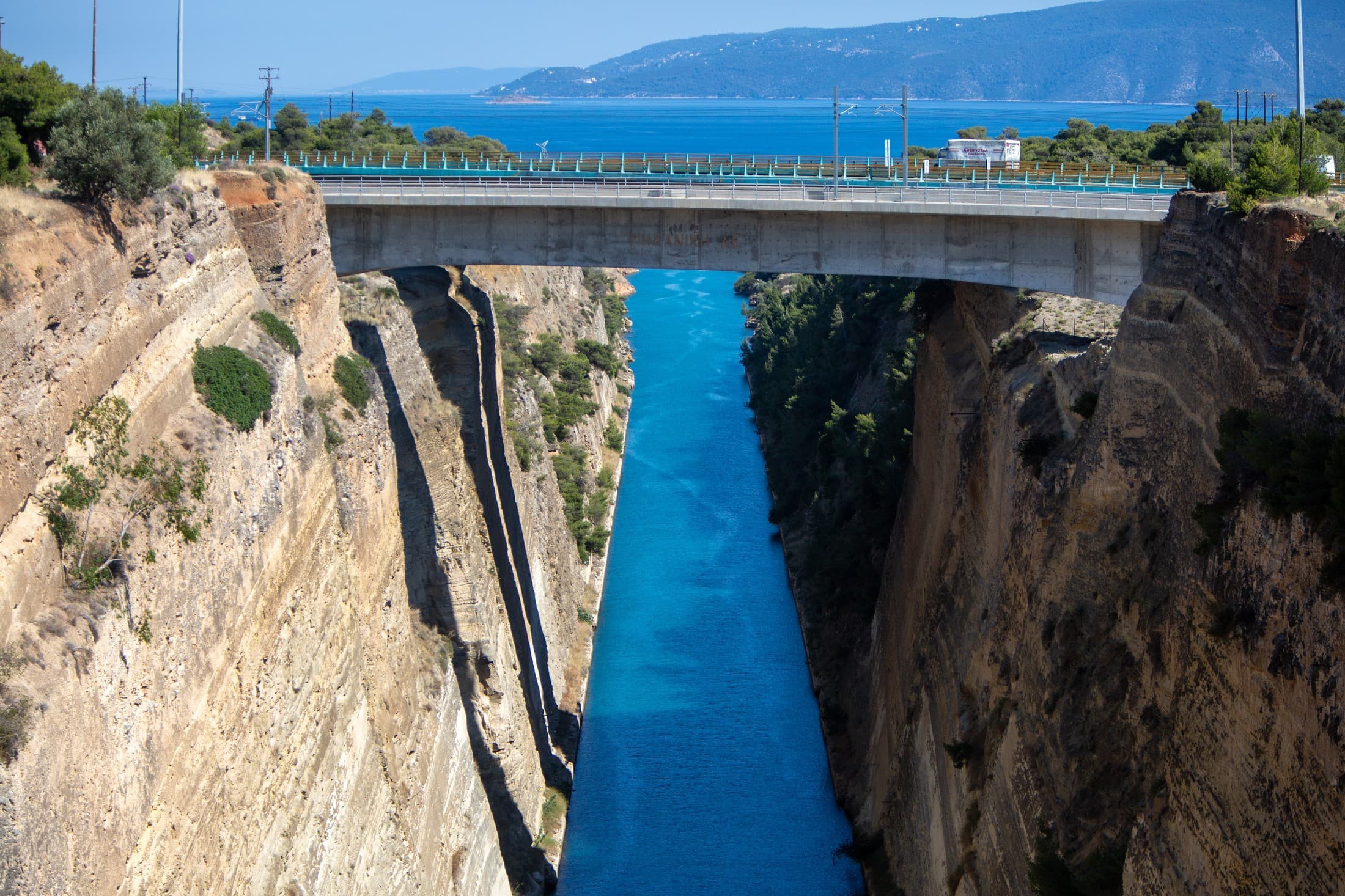
Today, Corinth is open to all visitors, combining a rich history, beautiful seas, high mountains, and an impressive variety of landscapes.
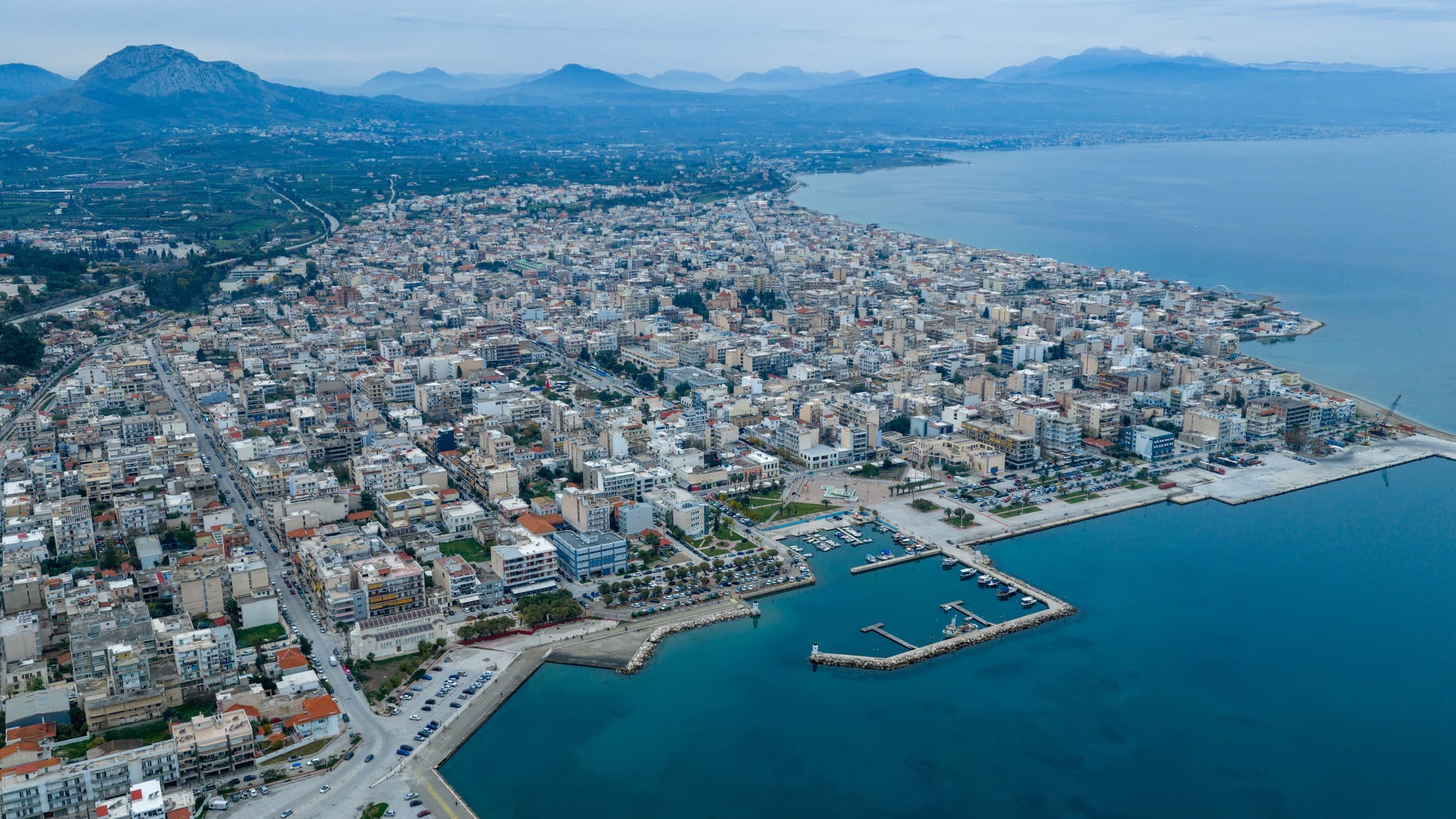
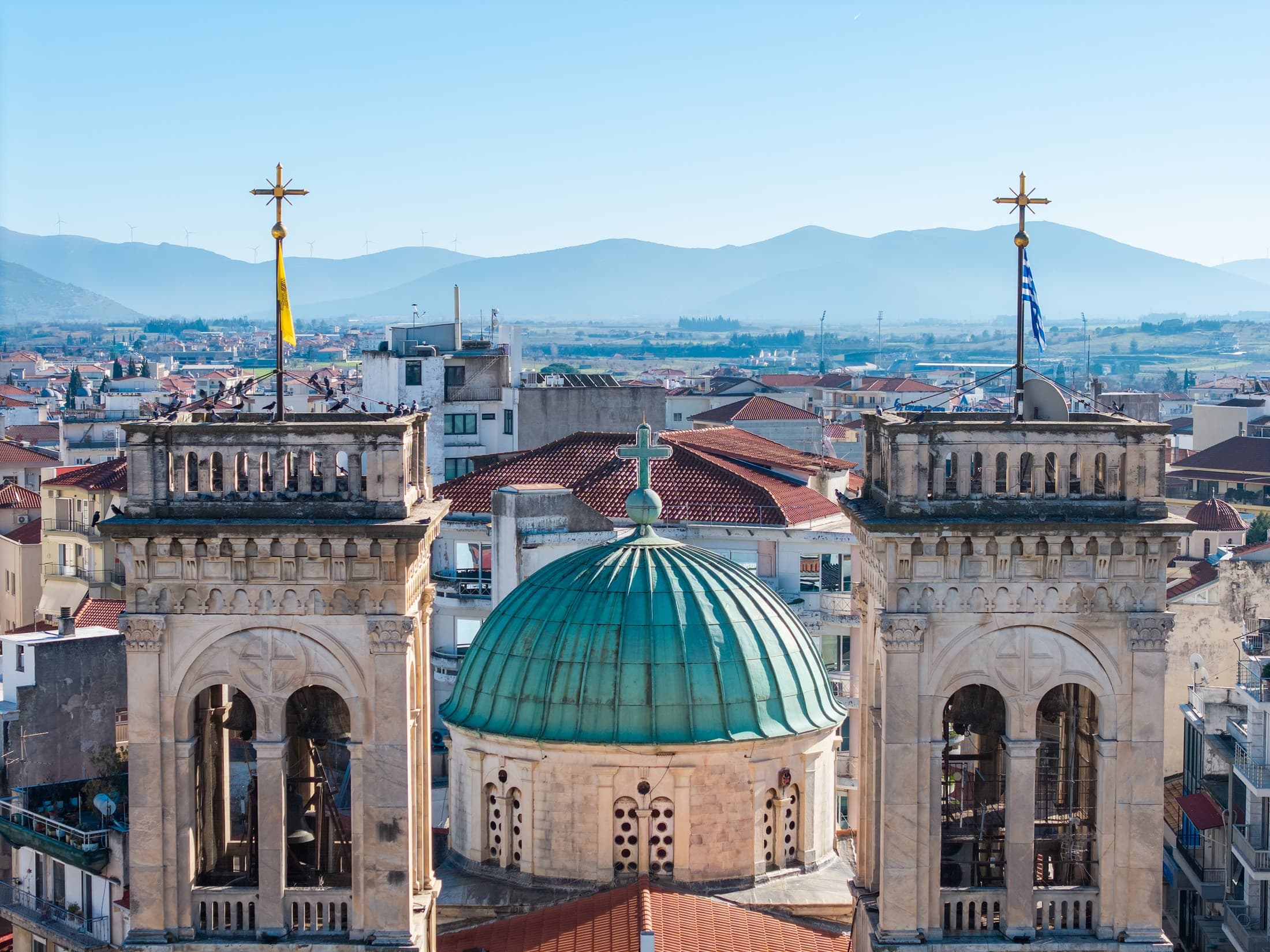
Built by the sea, the modern city was reborn after the great earthquake of 1858 and features excellent urban planning, beautiful parks, squares, and a vibrant harbour. Its pedestrianised centre is ideal for walks, shopping, and relaxation.
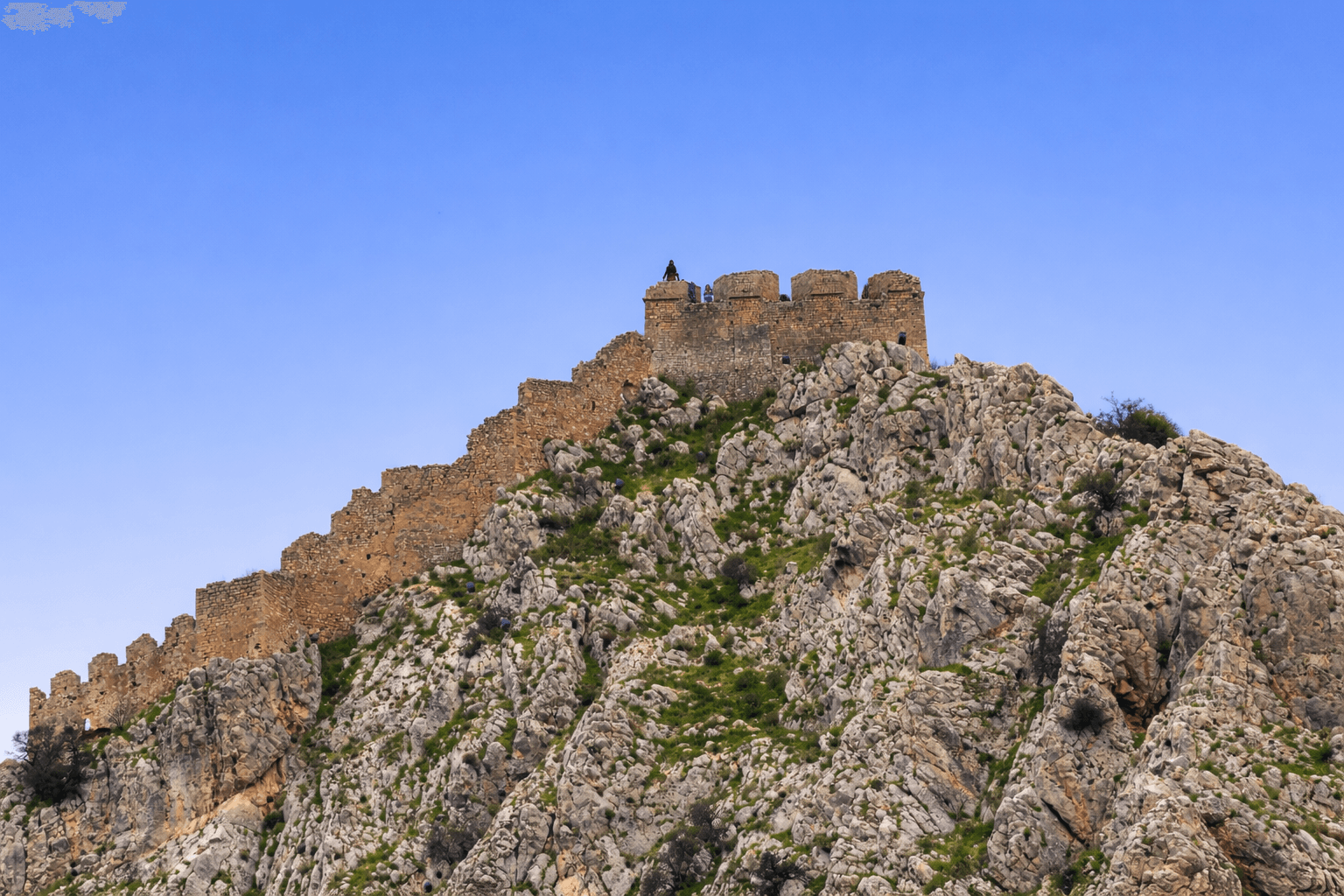
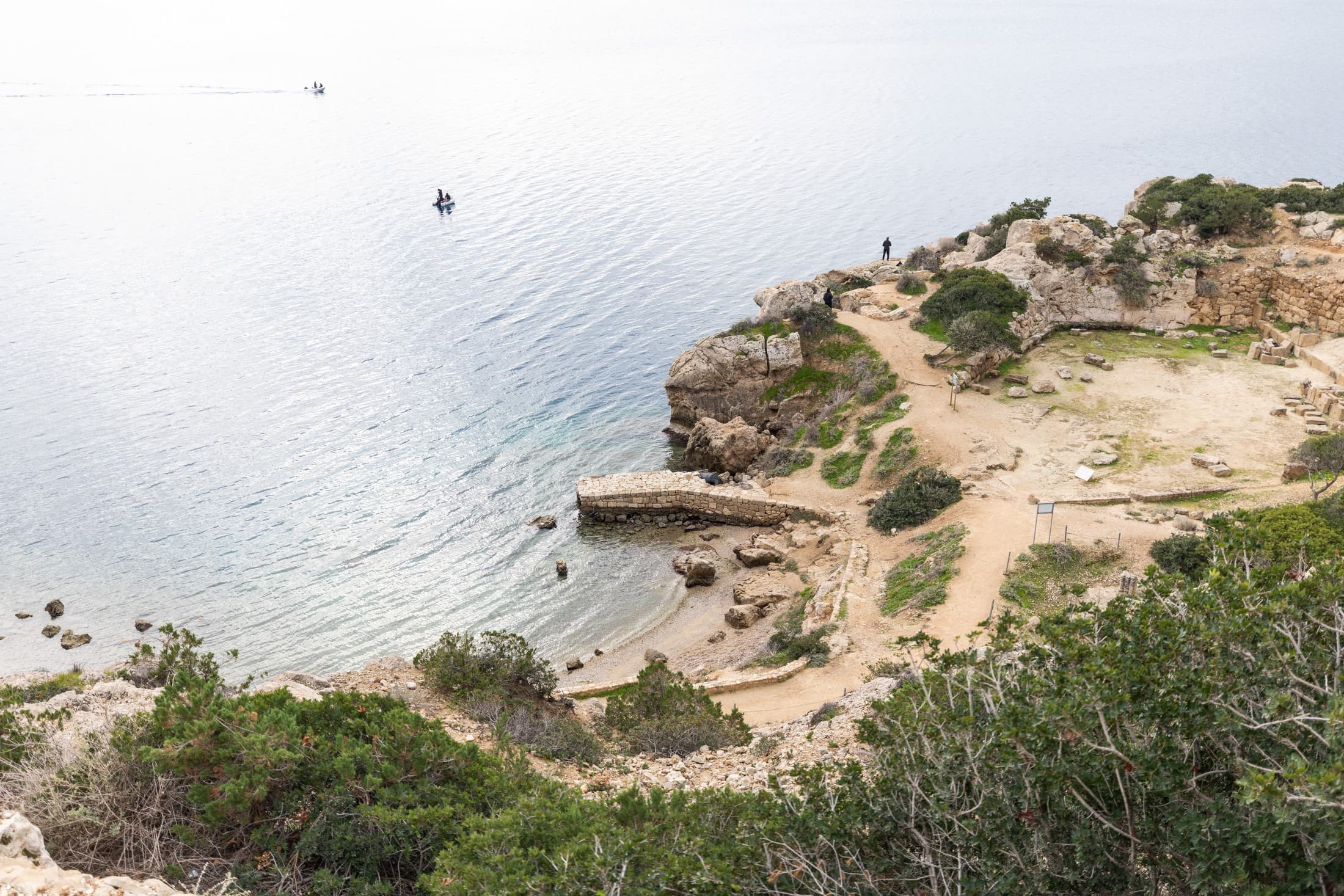
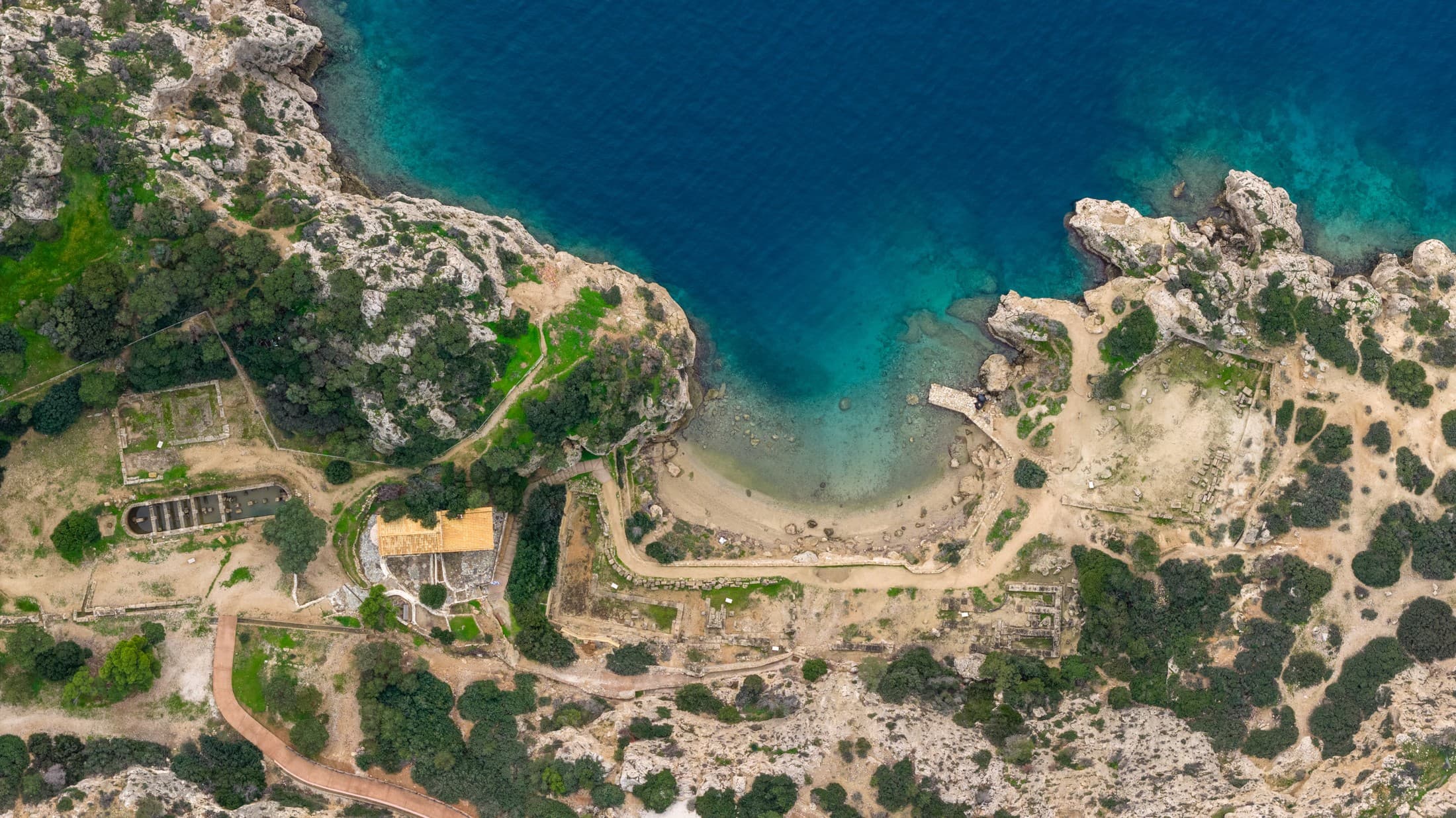
Its historical sites and monuments, such as the archaeological site of Ancient Corinth with the temple of Apollo, bear witness to its glorious past.
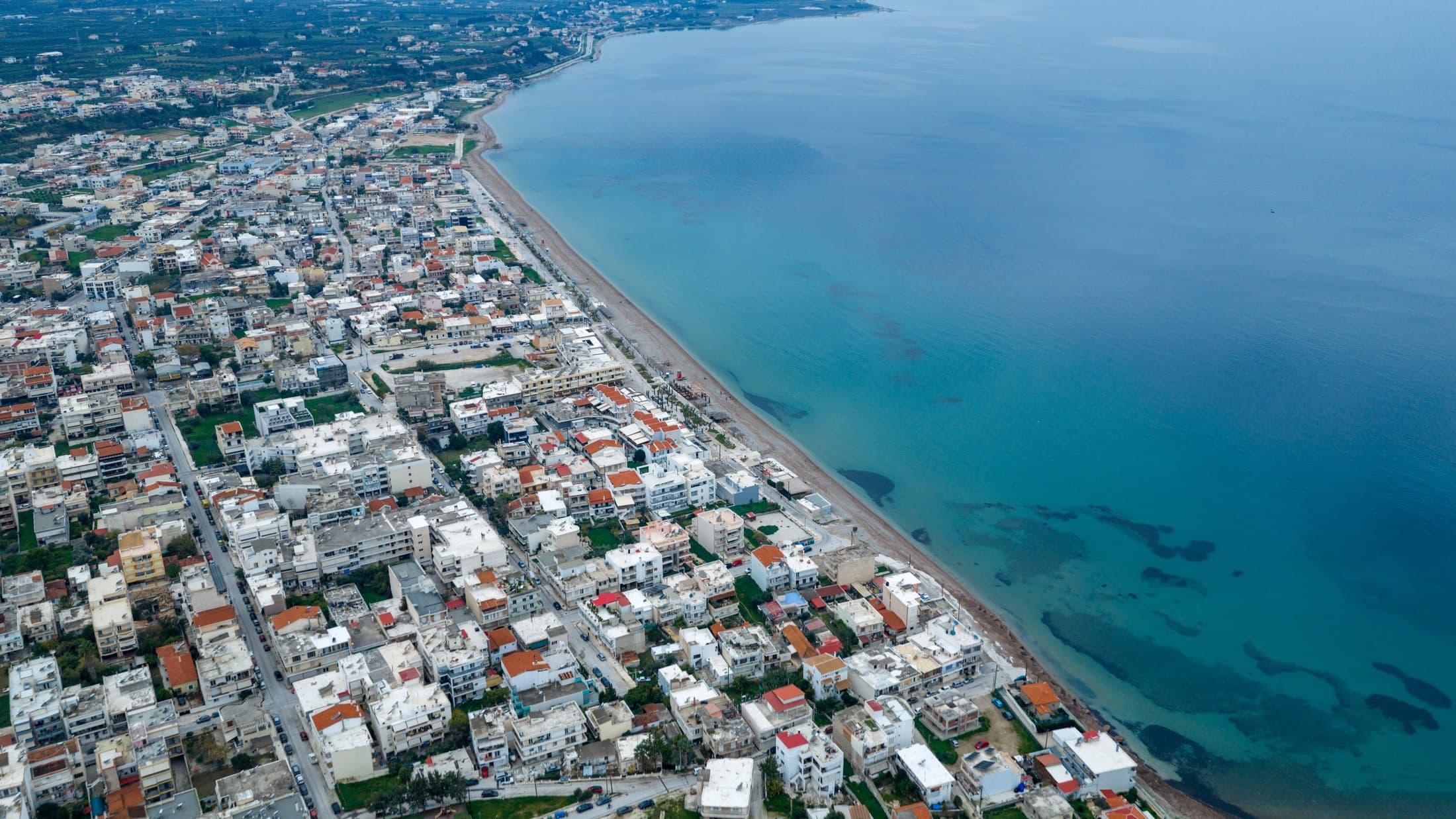
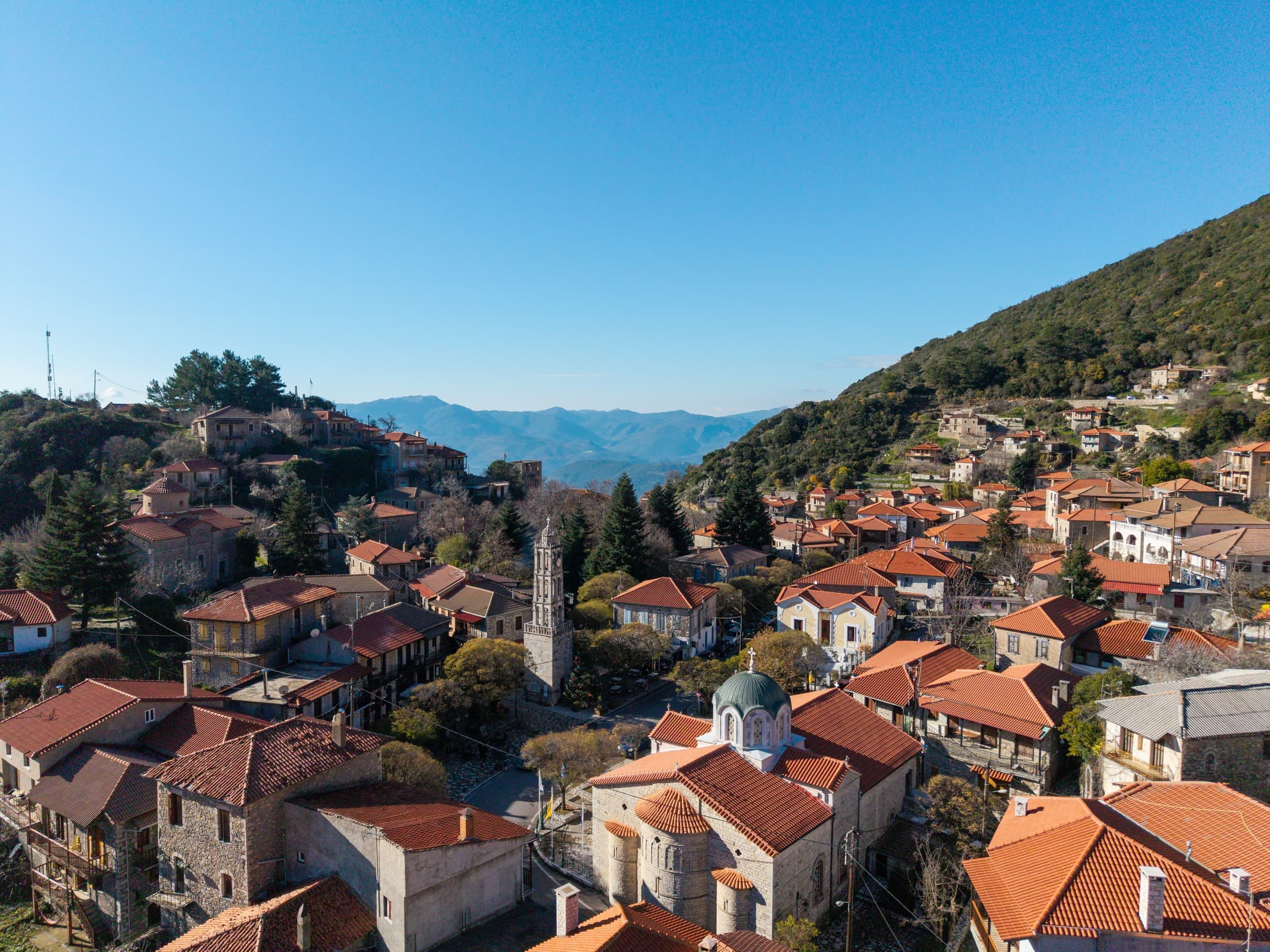
Corinthia is an ideal destination all year round. Wonderful beaches and luxury resorts stretch out in the lowlands on both the Gulf of Corinth and Saronic Gulf, among the orange, lemon, apricot, and olive trees. In the highlands, on the slopes of the fir-covered Ziria, the second highest mountain in the Peloponnese, the nature feels alpine. Here there are lakes, picturesque villages with exceptional architecture, and beautiful squares with plane trees.
Allow Corinthia to seduce you, with its sea, high mountains, lakes, and ancient myths, all becoming part of your most incredible memories and excursions.
Snapshots
Postcards from a land of endless beauty.
Signature Experiences
Get a glimpse of the Greek way of life

How to get there?
By Bus
Intercity KTEL buses connect Corinth with Athens, Patra, and nearby towns. Daily services from Athens take approximately 1–1.5 hours, while buses from Patra take around 2.5–3 hours, providing a reliable option for travelers without a car.
Nearby Escapes
Discover hidden gems just a short journey away
View All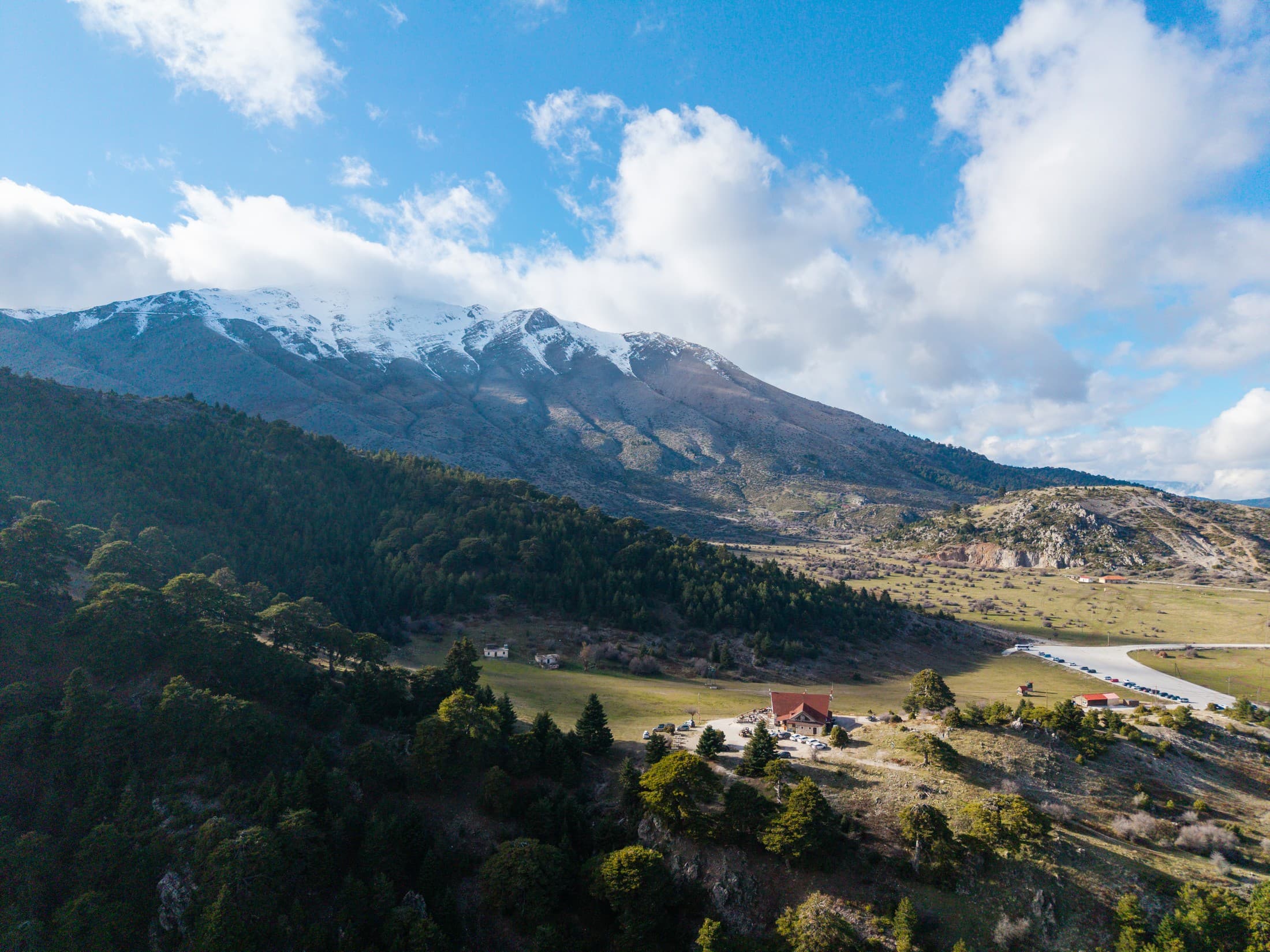
Let Greece inspire you!
Subscribe to our newsletter and discover unique ideas and hidden treasures for your next trip.