Kalabaka
25°C
Kalabaka
- 18/07/2026
- Humidity 71%
- Wind speed 5.4 km/h
At the foothills of the Meteora wonder
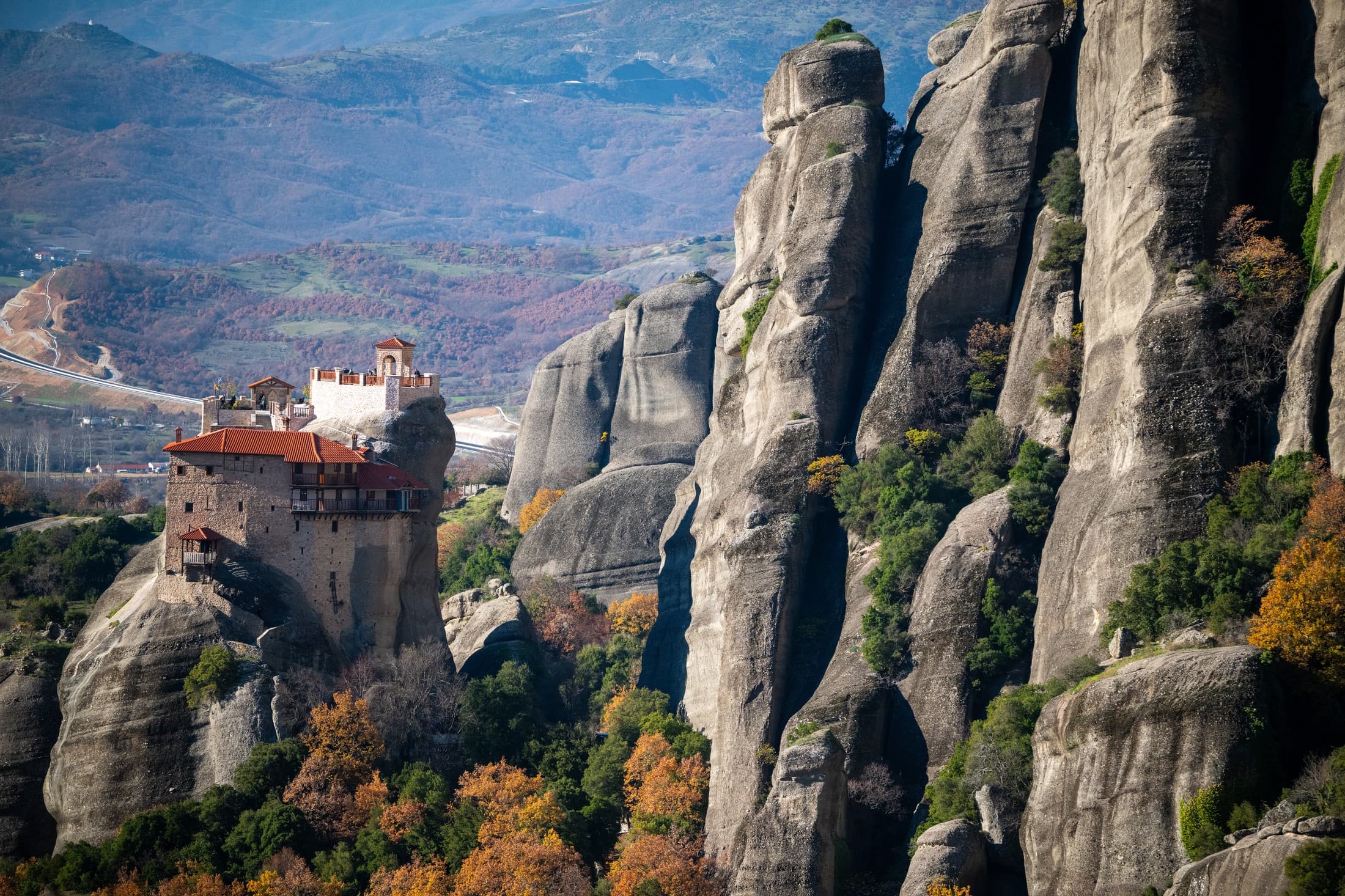
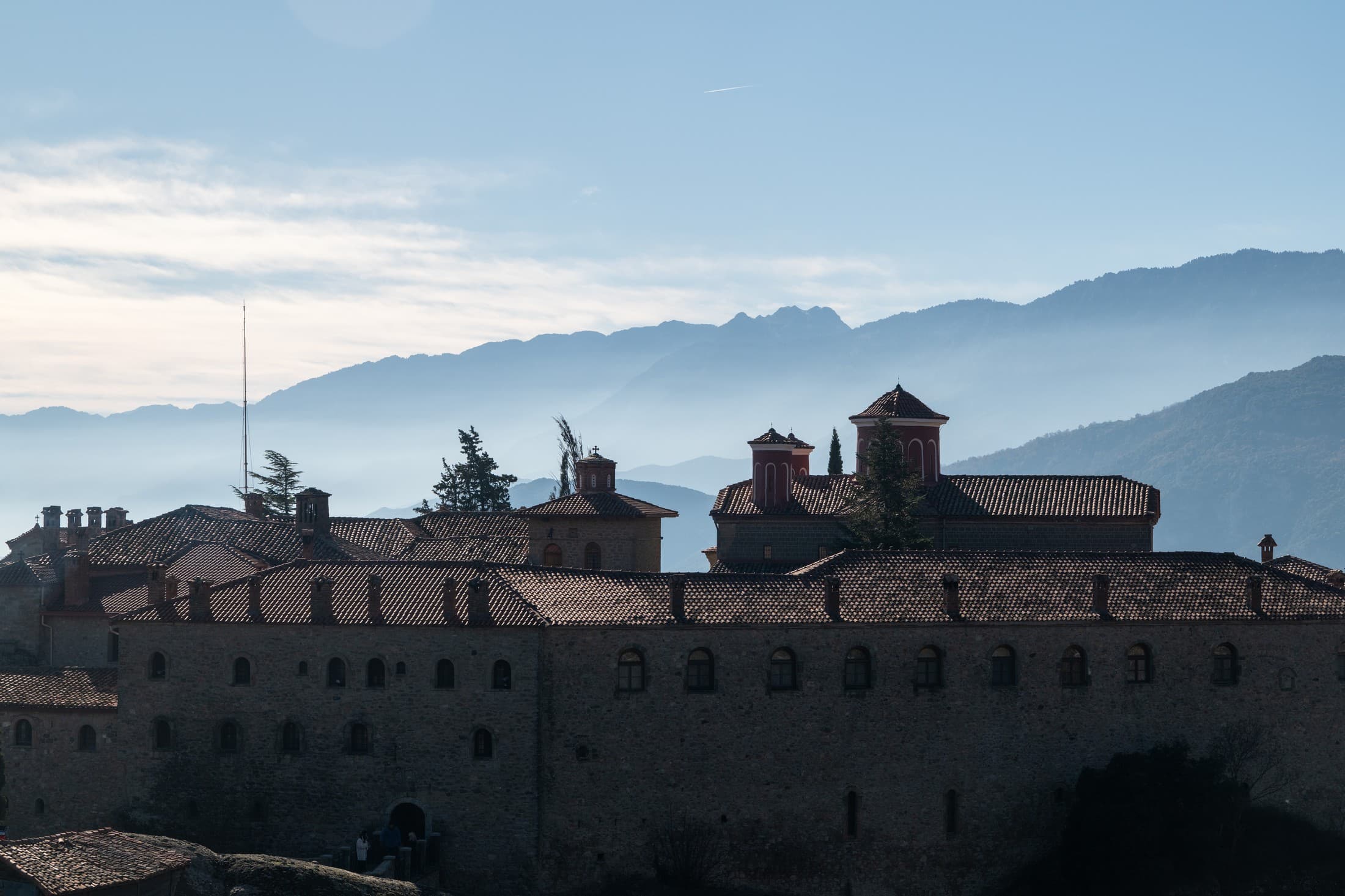
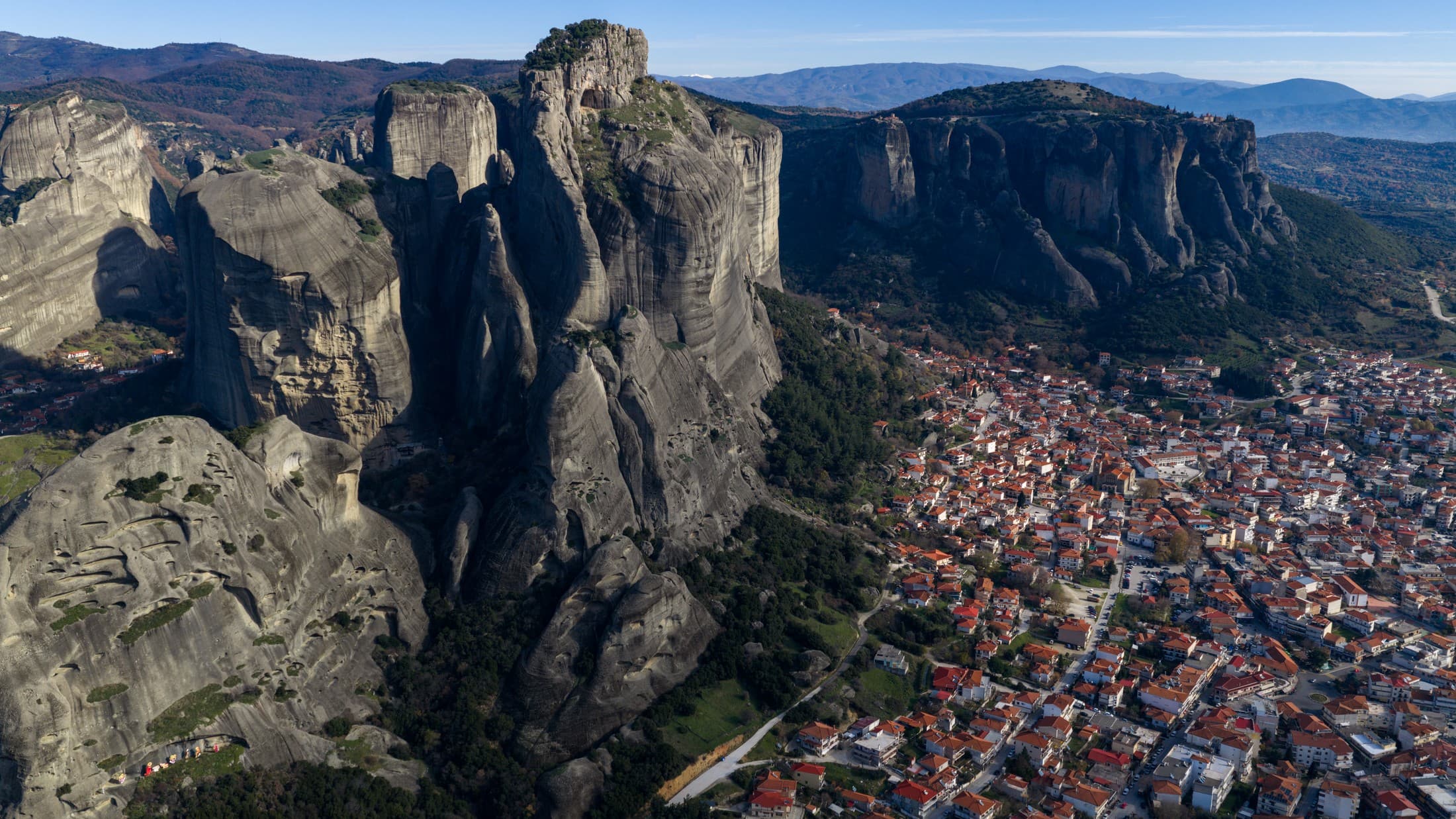
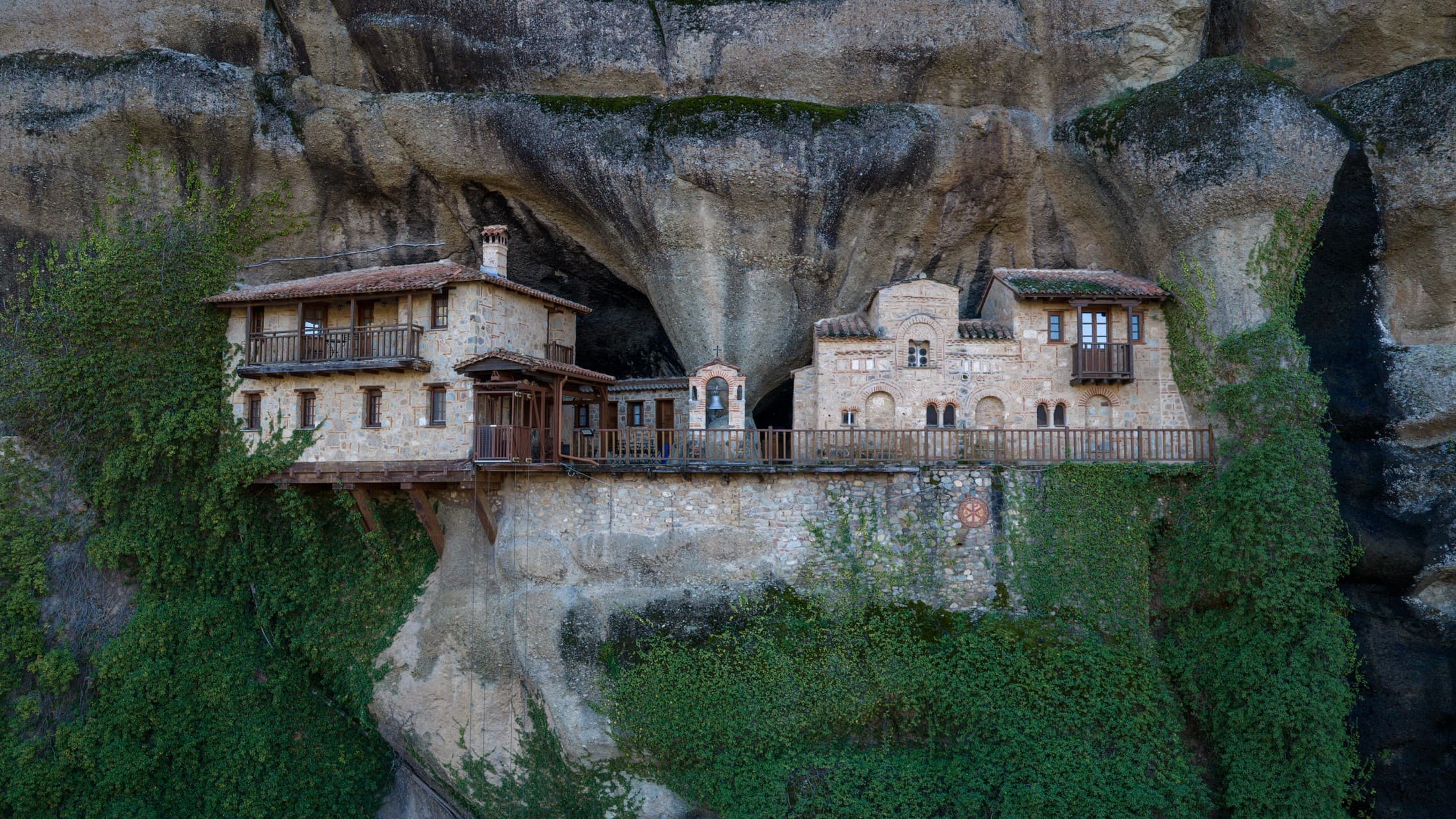
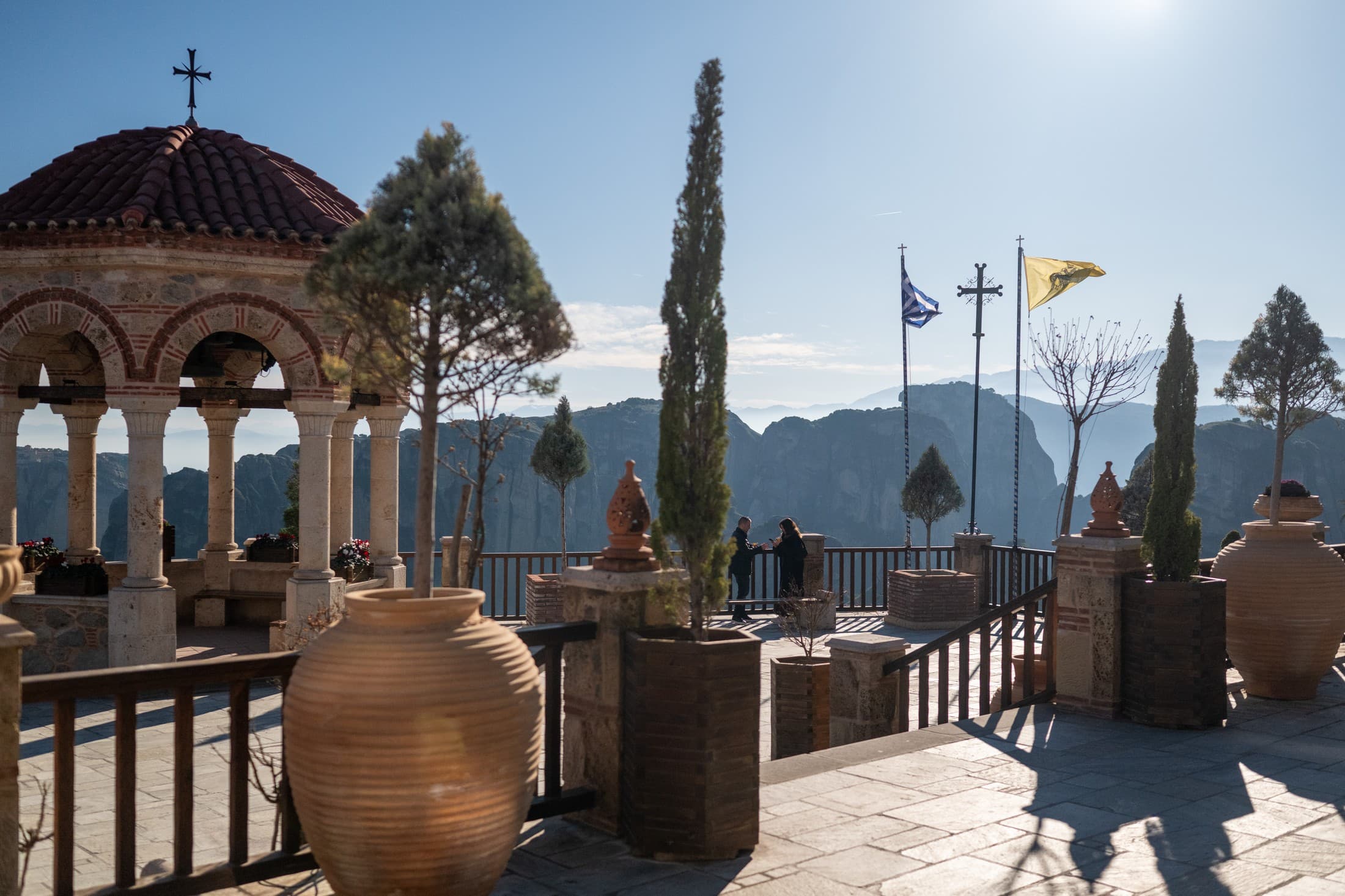
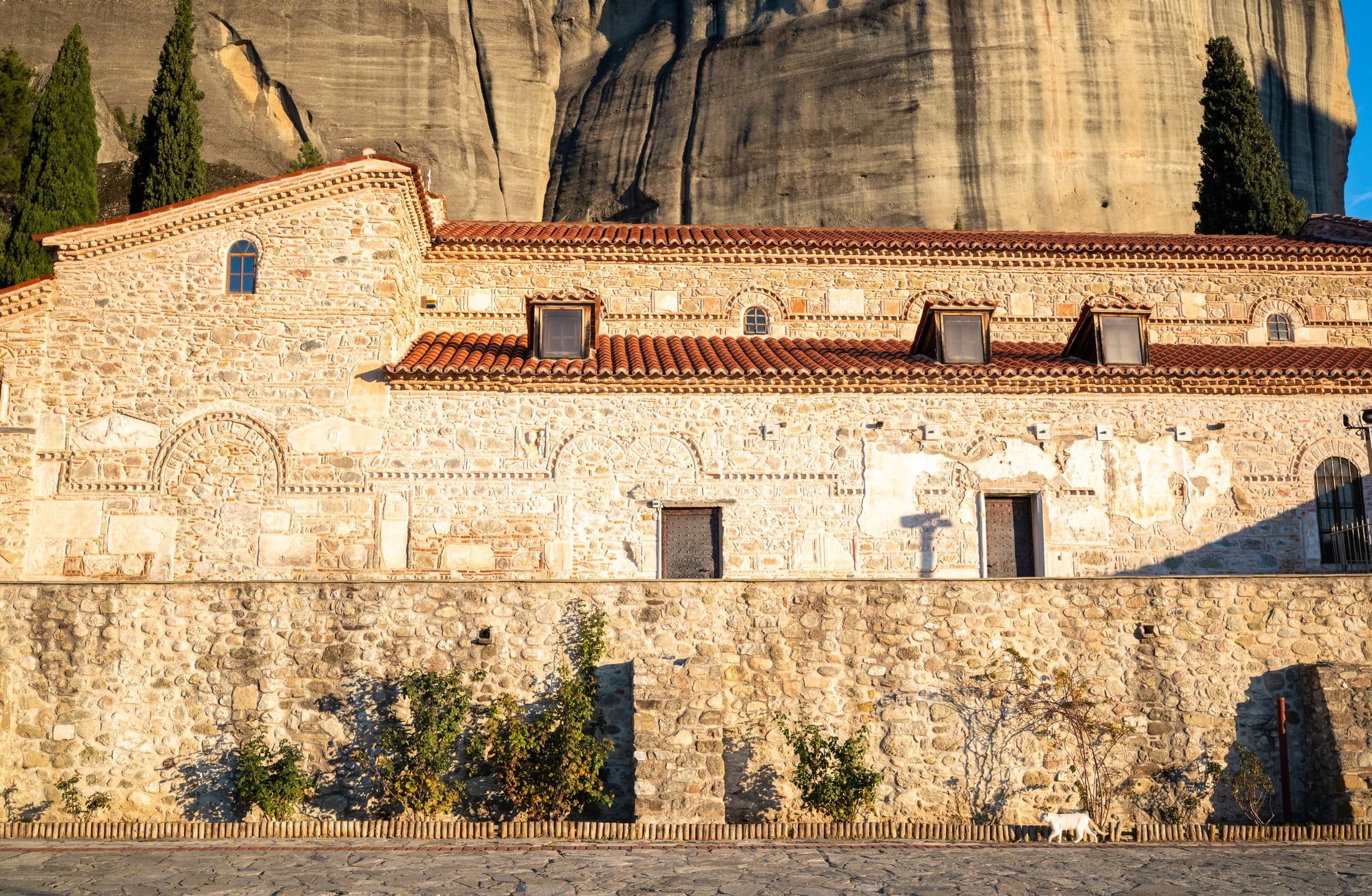
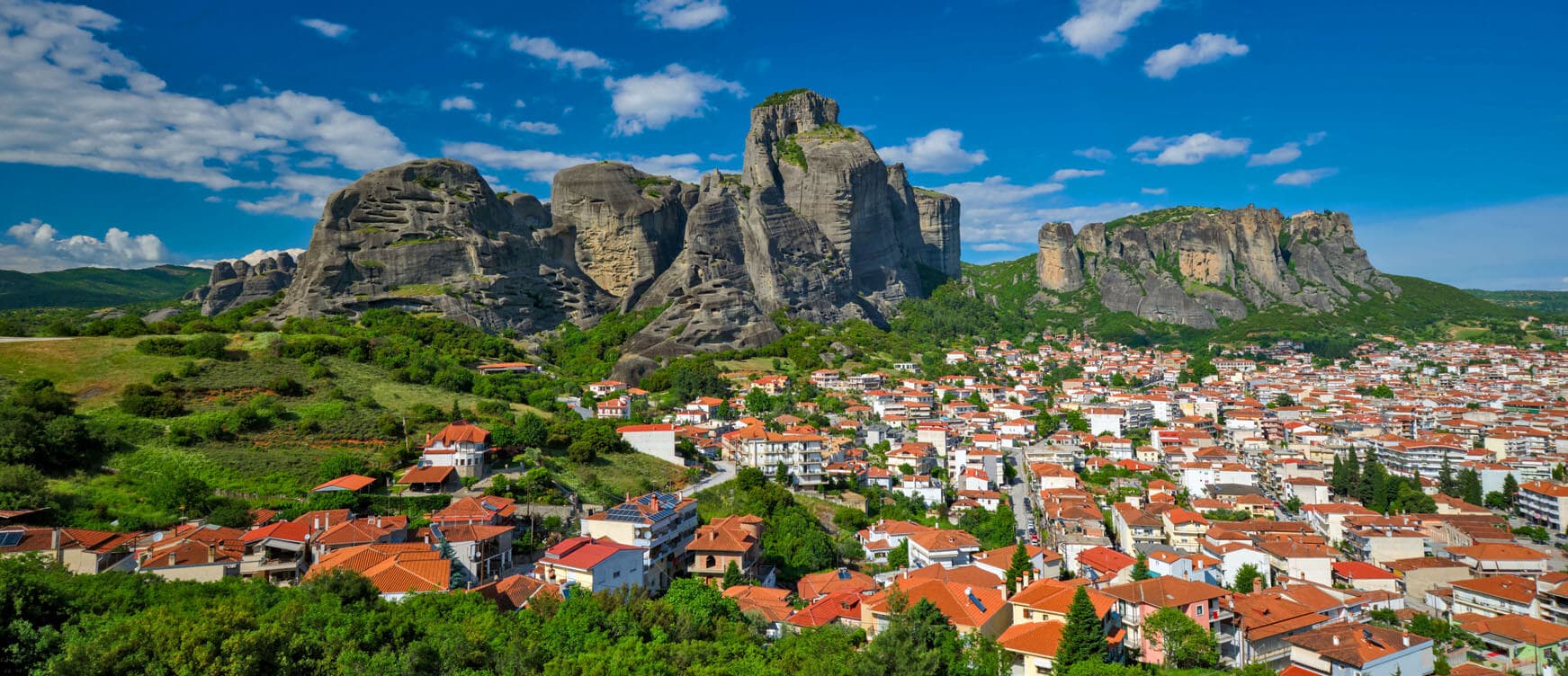
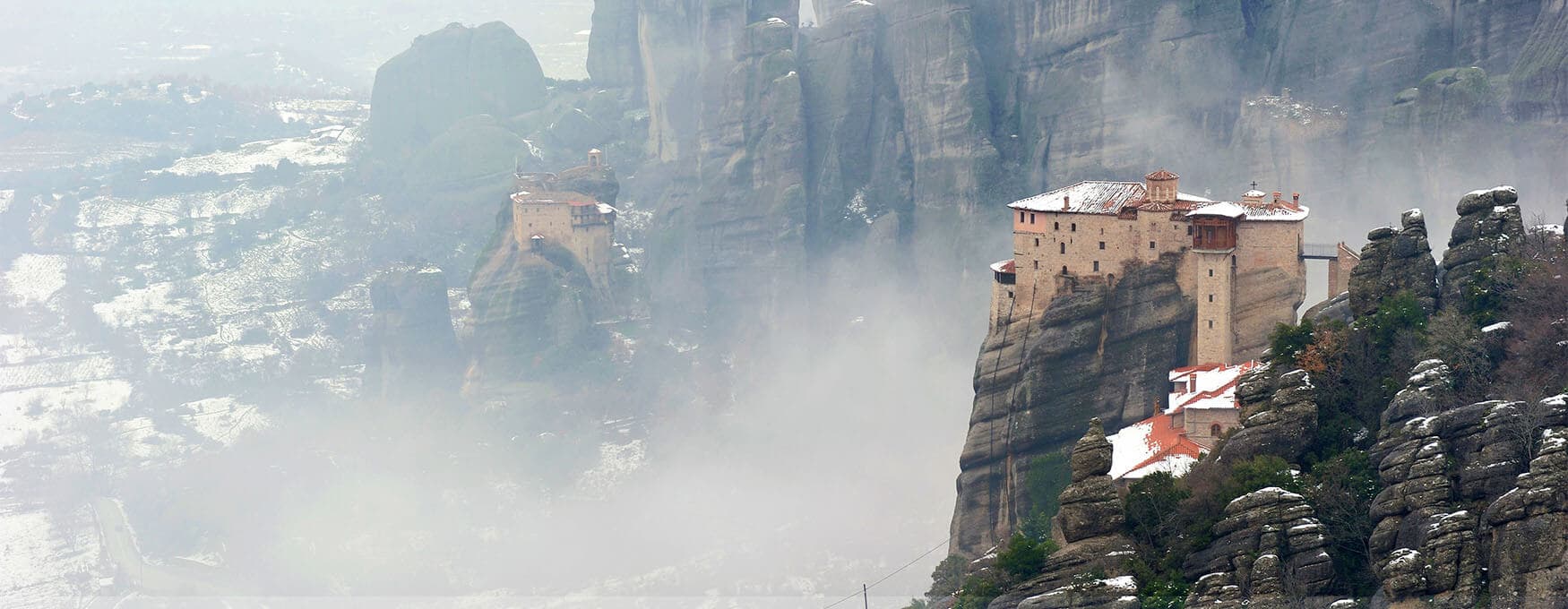
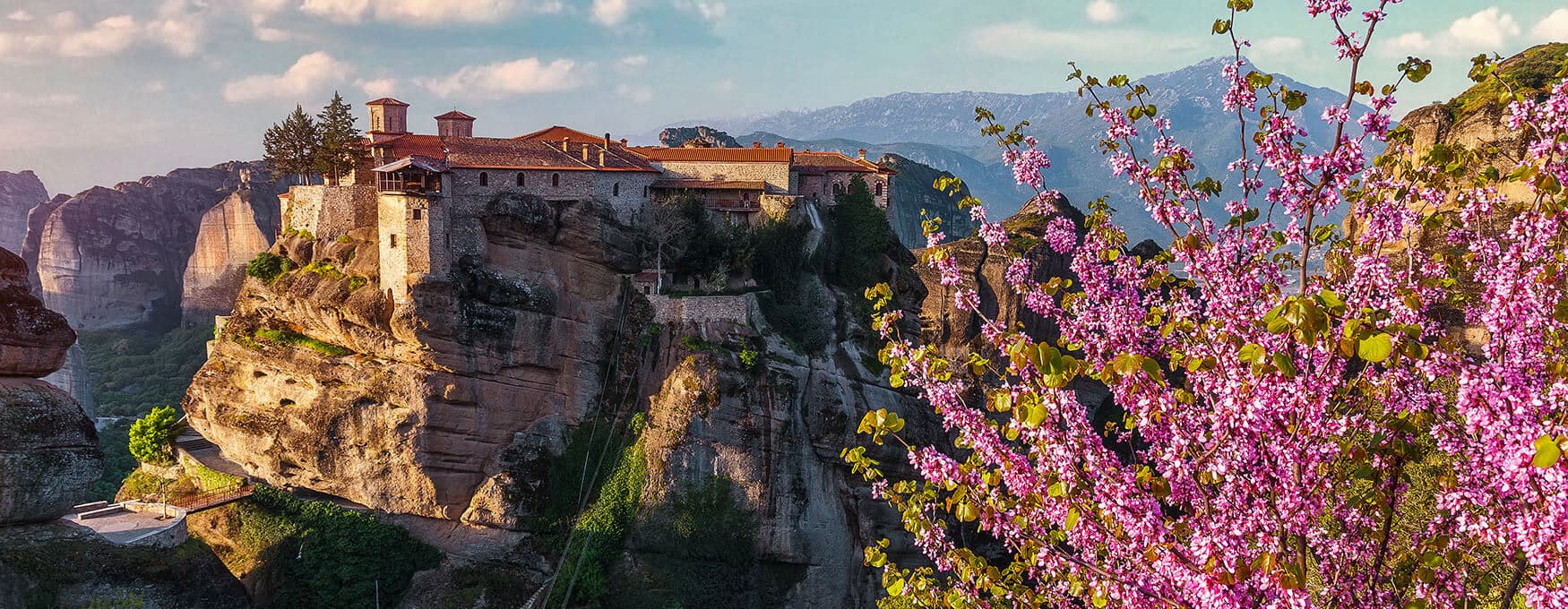
Present-day Kalabaka serves as a gateway to Meteora, an awe-inspiring geological formation. The colossal rocks, otherworldly and seemingly suspended in mid-air, are home to historic monasteries perched atop their peaks, which represent some of the most significant monastic centres of Orthodoxy. From the 11th century, when the first hermits settled there, to its peak in the 13th and 14th centuries, Meteora evolved into a place of spiritual practice, seclusion and creation.
Today, the entire Meteora complex has been recognised as a UNESCO World Heritage Site and ranks among the world’s most significant cultural and natural monuments. Kalabaka, set against the backdrop of the rocks and the Pinios River flowing through it, offers visitors an experience where nature, history and spirituality co-exist in perfect harmony.
Snapshots
Postcards from a land of endless beauty.
Signature Experiences
Get a glimpse of the Greek way of life
How to get there?
By Bus
Intercity KTEL buses connect Kalabaka with Athens, Thessaloniki, Trikala, and nearby towns. Daily services from Athens take approximately 4.5–5 hours, while buses from Thessaloniki take about 3–3.5 hours, offering a reliable option for travelers without a car.