The Ottoman fortress that marked the history of Pylos
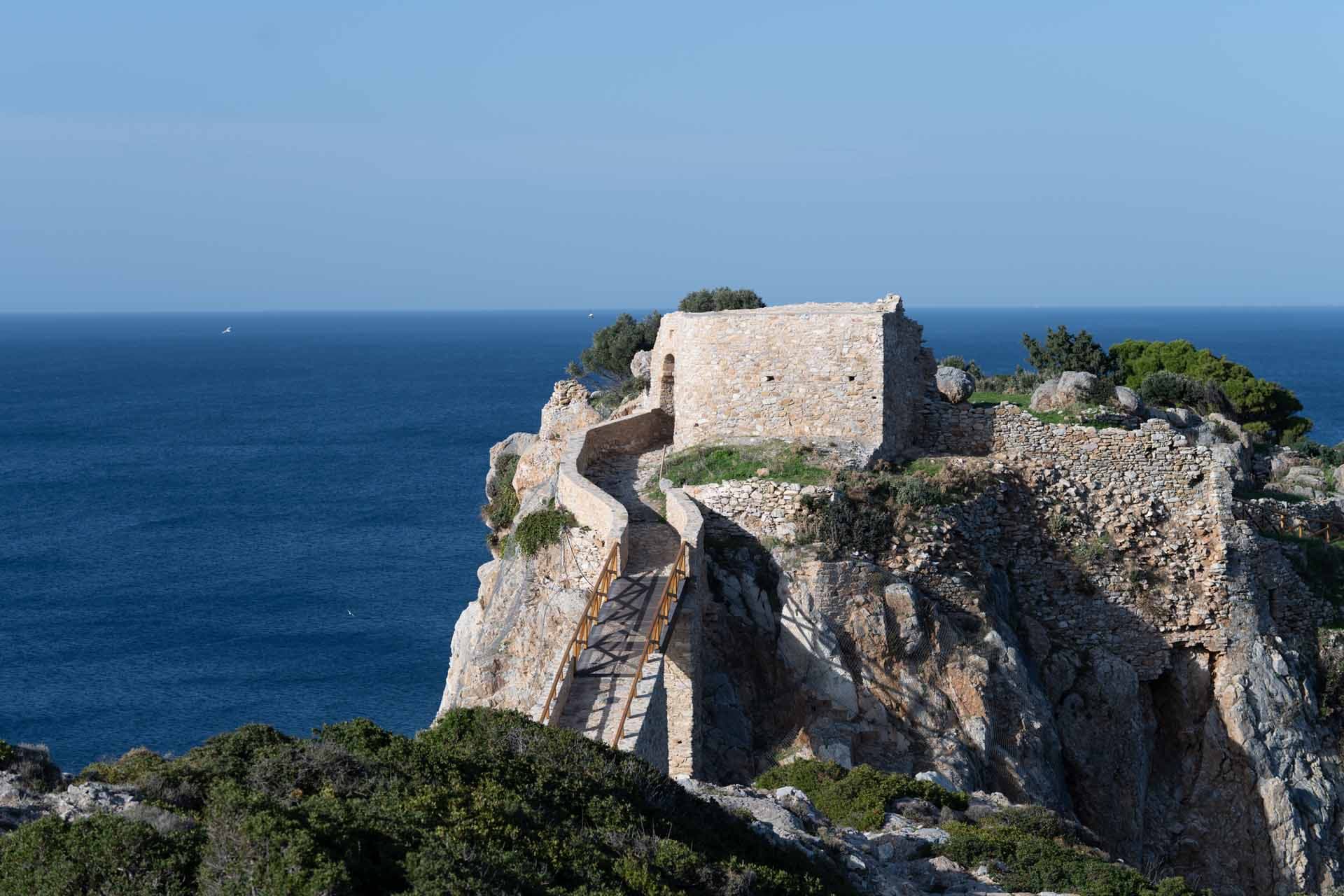
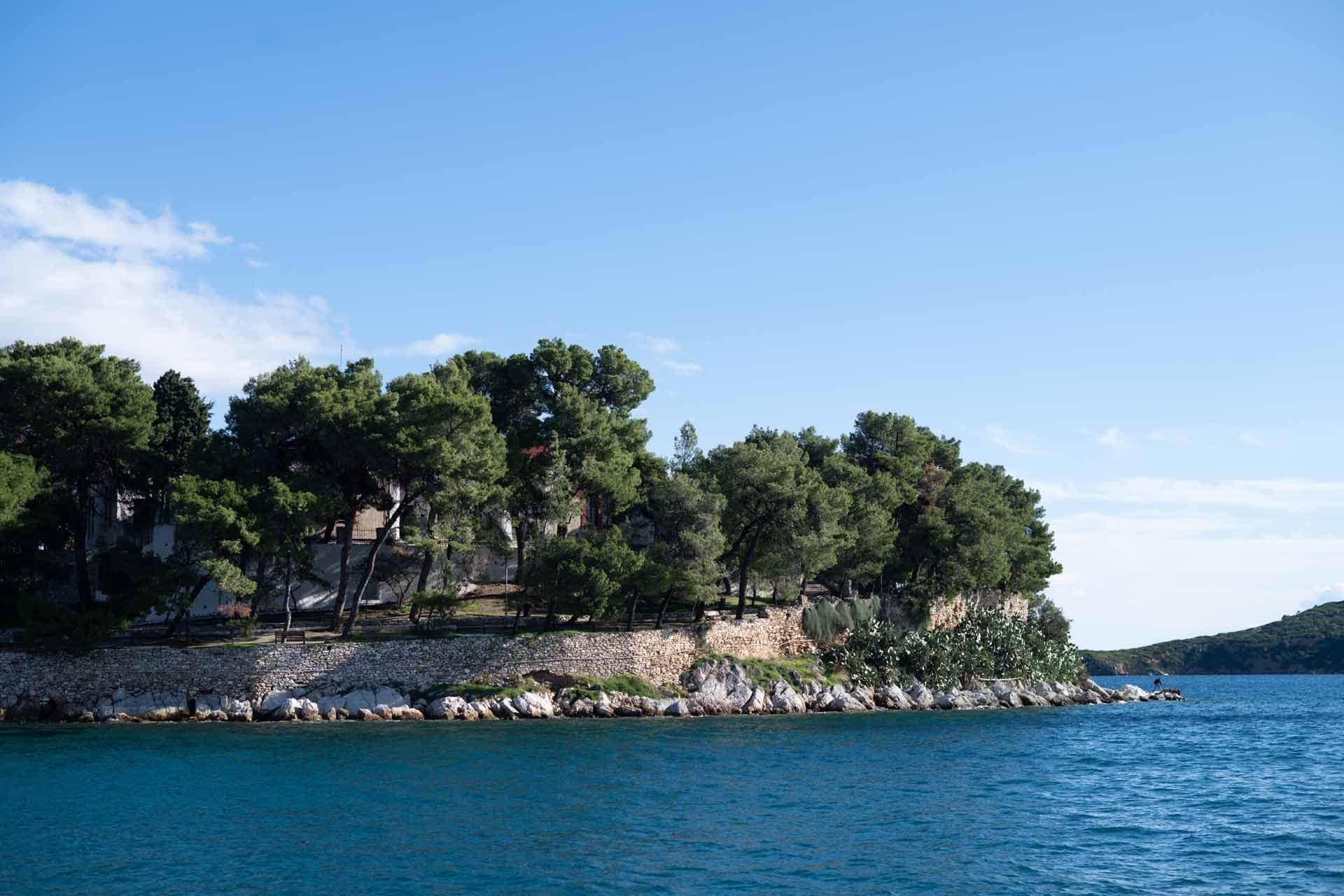
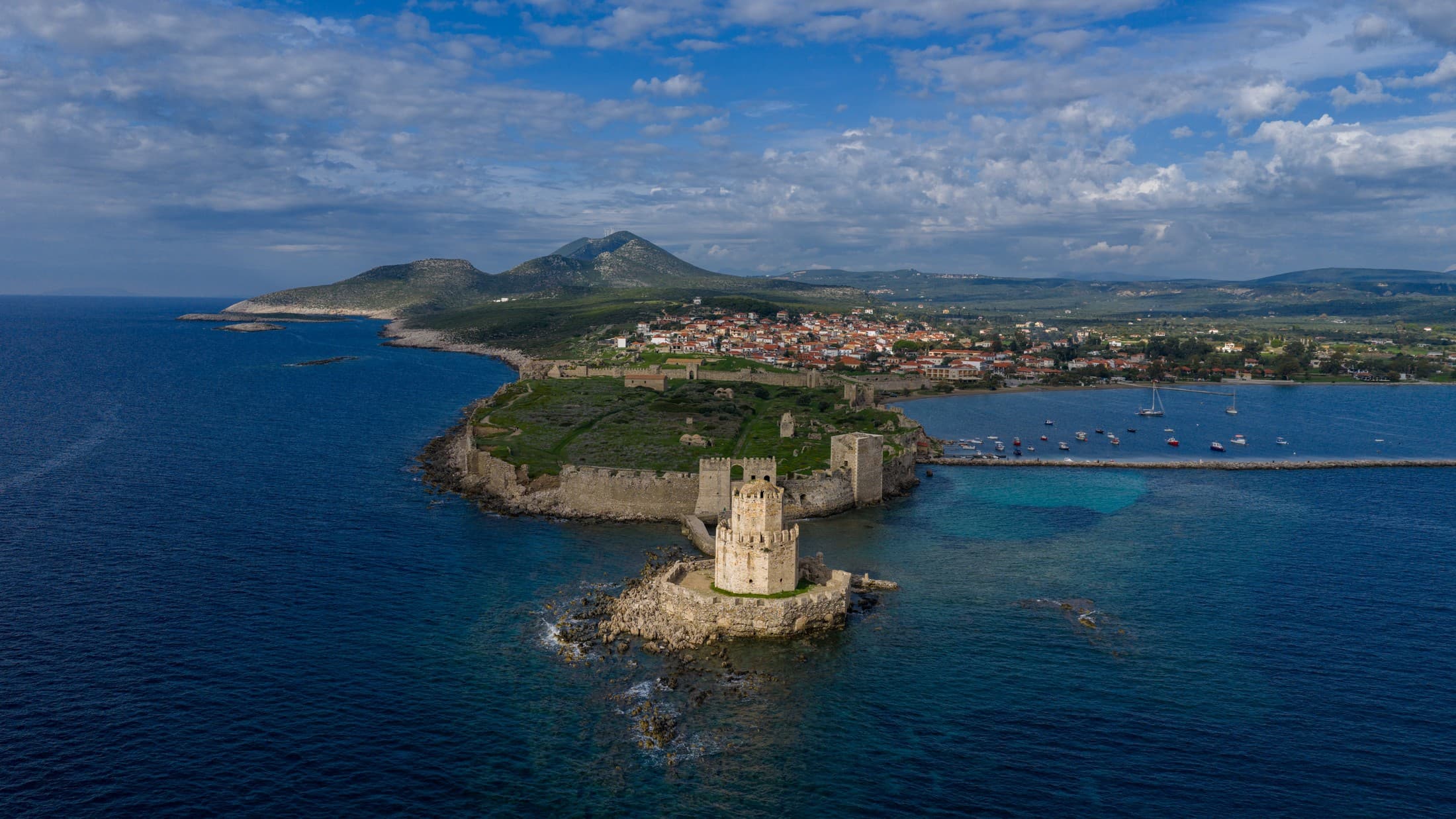
Niokastro stands almost protectively over Navarino Bay. It is a castle where history was literally written. It was built in 1573 by the Ottomans, following the Battle of Lepanto, to control the southern entrance to the bay and the sea route between East and West.
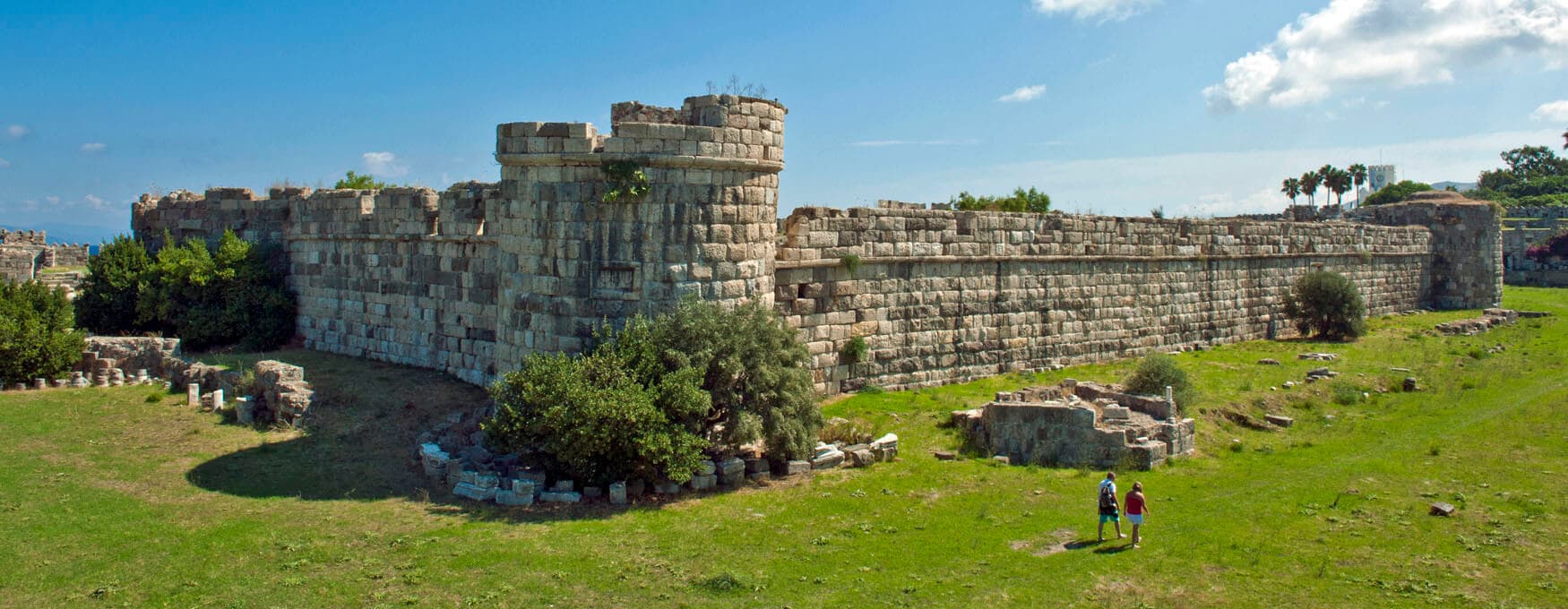
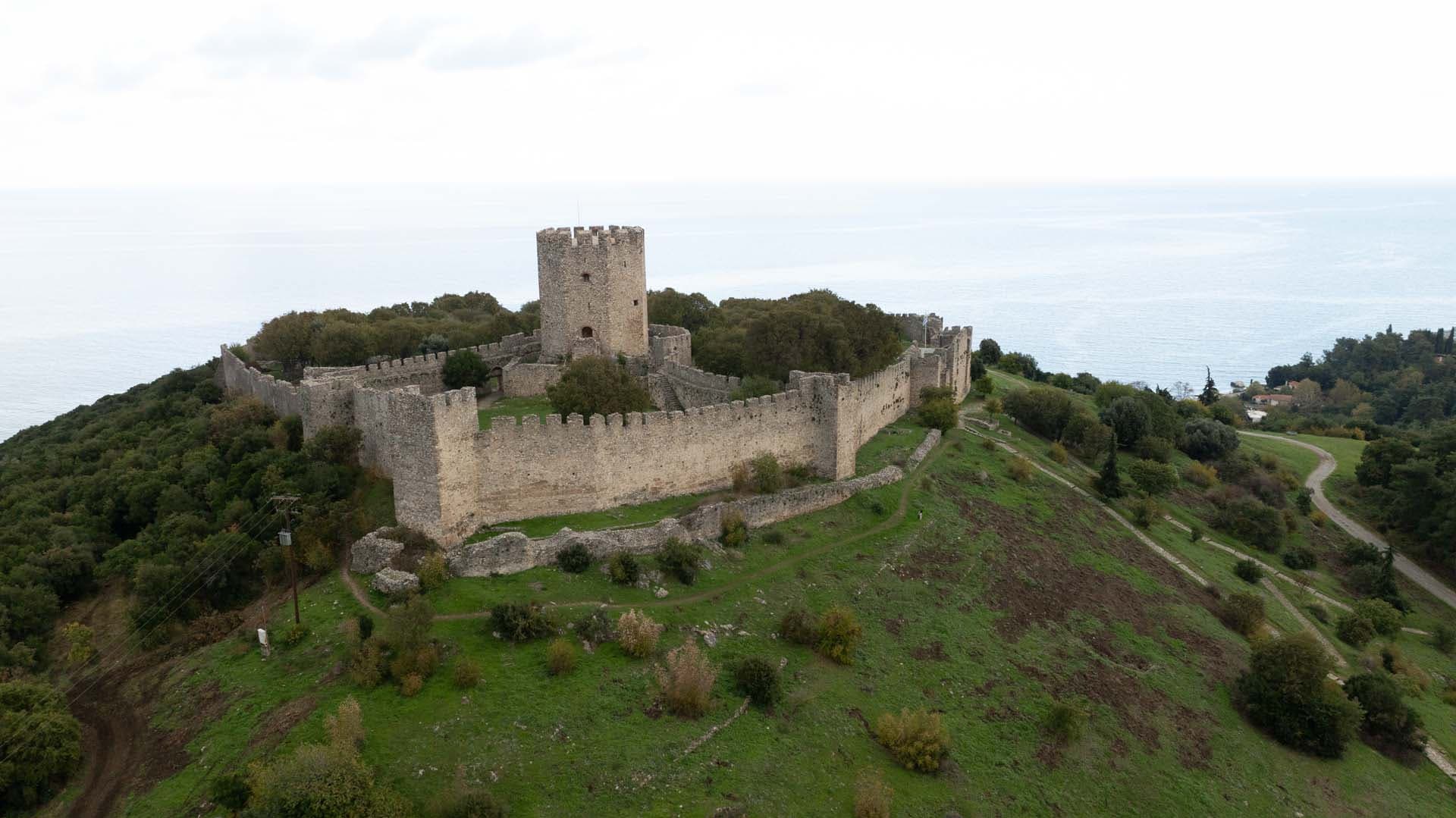
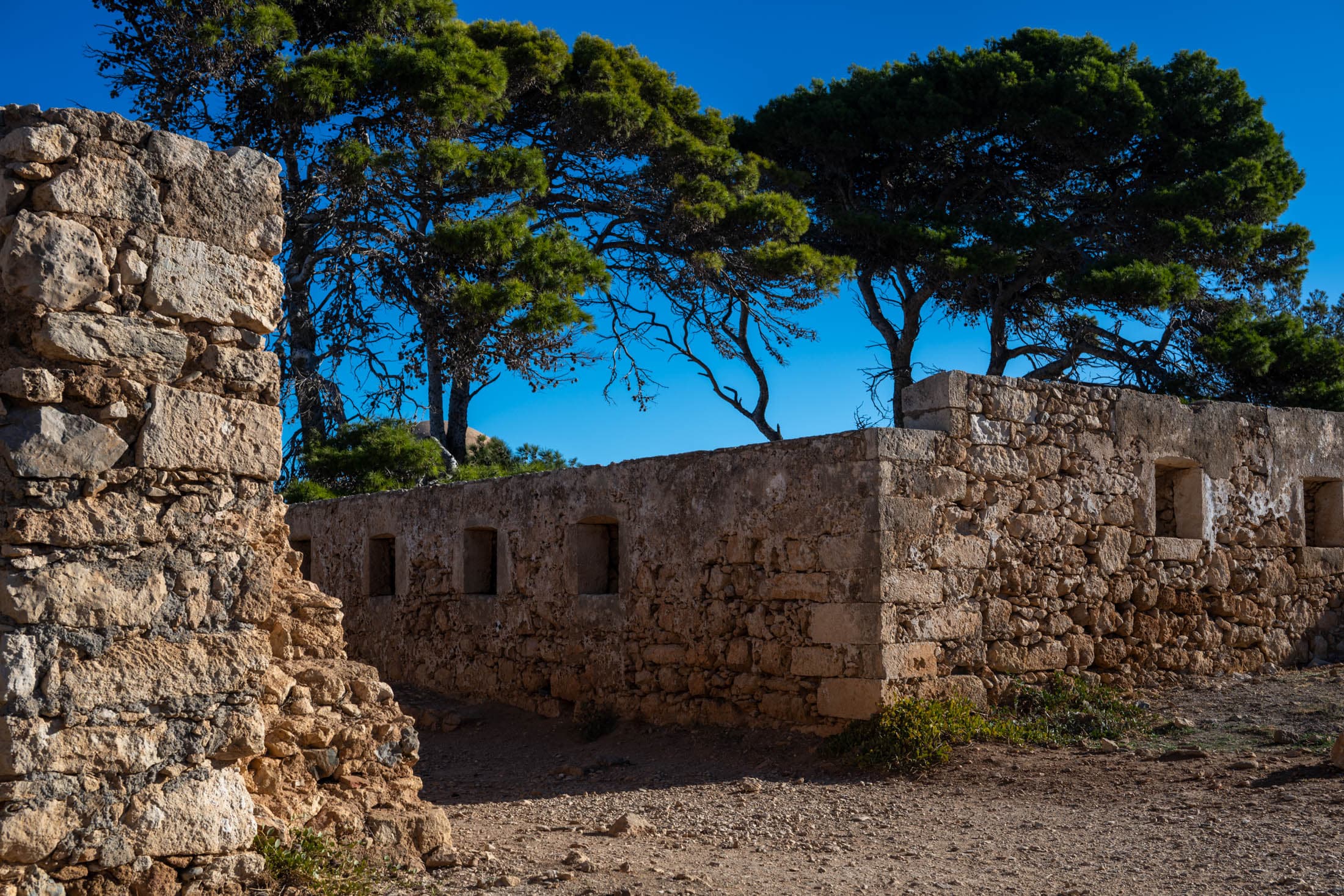
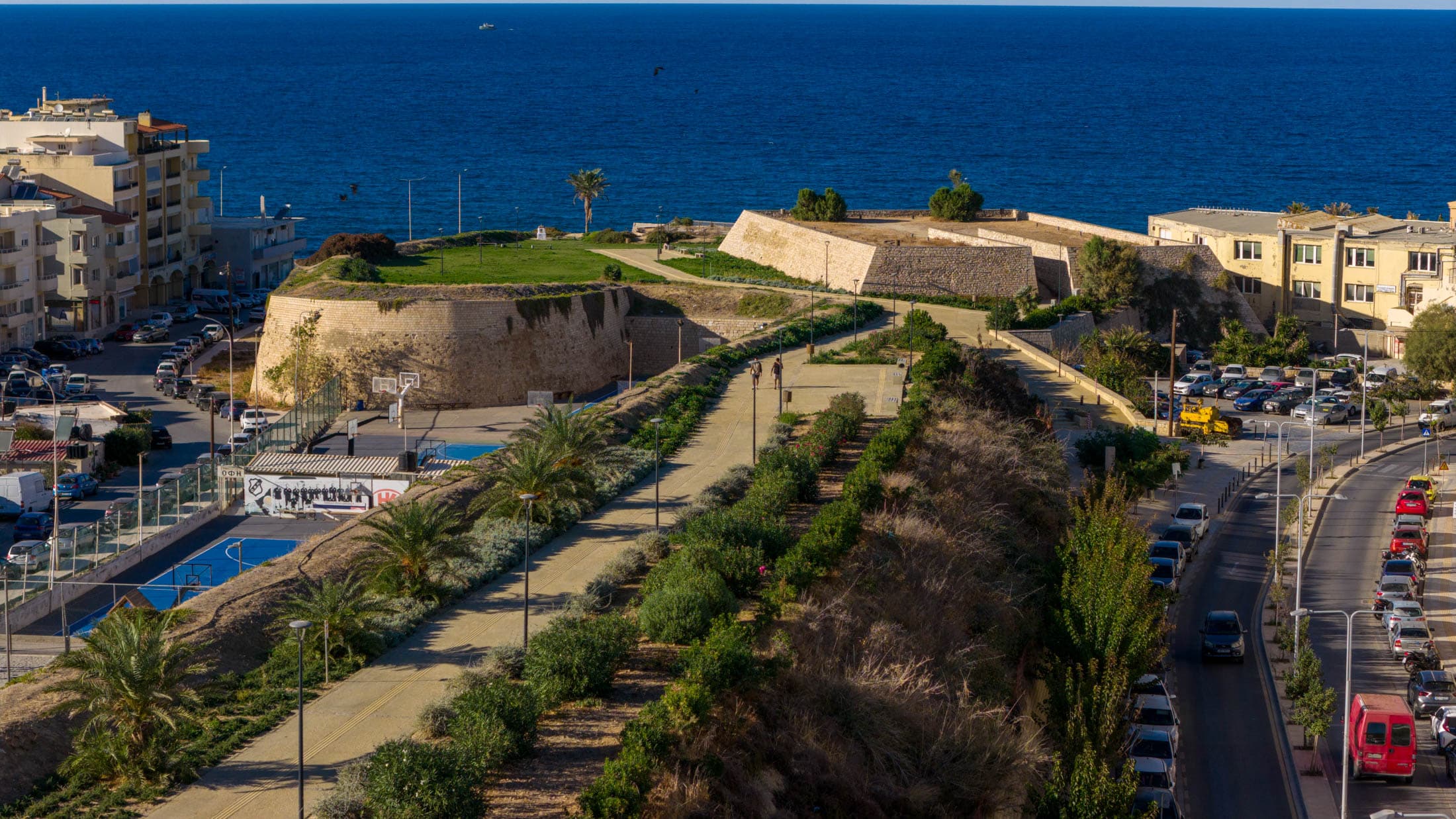
Unlike Old Navarino (Paliokastro), Niokastro was designed from the outset for the age of gunpowder, featuring low, thick walls, geometrically precise bastions, and a citadel reinforced by a dry moat.
It passed through the hands of Ottomans and Venetians, was captured during the Orlov Revolt (the unsuccessful Greek uprising of 1770), was surrendered to Ibrahim Pasha, and, following the Battle of Navarino in 1827, was definitively linked to the birth of the modern Greek state. Niokastro remained active until the 19th century, when modern Pylos began to develop outside its walls.
A tour of the castle is easy and revealing. Along the cobblestone paths and bastions, views of the bay constantly unfold, while inside, the Church of the Transfiguration of the Saviour stands out—a former Ottoman mosque turned Orthodox church, bearing visible traces of different eras.
The grounds of Niokastro also house the Archaeological Museum of Pylos and exhibitions of underwater antiquities that link the castle to the sea that defined it.
Unlike Old Navarino (Paliokastro), Niokastro was designed from the outset for the age of gunpowder, featuring low, thick walls, geometrically precise bastions, and a citadel reinforced by a dry moat.
It passed through the hands of Ottomans and Venetians, was captured during the Orlov Revolt (the unsuccessful Greek uprising of 1770), was surrendered to Ibrahim Pasha, and, following the Battle of Navarino in 1827, was definitively linked to the birth of the modern Greek state. Niokastro remained active until the 19th century, when modern Pylos began to develop outside its walls.
A tour of the castle is easy and revealing. Along the cobblestone paths and bastions, views of the bay constantly unfold, while inside, the Church of the Transfiguration of the Saviour stands out—a former Ottoman mosque turned Orthodox church, bearing visible traces of different eras.
The grounds of Niokastro also house the Archaeological Museum of Pylos and exhibitions of underwater antiquities that link the castle to the sea that defined it.