Venetian fortresses and Byzantine traces at the crossroads of three seas
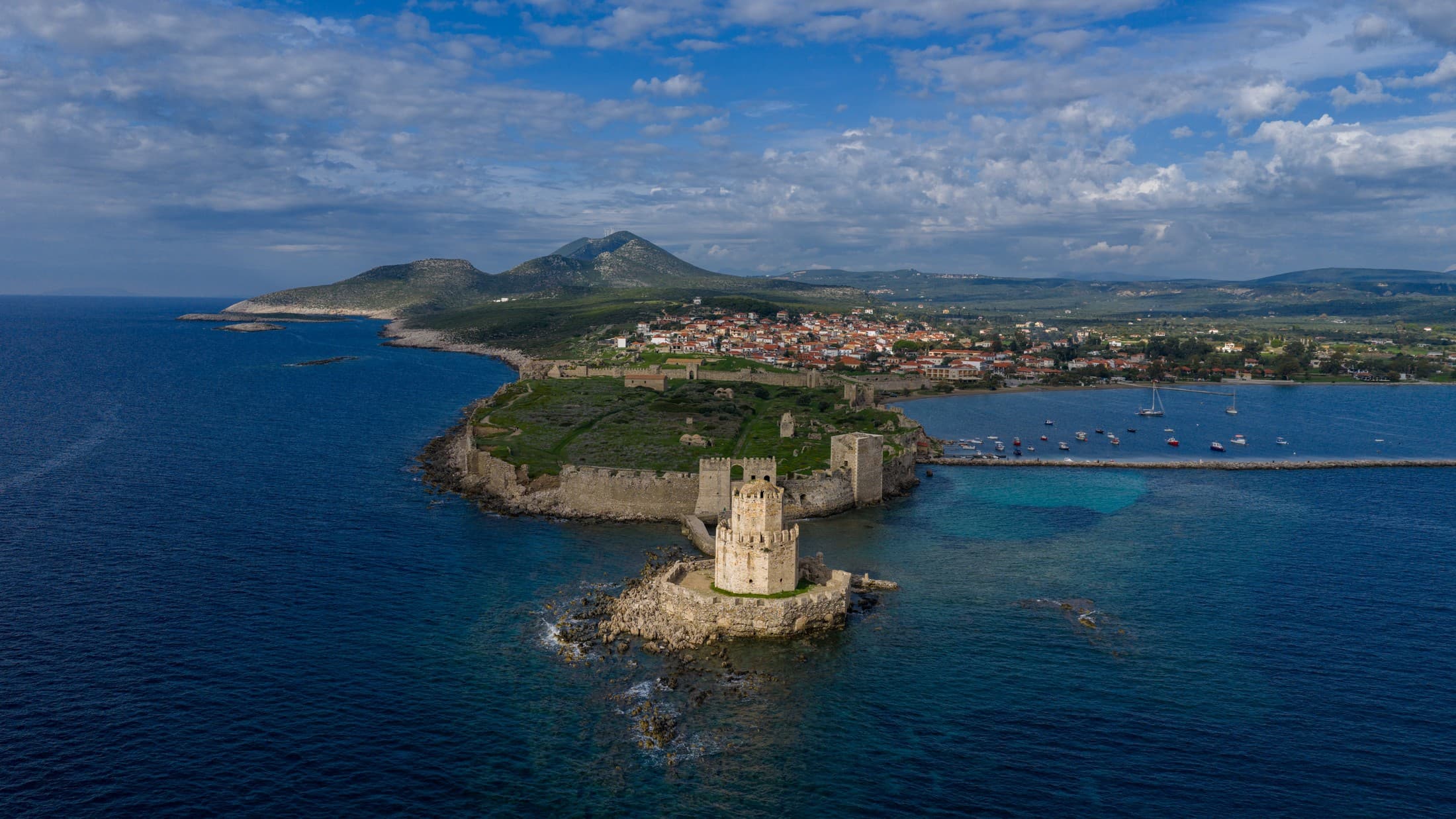
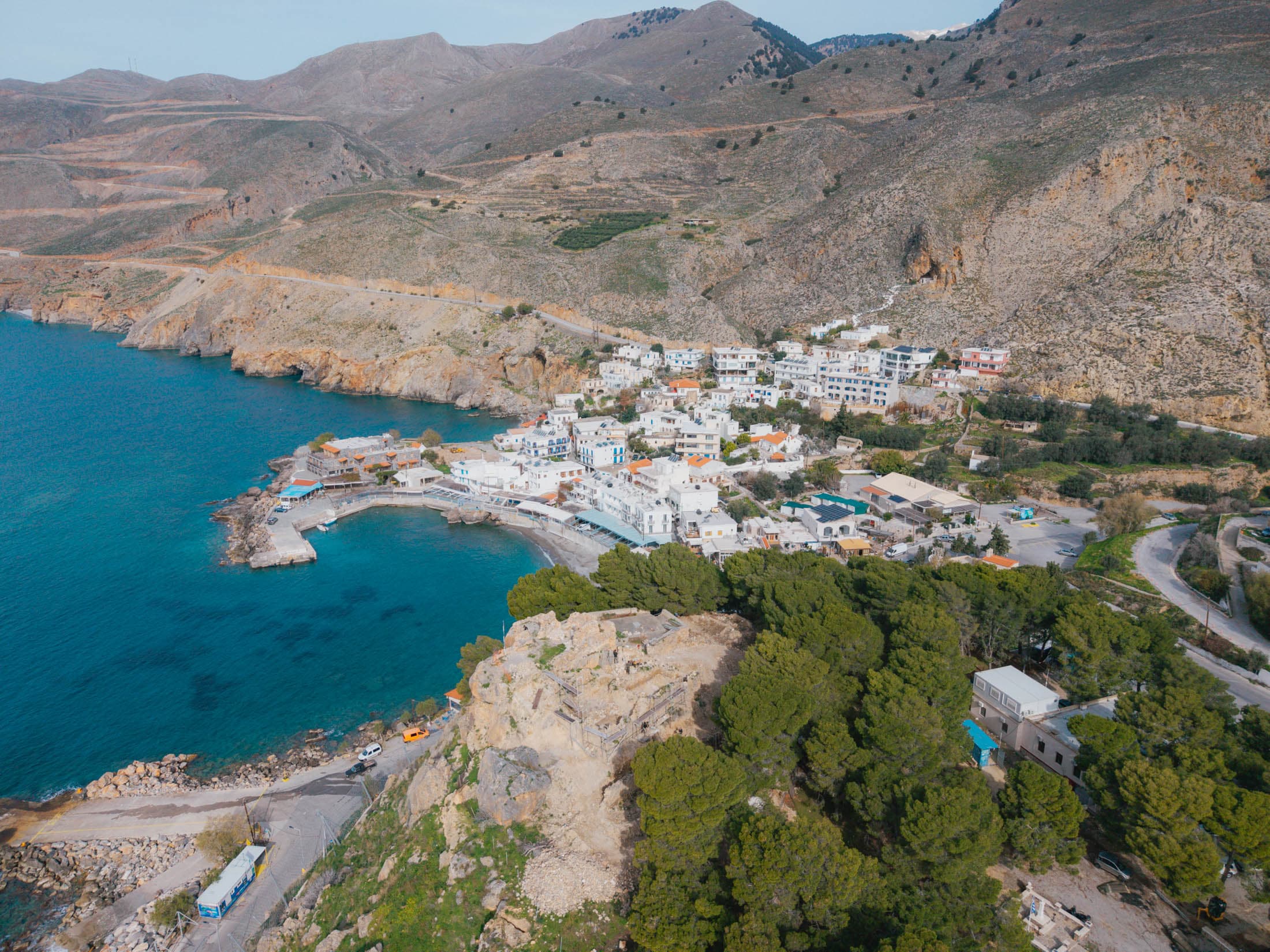
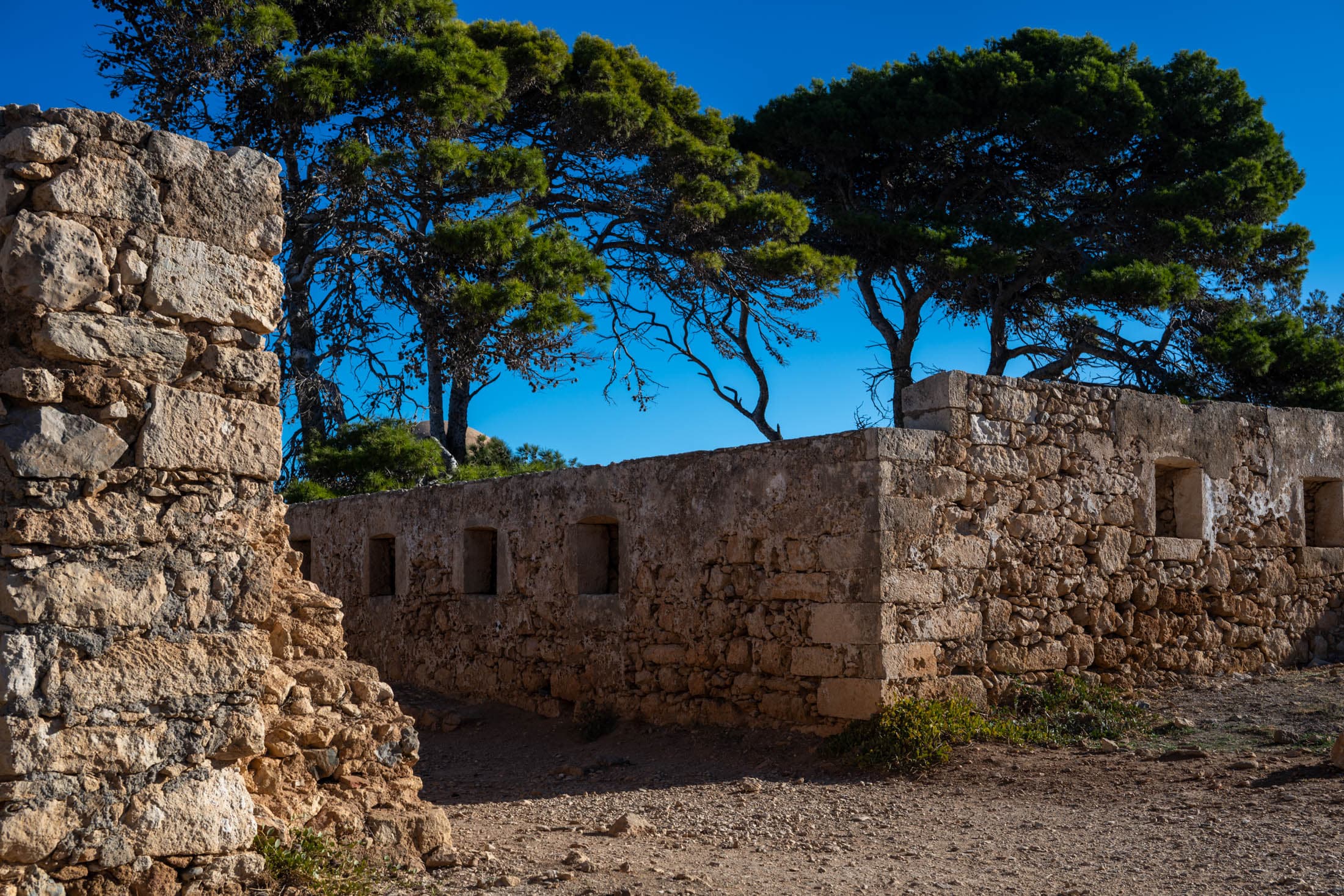
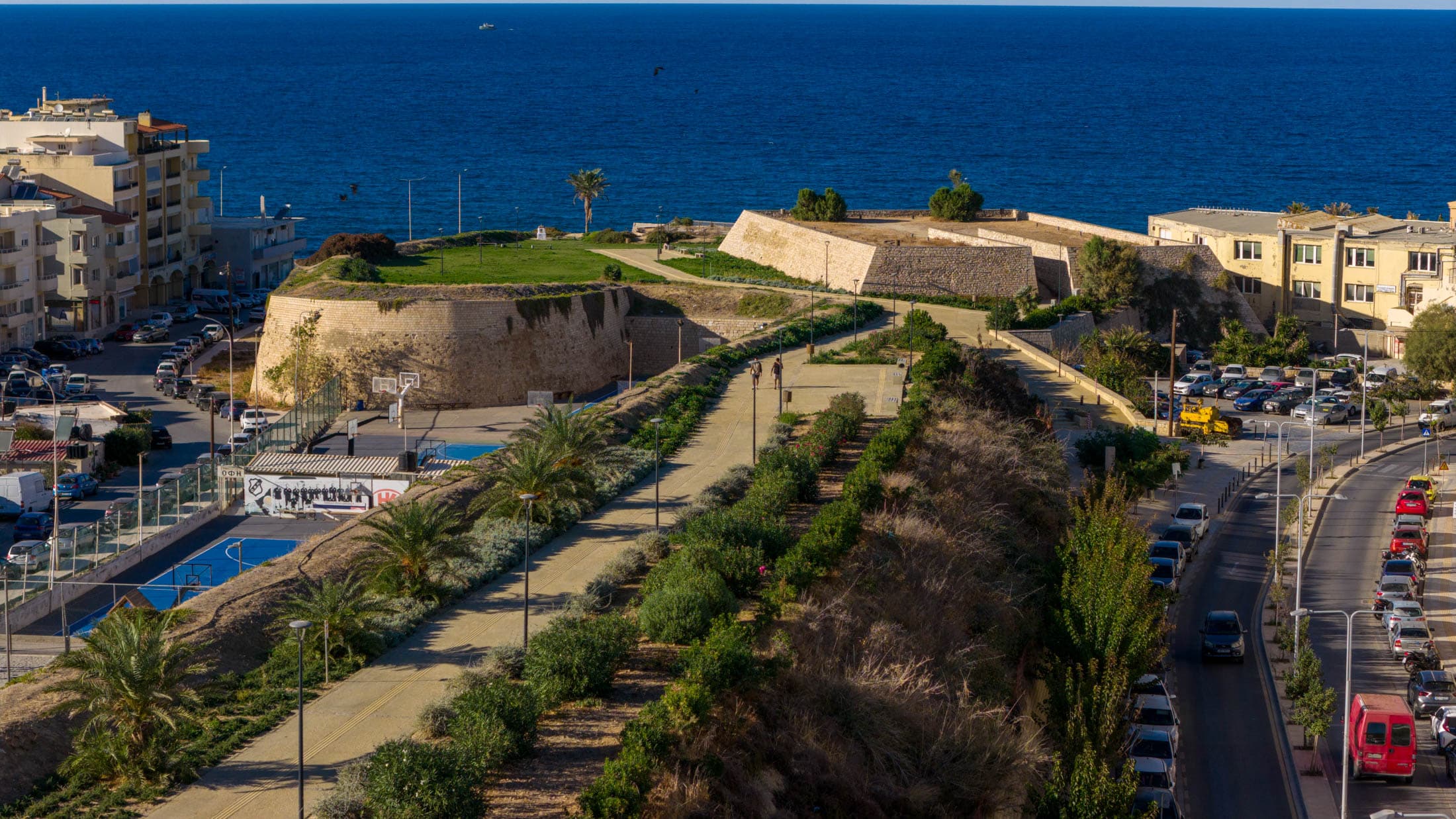
On Kythera, the island of “Cytherean” Aphrodite, mythology meets the turbulent history of the Venetians, the Byzantines and the pirates. At the crossroads of three seas, the island preserves the aura of its past intact, with four emblematic fortifications standing as eternal guardians of its cultural heritage.
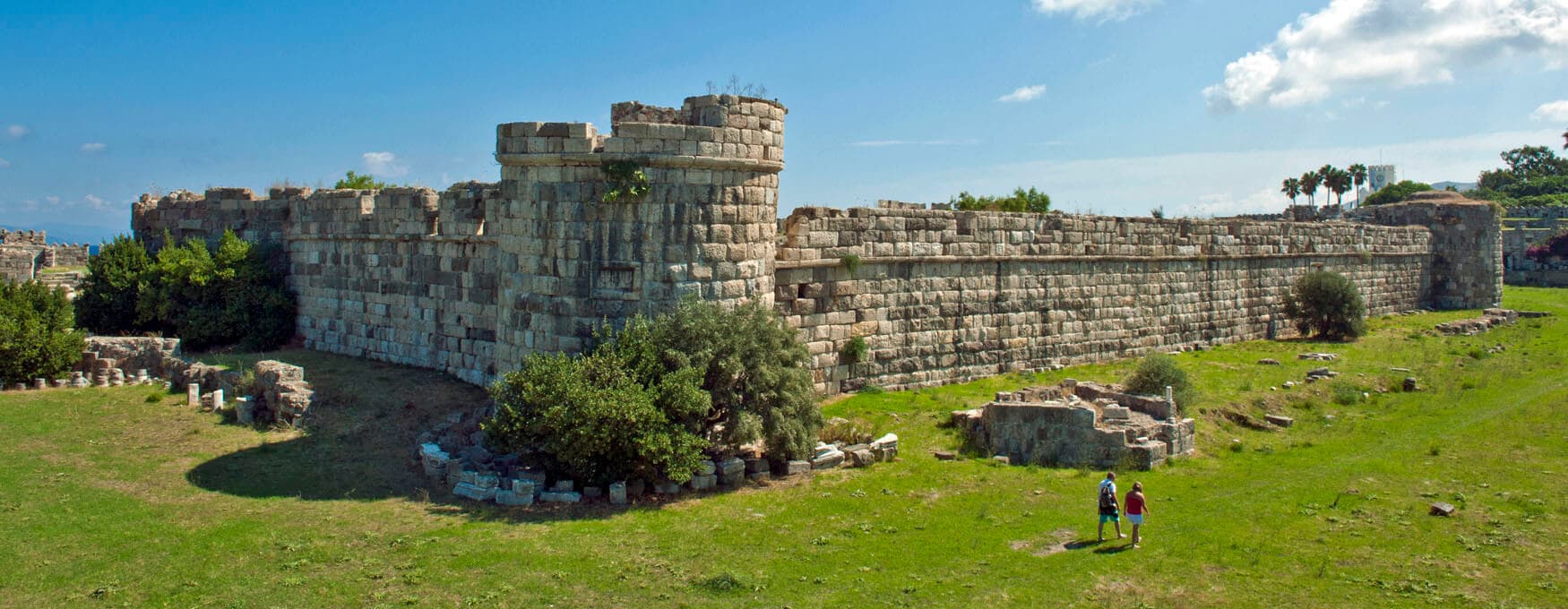
Above the settlement of Chora, at an altitude of 200 m, rises the Castle of Chora. This Venetian fortress (fortetza) took its present form in 1503. Because of its strategic position, controlling the Ionian, the Aegean and the Cretan Seas at the same time, it was named the “Eye of Crete”. Inside, you will come across residential remains, chapels, storehouses, cisterns and the old Palataki, the seat of power of the time. Highlights include the imposing Administrative Building, which today houses the Historical Archive, the powder magazine and the church of Panagia Myrtidiotissa.
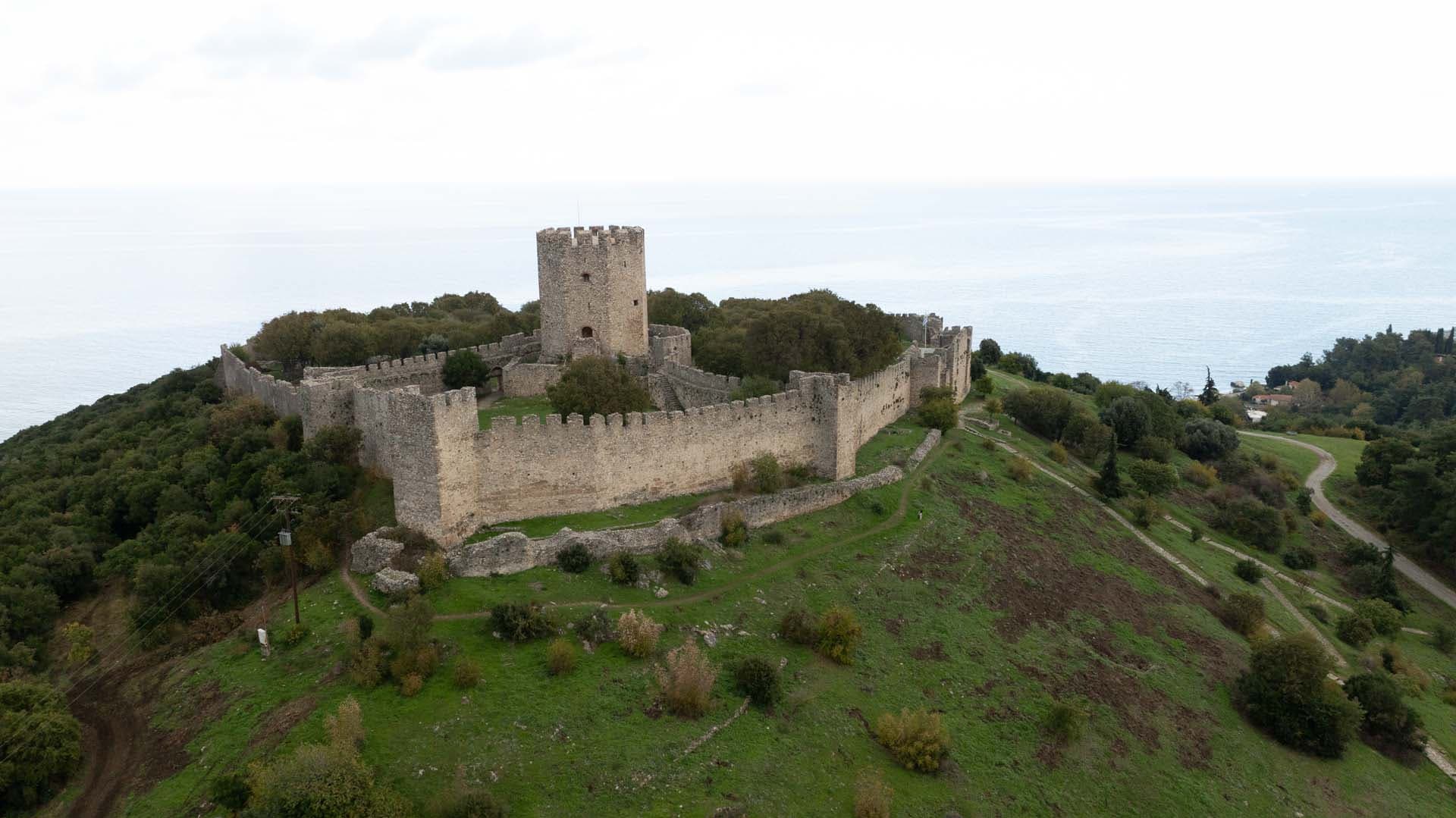
The Castle of Kato Chora in Mylopotamos was built in 1565 to control the western passages and offers views of an atmospheric sunset. Above the gate you will see the relief lion of Saint Mark and, inside, nine churches and ruined two-storey houses that were inhabited until the mid-20th century. You will be enchanted by the elements that testify to the Venetian aesthetic and the social organisation of the era.
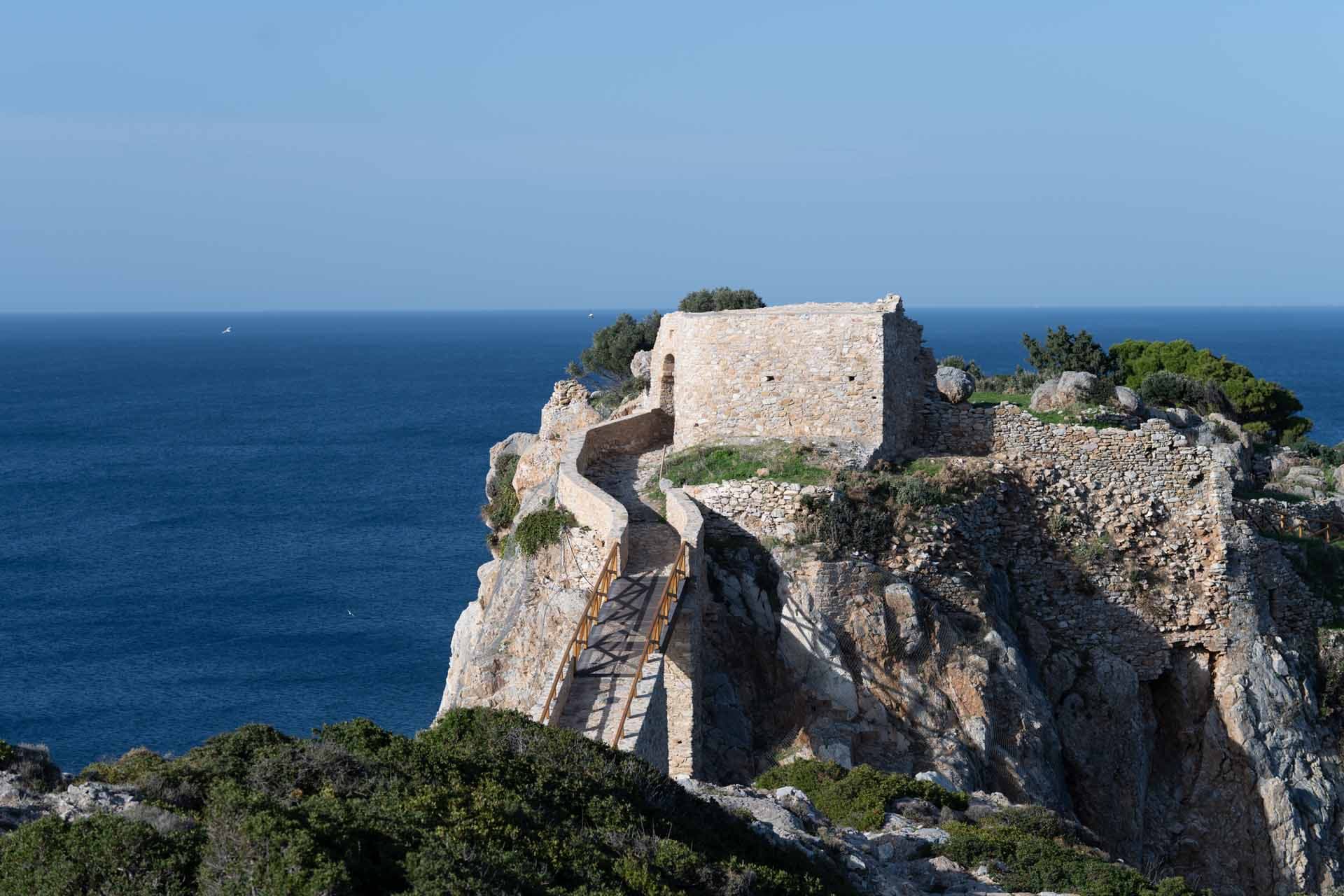
Palaiochora, then known as Agios Dimitrios, was the Byzantine capital of the island. Built on a steep rock for protection from pirates, it remained invisible from the sea. However, in 1537 the notorious Ottoman corsair Hayreddin Barbarossa discovered it and razed it to the ground. Today, the ruins of its 23 churches and houses inspire awe.
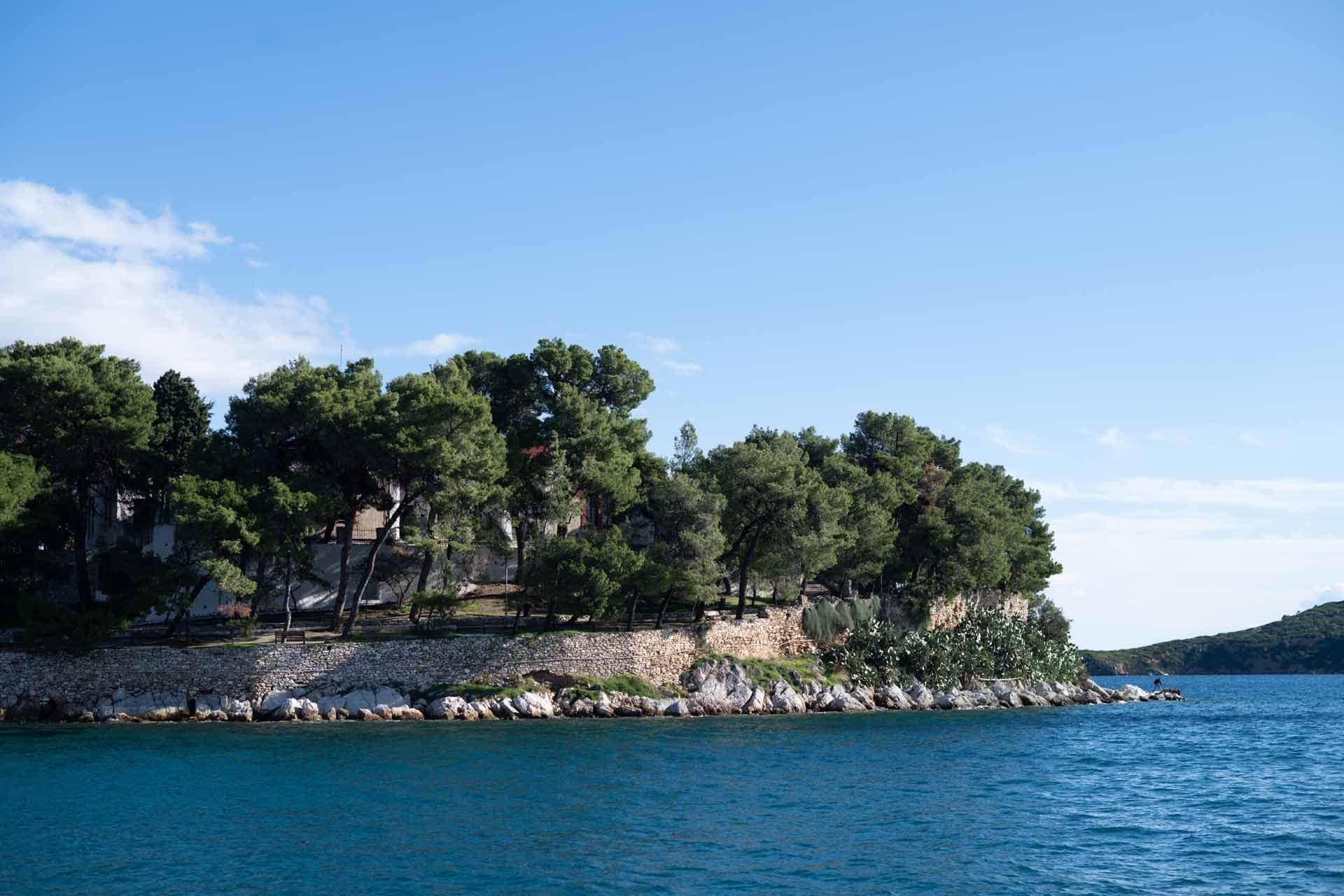
At the picturesque little harbour of Avlemonas, the Venetians built a smaller yet crucial fortification to supervise the eastern passage. The Castello of Avlemonas is linked to more recent history, as nearby the ship “Mentor” of Lord Elgin was wrecked, carrying parts of the Parthenon marbles.
Above the settlement of Chora, at an altitude of 200 m, rises the Castle of Chora. This Venetian fortress (fortetza) took its present form in 1503. Because of its strategic position, controlling the Ionian, the Aegean and the Cretan Seas at the same time, it was named the “Eye of Crete”. Inside, you will come across residential remains, chapels, storehouses, cisterns and the old Palataki, the seat of power of the time. Highlights include the imposing Administrative Building, which today houses the Historical Archive, the powder magazine and the church of Panagia Myrtidiotissa.
The Castle of Kato Chora in Mylopotamos was built in 1565 to control the western passages and offers views of an atmospheric sunset. Above the gate you will see the relief lion of Saint Mark and, inside, nine churches and ruined two-storey houses that were inhabited until the mid-20th century. You will be enchanted by the elements that testify to the Venetian aesthetic and the social organisation of the era.
Palaiochora, then known as Agios Dimitrios, was the Byzantine capital of the island. Built on a steep rock for protection from pirates, it remained invisible from the sea. However, in 1537 the notorious Ottoman corsair Hayreddin Barbarossa discovered it and razed it to the ground. Today, the ruins of its 23 churches and houses inspire awe.
At the picturesque little harbour of Avlemonas, the Venetians built a smaller yet crucial fortification to supervise the eastern passage. The Castello of Avlemonas is linked to more recent history, as nearby the ship “Mentor” of Lord Elgin was wrecked, carrying parts of the Parthenon marbles.