Flavours that contain the island’s soul
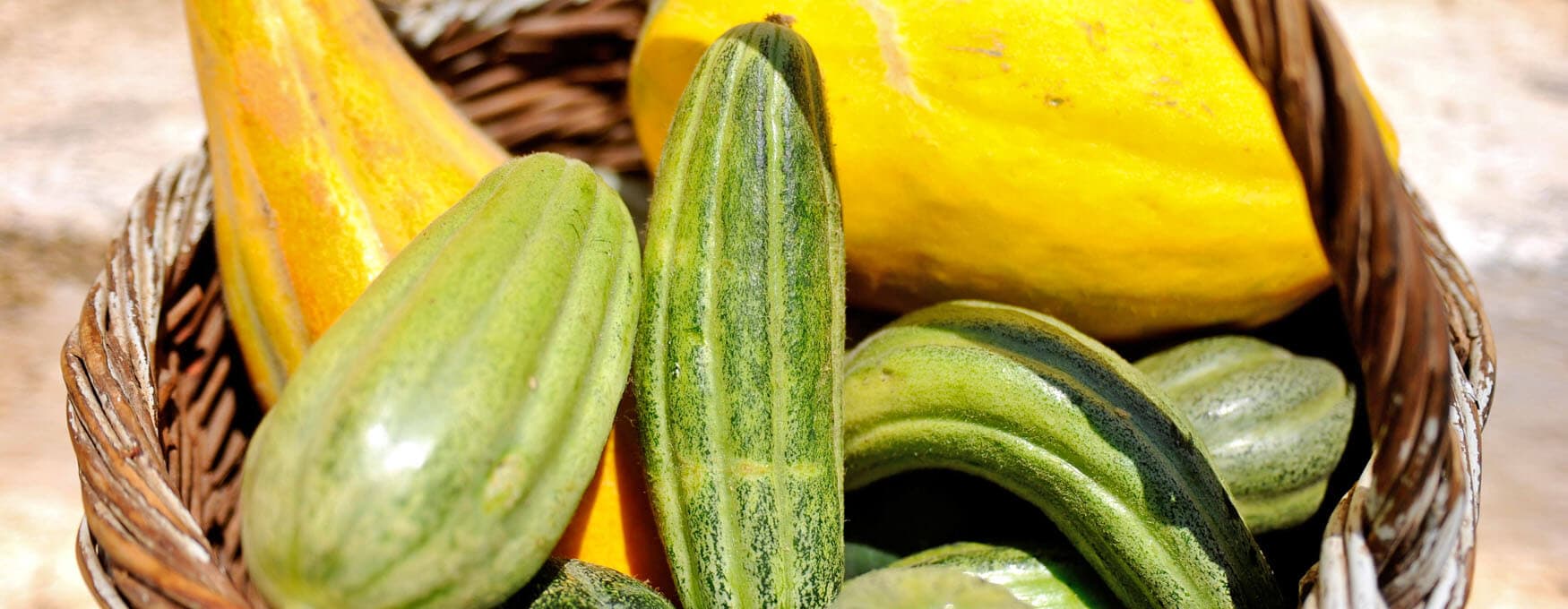
Flavours on Donousa are a reflection of the landscape: humble yet rich in spirit, rooted in the soil, the sea, and the winds of the Aegean Sea. The island remains faithful to the philosophy of self-sufficiency, keeping alive the ancient habits of Cycladic cooking: a few modest ingredients, pure flavour, and food made for sharing.
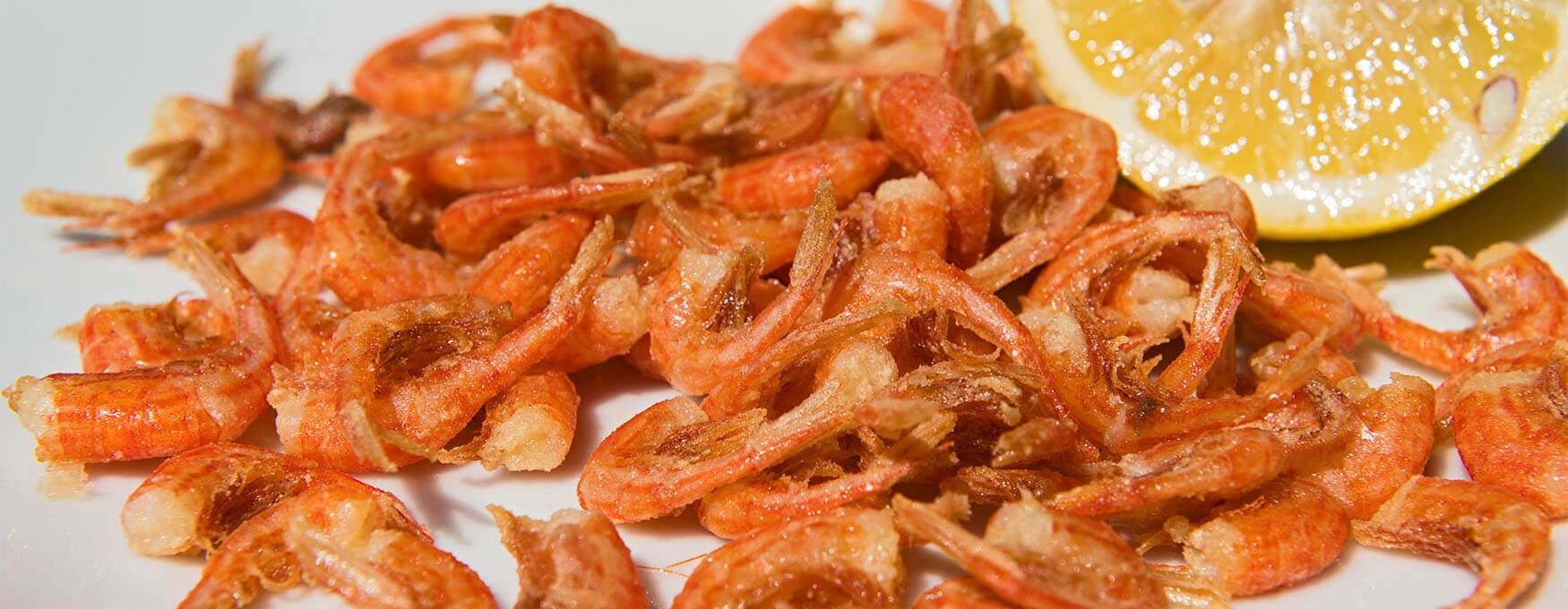
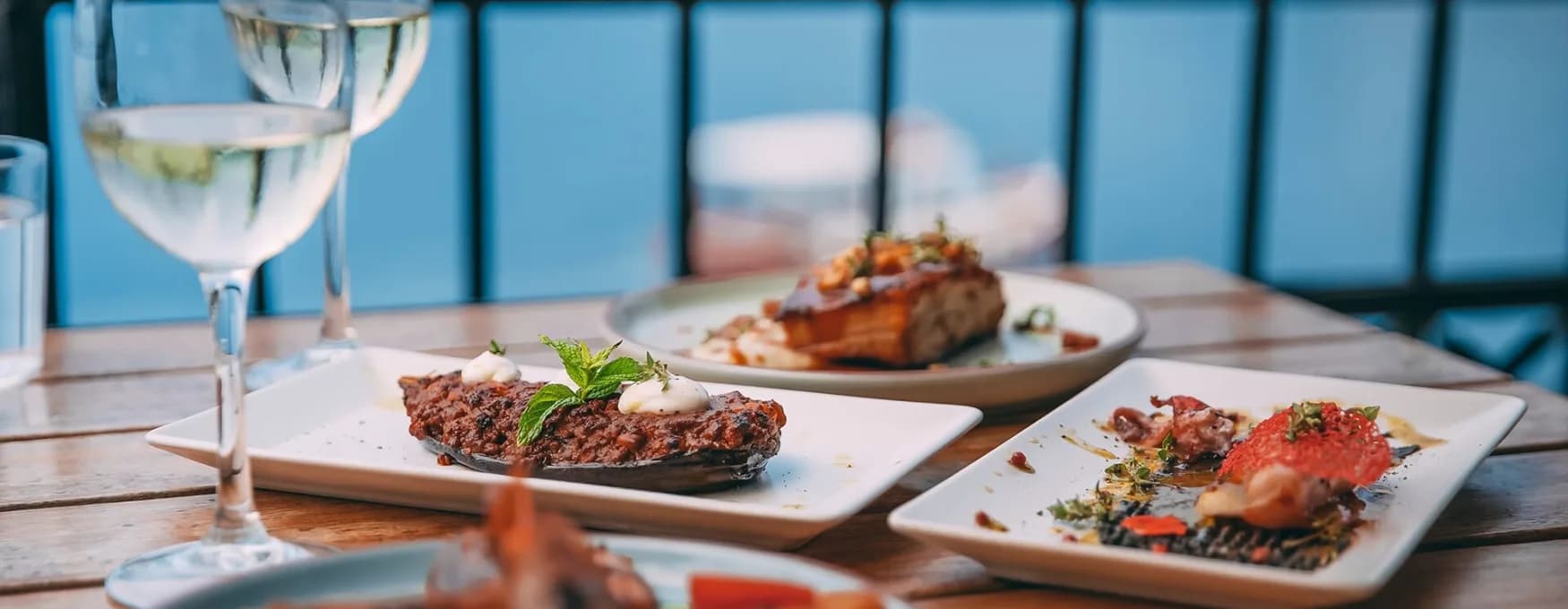
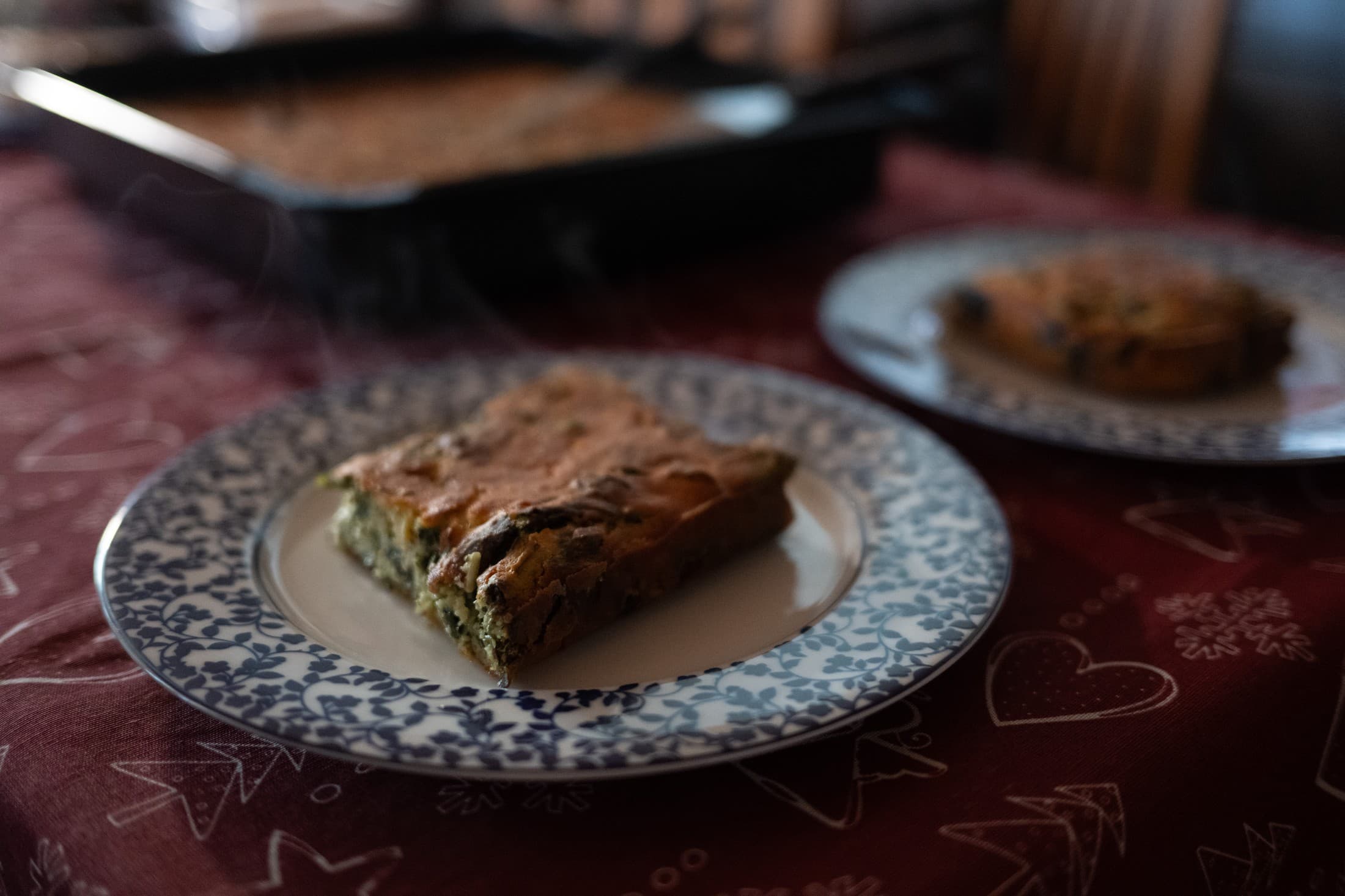
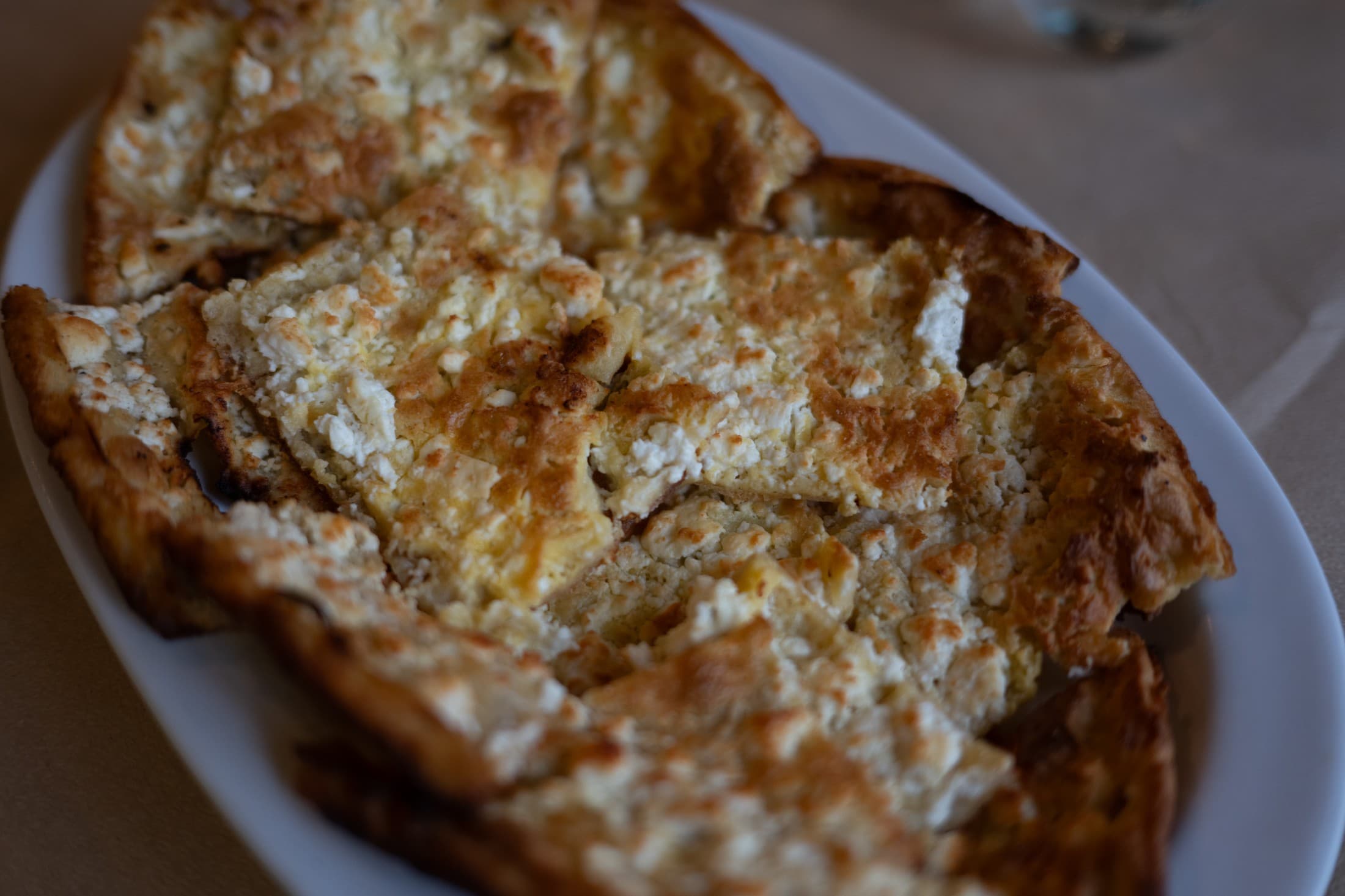
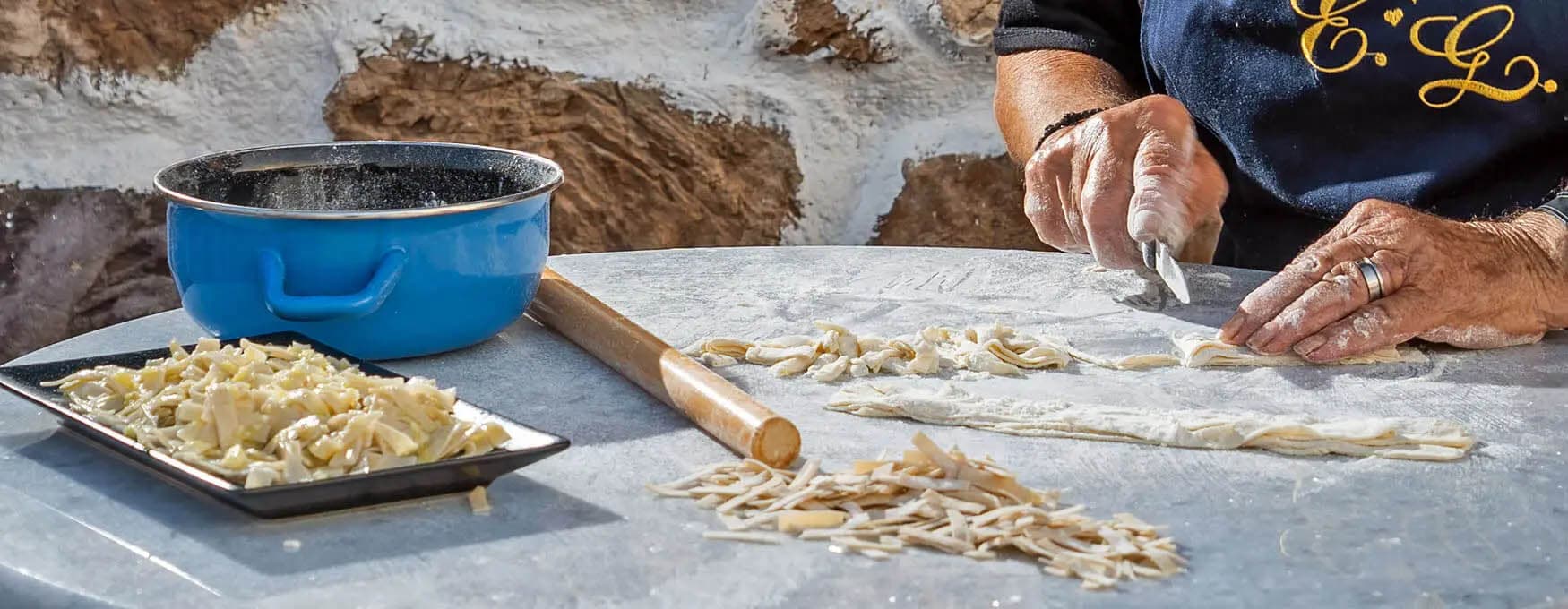
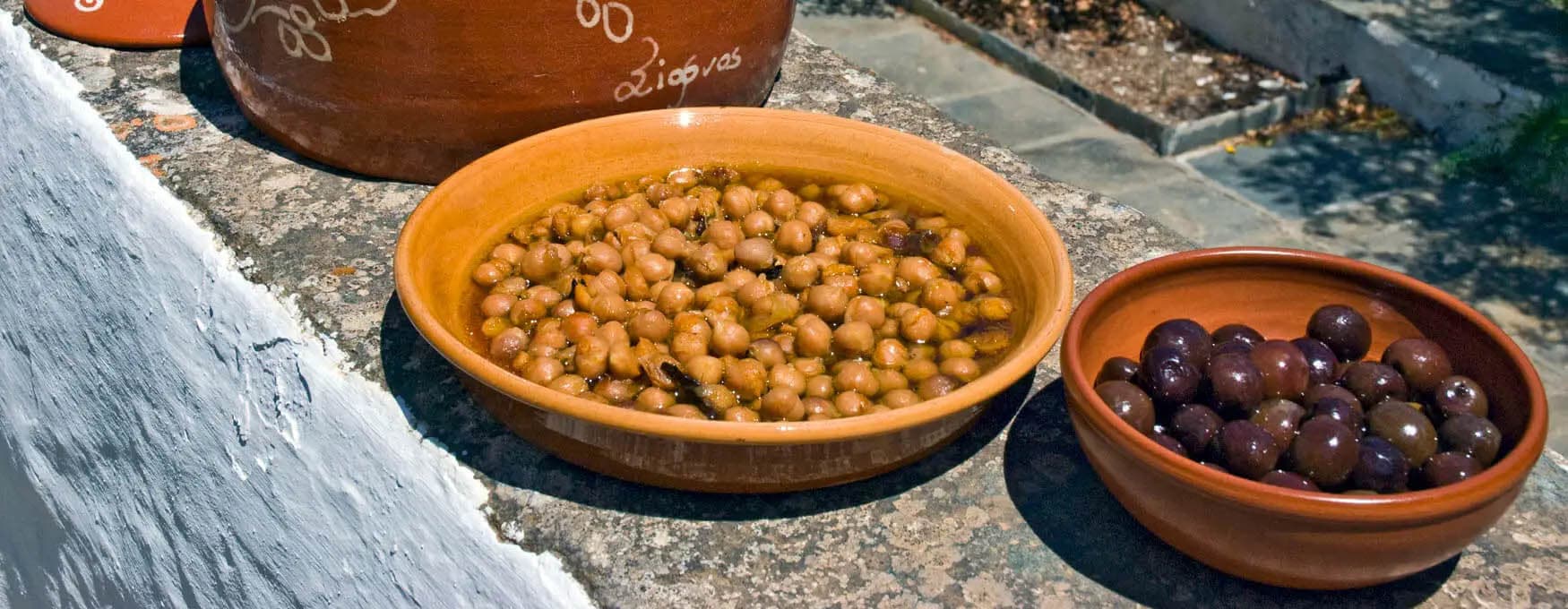
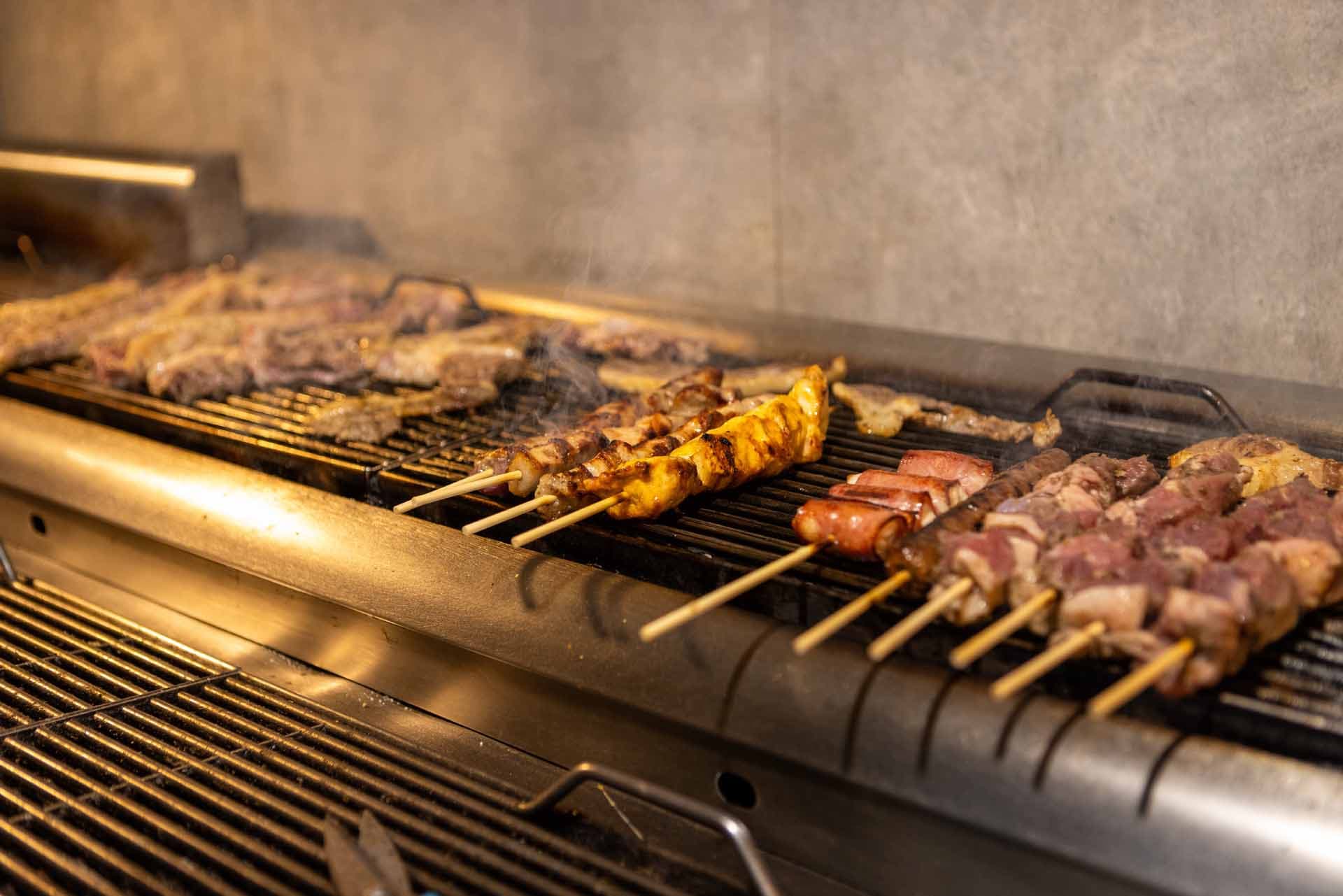
In the tavernas of Stavros and the small villages, the table is set with fresh fish, goat roasted in the oven or prepared with lemon, and revithada (chickpea stew) slow-cooked in earthenware, and makarounes, homemade pasta that recalls the roots of the land. Donousa fava, dark and aromatic, is served with onion and capers, while the local sausage is smoked with thyme and wine.
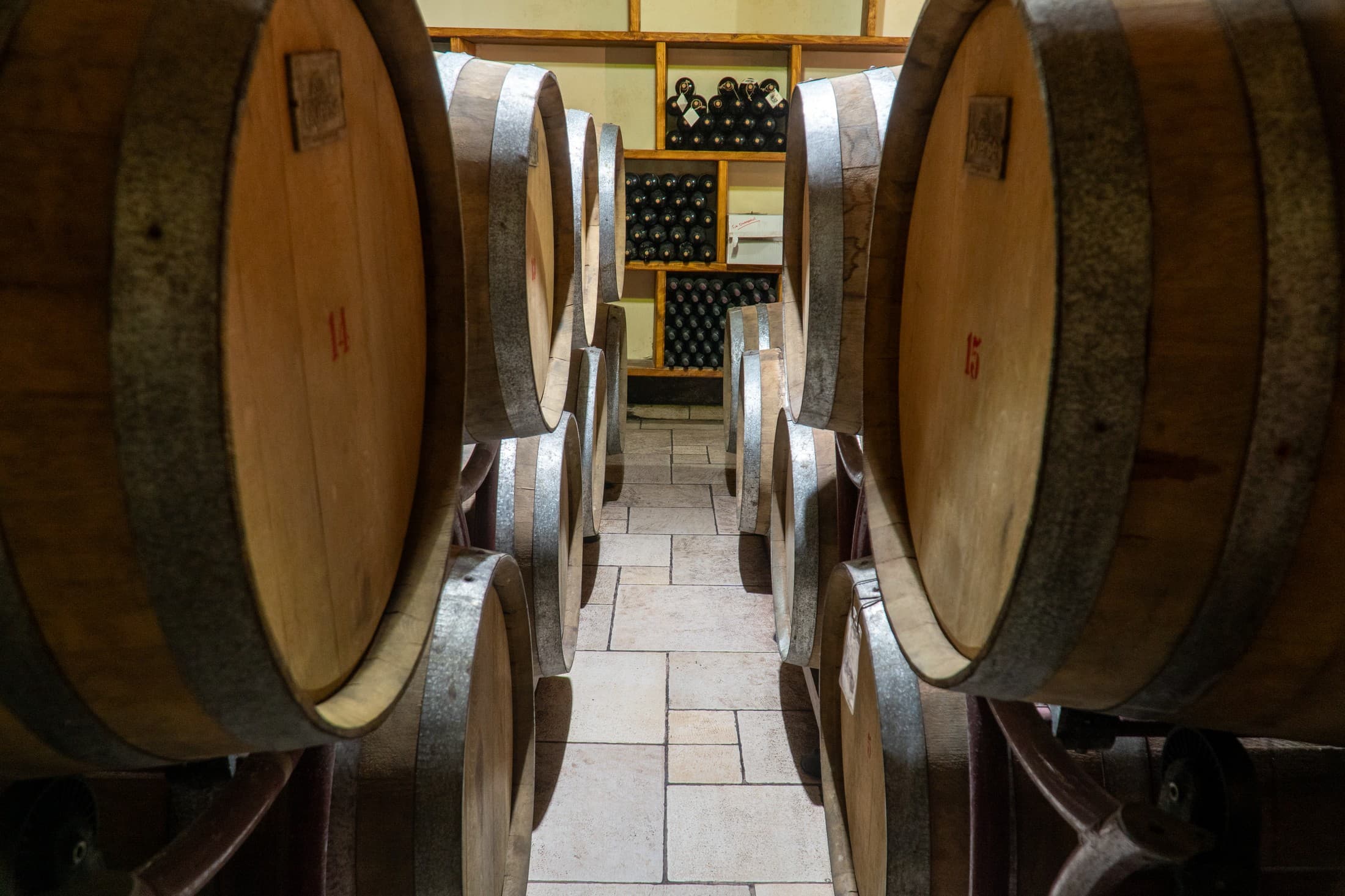
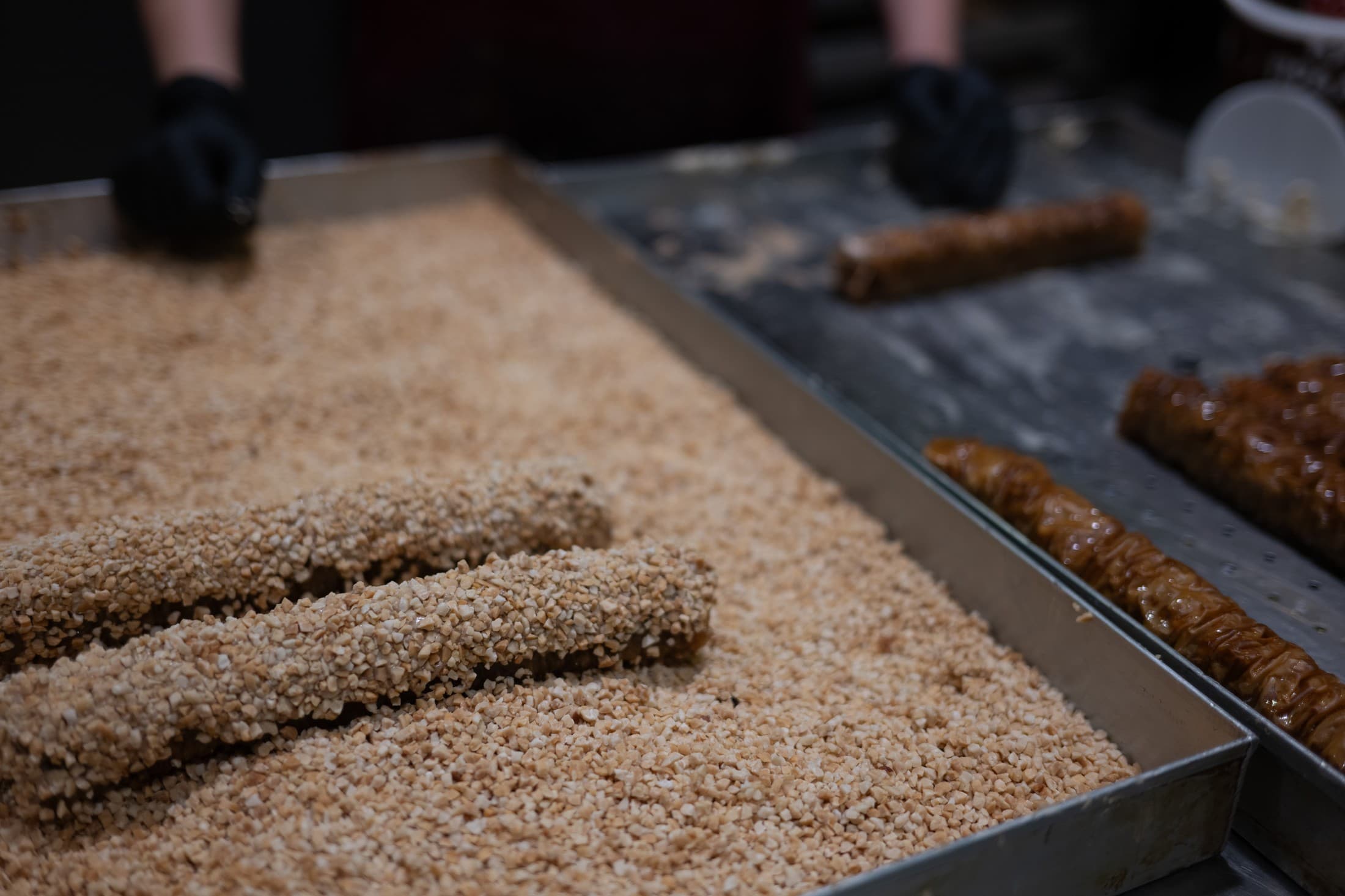
Among the island’s sweets, the stand-outs are rafiolia, fried pastries with almonds and honey, and xerotigana (fried dough strips), which accompany every celebration. Rakomelo (raki with honey) and local wine from small vineyards complement the island’s flavours, along with honey and herbs that thrive on the rocky hills.
On Kedros beach, wild rocket or sea rocket grows, possessing a characteristic peppery taste. You will find it in many of the island’s dishes.
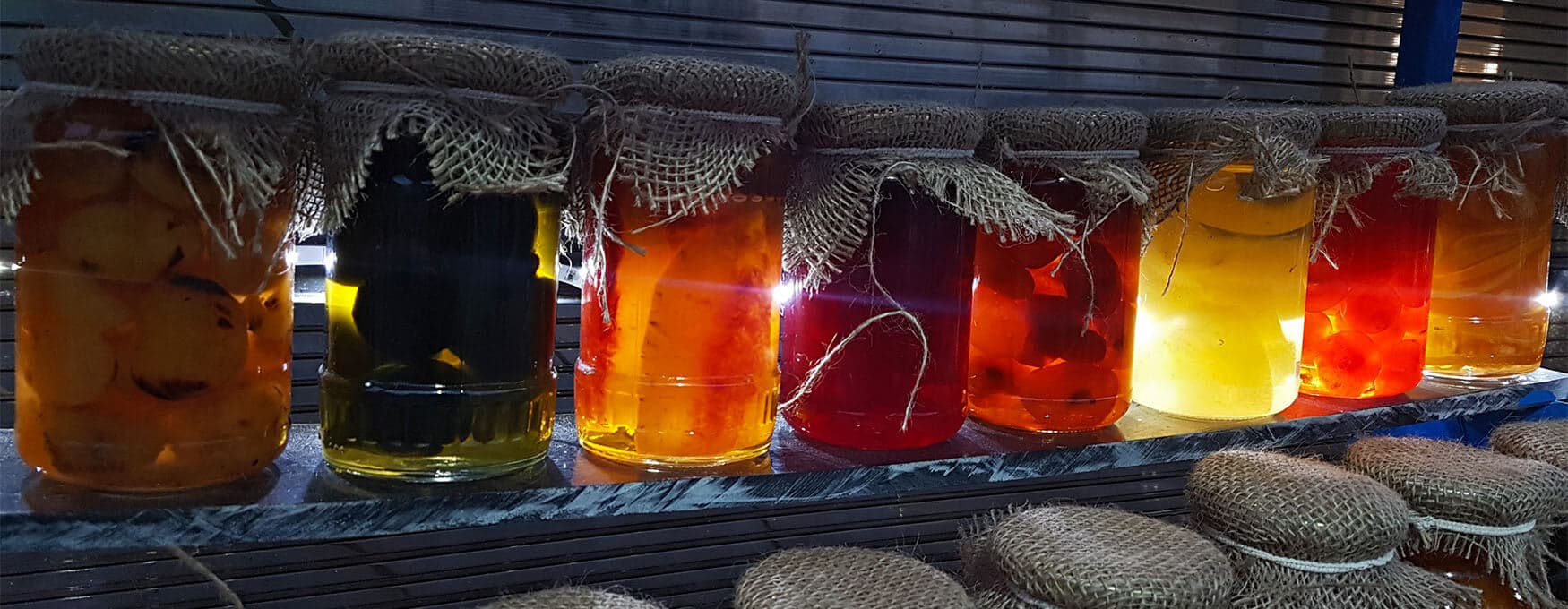
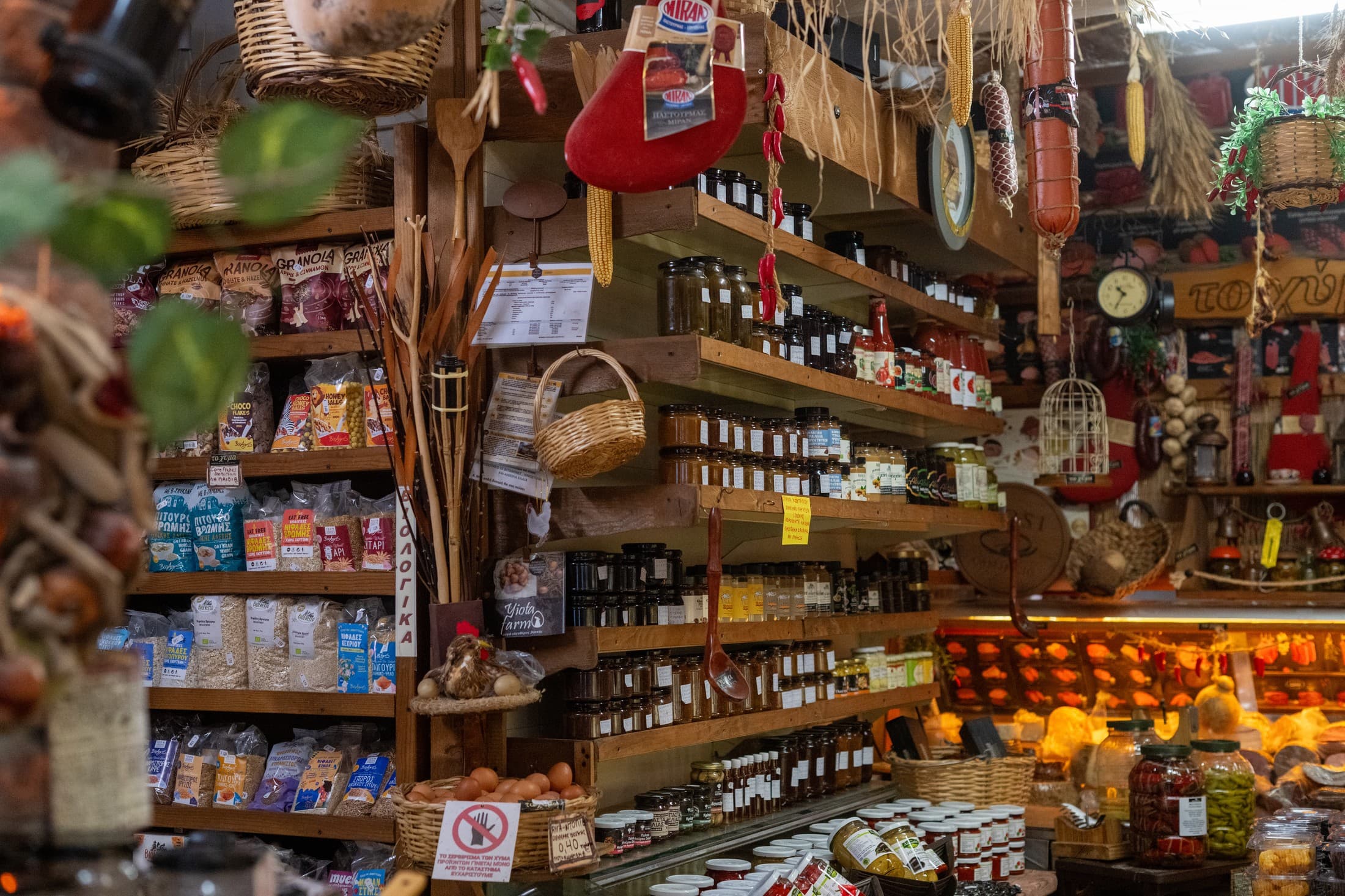
You can purchase local products from the island’s small-scale producers. If you happen to be at an island festival, try the goat and rakomelo; they are the most authentic expression of local hospitality.
The gastronomy of Donousa is not merely local cuisine — it is an act of hospitality, a celebration that unites the light, the land, and people around a common table.
In the tavernas of Stavros and the small villages, the table is set with fresh fish, goat roasted in the oven or prepared with lemon, and revithada (chickpea stew) slow-cooked in earthenware, and makarounes, homemade pasta that recalls the roots of the land. Donousa fava, dark and aromatic, is served with onion and capers, while the local sausage is smoked with thyme and wine.
Among the island’s sweets, the stand-outs are rafiolia, fried pastries with almonds and honey, and xerotigana (fried dough strips), which accompany every celebration. Rakomelo (raki with honey) and local wine from small vineyards complement the island’s flavours, along with honey and herbs that thrive on the rocky hills.
On Kedros beach, wild rocket or sea rocket grows, possessing a characteristic peppery taste. You will find it in many of the island’s dishes.
You can purchase local products from the island’s small-scale producers. If you happen to be at an island festival, try the goat and rakomelo; they are the most authentic expression of local hospitality.
The gastronomy of Donousa is not merely local cuisine — it is an act of hospitality, a celebration that unites the light, the land, and people around a common table.