Some of the most powerful human memories are those evoked by the aroma and taste of a home-cooked recipe. The warmth, sense of security and familiarity associated with home cooking are a universal human experience.
Greek cuisine, rich in authentic flavours and aromas, represents a cultural continuum spanning centuries. Women have played a privileged role in this tradition. As key figures within the family microcosm, and through their wise stewardship of ingredients, they have shaped, through ingenuity, the character of Greek gastronomy.
Today, as people rediscover enduring values, this style of cooking, whose principal ingredient is love, emerges as a guardian of memory. Let us take a closer look at the creativity and long-standing tradition that have produced rare flavours—synonymous with Greek culture—and temptations to which we simply surrender.
The true essence of olive oil
For Greeks, olive oil is not merely precious—it is truly sacred. Interwoven with the cycle of life through age-old traditions, it highlights the vital relationship this noble elixir holds with humankind.
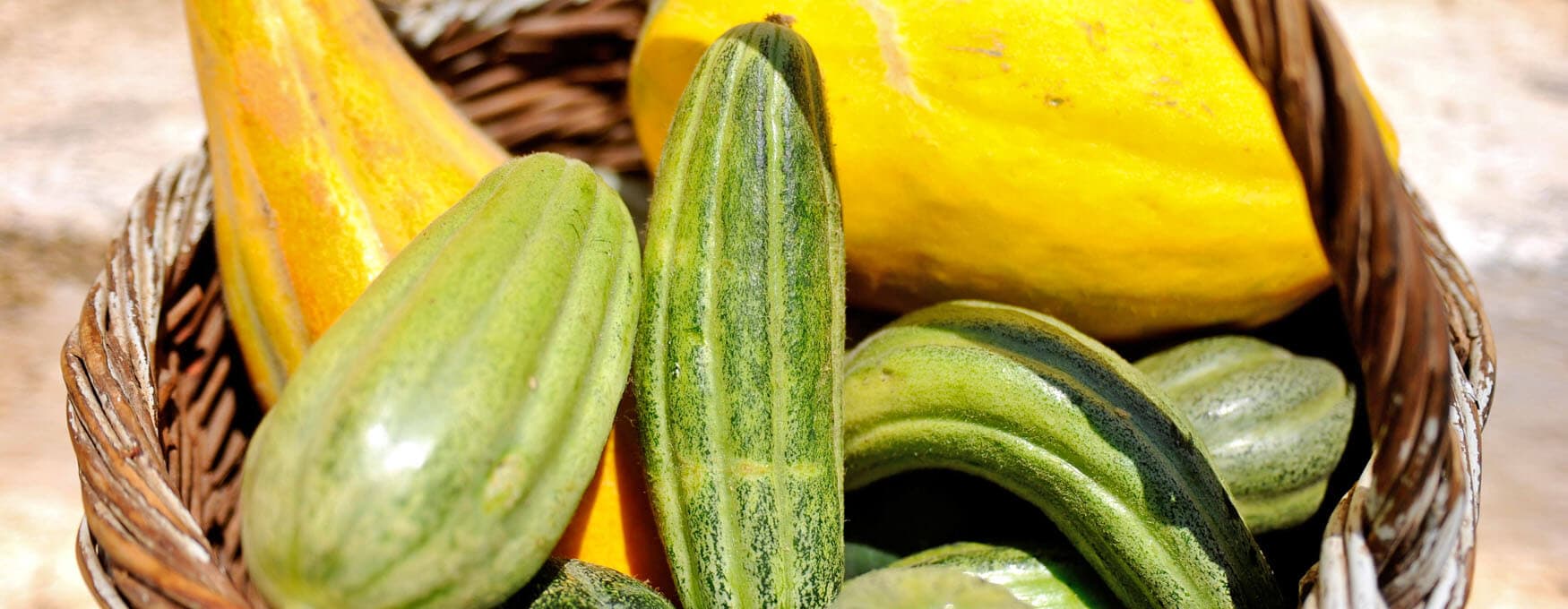
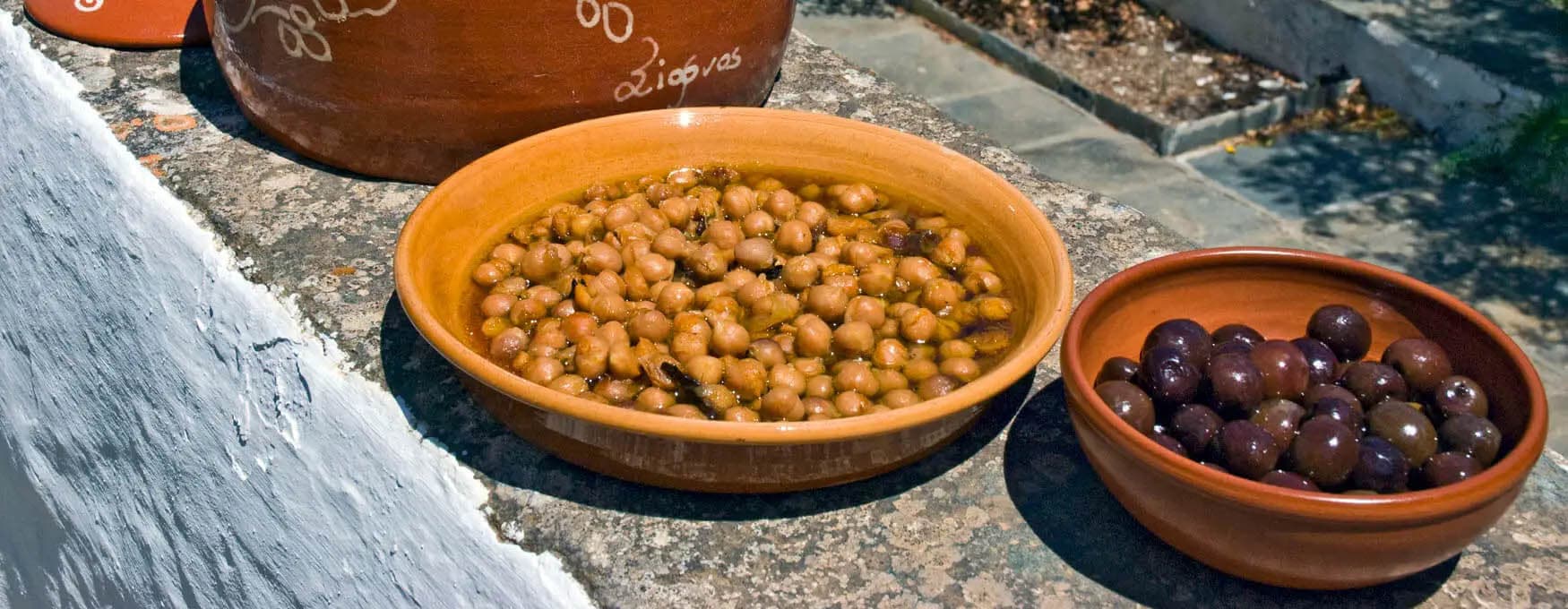
Ladera dishes (olive oil-based vegetable dishes) are a veritable feast of colours and flavours. Legumes, whether fresh or dried, are prepared in ways that preserve their full nutritional value. Beans, broad beans, lentils, split peas, chickpeas, peas and okra—simple ingredients—are transformed, with the addition of onion, spices and precious olive oil, into dishes of unexpectedly rich and memorable taste.
The charm of diminutives
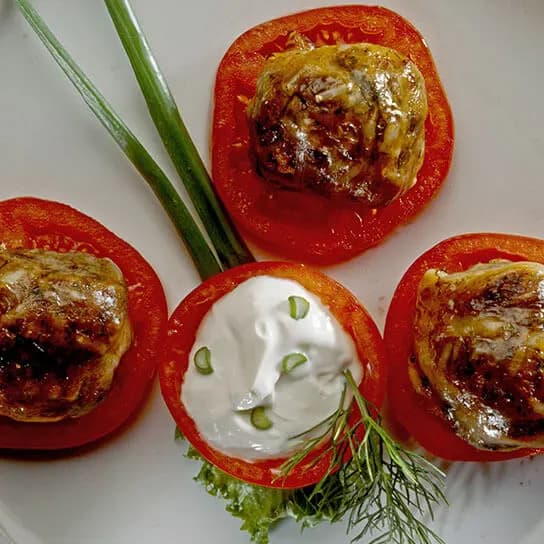
Greek cuisine abounds with dishes known by diminutive names: keftedákia (little meatballs), dolmadákia (little stuffed vine leaves), paidákia (little lamb chops), saganákia, bourekákia, kalamarakia (little squids). Likewise, psarákia (little fish), hortaroúdia (tender greens) and elítses (little olives). These affectionate names describe small pleasures and everyday celebrations, with no occasion other than the joy of life itself. It is this sense of maternal care, echoed in such tender expressions, that lends traditional Greek cuisine its distinctive charm and enduring appeal.
Cooking up treasures
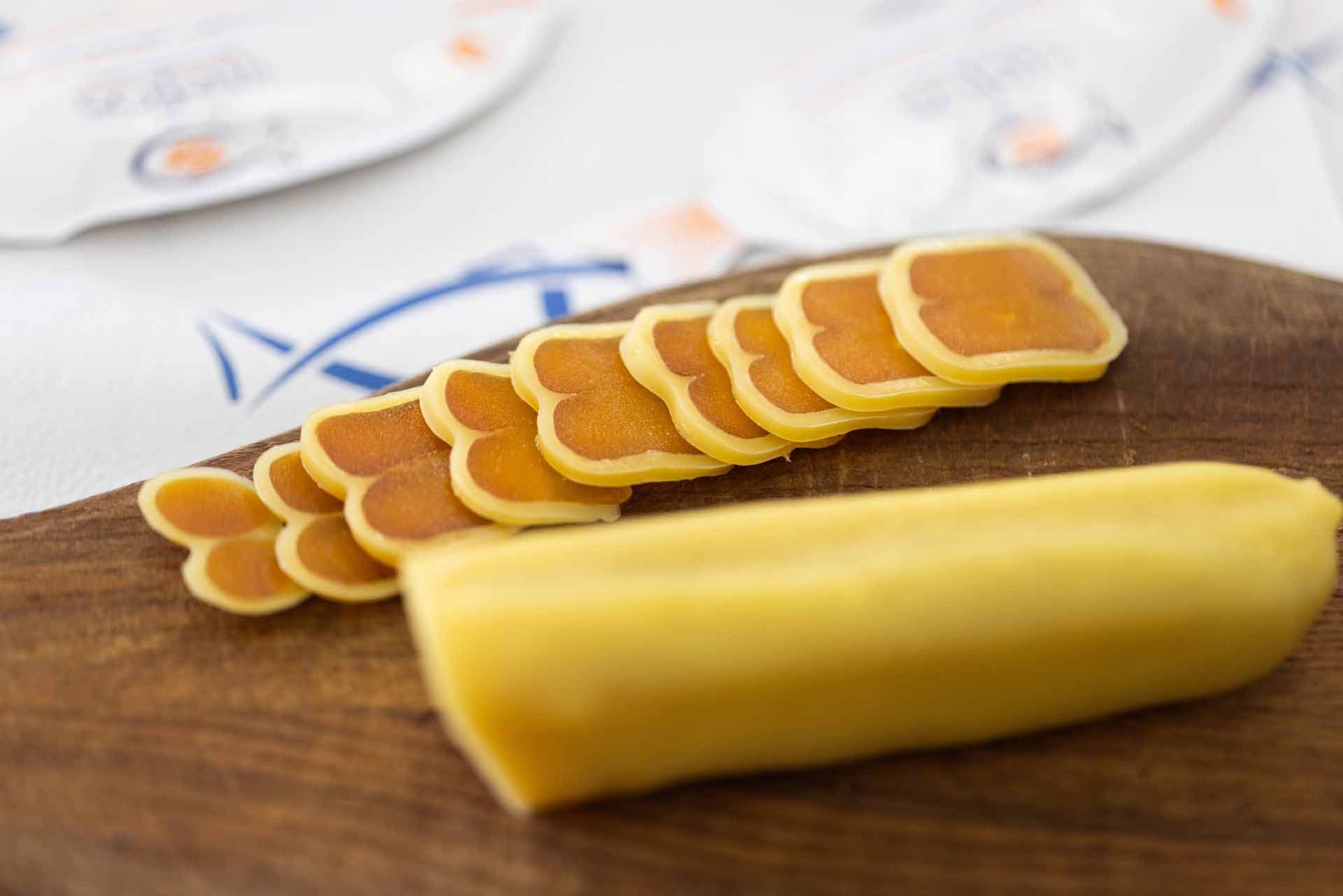
Beyond the familiar ingredients one encounters in Greek cuisine, there are also rare delicacies prepared in distinctive ways. Bulbs of remarkable nutritional value grace the Greek table, while select game from the mountains and gifts from the sea—such as avgotaracho (bottarga)—along with rare wild greens and fragrant fruits, create truly memorable culinary surprises. Wild asparagus and wild artichokes, forest mushrooms, snails and herbs—whatever nature provides—is transformed into first-rate fare in Greek cooking.
The wealth of the sea
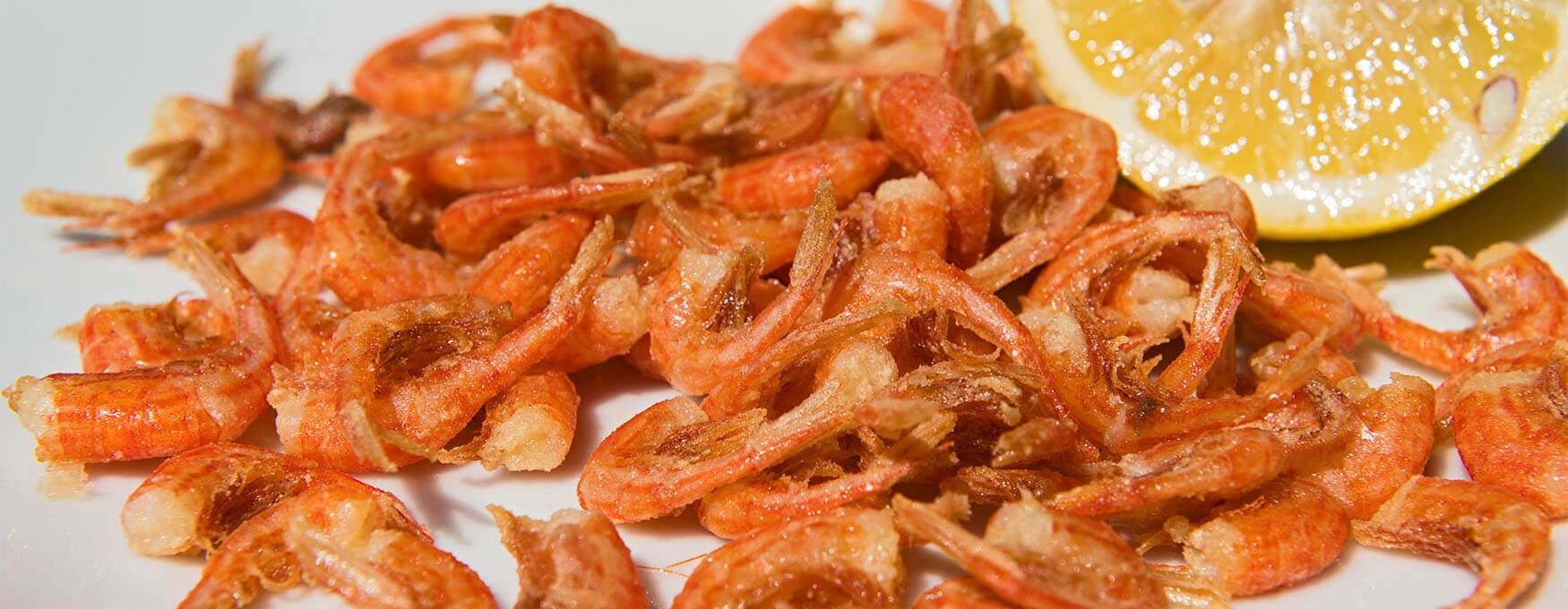
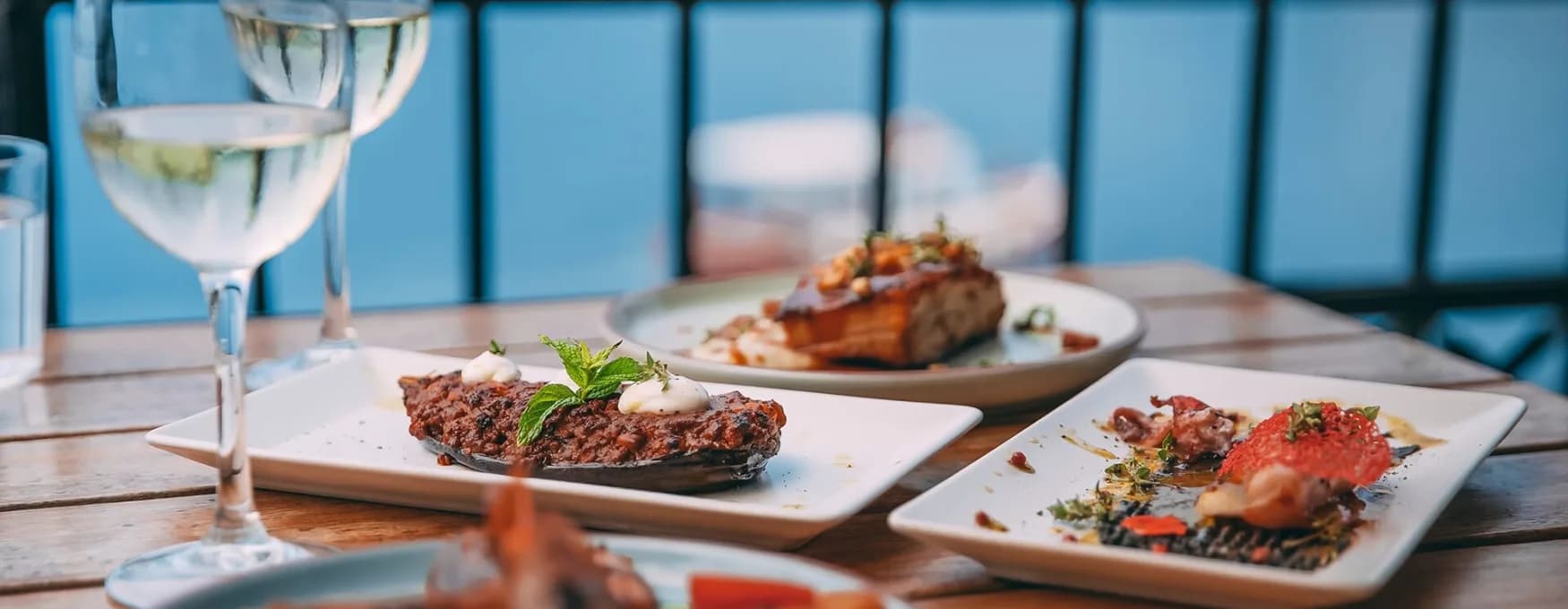
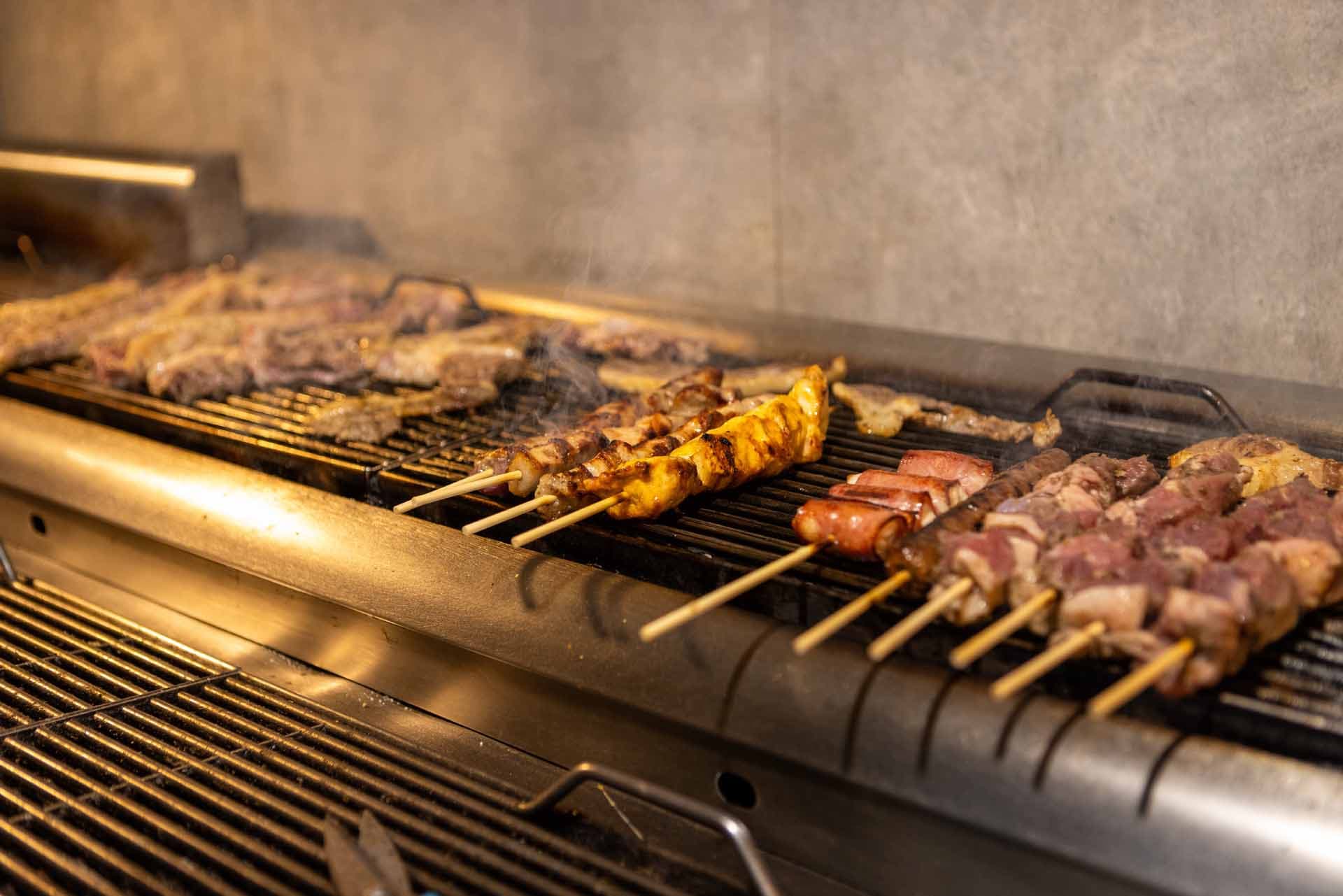
There is an abundance of traditional Greek dishes infused with the aroma of the sea. Greek waters yield some of the finest-tasting fish in the world. Exquisite fish-based soups, enticing seafood meze, and premium large fish grilled over charcoal—or smaller fish lightly fried—are typically enjoyed alongside white wine, ouzo or tsipouro.
Mountain recipes
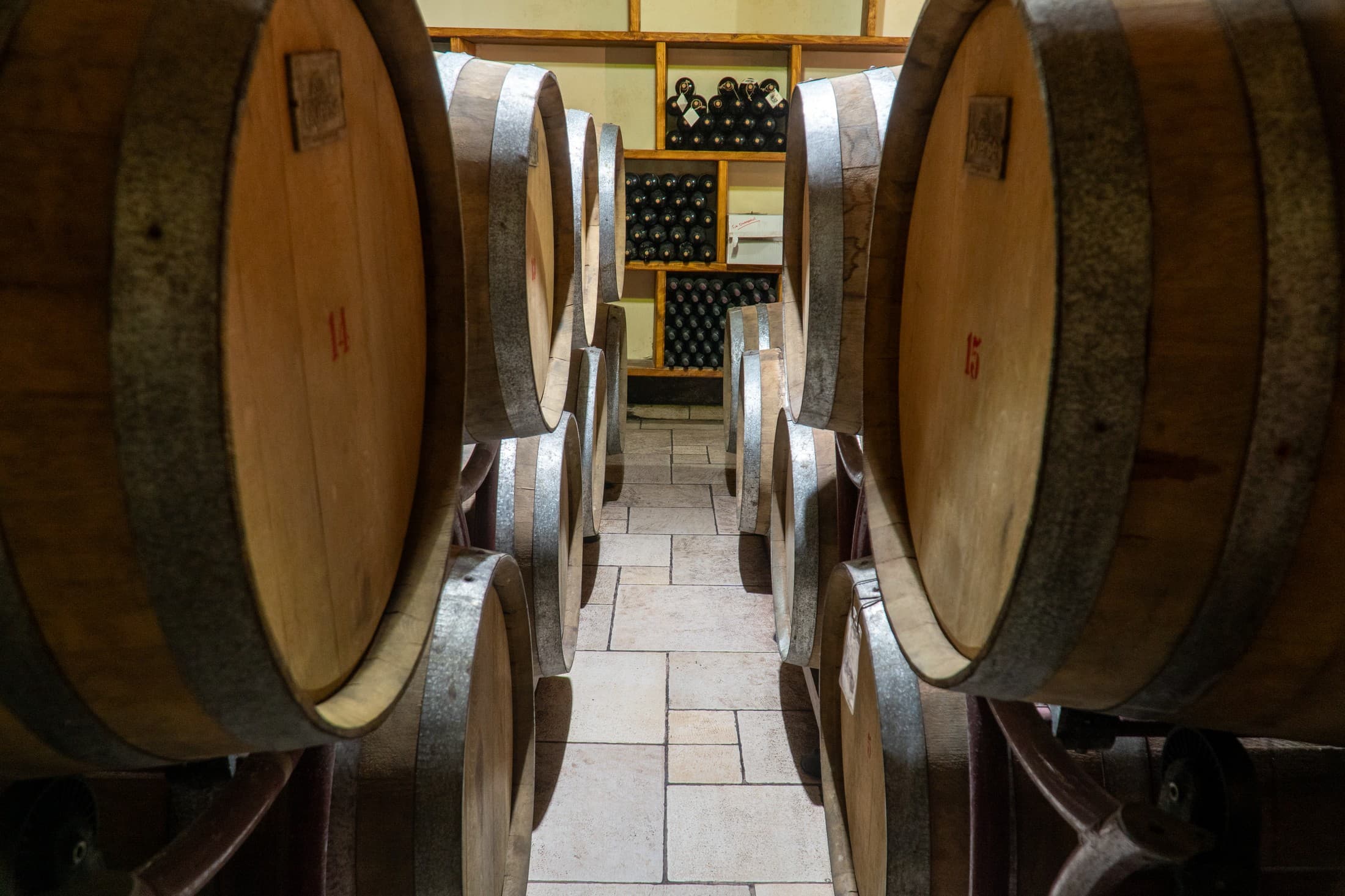
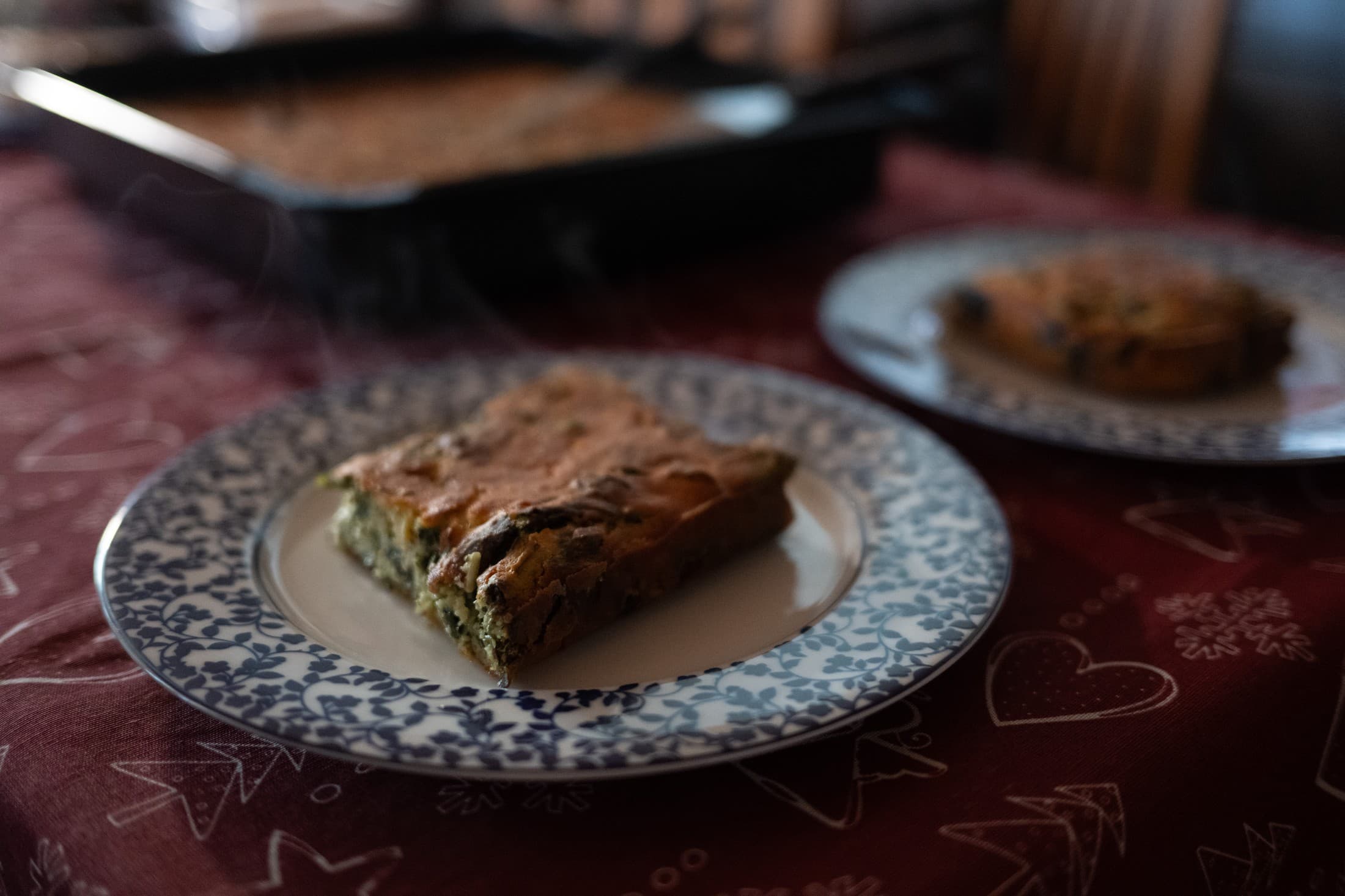
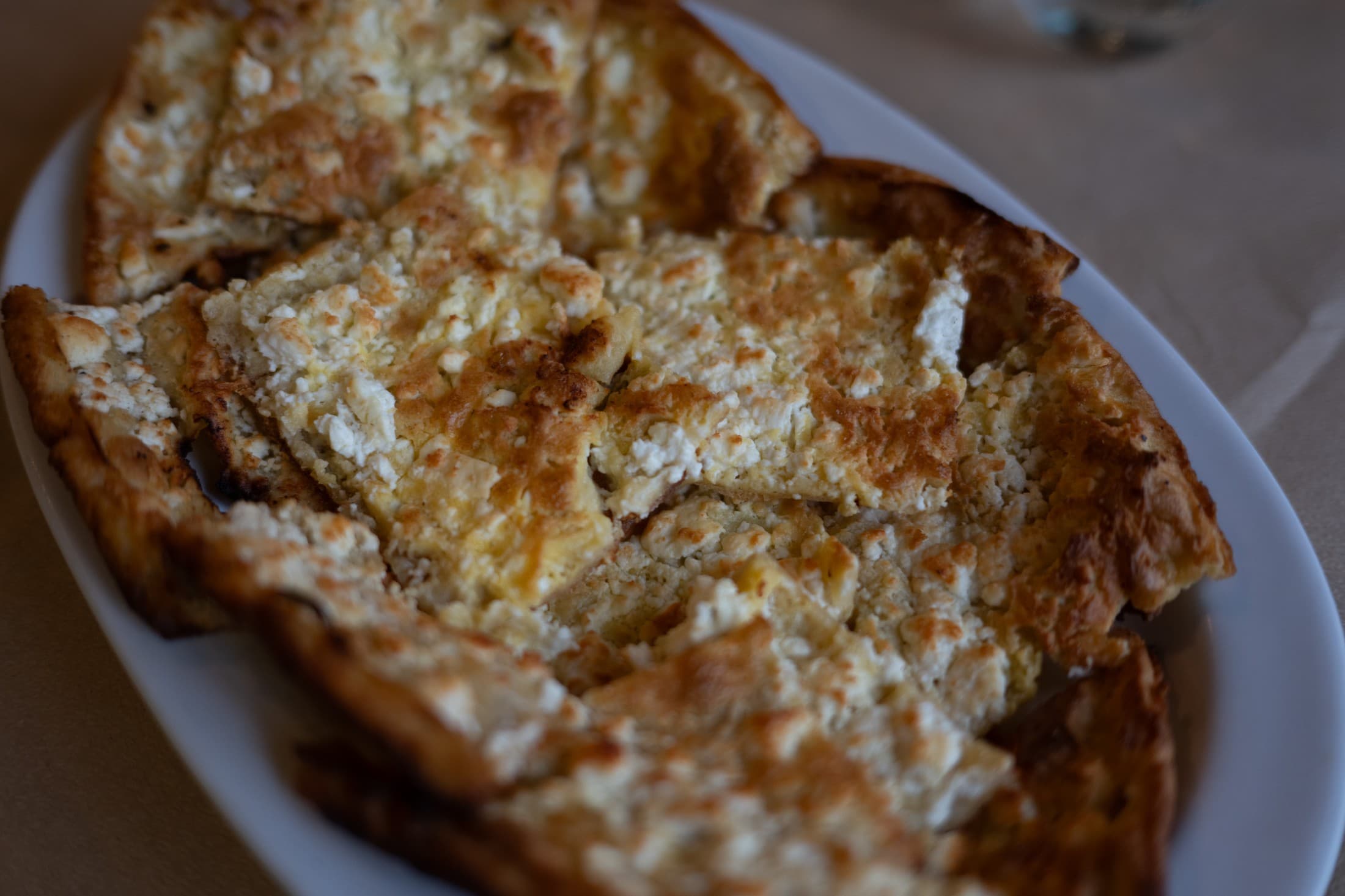
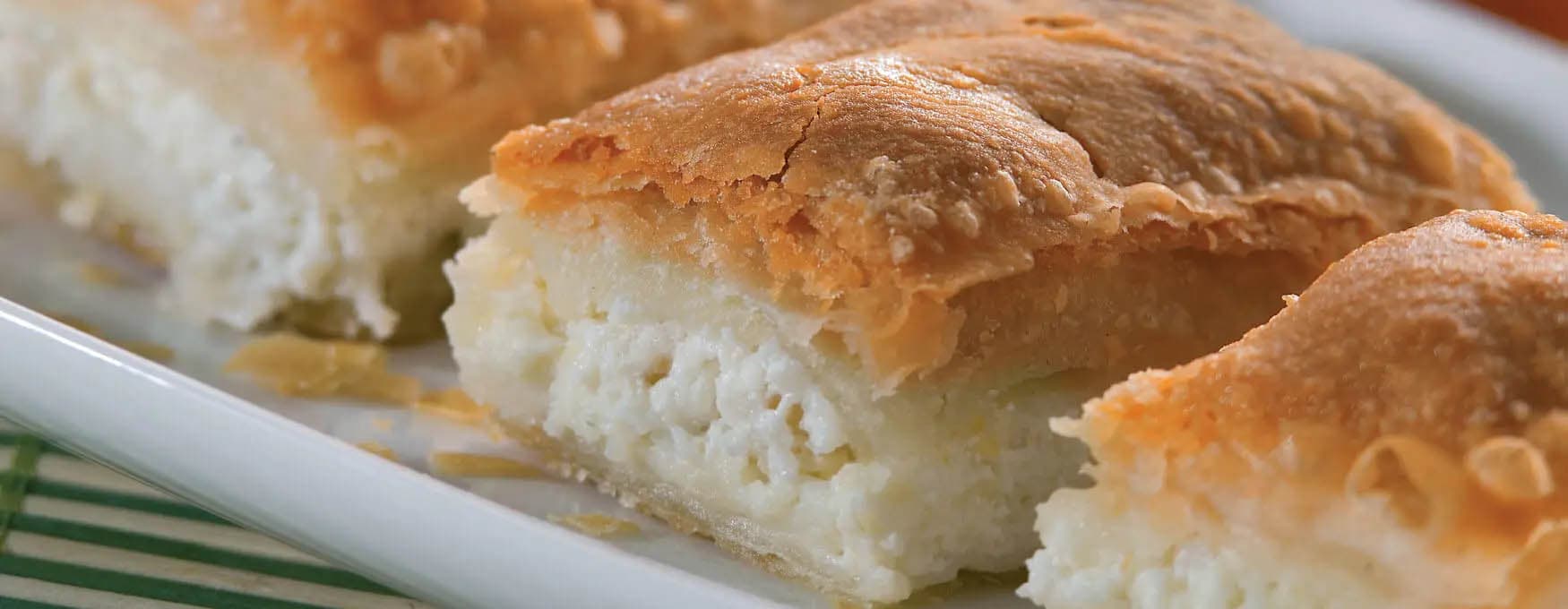
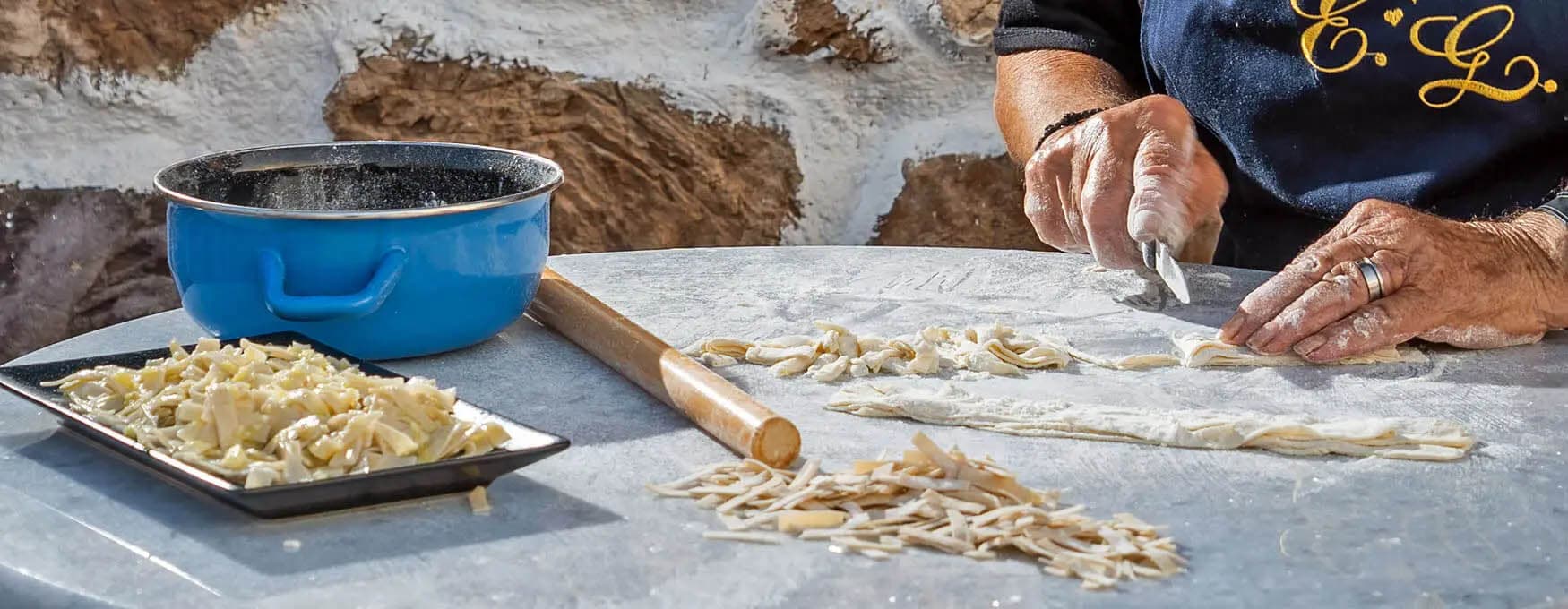
Mountainous Greece is a gastronomic paradise. Rich meat dishes, fragrant pies, traditional pastas, robust red wines and spirits create an inexhaustible wealth of flavours. In Epirus and Macedonia, in the mountainous Peloponnese, and even in the highlands of the islands, a primordial culinary tradition artfully combines ingredients to deliver deep enjoyment. Having preserved its heritage intact, mountainous Greece is recognised as a destination offering the country’s most authentic tastes.
A tip of sugar and honey
All the ingredients bestowed by the Greek land are transformed into sweet creations in the skilled hands of master confectioners. The variety of desserts is vast—yet their originality is even greater.
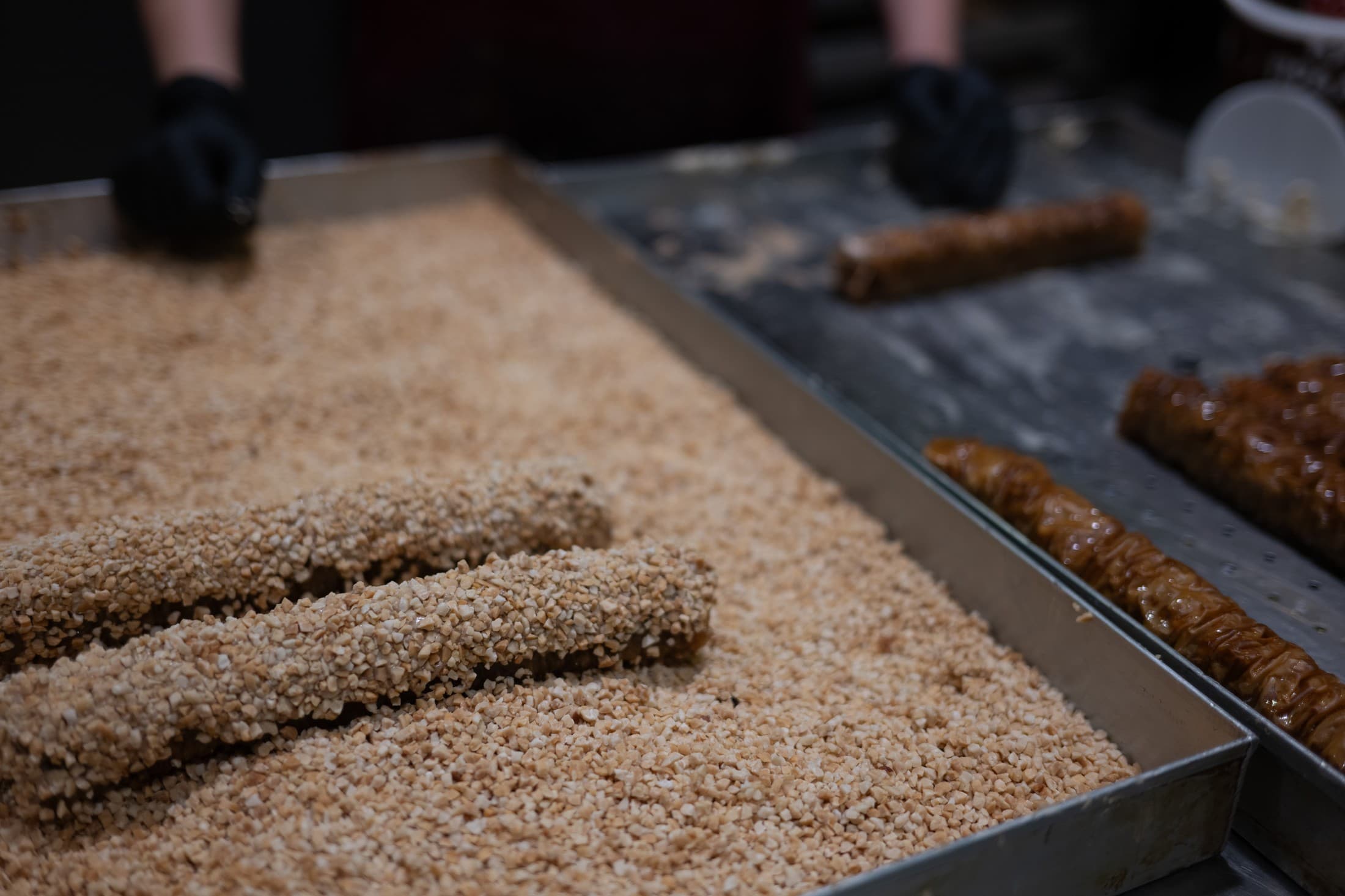
Syrup-soaked tray bakes and exquisite sweet pies are renowned around the world. Kataifi, baklava, galaktoboureko, the Macedonian roxakia, and revani are just a few of the traditional delights of Greek patisserie. There are also unexpected ingredients which, with craft and expertise, are turned into truly unique sweets.
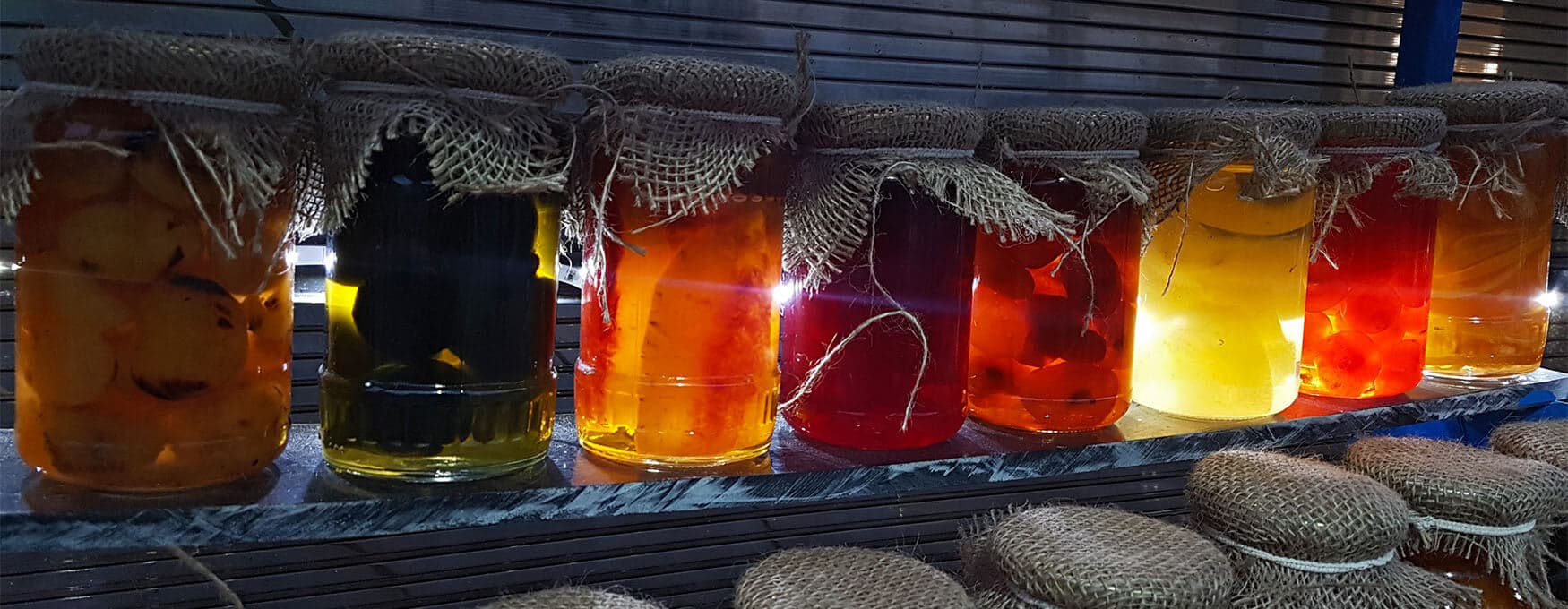
Especially, spoon sweets hold a special place in traditional Greek confectionery. Baby aubergines, bitter oranges, young walnuts, fragrant rose petals, even watermelon, are all transformed into distinctive preserves, gently simmered with sugar and honey.
Greek cuisine, rich in authentic flavours and aromas, represents a cultural continuum spanning centuries. Women have played a privileged role in this tradition. As key figures within the family microcosm, and through their wise stewardship of ingredients, they have shaped, through ingenuity, the character of Greek gastronomy.
Today, as people rediscover enduring values, this style of cooking, whose principal ingredient is love, emerges as a guardian of memory. Let us take a closer look at the creativity and long-standing tradition that have produced rare flavours—synonymous with Greek culture—and temptations to which we simply surrender.
The true essence of olive oil
For Greeks, olive oil is not merely precious—it is truly sacred. Interwoven with the cycle of life through age-old traditions, it highlights the vital relationship this noble elixir holds with humankind.
Ladera dishes (olive oil-based vegetable dishes) are a veritable feast of colours and flavours. Legumes, whether fresh or dried, are prepared in ways that preserve their full nutritional value. Beans, broad beans, lentils, split peas, chickpeas, peas and okra—simple ingredients—are transformed, with the addition of onion, spices and precious olive oil, into dishes of unexpectedly rich and memorable taste.
The charm of diminutives
Greek cuisine abounds with dishes known by diminutive names: keftedákia (little meatballs), dolmadákia (little stuffed vine leaves), paidákia (little lamb chops), saganákia, bourekákia, kalamarakia (little squids). Likewise, psarákia (little fish), hortaroúdia (tender greens) and elítses (little olives). These affectionate names describe small pleasures and everyday celebrations, with no occasion other than the joy of life itself. It is this sense of maternal care, echoed in such tender expressions, that lends traditional Greek cuisine its distinctive charm and enduring appeal.
Cooking up treasures
Beyond the familiar ingredients one encounters in Greek cuisine, there are also rare delicacies prepared in distinctive ways. Bulbs of remarkable nutritional value grace the Greek table, while select game from the mountains and gifts from the sea—such as avgotaracho (bottarga)—along with rare wild greens and fragrant fruits, create truly memorable culinary surprises. Wild asparagus and wild artichokes, forest mushrooms, snails and herbs—whatever nature provides—is transformed into first-rate fare in Greek cooking.
The wealth of the sea
There is an abundance of traditional Greek dishes infused with the aroma of the sea. Greek waters yield some of the finest-tasting fish in the world. Exquisite fish-based soups, enticing seafood meze, and premium large fish grilled over charcoal—or smaller fish lightly fried—are typically enjoyed alongside white wine, ouzo or tsipouro.
Mountain recipes
Mountainous Greece is a gastronomic paradise. Rich meat dishes, fragrant pies, traditional pastas, robust red wines and spirits create an inexhaustible wealth of flavours. In Epirus and Macedonia, in the mountainous Peloponnese, and even in the highlands of the islands, a primordial culinary tradition artfully combines ingredients to deliver deep enjoyment. Having preserved its heritage intact, mountainous Greece is recognised as a destination offering the country’s most authentic tastes.
A tip of sugar and honey
All the ingredients bestowed by the Greek land are transformed into sweet creations in the skilled hands of master confectioners. The variety of desserts is vast—yet their originality is even greater.
Syrup-soaked tray bakes and exquisite sweet pies are renowned around the world. Kataifi, baklava, galaktoboureko, the Macedonian roxakia, and revani are just a few of the traditional delights of Greek patisserie. There are also unexpected ingredients which, with craft and expertise, are turned into truly unique sweets.
Especially, spoon sweets hold a special place in traditional Greek confectionery. Baby aubergines, bitter oranges, young walnuts, fragrant rose petals, even watermelon, are all transformed into distinctive preserves, gently simmered with sugar and honey.