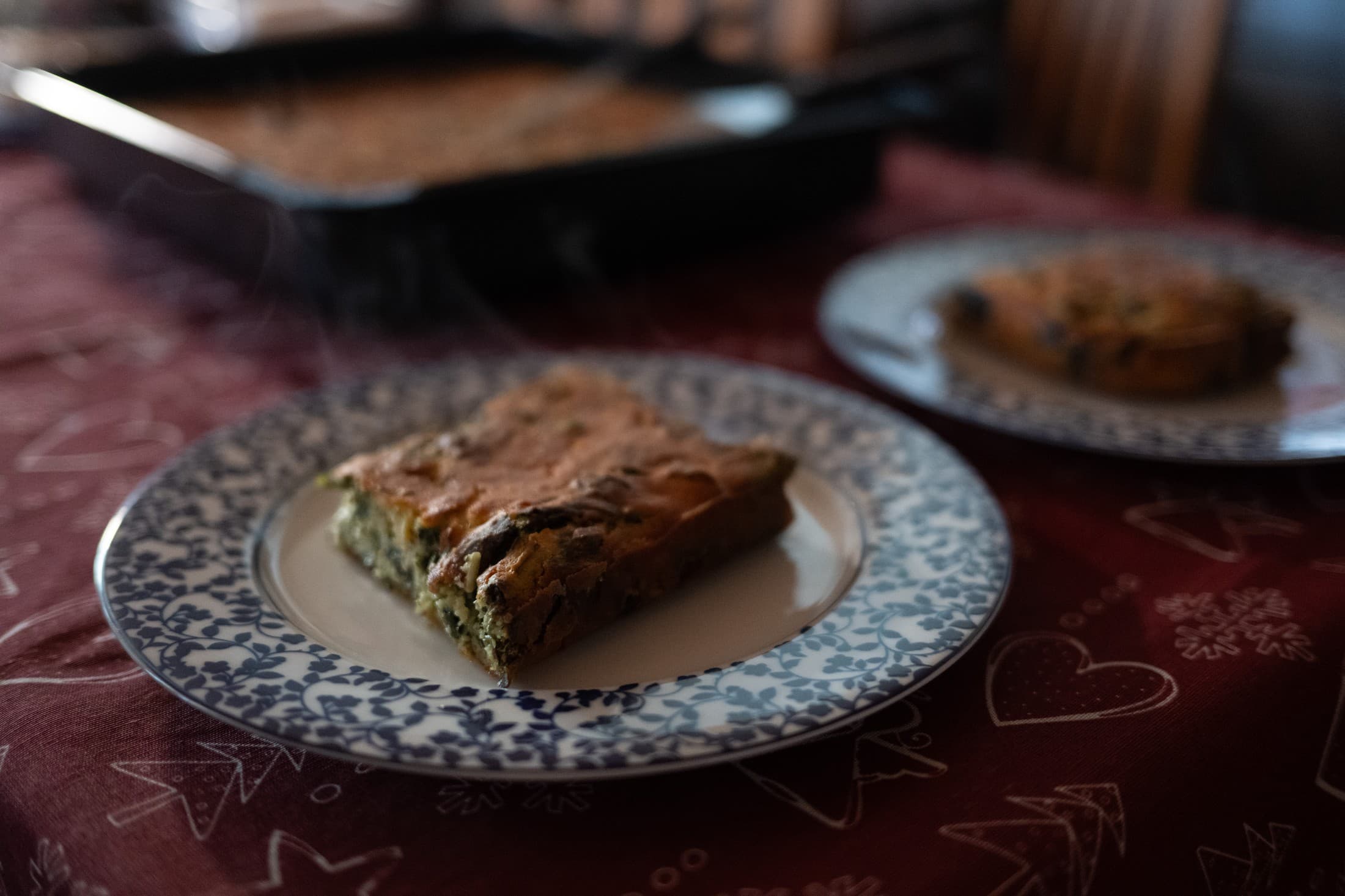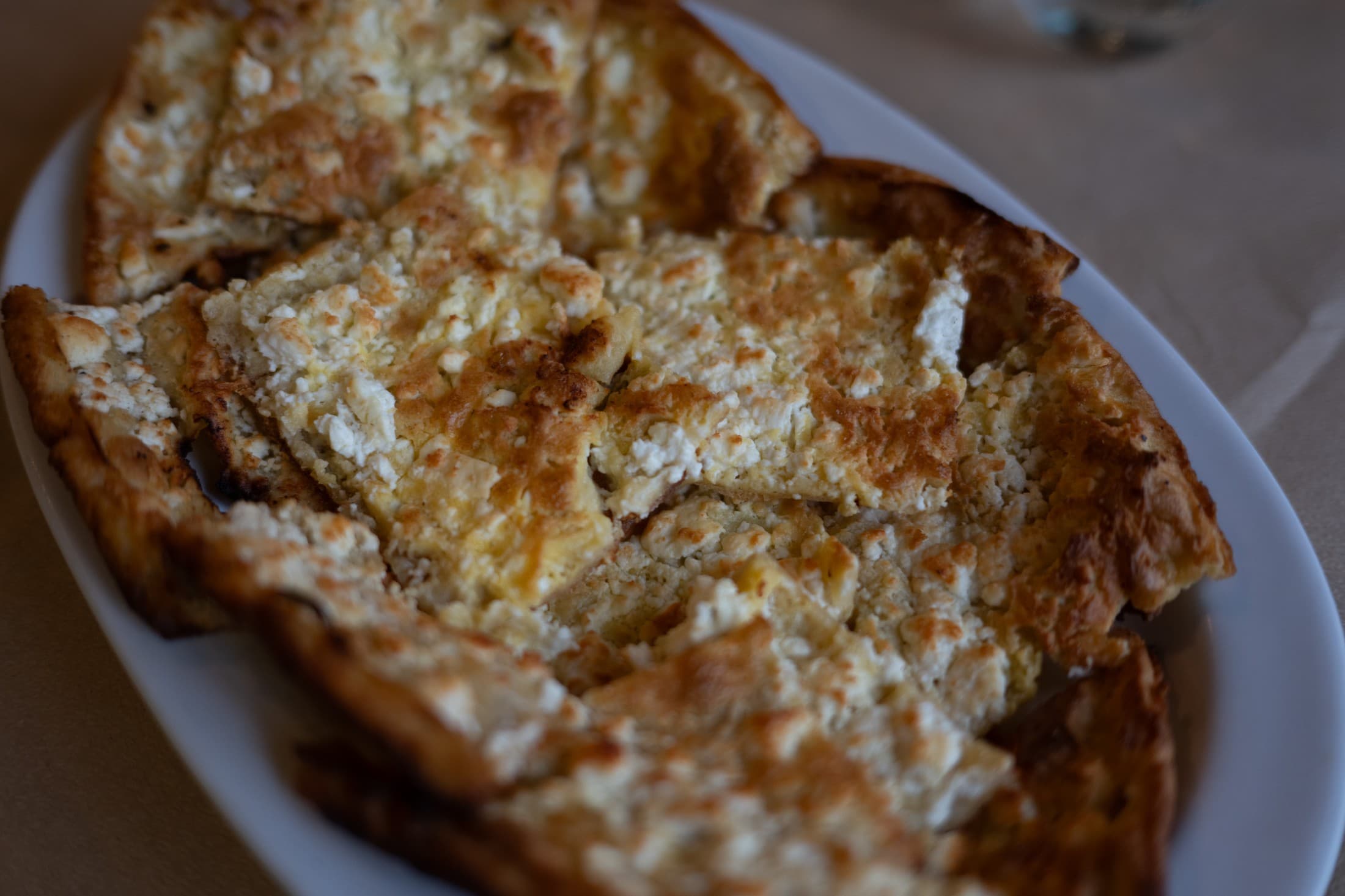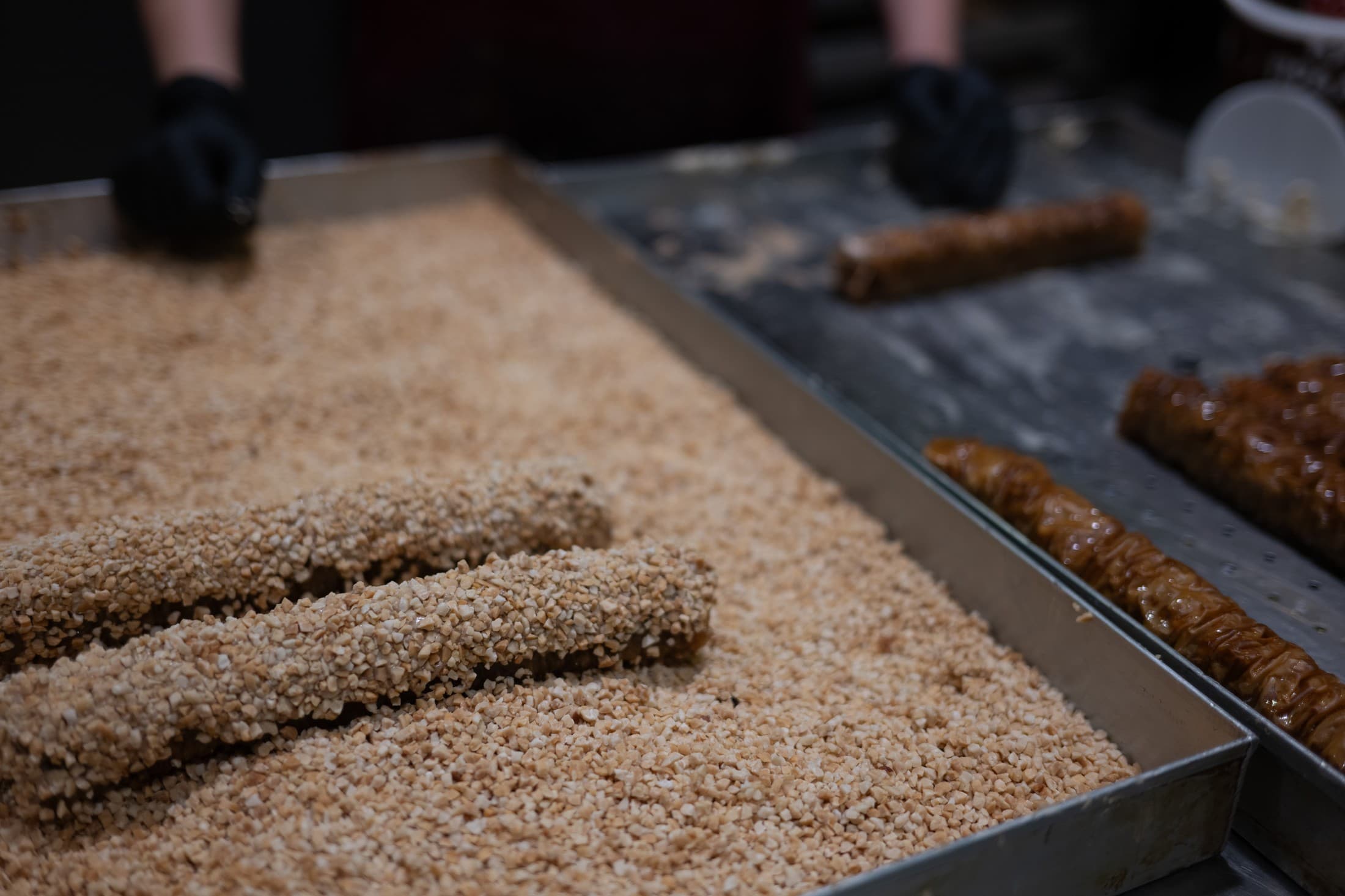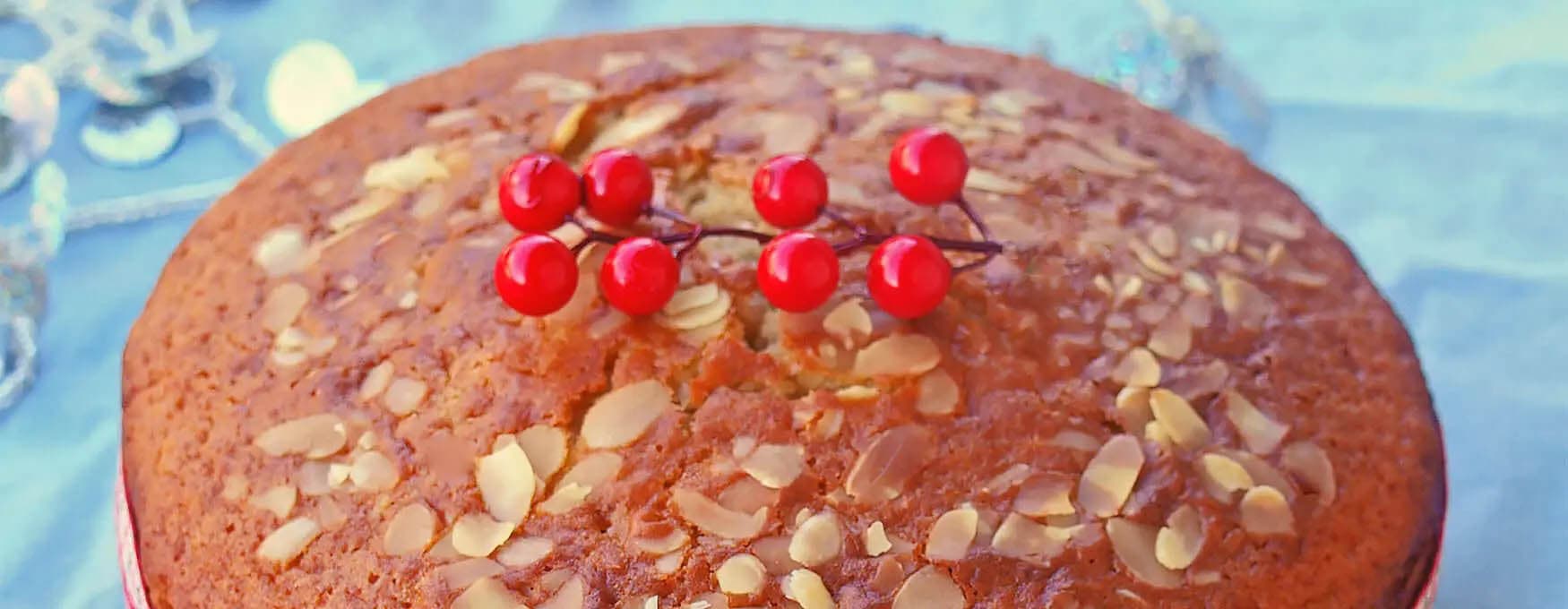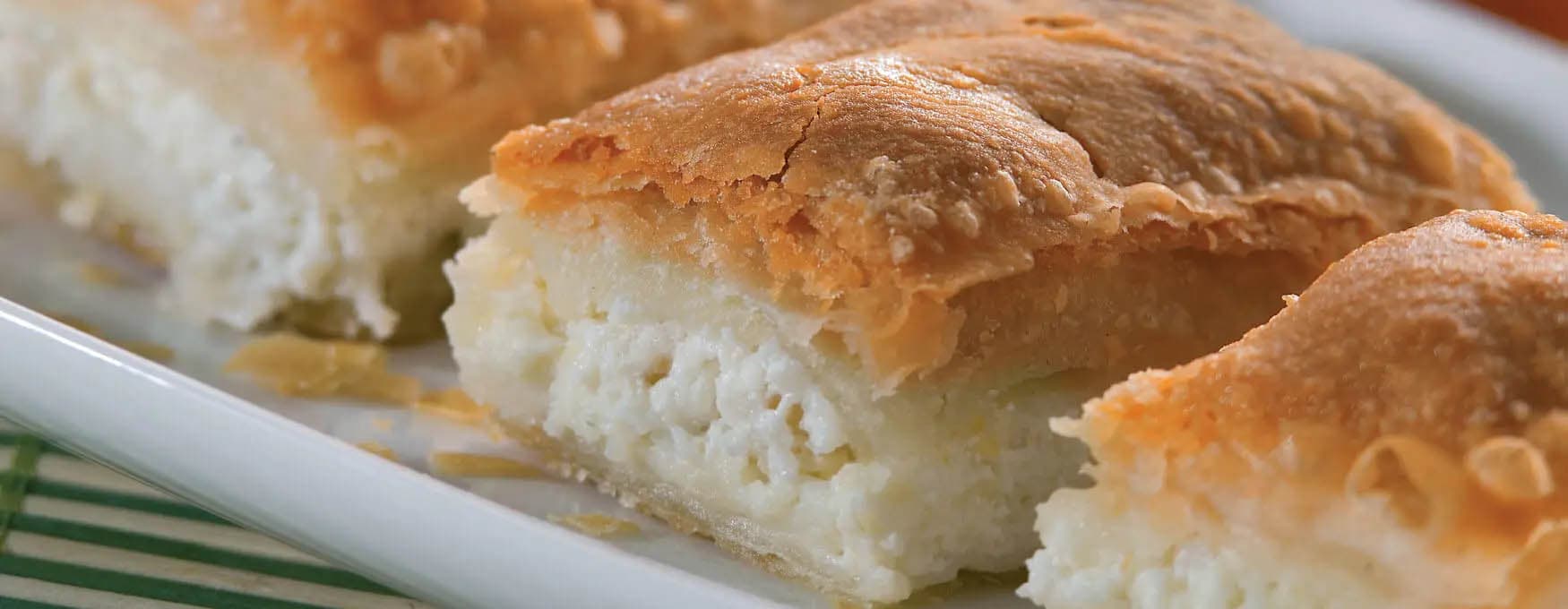
Whether savoury or sweet, made with filo or flaky puff, round, spiral, or triangular, everyday treats or festive centrepieces—simple or elaborate—traditional pies form a rich and essential chapter of Greek gastronomy.
Perfectly expressing the Greek culinary spirit of simplicity, these pies are flavourful masterpieces crafted from humble ingredients, combining the wisdom of frugal cooking with the finesse of haute cuisine. At times they are an indispensable accompaniment to a generous table, while at others they serve as a delicious and wholesome snack throughout the day.
Show Me Your Filo Pastry… and I’ll Tell You Which Pie You Are!
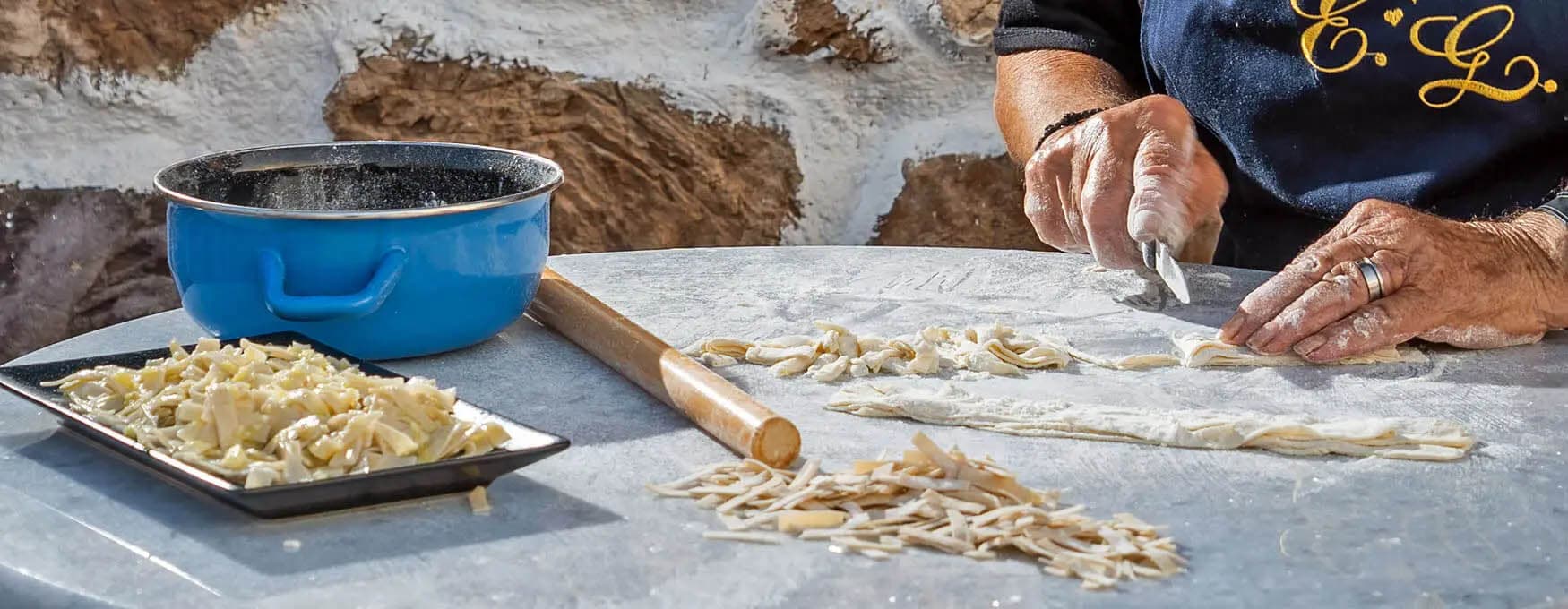
The defining feature of a traditional pie is undoubtedly its fresh, handmade pastry, crafted from pure ingredients. Different methods of working the dough create a wide variety of textures—sometimes thin and translucent, at other times thicker and more indulgent. Some pies are made with multiple layers of pastry in the baking tin, filled with mixtures such as spinach, cheese, wild greens, or vegetables. Others, however, are made without pastry altogether; in these cases, a rich batter of flour and other ingredients takes its place. Rolling out homemade, traditional pastry requires skill and care. It is something of a ritual—yet, despite its artistry, it is by no means a difficult process.
Everything Can Become a Pie!
Beyond the many variations of pastry, the range of pie fillings is virtually limitless. It depends solely on the ingenuity of the “creator” and the distinctive produce of each region. Everything can become a pie! From cheese and wild greens to meat, fish, pasta, rice, trachanas, vegetables… and anything else you can imagine.
Greek creativity has given rise to an endless array of delicious combinations: cheese pie, spinach pie, leek pie, nettle pie, meat pie, minced meat pie, mushroom pie, onion pie, cabbage pie, chicken pie, potato pie, pasta pie, pastourma pie, courgette pie… The possibilities are truly inexhaustible!
A Traditional Delicacy in Every Corner of the Country
Depending on the filling, the pastry, the shape, the baking method, and the size, every pie you encounter across Greece is unique. From Thrace and Macedonia to Thessaly, Epirus, the Peloponnese, Crete and the islands, every corner of the country creates its own distinctive pies—baked in the oven or cooked in the frying pan.
So, make a note of which pies to try on your travels around Greece: in Thessaloniki, sample sweet or savoury bougatsa; on Kefalonia, try meat pie and cod pie; on Skopelos, taste its famous coiled pie; on Skyros, seek out marmarites; on Kimolos, enjoy ladenia; on Karpathos, savour vegetable pie; on Lefkada, try maridopita; on Mykonos, taste onion pie; in Zagorochoria, sample flour pie; throughout Thessaly, enjoy plasto; and in Karditsa, don’t miss batzina.
On your journey through Epirus, be sure to try kothropita and pepeki, while in Ioannina sample batsaria and in Preveza savour blatsara. On the beautiful island of Lesvos, don’t miss the delicious gkiouzlemedes, while in Messolonghi try psiandra, flaouna and brikopita. In Chalkidiki, look out for kolobaropita; in Katerini, taste the Kallithiotiki pie; and on Crete, savour tzoulamas in the Mesara Valley and boureki in Chania.
As for sweet pies, alongside the ever-popular bougatsa, the standouts include the galatopita of Thessaly, rizopita from Zagorochoria, melopita from Sifnos, and rice pie with red pumpkin from Pelion. The Sfakian pie of Crete is equally delightful served either savoury or sweet—simply add a drizzle of honey on top.
A Touch of History
Pie is a dish known since antiquity and was, in fact, part of the daily diet of the ancient Greeks. At the ariston—their morning meal—they would enjoy a pie whose dough was made with wine as a key ingredient, while at symposia they savoured honey pies as a sweet treat. “Mytlotós” was another type of pie, filled with cheese, honey and garlic, while “maza” was a particularly nourishing pie made from dough combining flour with barley, rye, oats or millet, along with various legumes.
Perfectly expressing the Greek culinary spirit of simplicity, these pies are flavourful masterpieces crafted from humble ingredients, combining the wisdom of frugal cooking with the finesse of haute cuisine. At times they are an indispensable accompaniment to a generous table, while at others they serve as a delicious and wholesome snack throughout the day.
Show Me Your Filo Pastry… and I’ll Tell You Which Pie You Are!
The defining feature of a traditional pie is undoubtedly its fresh, handmade pastry, crafted from pure ingredients. Different methods of working the dough create a wide variety of textures—sometimes thin and translucent, at other times thicker and more indulgent. Some pies are made with multiple layers of pastry in the baking tin, filled with mixtures such as spinach, cheese, wild greens, or vegetables. Others, however, are made without pastry altogether; in these cases, a rich batter of flour and other ingredients takes its place. Rolling out homemade, traditional pastry requires skill and care. It is something of a ritual—yet, despite its artistry, it is by no means a difficult process.
Everything Can Become a Pie!
Beyond the many variations of pastry, the range of pie fillings is virtually limitless. It depends solely on the ingenuity of the “creator” and the distinctive produce of each region. Everything can become a pie! From cheese and wild greens to meat, fish, pasta, rice, trachanas, vegetables… and anything else you can imagine.
Greek creativity has given rise to an endless array of delicious combinations: cheese pie, spinach pie, leek pie, nettle pie, meat pie, minced meat pie, mushroom pie, onion pie, cabbage pie, chicken pie, potato pie, pasta pie, pastourma pie, courgette pie… The possibilities are truly inexhaustible!
A Traditional Delicacy in Every Corner of the Country
Depending on the filling, the pastry, the shape, the baking method, and the size, every pie you encounter across Greece is unique. From Thrace and Macedonia to Thessaly, Epirus, the Peloponnese, Crete and the islands, every corner of the country creates its own distinctive pies—baked in the oven or cooked in the frying pan.
So, make a note of which pies to try on your travels around Greece: in Thessaloniki, sample sweet or savoury bougatsa; on Kefalonia, try meat pie and cod pie; on Skopelos, taste its famous coiled pie; on Skyros, seek out marmarites; on Kimolos, enjoy ladenia; on Karpathos, savour vegetable pie; on Lefkada, try maridopita; on Mykonos, taste onion pie; in Zagorochoria, sample flour pie; throughout Thessaly, enjoy plasto; and in Karditsa, don’t miss batzina.
On your journey through Epirus, be sure to try kothropita and pepeki, while in Ioannina sample batsaria and in Preveza savour blatsara. On the beautiful island of Lesvos, don’t miss the delicious gkiouzlemedes, while in Messolonghi try psiandra, flaouna and brikopita. In Chalkidiki, look out for kolobaropita; in Katerini, taste the Kallithiotiki pie; and on Crete, savour tzoulamas in the Mesara Valley and boureki in Chania.
As for sweet pies, alongside the ever-popular bougatsa, the standouts include the galatopita of Thessaly, rizopita from Zagorochoria, melopita from Sifnos, and rice pie with red pumpkin from Pelion. The Sfakian pie of Crete is equally delightful served either savoury or sweet—simply add a drizzle of honey on top.
A Touch of History
Pie is a dish known since antiquity and was, in fact, part of the daily diet of the ancient Greeks. At the ariston—their morning meal—they would enjoy a pie whose dough was made with wine as a key ingredient, while at symposia they savoured honey pies as a sweet treat. “Mytlotós” was another type of pie, filled with cheese, honey and garlic, while “maza” was a particularly nourishing pie made from dough combining flour with barley, rye, oats or millet, along with various legumes.