An underground wonder with a spiritual atmosphere
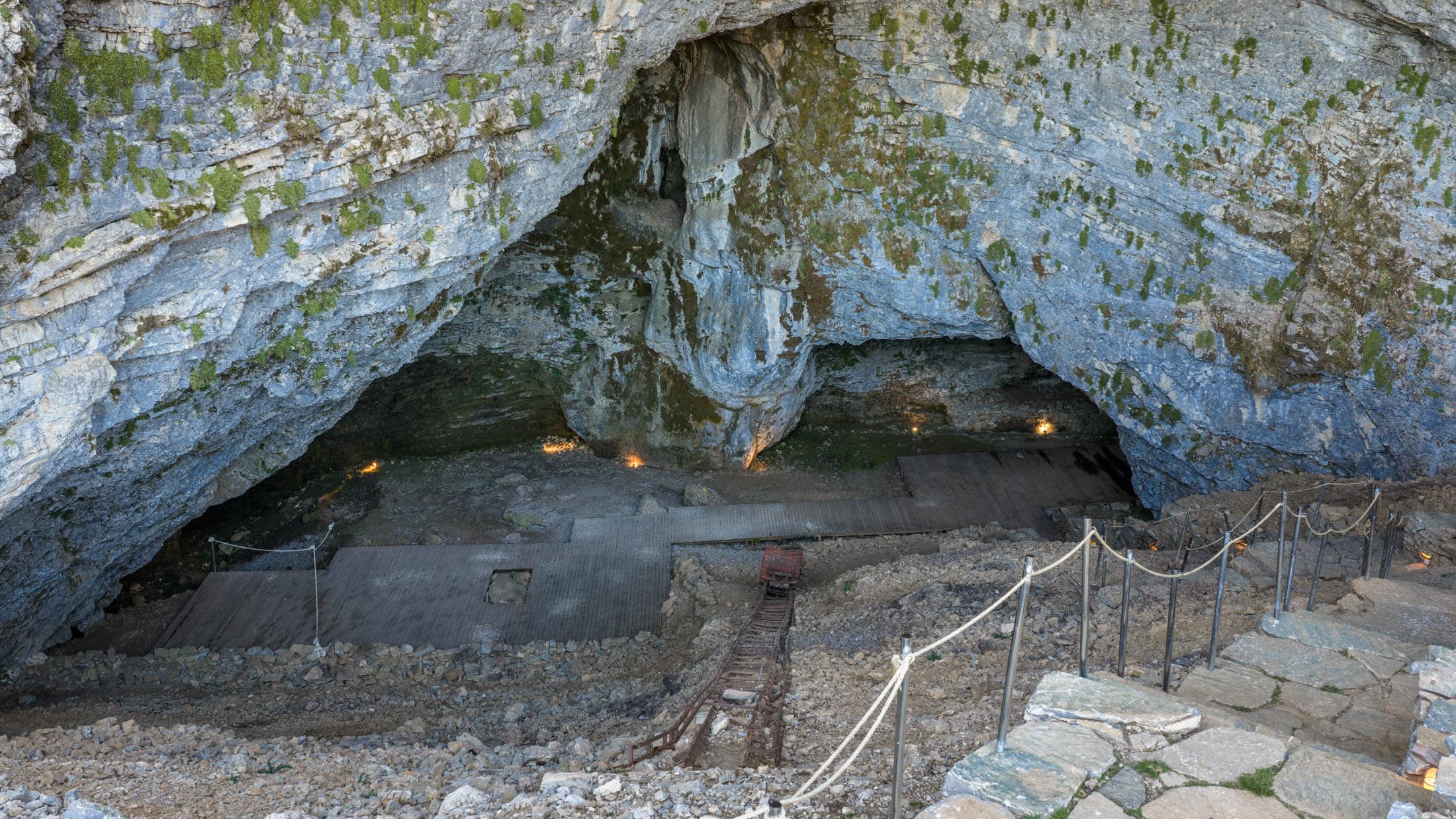
Iraklia hides within its depths an underground world of limestone and light. On the south-eastern side of the island, tucked inside a small ravine that ends at Vourkaria Bay, lies the Cave of Saint John, the largest in the Cyclades and one of the most impressive natural monuments in the Aegean.
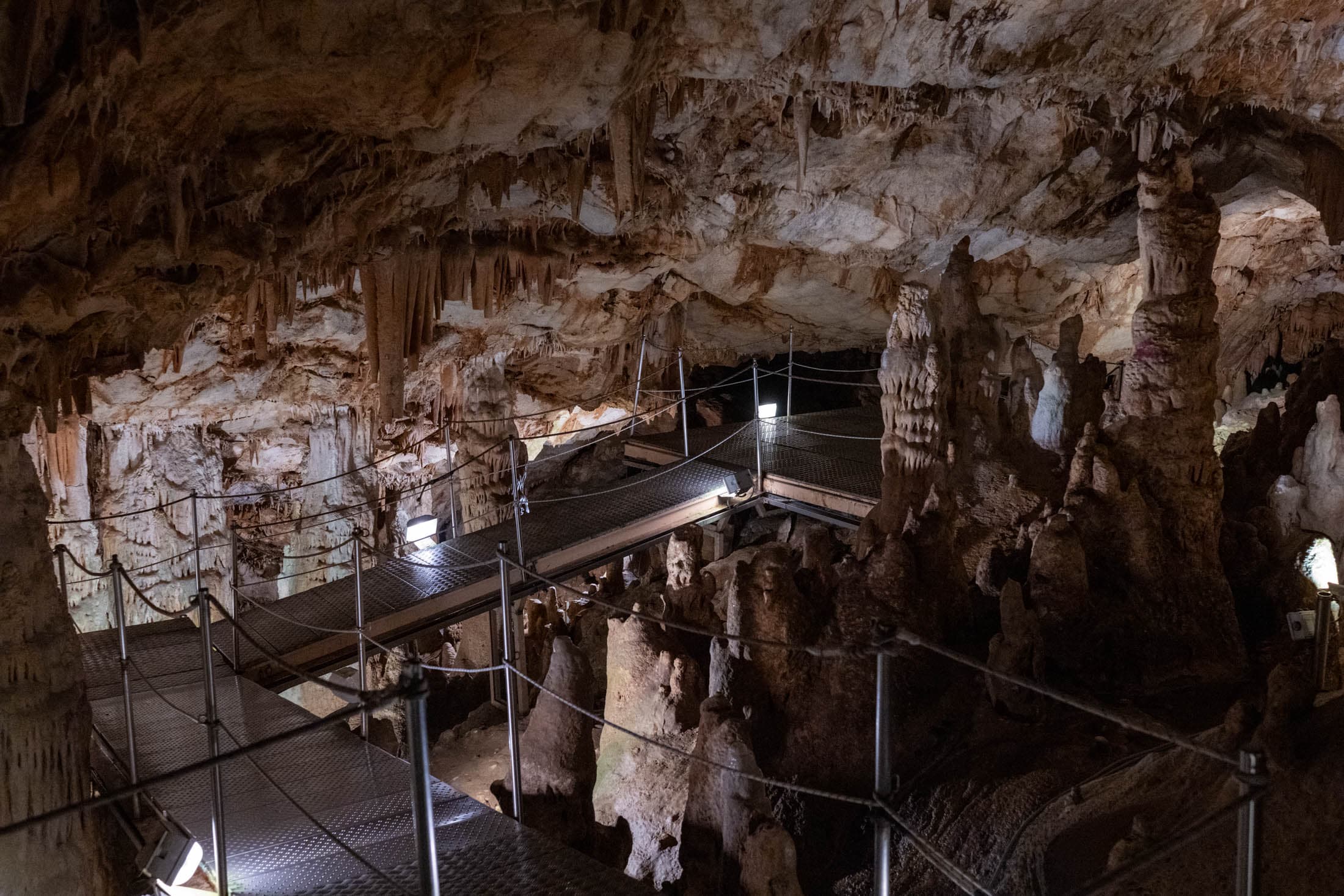
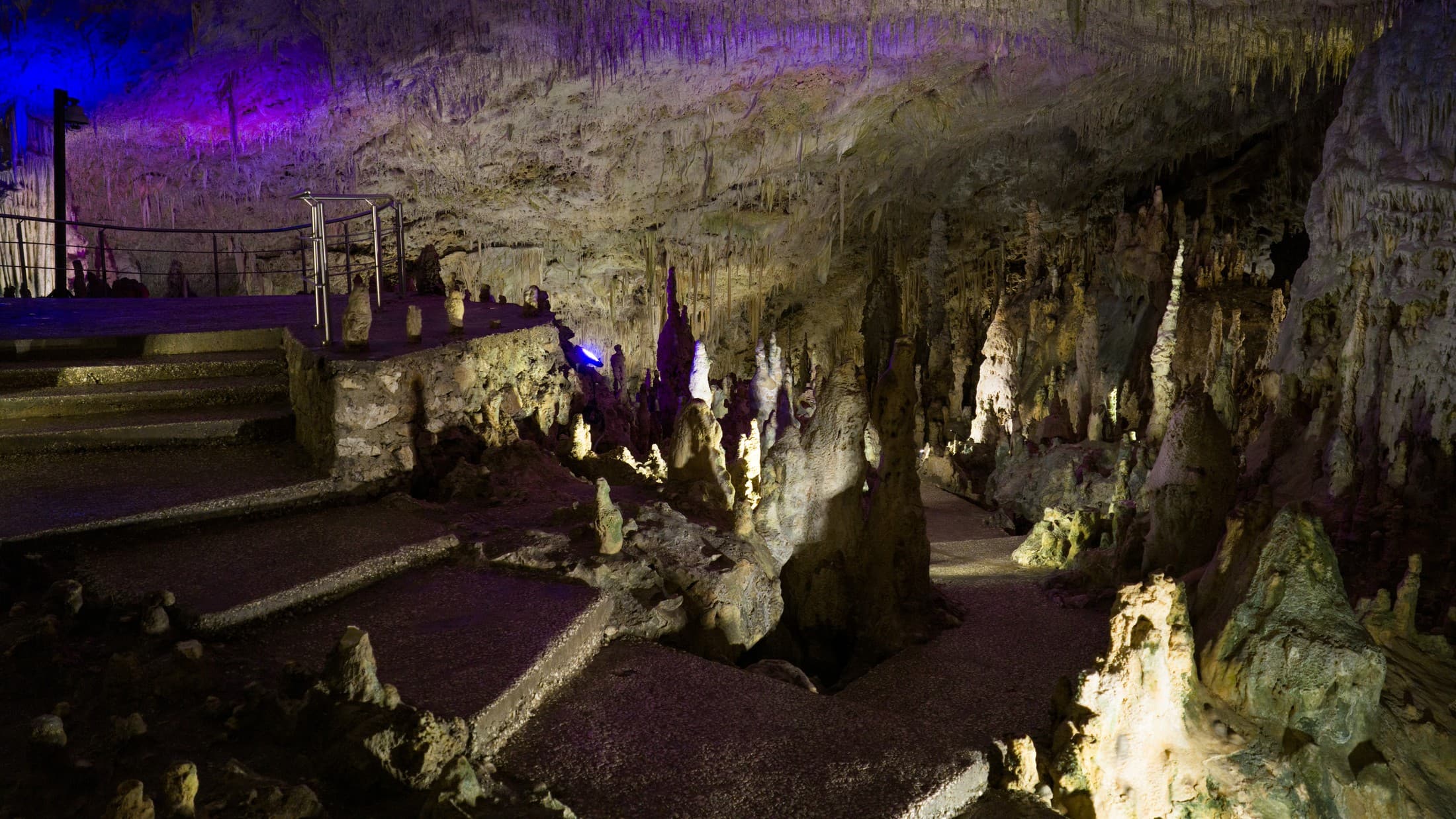
The entrance is low, measuring just half a metre in height; you need to stoop to enter, as if leaving the world of daylight behind. Inside, the temperature drops and the air fills with the characteristic dampness of the stone. The first chamber is 27 metres long and about 10 metres tall, followed by five more rooms with rich stalactitic decoration. Within them forms the so-called “cave milk”, a rare white, watery stalagmitic substance that grants the space an otherworldly glow.
Opposite the entrance, a second cave is said to have been the home of the giant Polyphemus, while according to a different local tradition the cave was discovered by chance by a shepherd seeking shelter from the rain. When he returned to the village, the image of Saint John the Baptist was imprinted on his shirt, and thus the place was named after the Saint.
Access to the cave is via a hike (approximately 45 minutes) from the hamlet of Panagia. The path traverses a peaceful landscape of thyme and dry-stone walls. From the cave entrance, the sea appears like a blue mirror — a view considered one of the most beautiful in the Lesser Cyclades.
Every 28 August, on the eve of the feast of the Beheading of Saint John the Baptist, residents and visitors of the island gather for the traditional vespers inside the first large chamber. The candlelight reflects on the rocks, the psalms echo into the depths, and the moment seems to freeze time.
The entrance is low, measuring just half a metre in height; you need to stoop to enter, as if leaving the world of daylight behind. Inside, the temperature drops and the air fills with the characteristic dampness of the stone. The first chamber is 27 metres long and about 10 metres tall, followed by five more rooms with rich stalactitic decoration. Within them forms the so-called “cave milk”, a rare white, watery stalagmitic substance that grants the space an otherworldly glow.
Opposite the entrance, a second cave is said to have been the home of the giant Polyphemus, while according to a different local tradition the cave was discovered by chance by a shepherd seeking shelter from the rain. When he returned to the village, the image of Saint John the Baptist was imprinted on his shirt, and thus the place was named after the Saint.
Access to the cave is via a hike (approximately 45 minutes) from the hamlet of Panagia. The path traverses a peaceful landscape of thyme and dry-stone walls. From the cave entrance, the sea appears like a blue mirror — a view considered one of the most beautiful in the Lesser Cyclades.
Every 28 August, on the eve of the feast of the Beheading of Saint John the Baptist, residents and visitors of the island gather for the traditional vespers inside the first large chamber. The candlelight reflects on the rocks, the psalms echo into the depths, and the moment seems to freeze time.