Βυζαντινή Πολυτέλεια στον Παρνασσό
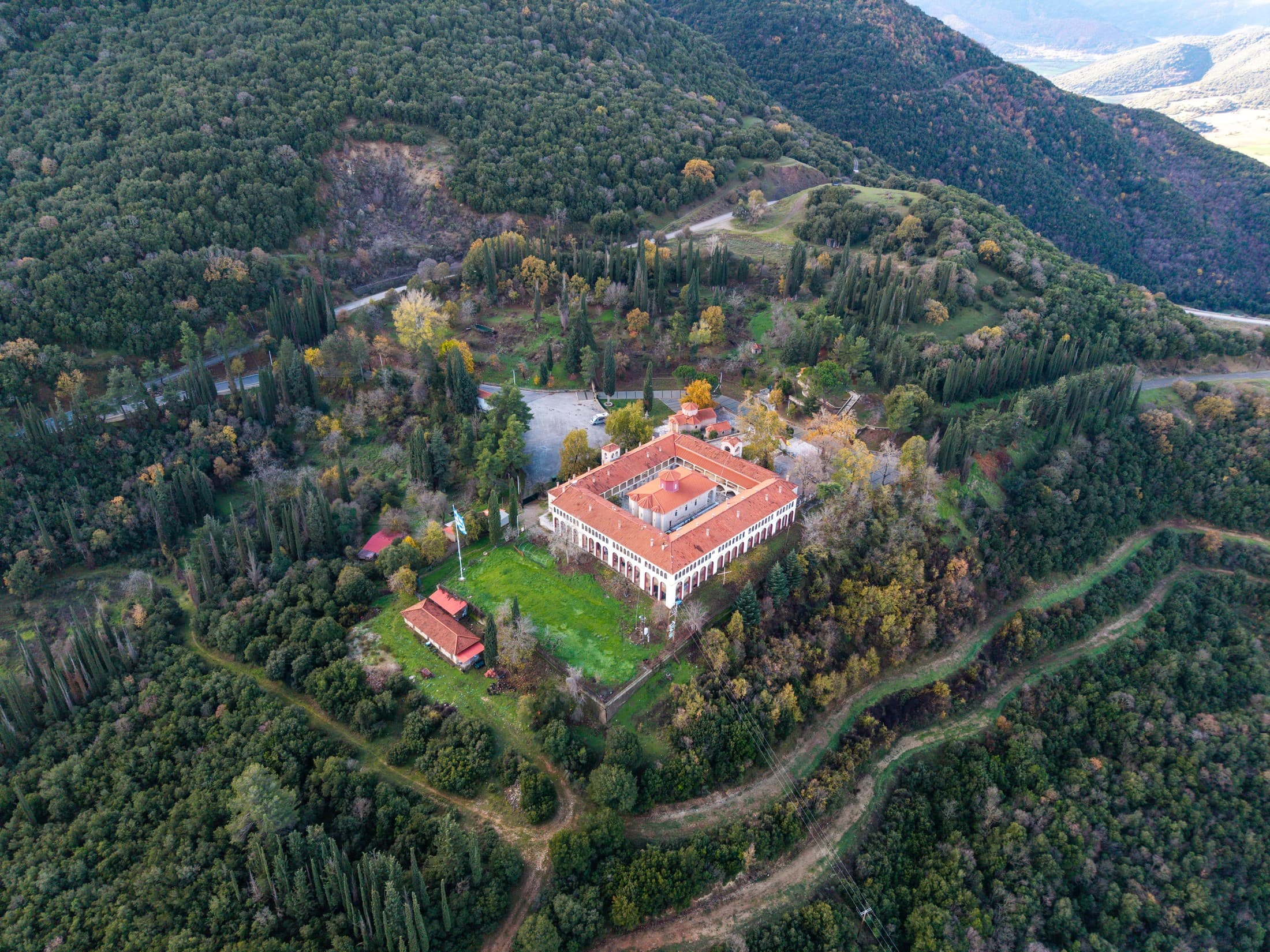
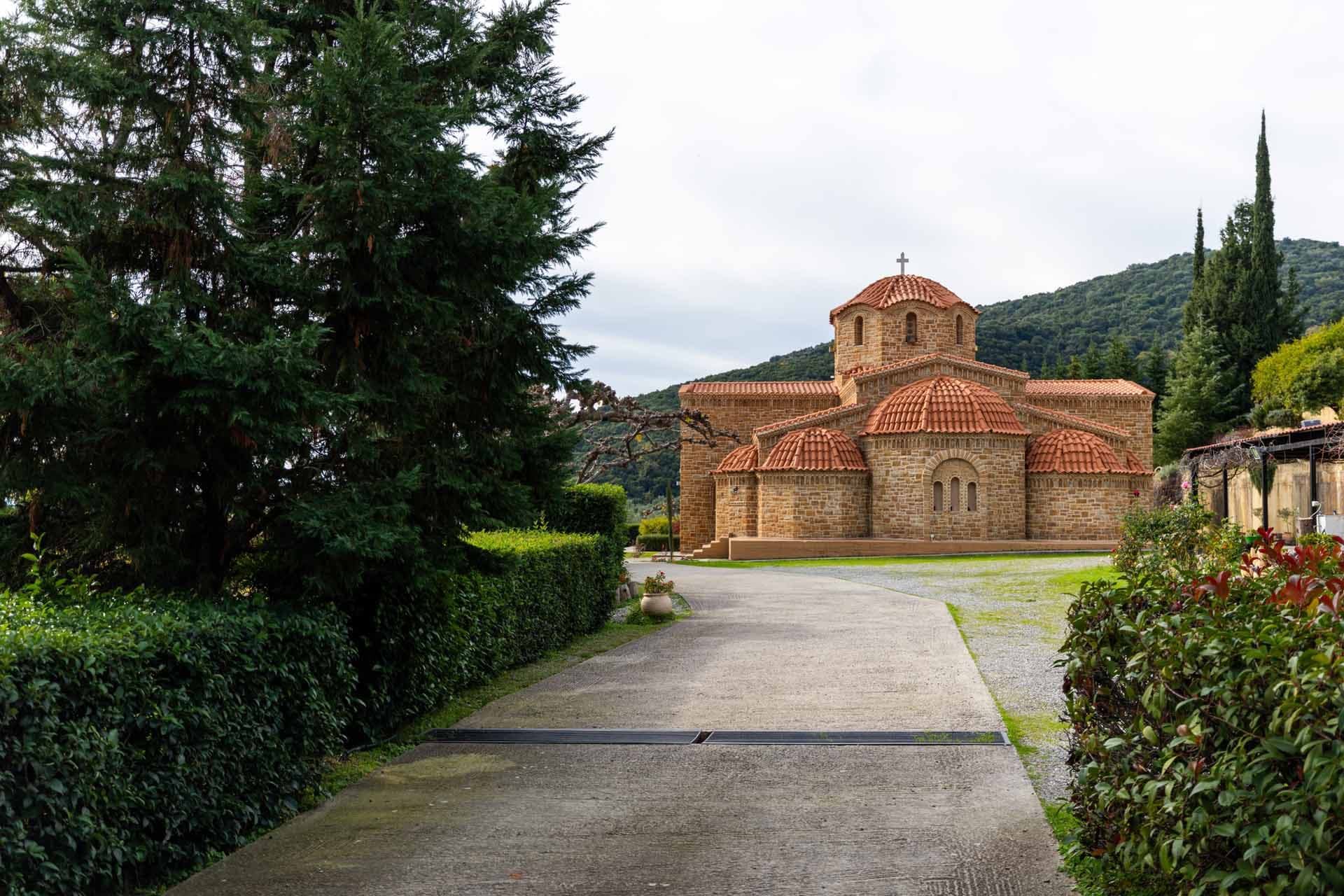
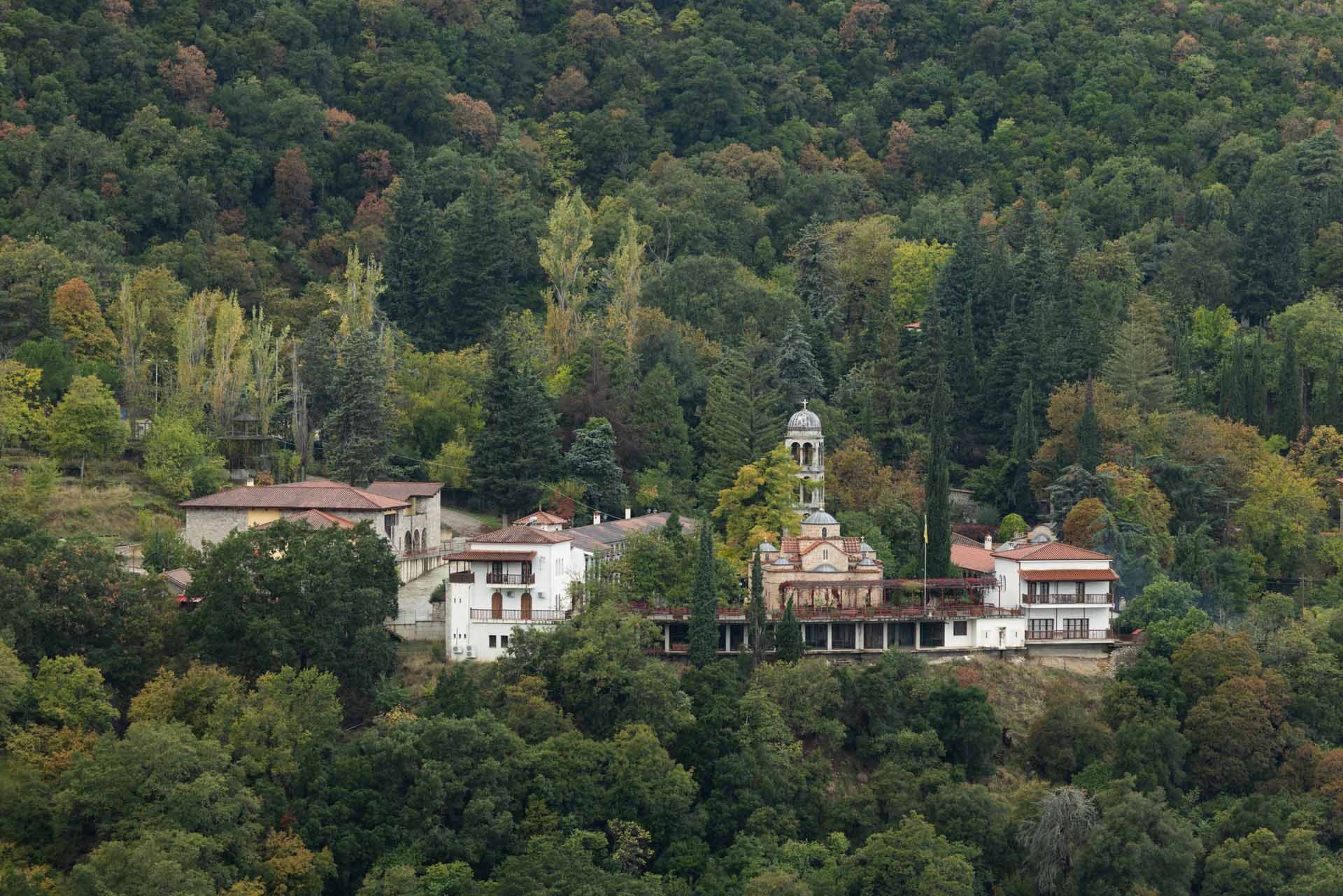
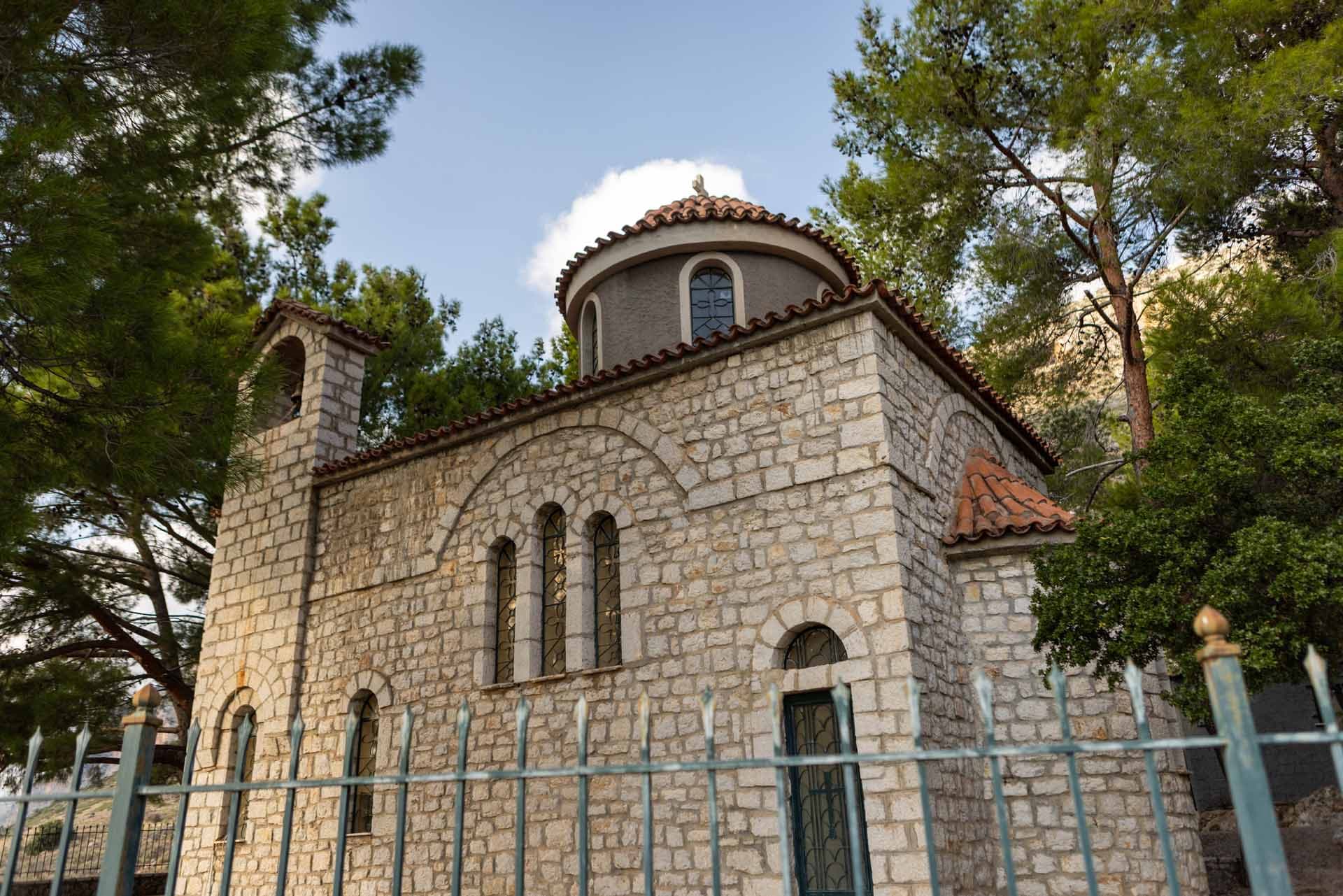
Στη διαδρομή προς τους Δελφούς και την Αράχοβα, μια παράκαμψη προς το Δίστομο αποκαλύπτει ένα από τα εντυπωσιακότερα μνημεία της Μεσογείου: τη Μονή του Οσίου Λουκά. Χτισμένο σε μια ειδυλλιακή κοιλάδα γεμάτη ελιές, το μοναστήρι ιδρύθηκε τον 10ο αιώνα από τον ασκητή Όσιο Λουκά τον Στειριώτη. Το σώμα του, που είχε κλαπεί από Σταυροφόρους, επέστρεψε πρόσφατα από το Βατικανό και εκτίθεται πλέον στο καθολικό της μονής, η οποία παραμένει ζωντανή και κατοικημένη.
Αρχιτεκτονικά Αριστουργήματα
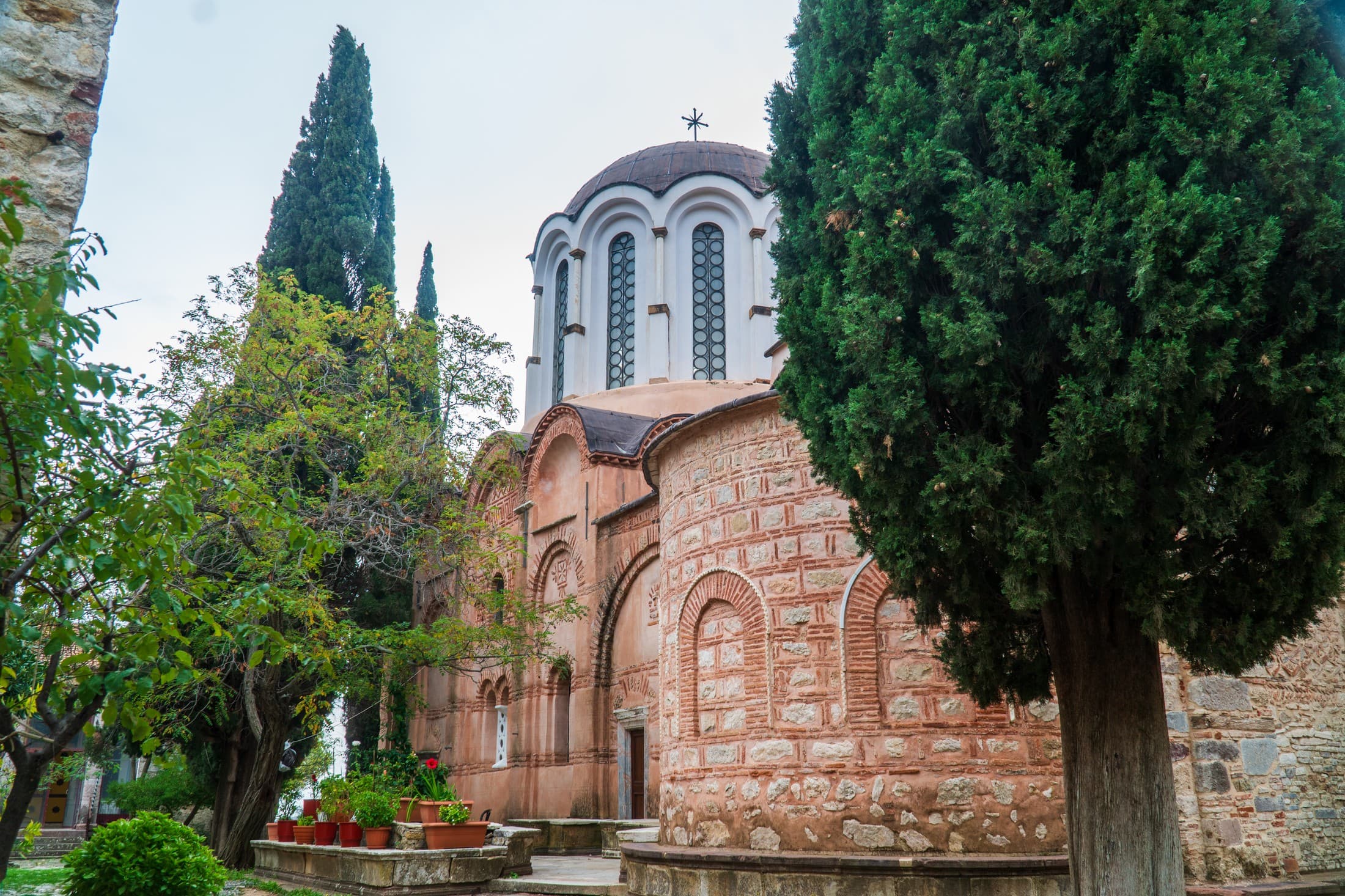
Το συγκρότημα αποτελείται από δύο ενωμένες εκκλησίες που επικοινωνούν εσωτερικά. Η παλαιότερη, της Παναγίας (μέσα 10ου αι.), αποτελεί κορύφωση της «πλινθοπερίκλειστης» τοιχοποιίας, όπου πέτρες και τούβλα σχηματίζουν περίτεχνα διακοσμητικά μοτίβα, αποτελώντας πρότυπο για τη ναοδομία της νότιας Ελλάδας.
Το μεγαλύτερο Καθολικό (αρχές 11ου αι.) εκπλήσσει με τον εσωτερικό του πλούτο. Οι τοίχοι καλύπτονται από πολύχρωμες μαρμάρινες πλάκες, ενώ οι οροφές «φωτίζονται» από ψηφιδωτά σε χρυσό βάθος. Οι θρησκευτικές αυτές σκηνές, σχεδιασμένες με αυστηρούς κανόνες, δεν στερούνται κομψότητας. Οι καλλιτέχνες εμπνεύστηκαν από την αρχαία τέχνη και τις αρμονικές αναλογίες της, καθιστώντας τη βυζαντινή τέχνη τη μόνη που συνδέει τον αρχαίο κόσμο με την Αναγέννηση.
Η Κρύπτη και η Τέχνη
Κάτω από τη μεγάλη εκκλησία βρίσκεται η ατμοσφαιρική κρύπτη, διακοσμημένη με εξαιρετικές τοιχογραφίες. Αν και ακολουθούν παρόμοια θεματολογία με τα ψηφιδωτά, οι τοιχογραφίες αυτές διακρίνονται για τον συναισθηματικό τους πλούτο και την έντονη εκφραστικότητα, αποδεικνύοντας την ποικιλία της βυζαντινής δημιουργίας.
Σήμερα, χάρη σε μια επιτυχημένη αναστήλωση, ο επισκέπτης μπορεί να θαυμάσει όλη τη βυζαντινή πολυτέλεια σε ένα τοπίο που παραμένει ανέγγιχτο από τον χρόνο, όπου η θρησκευτική κατάνυξη συναντά την υψηλή αισθητική και την ιστορική μνήμη.
Αρχιτεκτονικά Αριστουργήματα
Το συγκρότημα αποτελείται από δύο ενωμένες εκκλησίες που επικοινωνούν εσωτερικά. Η παλαιότερη, της Παναγίας (μέσα 10ου αι.), αποτελεί κορύφωση της «πλινθοπερίκλειστης» τοιχοποιίας, όπου πέτρες και τούβλα σχηματίζουν περίτεχνα διακοσμητικά μοτίβα, αποτελώντας πρότυπο για τη ναοδομία της νότιας Ελλάδας.
Το μεγαλύτερο Καθολικό (αρχές 11ου αι.) εκπλήσσει με τον εσωτερικό του πλούτο. Οι τοίχοι καλύπτονται από πολύχρωμες μαρμάρινες πλάκες, ενώ οι οροφές «φωτίζονται» από ψηφιδωτά σε χρυσό βάθος. Οι θρησκευτικές αυτές σκηνές, σχεδιασμένες με αυστηρούς κανόνες, δεν στερούνται κομψότητας. Οι καλλιτέχνες εμπνεύστηκαν από την αρχαία τέχνη και τις αρμονικές αναλογίες της, καθιστώντας τη βυζαντινή τέχνη τη μόνη που συνδέει τον αρχαίο κόσμο με την Αναγέννηση.
Η Κρύπτη και η Τέχνη
Κάτω από τη μεγάλη εκκλησία βρίσκεται η ατμοσφαιρική κρύπτη, διακοσμημένη με εξαιρετικές τοιχογραφίες. Αν και ακολουθούν παρόμοια θεματολογία με τα ψηφιδωτά, οι τοιχογραφίες αυτές διακρίνονται για τον συναισθηματικό τους πλούτο και την έντονη εκφραστικότητα, αποδεικνύοντας την ποικιλία της βυζαντινής δημιουργίας.
Σήμερα, χάρη σε μια επιτυχημένη αναστήλωση, ο επισκέπτης μπορεί να θαυμάσει όλη τη βυζαντινή πολυτέλεια σε ένα τοπίο που παραμένει ανέγγιχτο από τον χρόνο, όπου η θρησκευτική κατάνυξη συναντά την υψηλή αισθητική και την ιστορική μνήμη.