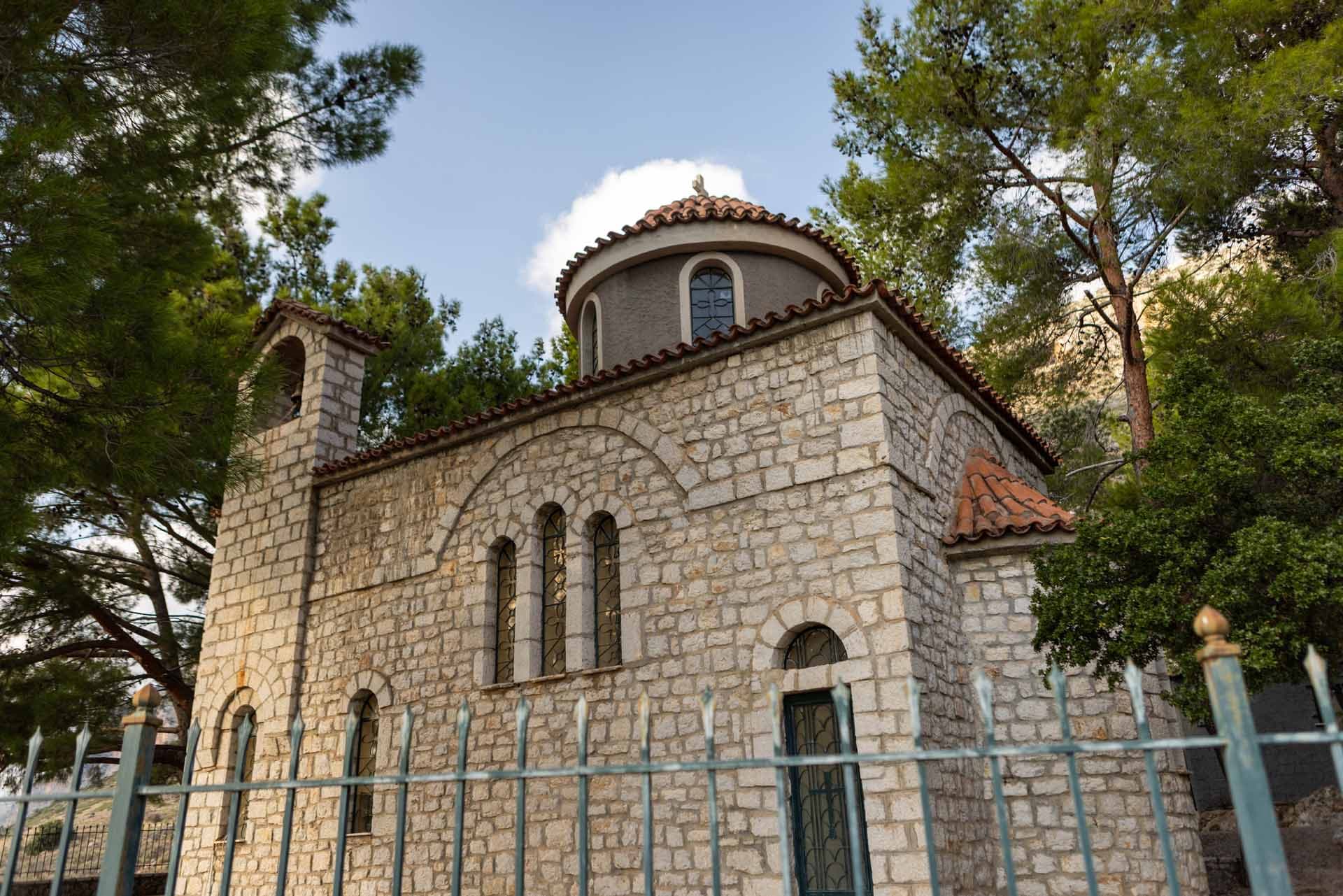
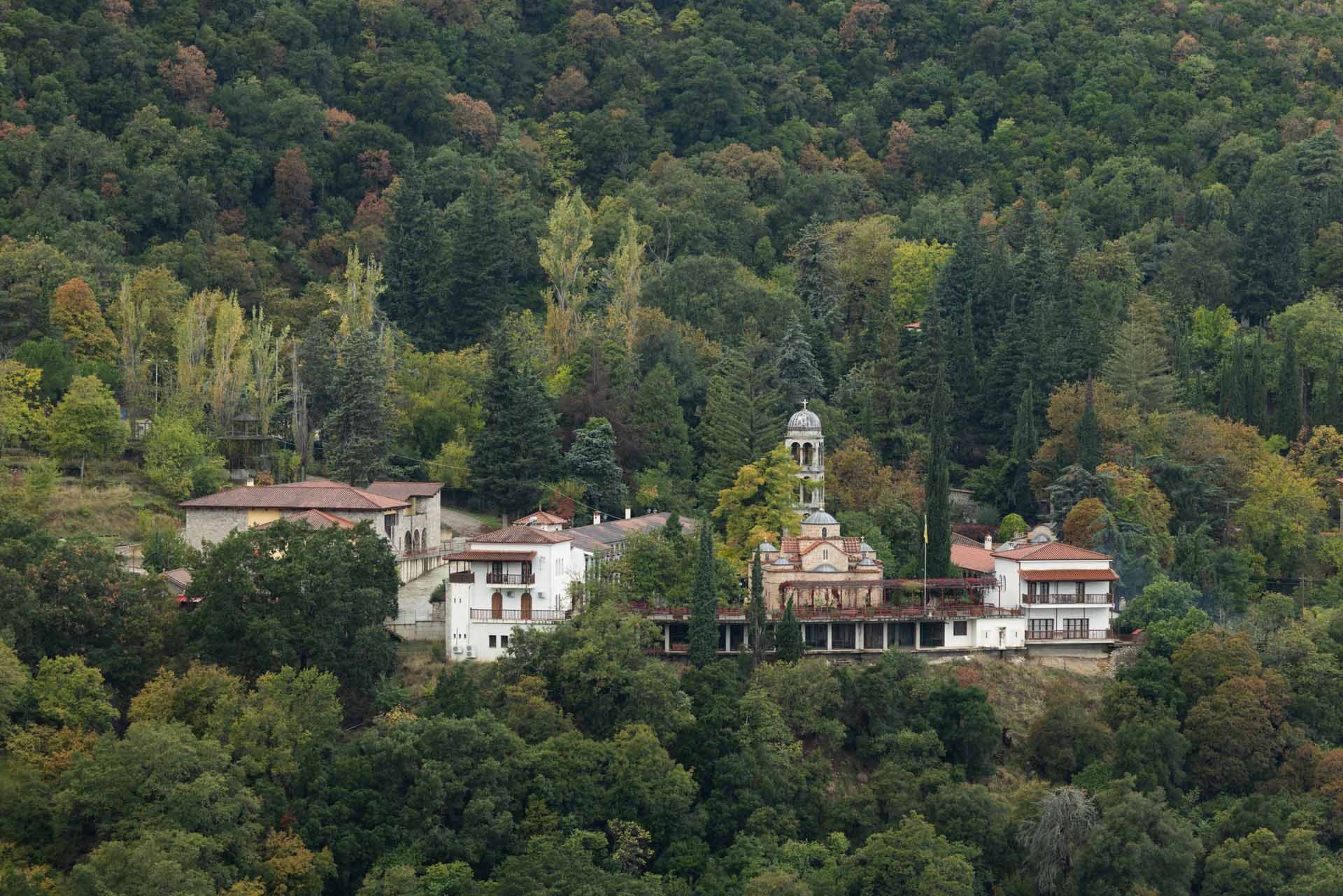
Stone-built monasteries, elegant craftsmanship of folk artisans
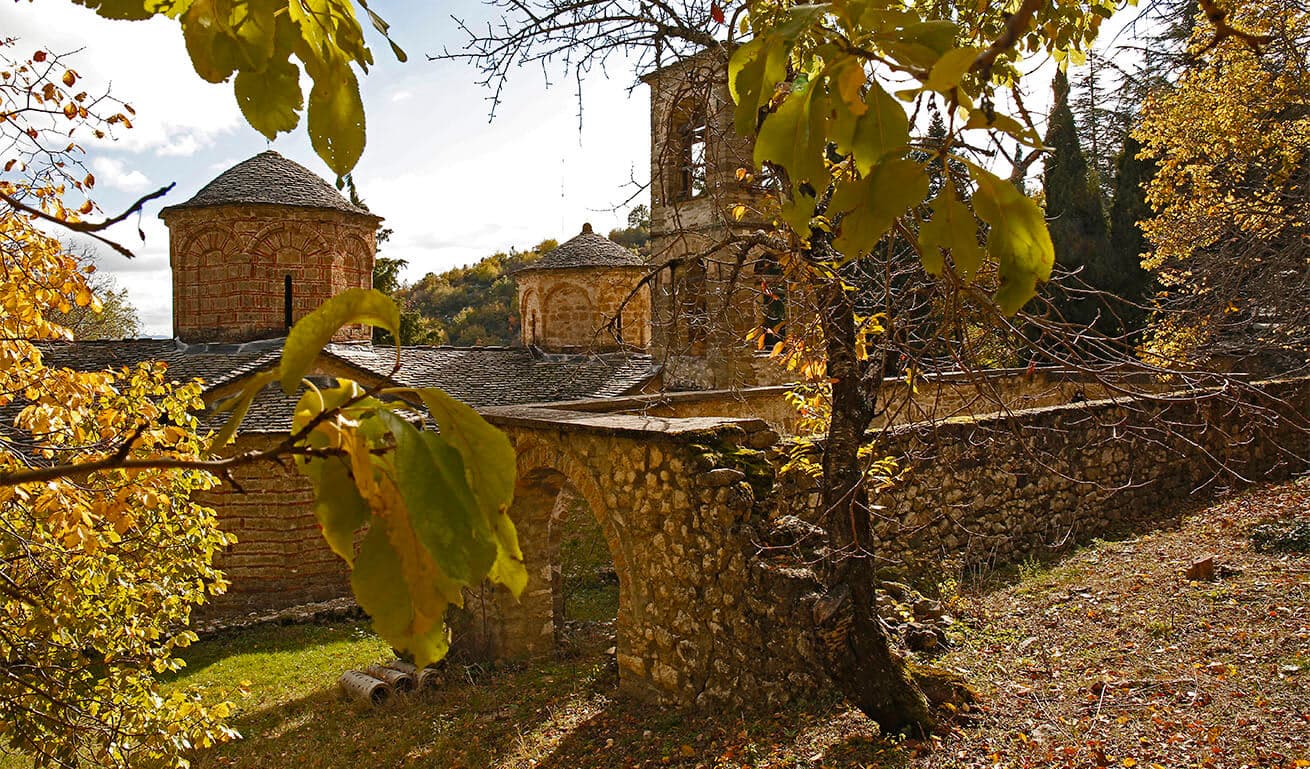
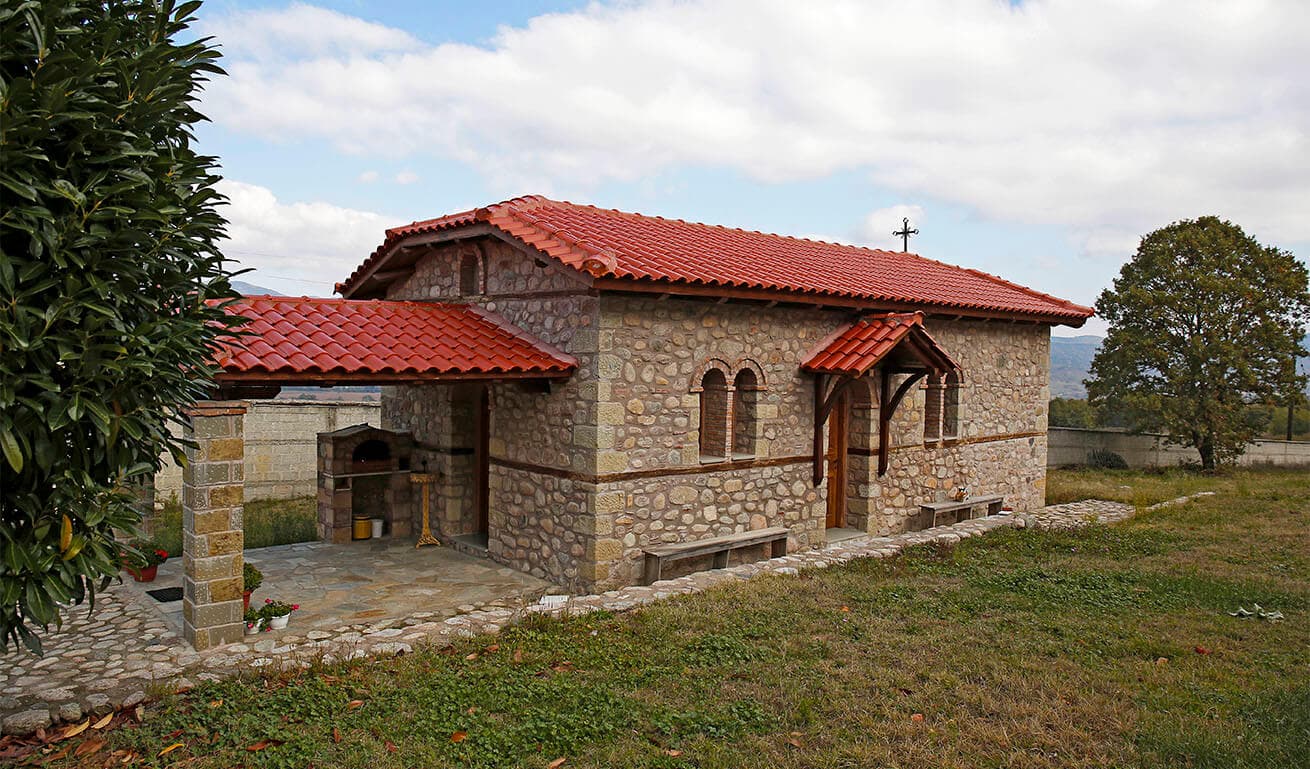
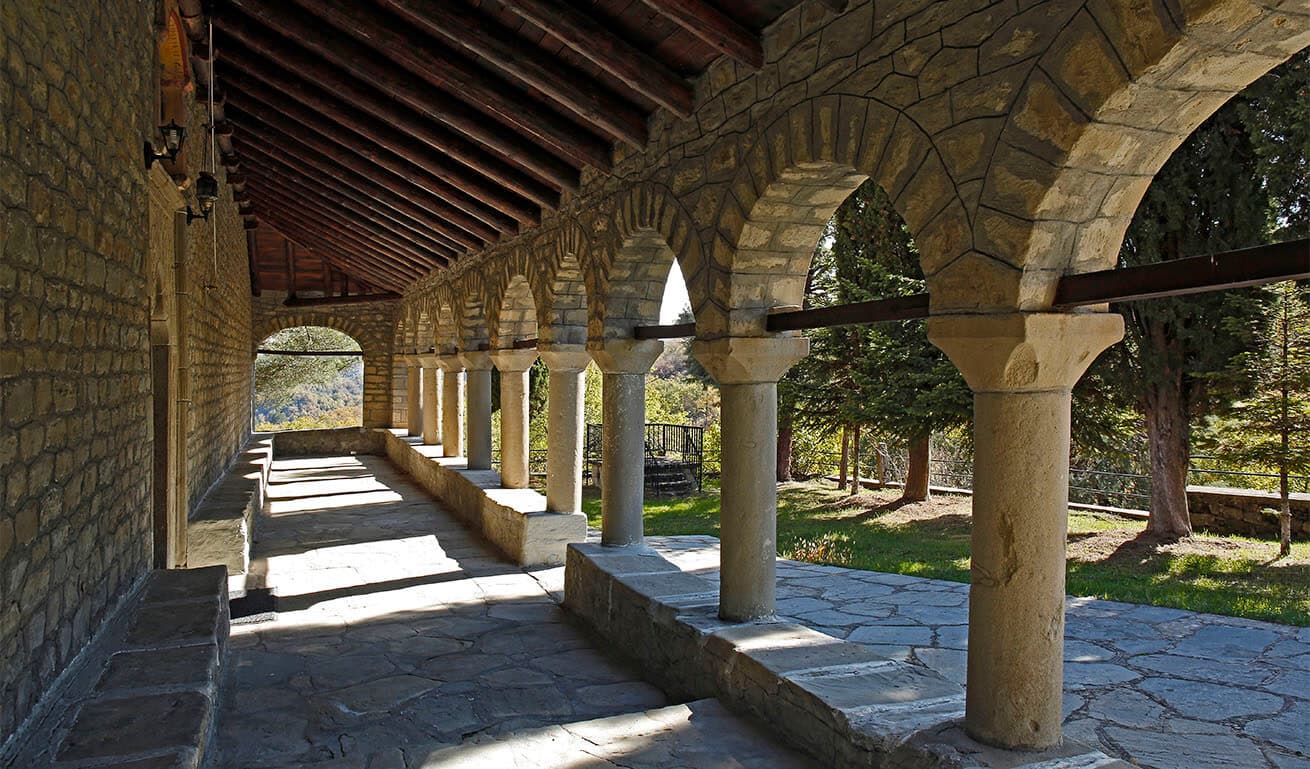
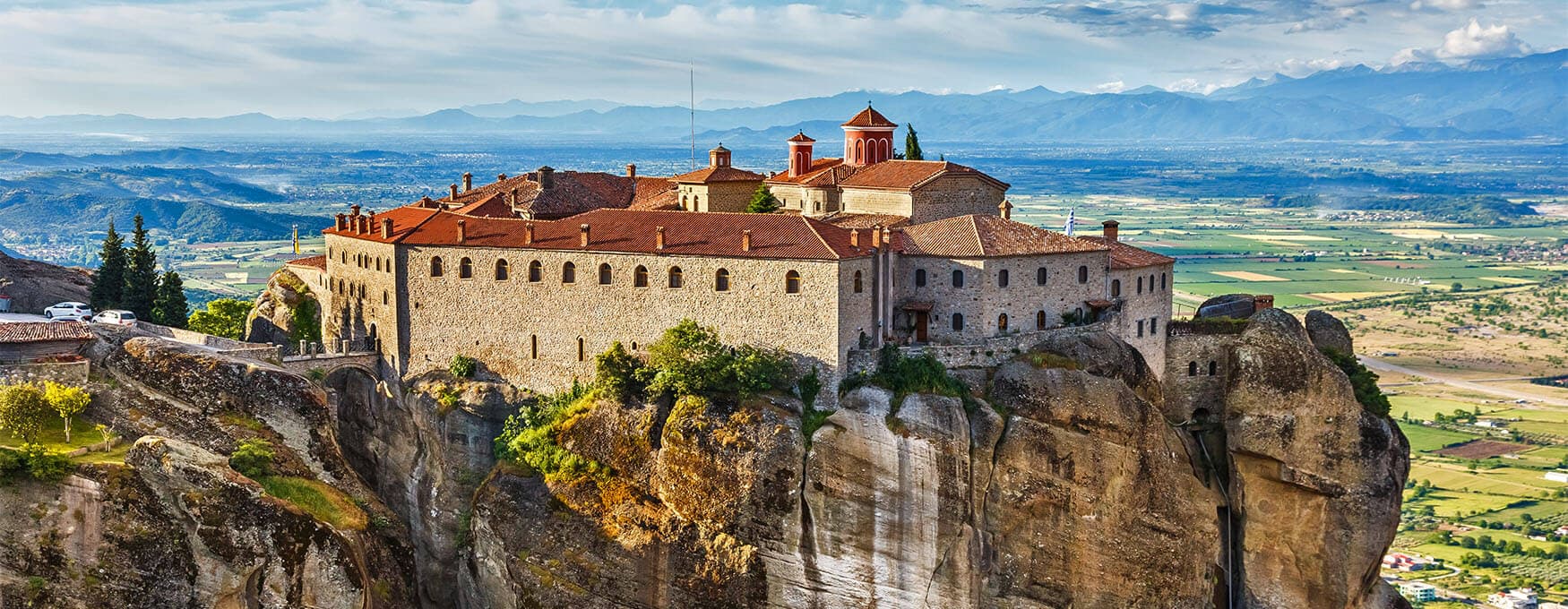
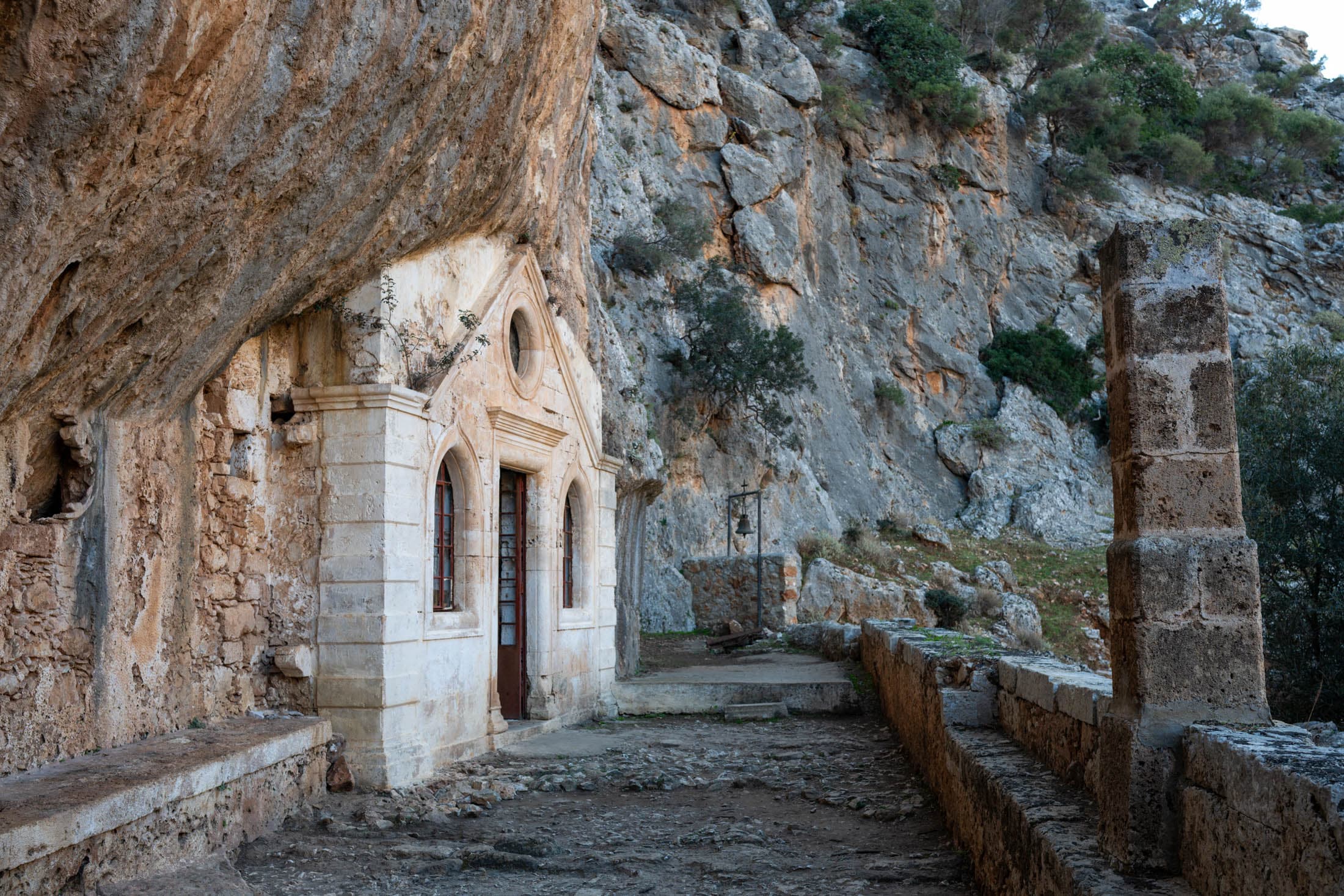
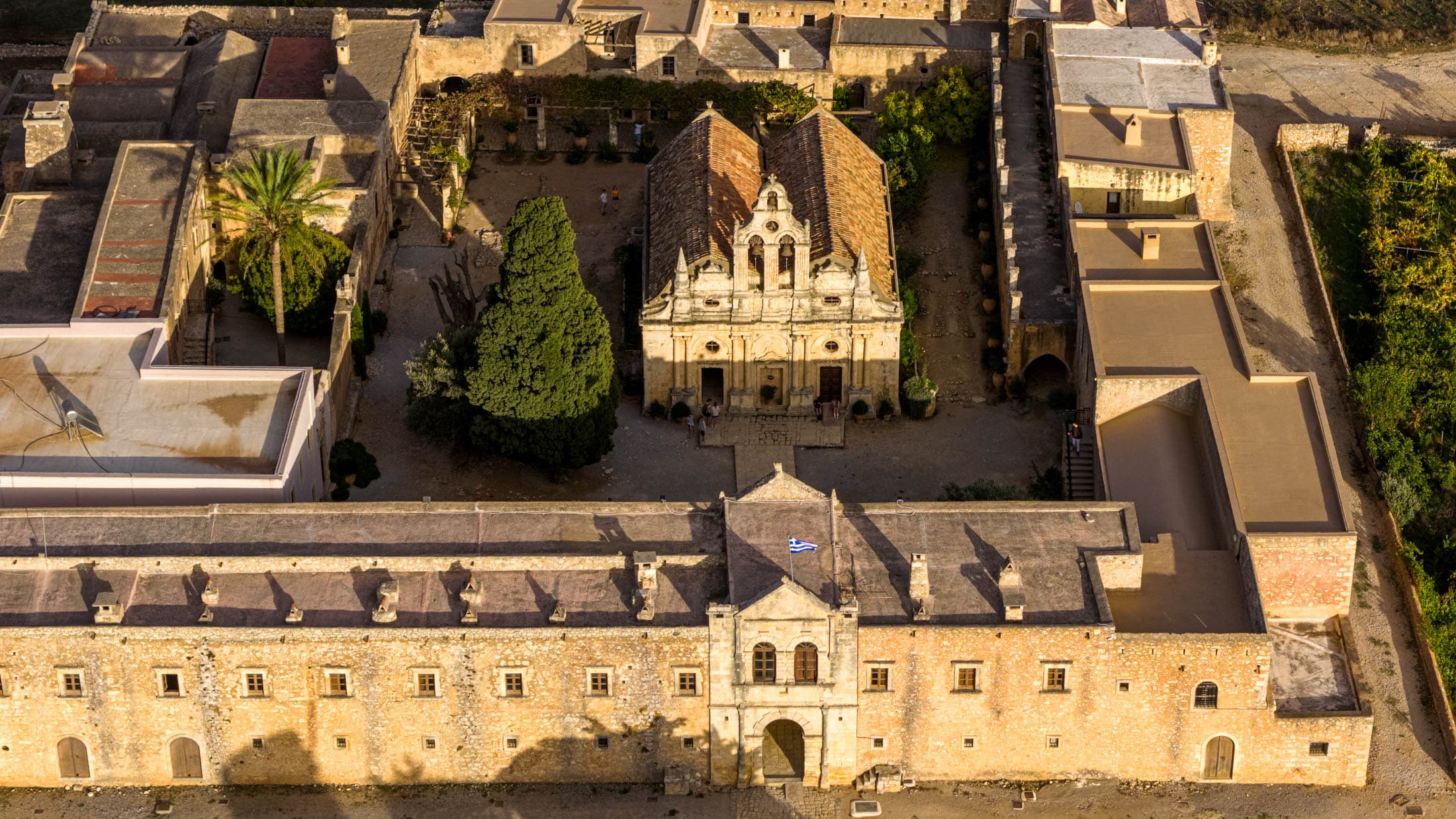
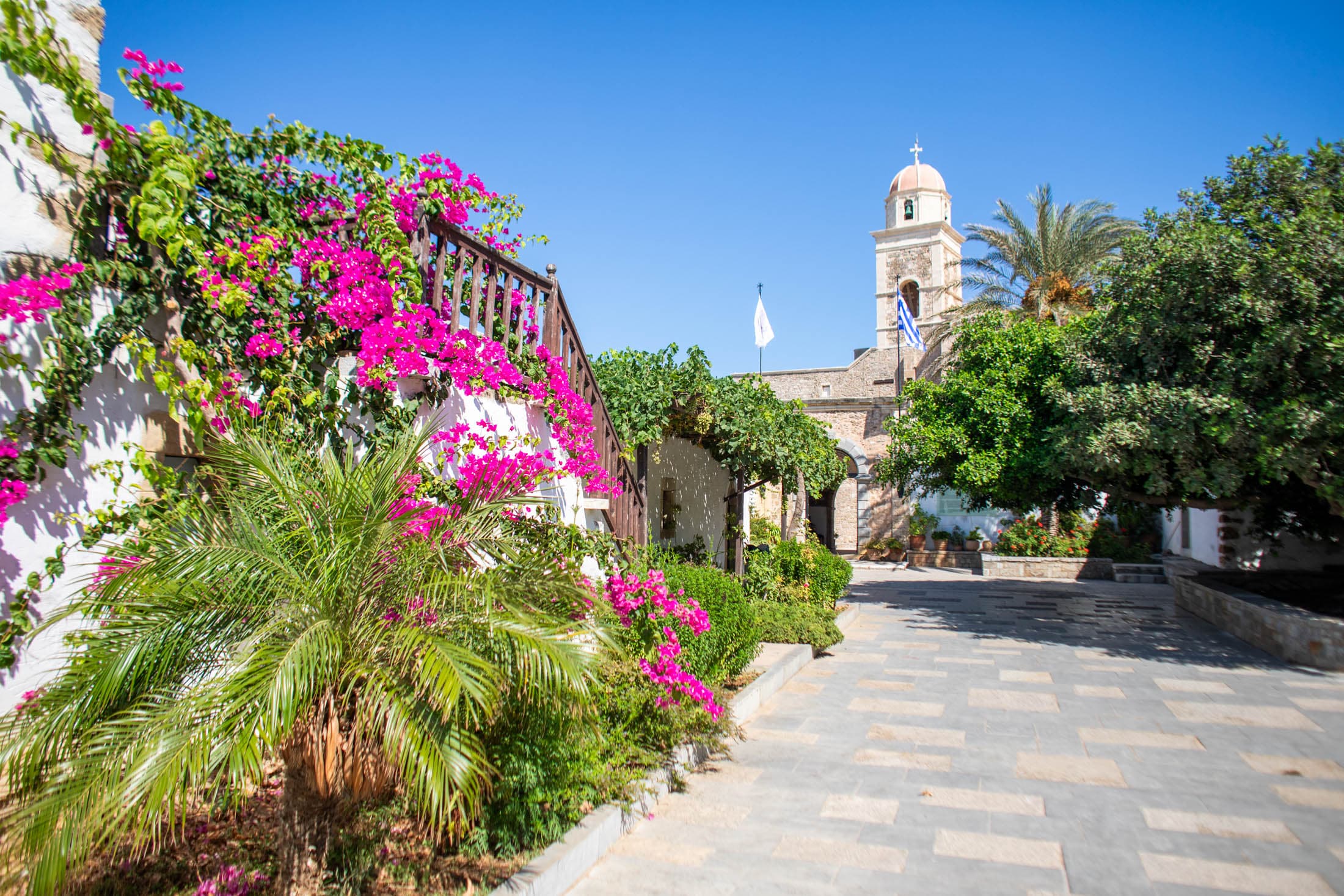
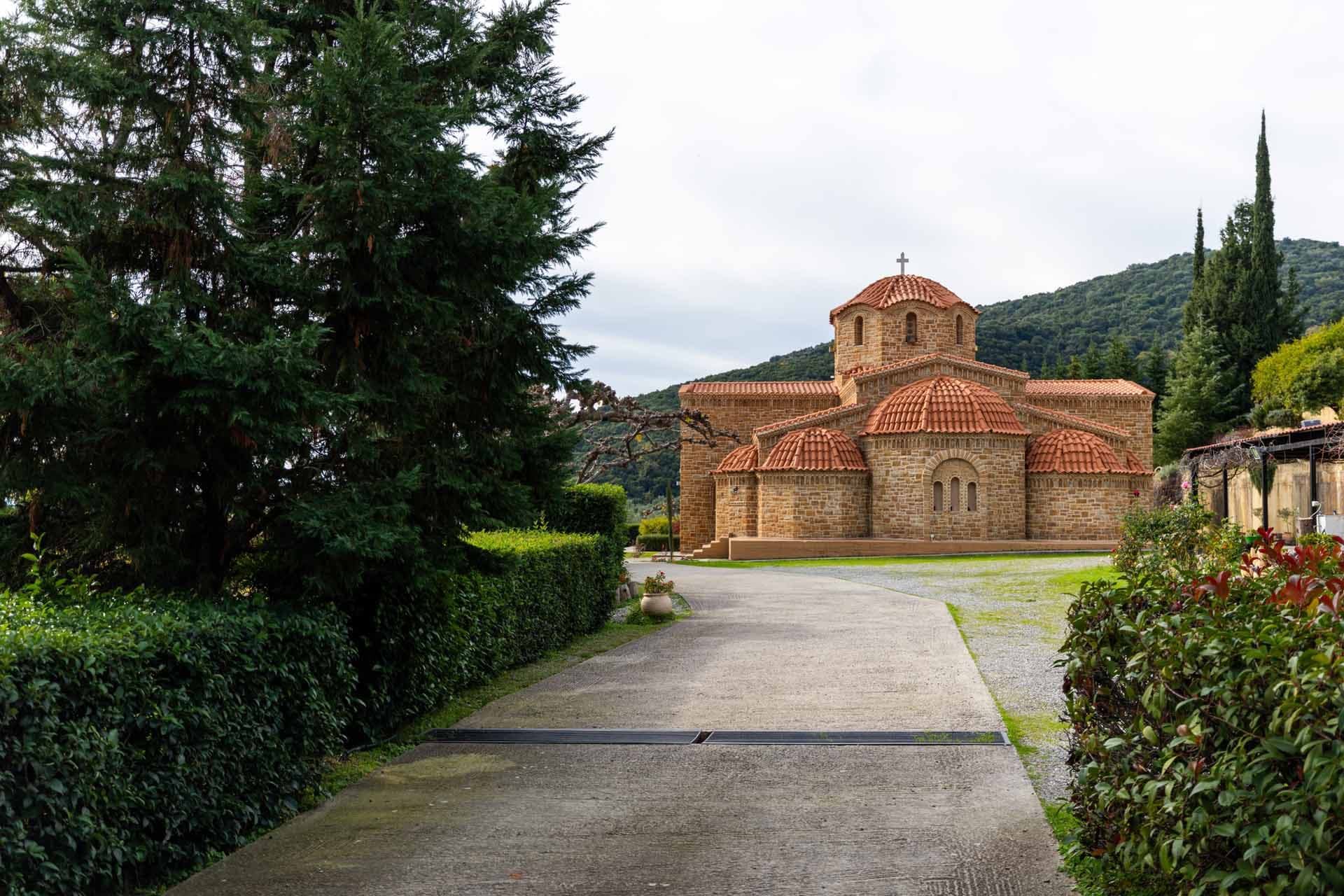
The religious monuments of Grevena bear the hallmark of the renowned stonemasons' bouloukia (travelling groups of craftsmen). Master craftsmen, builders, icon painters, and woodcarvers created churches and monasteries that are true works of art, narrating stories spanning eight centuries that inspire awe in every visitor.
The Iconic Zavorda Monastery
Osiou Nikanoros (Zavordas) Monastery, built in the 16th century near the Aliakmonas River, represents the most significant pilgrimage site in the region. Its main church is adorned with frescoes attributed to the renowned Theban painter, Franco Catelano. The complex is surrounded by a high stone wall and follows the Mount Athos tradition, strictly maintaining its rule of inaccessibility for women.
Monuments Along the Aliakmonas and Deskati Rivers
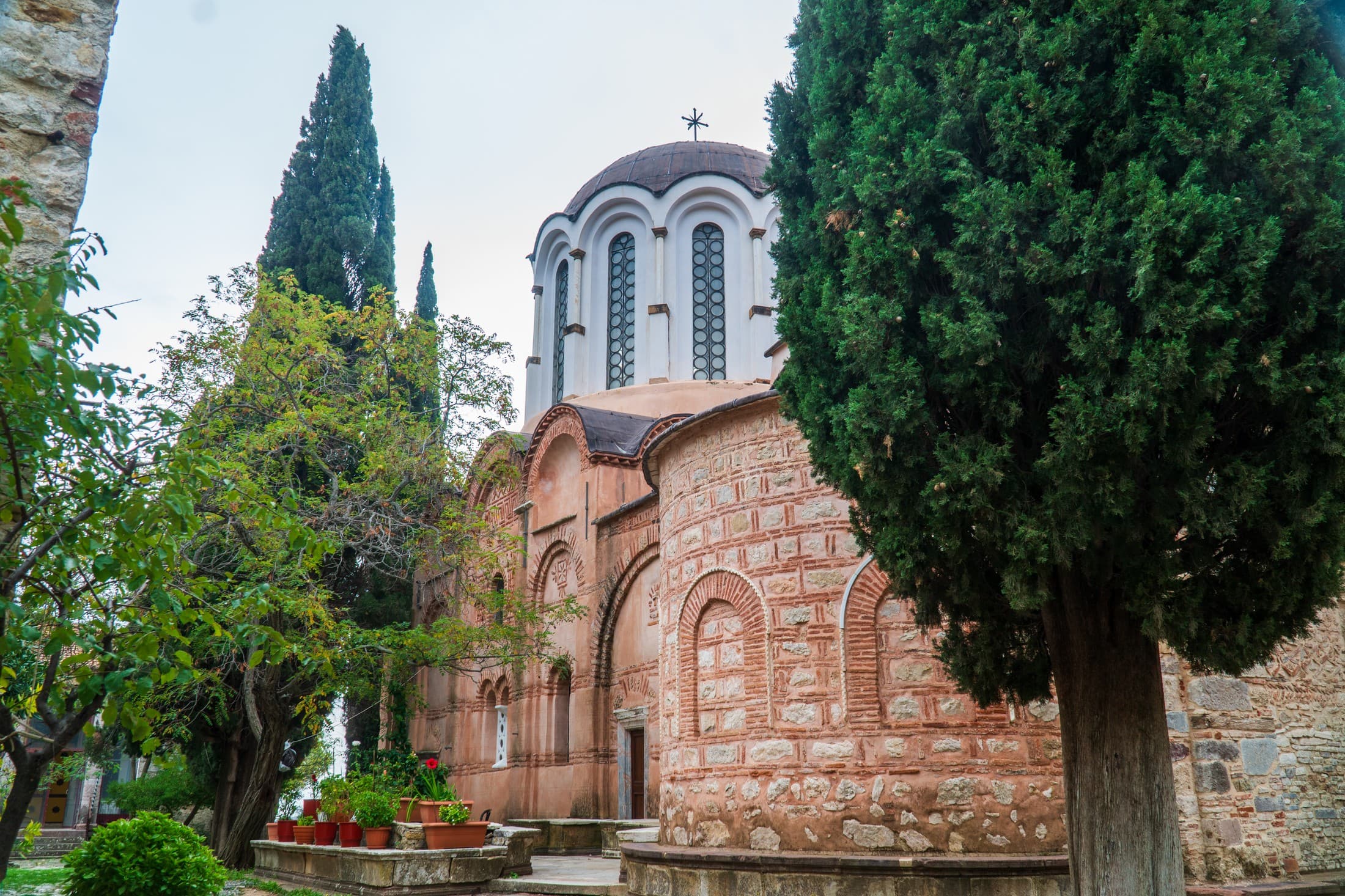
Tornikiou Monastery (12th century) stands out as a two-storey structure adorned with exquisite frescoes. Due to the Ilarion dam, it had to be relocated entirely, 140 metres higher than its original location. Near Dasochori, the Monastery of the Transfiguration of the Saviour flourished as a Kryfo Scholio (secret school during Ottoman rule) and has now been restored. In Paliouria, the Monastery of the Annunciation of the Theotokos (14th century), built on Bounasia peak, served as a centre for national and spiritual activity until 1935.
From the Spileo to Samarina
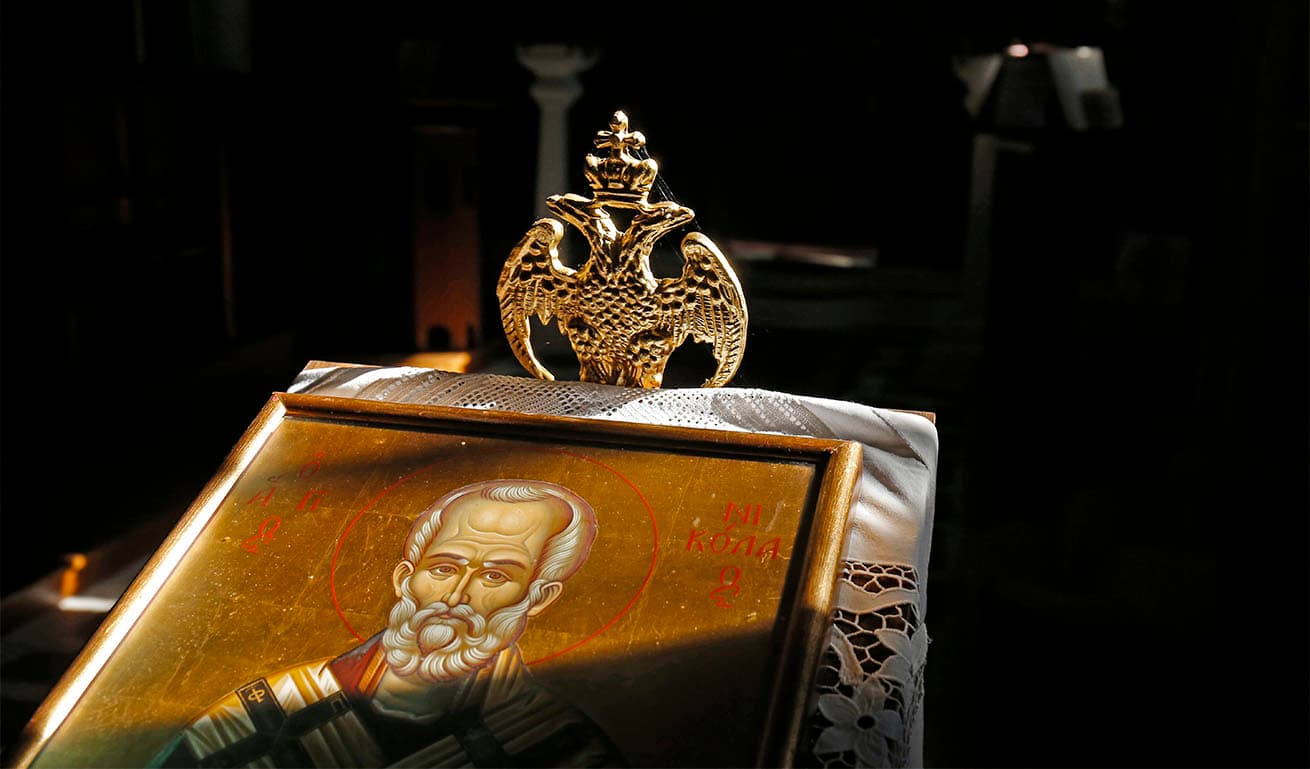
Panagia Spiliotissa (1633) church in Spileo, captivates with its folk-art frescoes, while the Perivoli area is dominated by the magnificent post-Byzantine church of Agios Nikolaos. In renowned Samarina, Megali Panagia church stands out as an architectural treasure, celebrated for its exquisitely detailed, gilded iconostasis and the centuries-old pine tree growing from the apse. In the same region, the churches of Agia Paraskevi and Agios Nikolaos in Kalloni (1864) showcase the exceptional artistry of the Samarina painters.
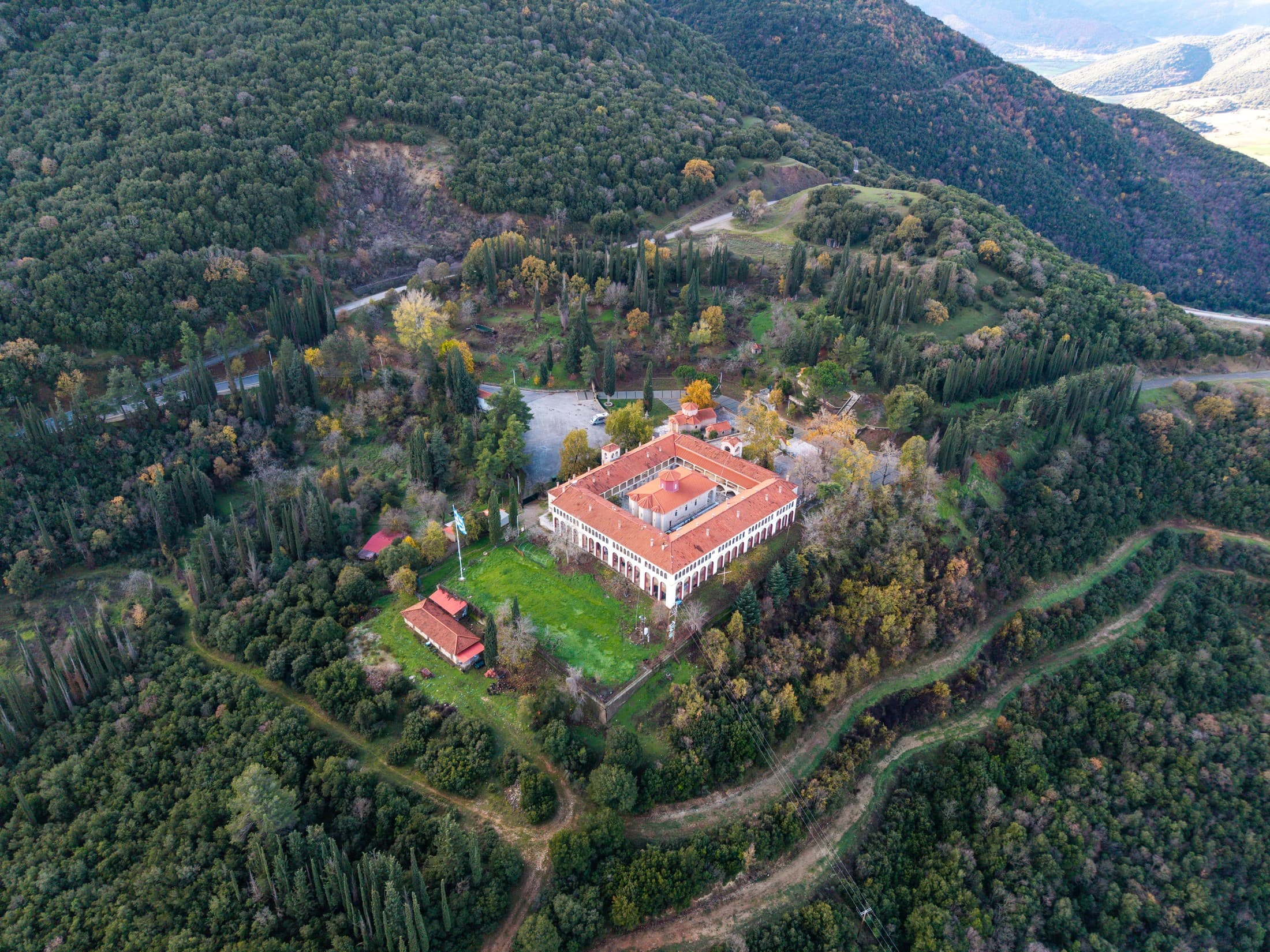
Fortress Architecture Pammegiston Taxiarchon Monastery, located northeast of Grevena, was constructed in the 19th century and boasts a distinctive fortress-like design. Although currently inactive, it preserves remarkable icon decorations within its main church and women's gallery, a vibrant testament to the cultural heritage that blends spirituality with the unparalleled craftsmanship of Western Macedonia.
The Iconic Zavorda Monastery
Osiou Nikanoros (Zavordas) Monastery, built in the 16th century near the Aliakmonas River, represents the most significant pilgrimage site in the region. Its main church is adorned with frescoes attributed to the renowned Theban painter, Franco Catelano. The complex is surrounded by a high stone wall and follows the Mount Athos tradition, strictly maintaining its rule of inaccessibility for women.
Monuments Along the Aliakmonas and Deskati Rivers
Tornikiou Monastery (12th century) stands out as a two-storey structure adorned with exquisite frescoes. Due to the Ilarion dam, it had to be relocated entirely, 140 metres higher than its original location. Near Dasochori, the Monastery of the Transfiguration of the Saviour flourished as a Kryfo Scholio (secret school during Ottoman rule) and has now been restored. In Paliouria, the Monastery of the Annunciation of the Theotokos (14th century), built on Bounasia peak, served as a centre for national and spiritual activity until 1935.
From the Spileo to Samarina
Panagia Spiliotissa (1633) church in Spileo, captivates with its folk-art frescoes, while the Perivoli area is dominated by the magnificent post-Byzantine church of Agios Nikolaos. In renowned Samarina, Megali Panagia church stands out as an architectural treasure, celebrated for its exquisitely detailed, gilded iconostasis and the centuries-old pine tree growing from the apse. In the same region, the churches of Agia Paraskevi and Agios Nikolaos in Kalloni (1864) showcase the exceptional artistry of the Samarina painters.
Fortress Architecture Pammegiston Taxiarchon Monastery, located northeast of Grevena, was constructed in the 19th century and boasts a distinctive fortress-like design. Although currently inactive, it preserves remarkable icon decorations within its main church and women's gallery, a vibrant testament to the cultural heritage that blends spirituality with the unparalleled craftsmanship of Western Macedonia.