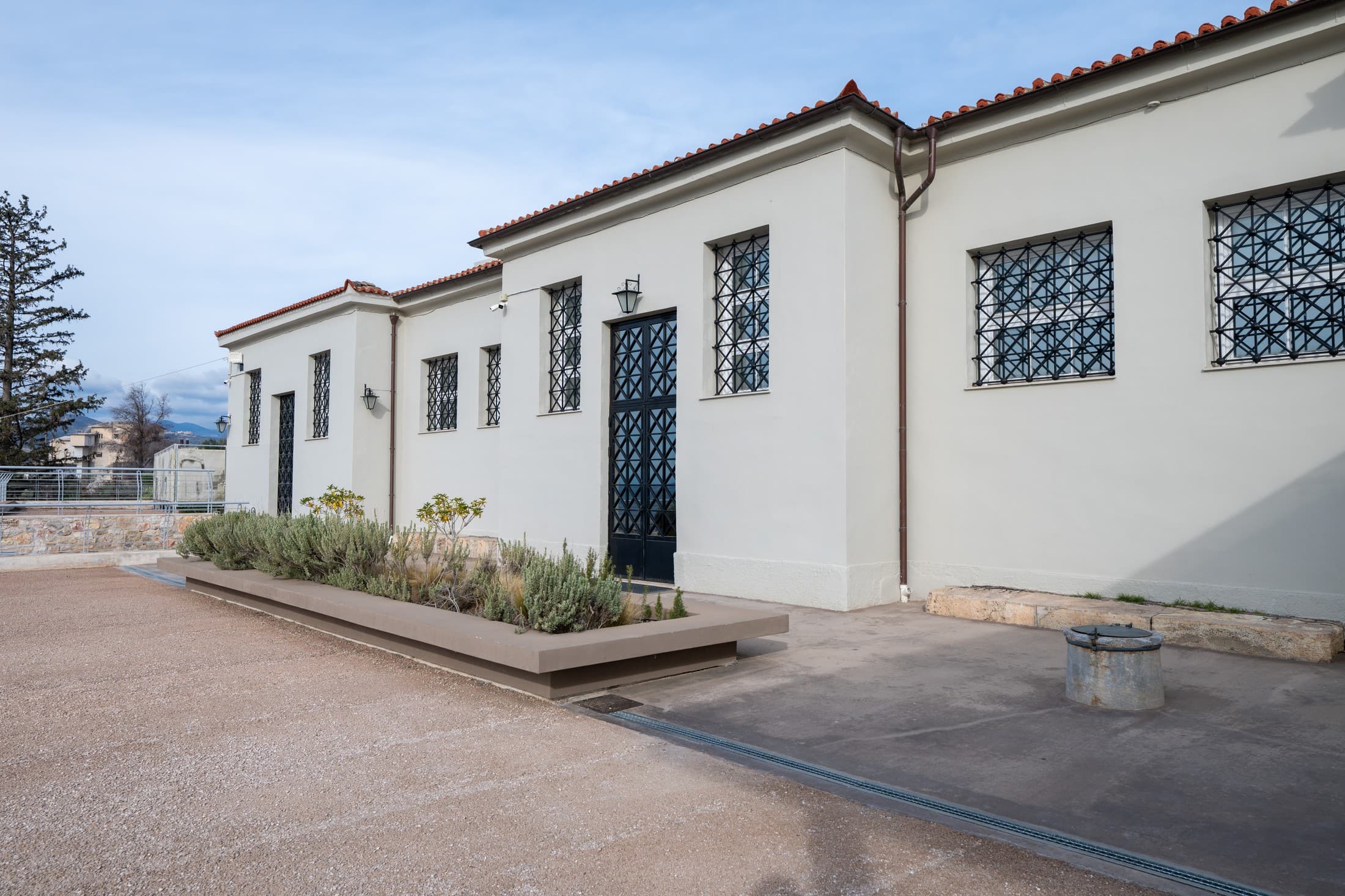
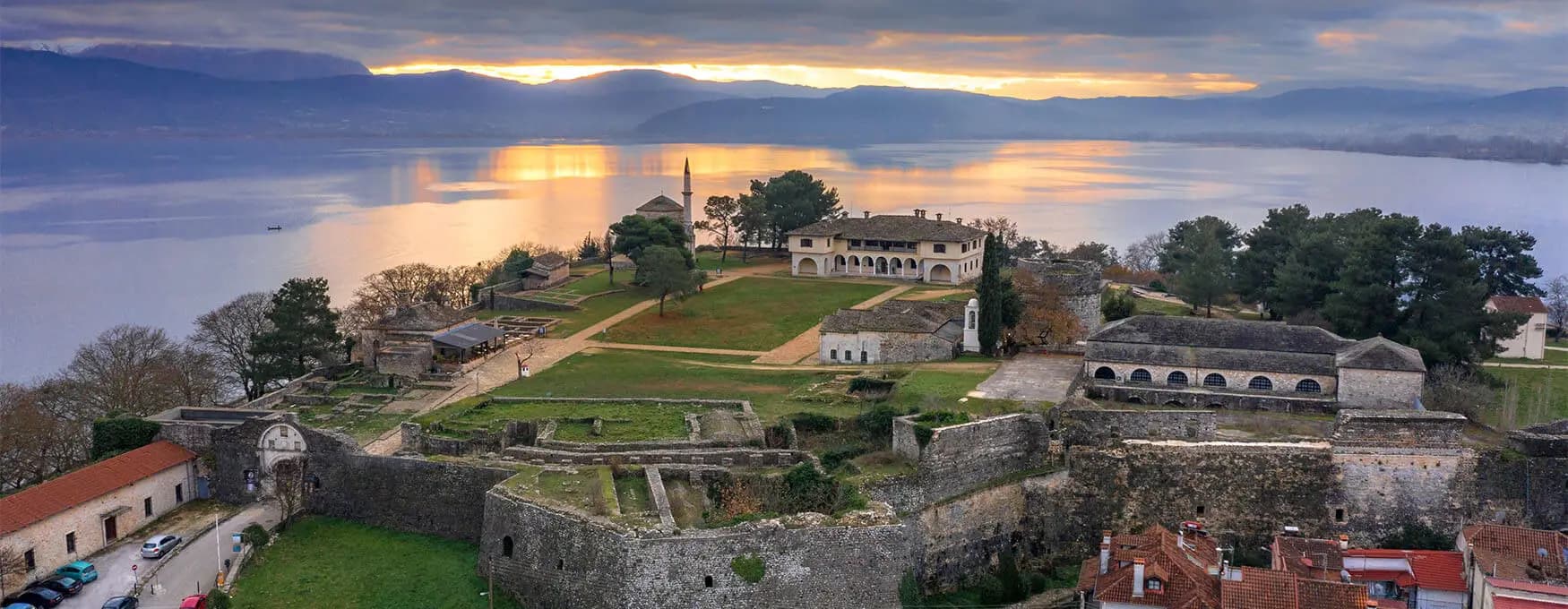
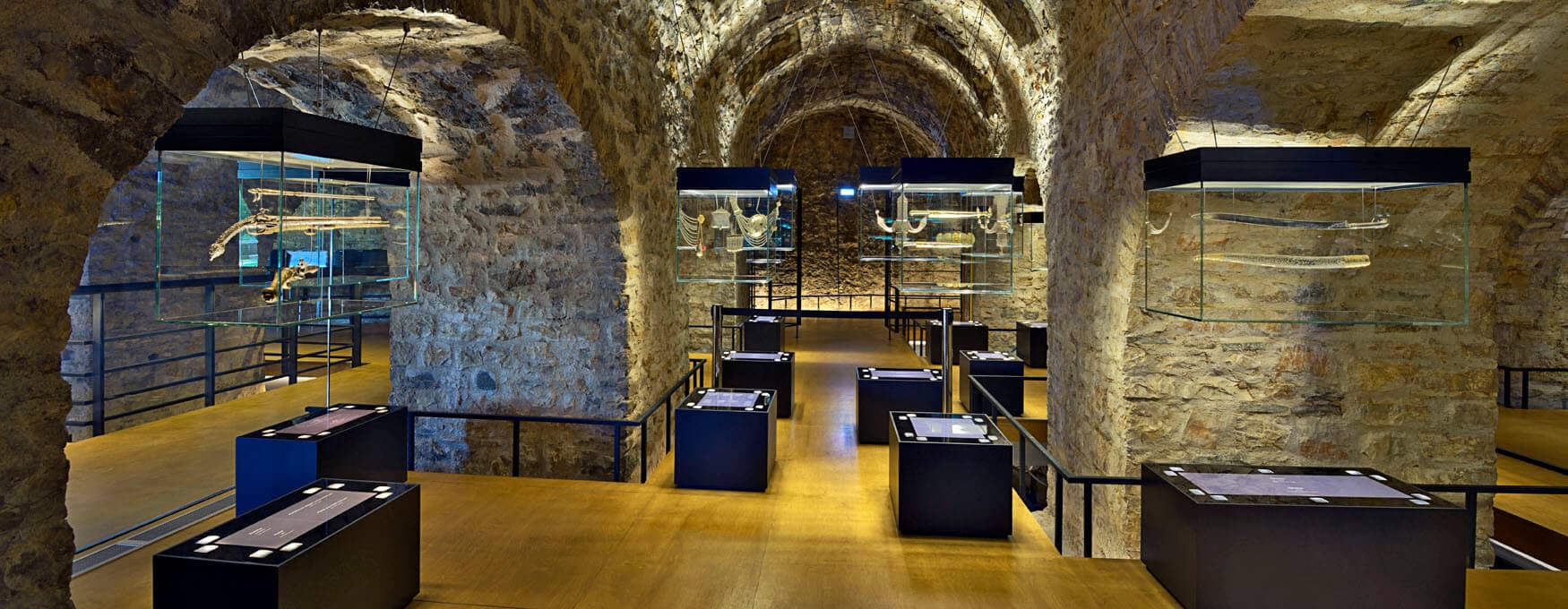
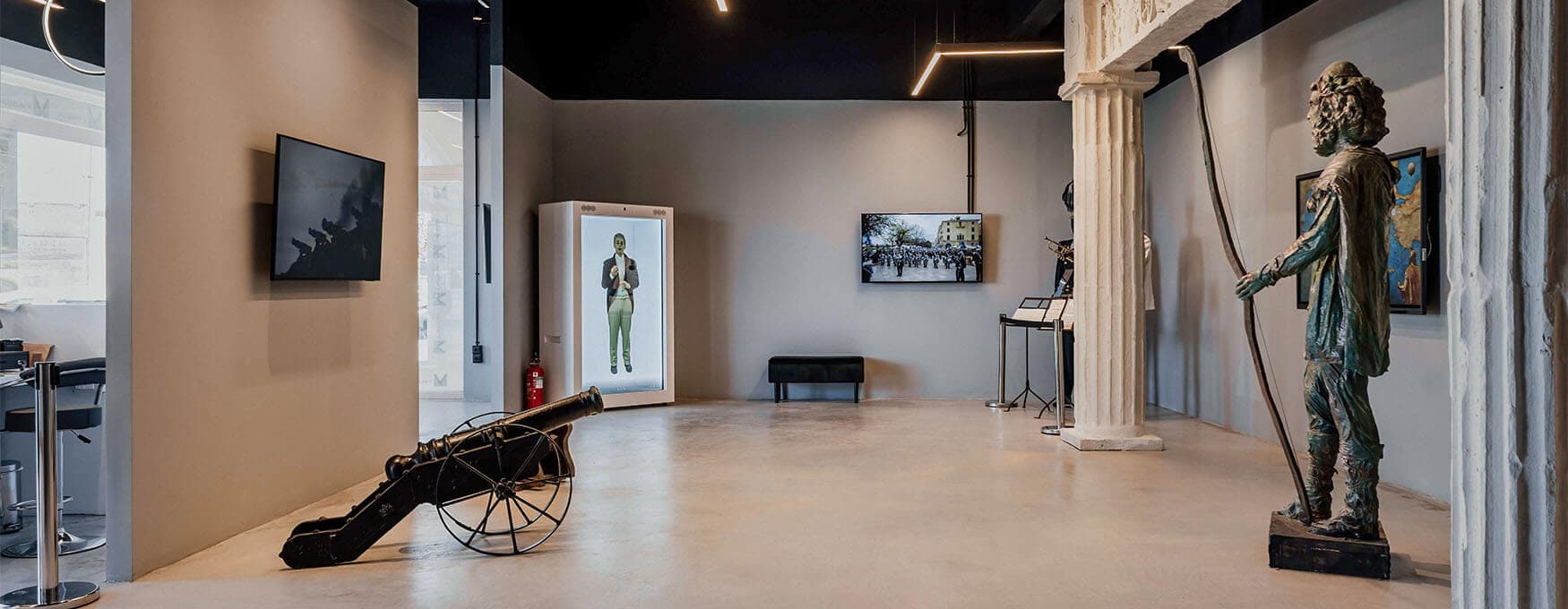
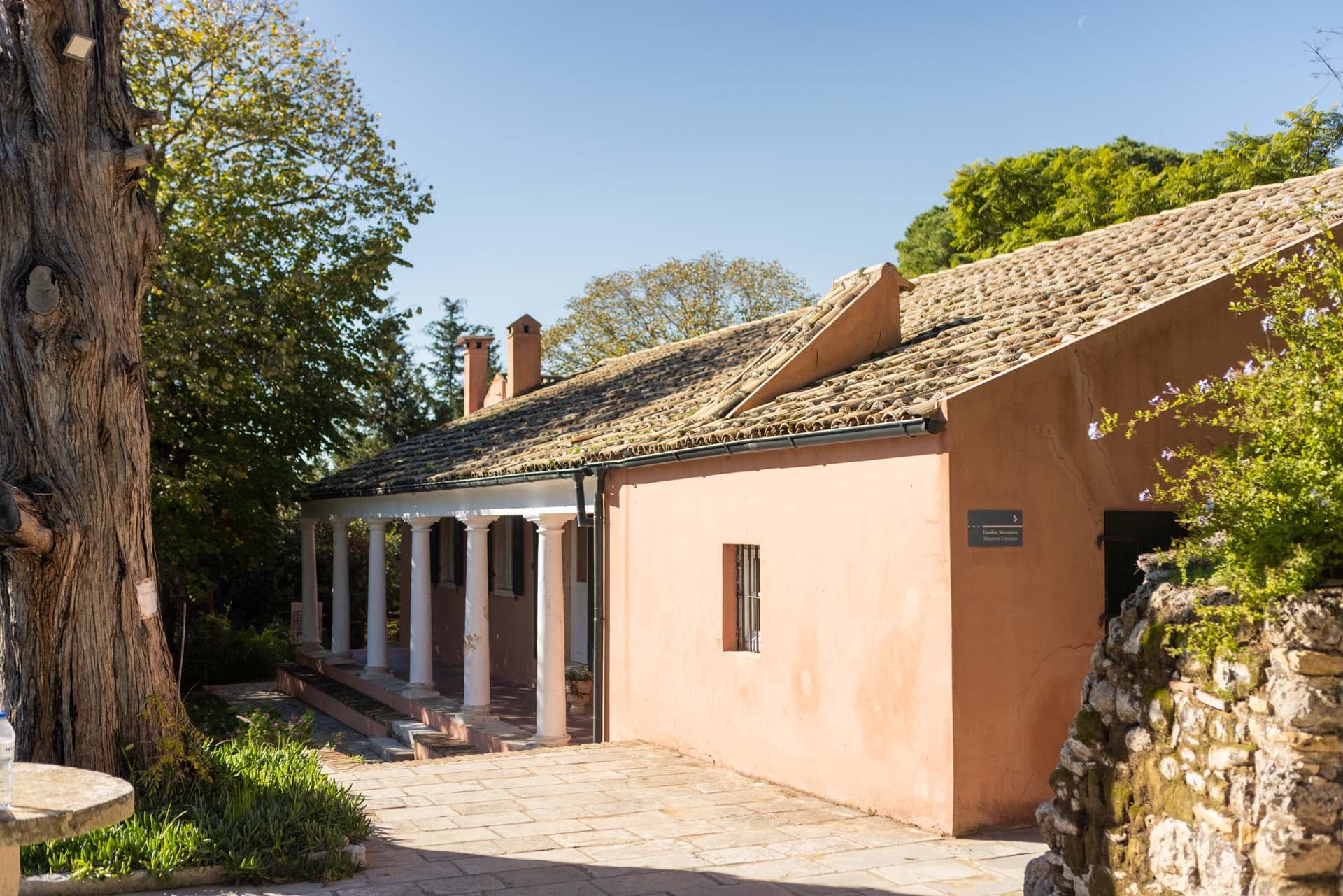
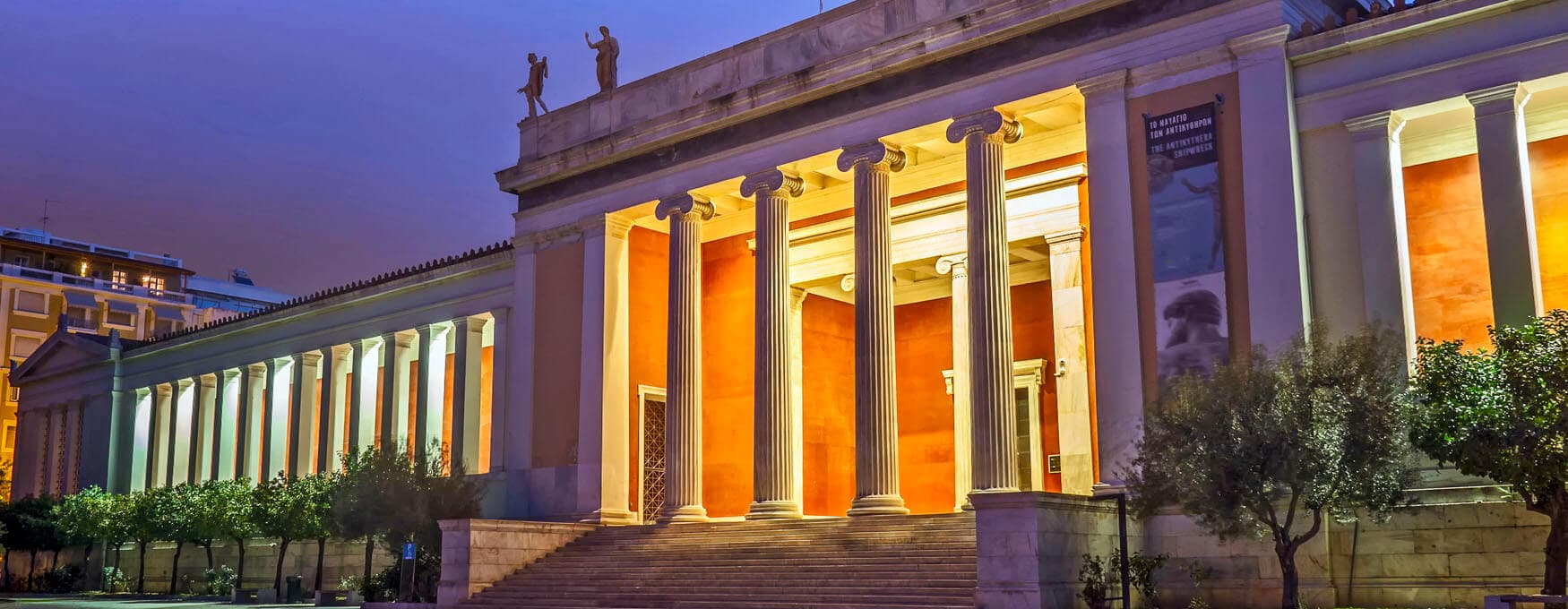
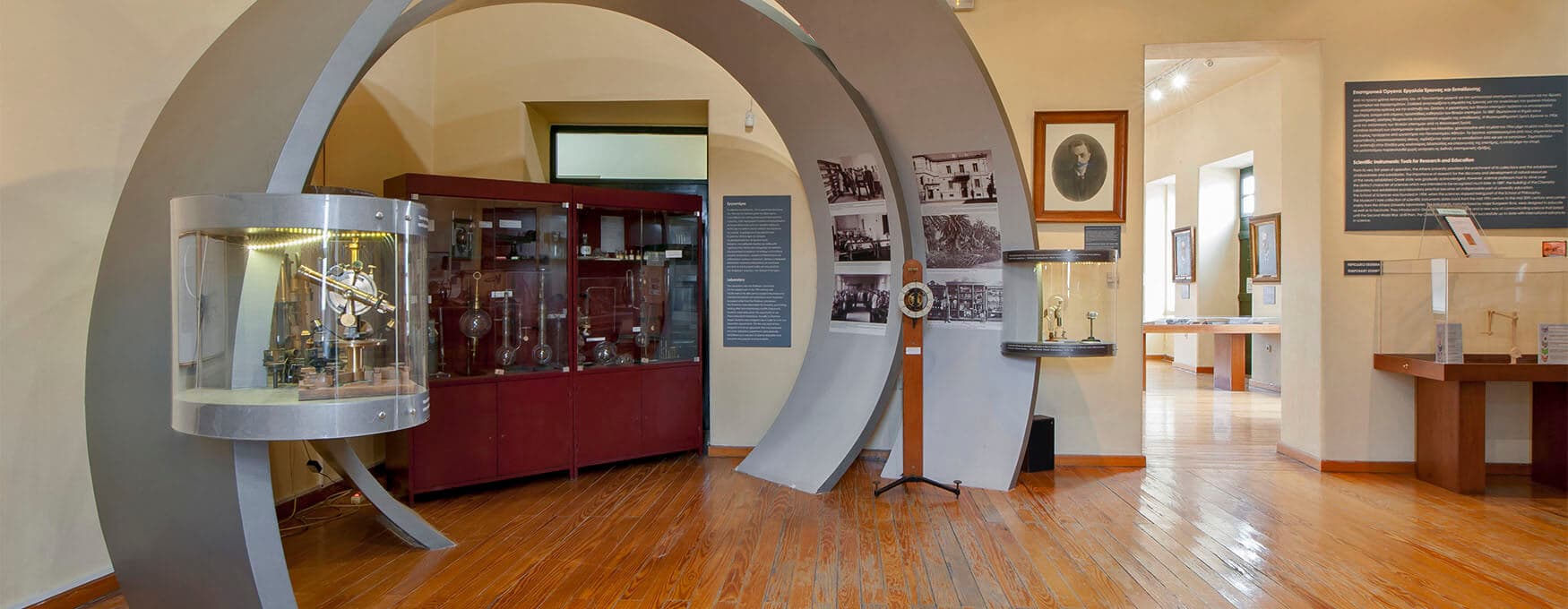
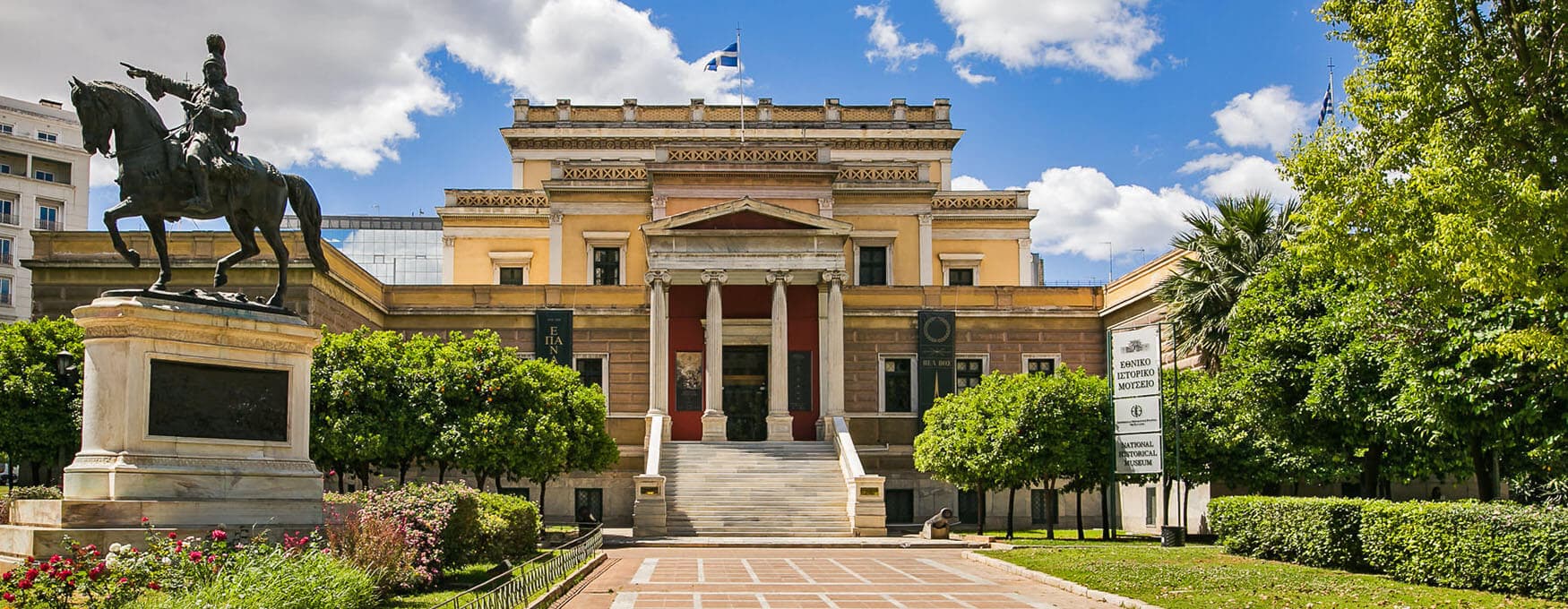
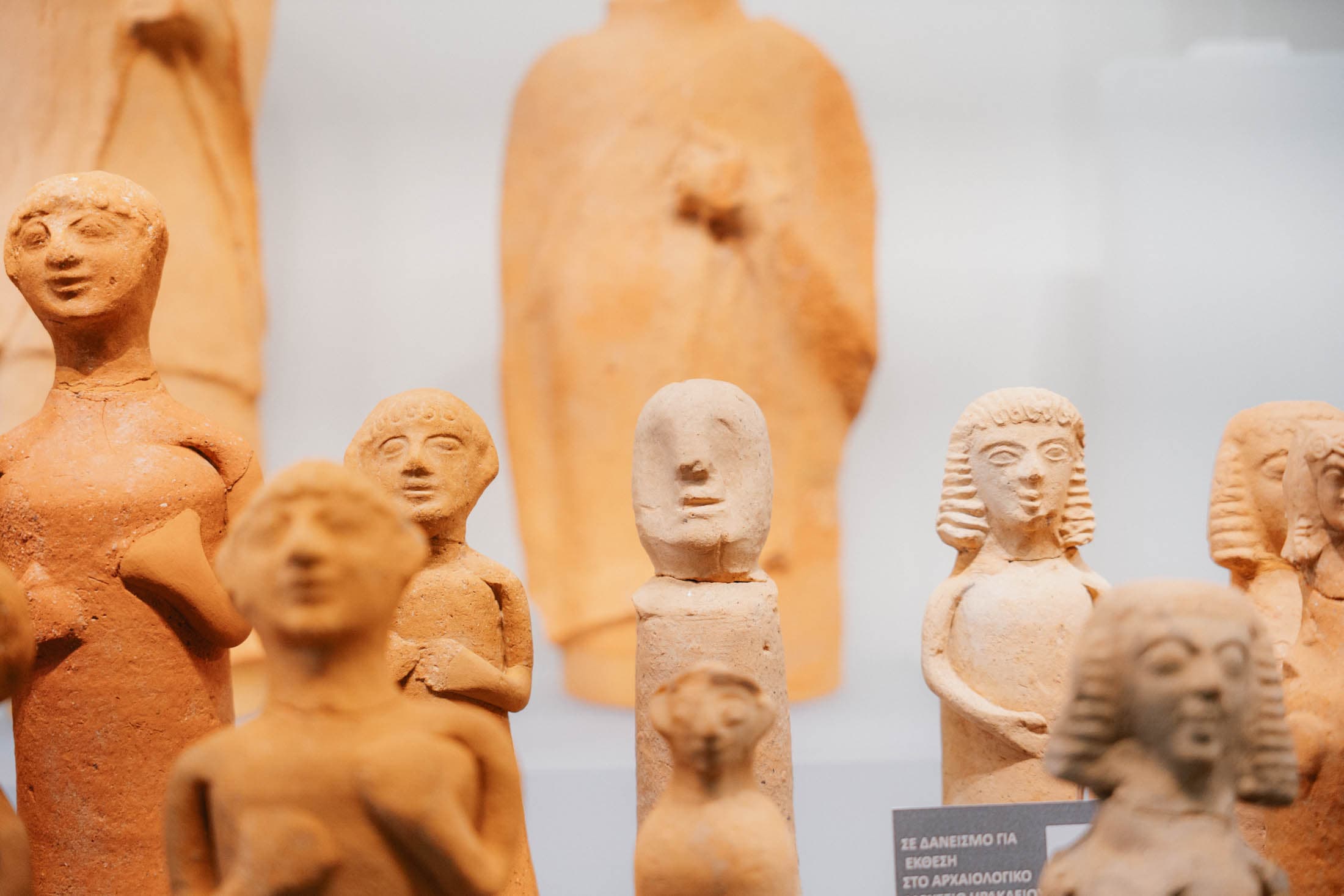
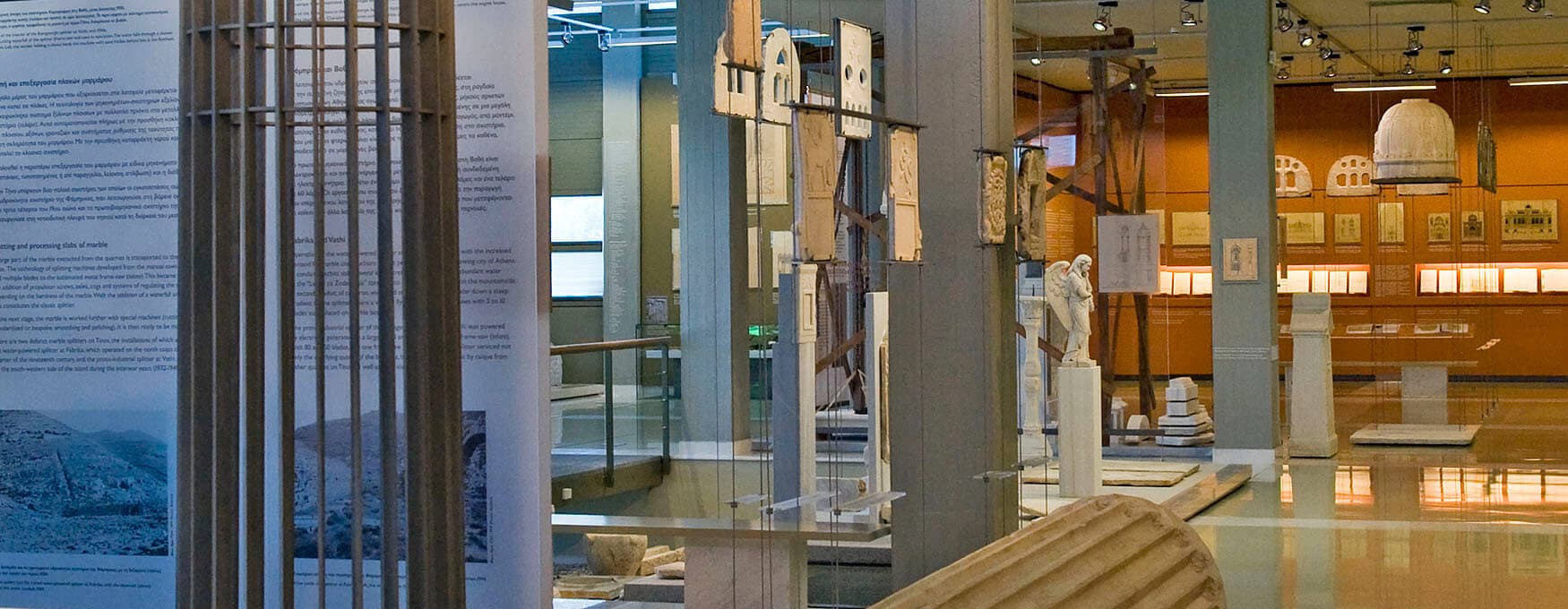
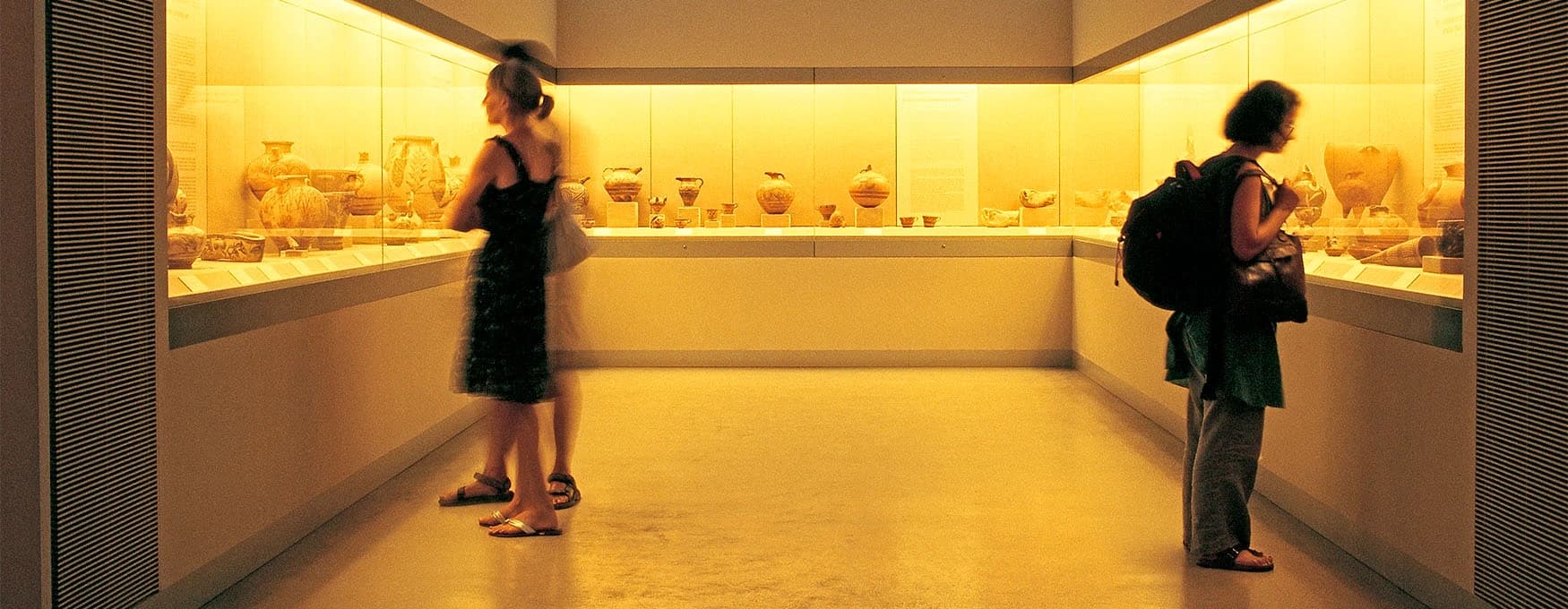
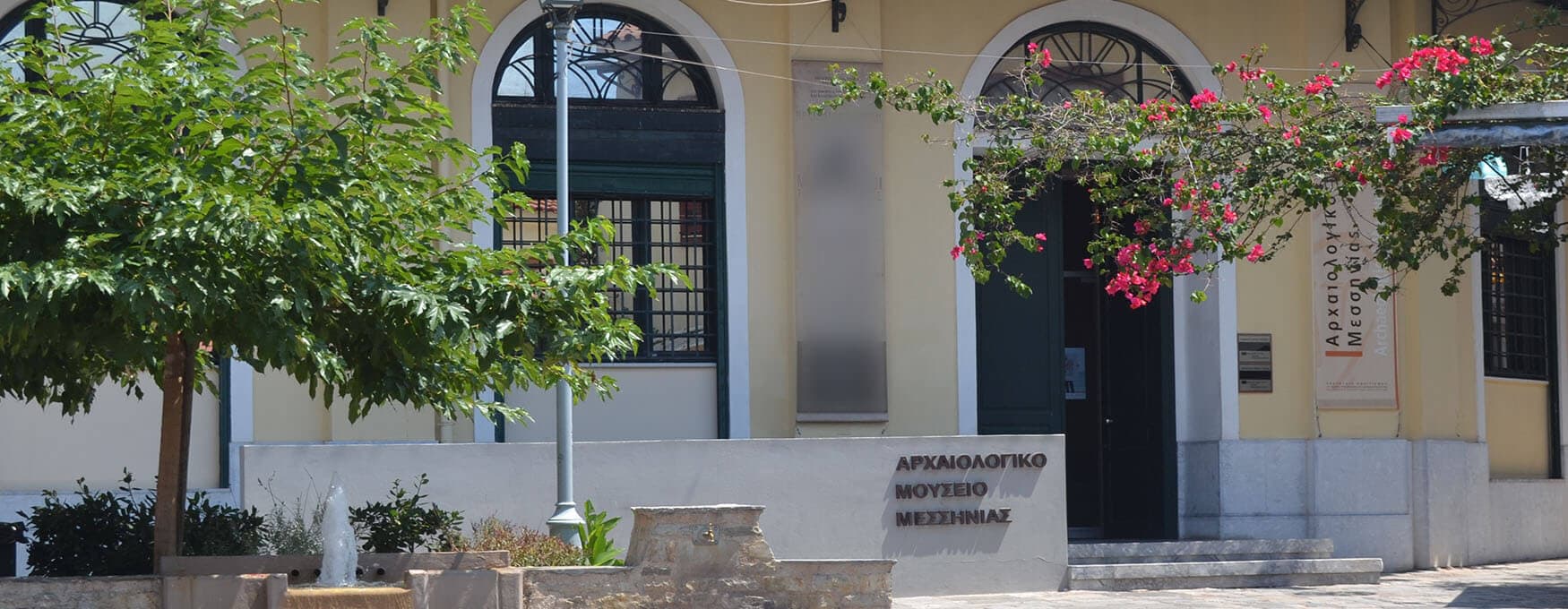
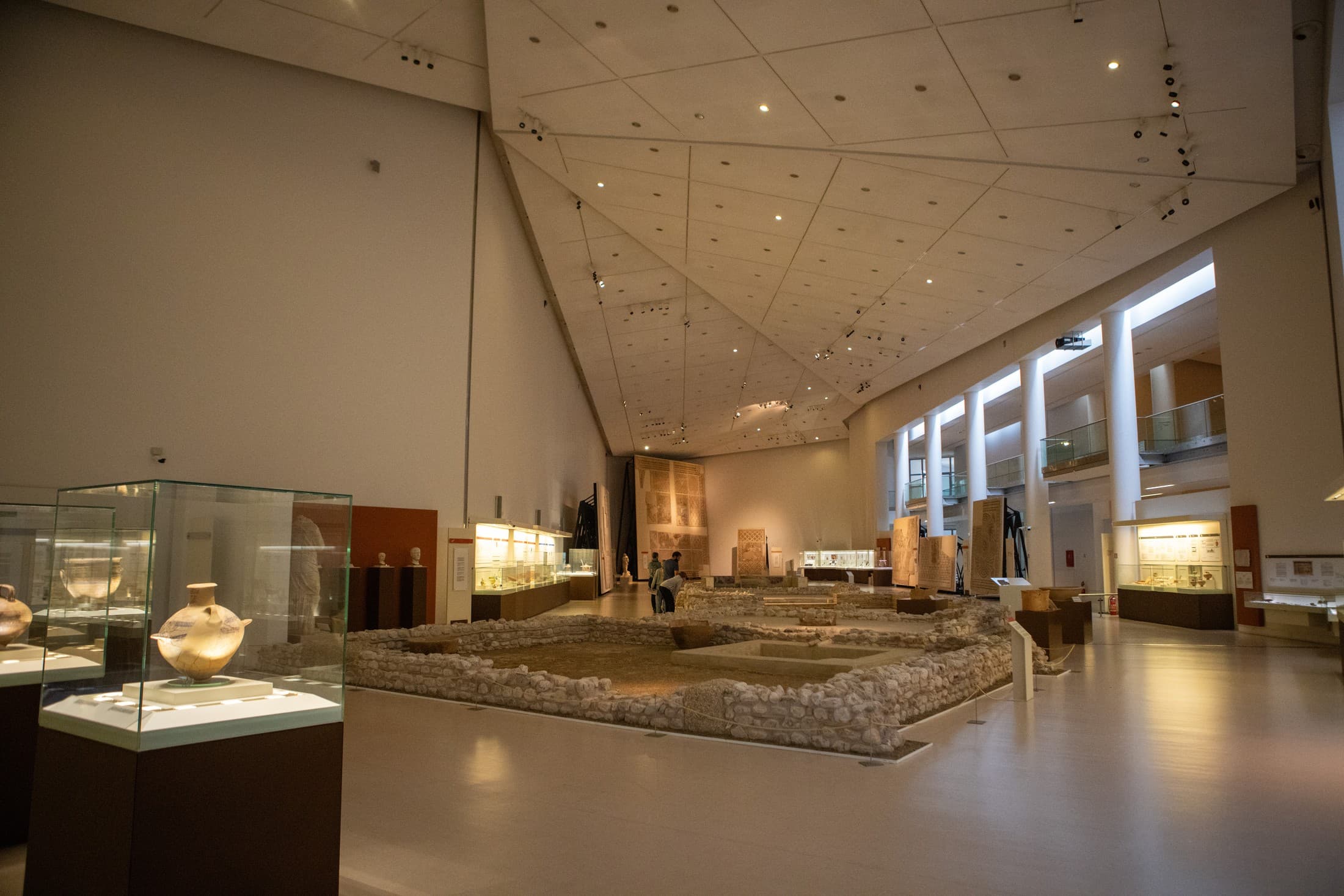
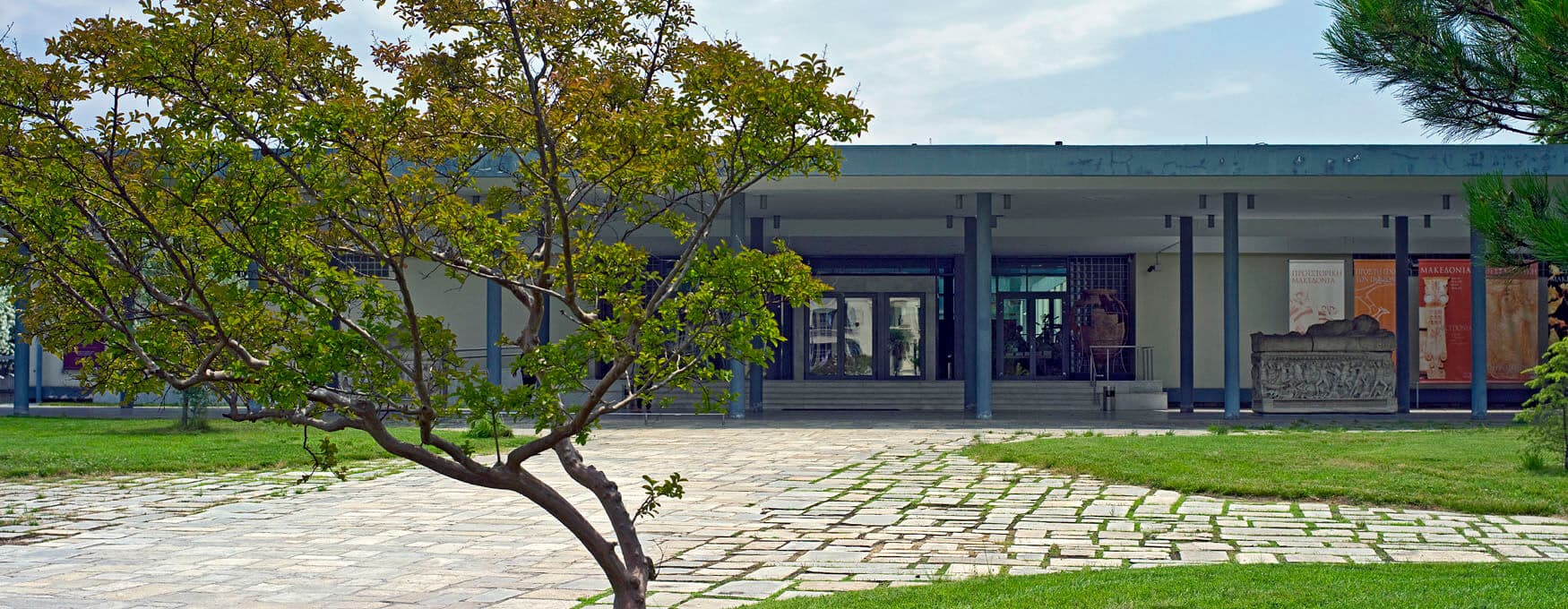
The Archaeological Museum of Elefsina is located within the archaeological site, on the southern side of the hill of the ancient city. The historic building, designed by architect Ioannis Moussis and completed in 1890, invites visitors on a journey to one of the five sacred cities of antiquity, renowned for the Eleusinian Mysteries dedicated to Demeter and Persephone.
Sculptures and Votive Offerings
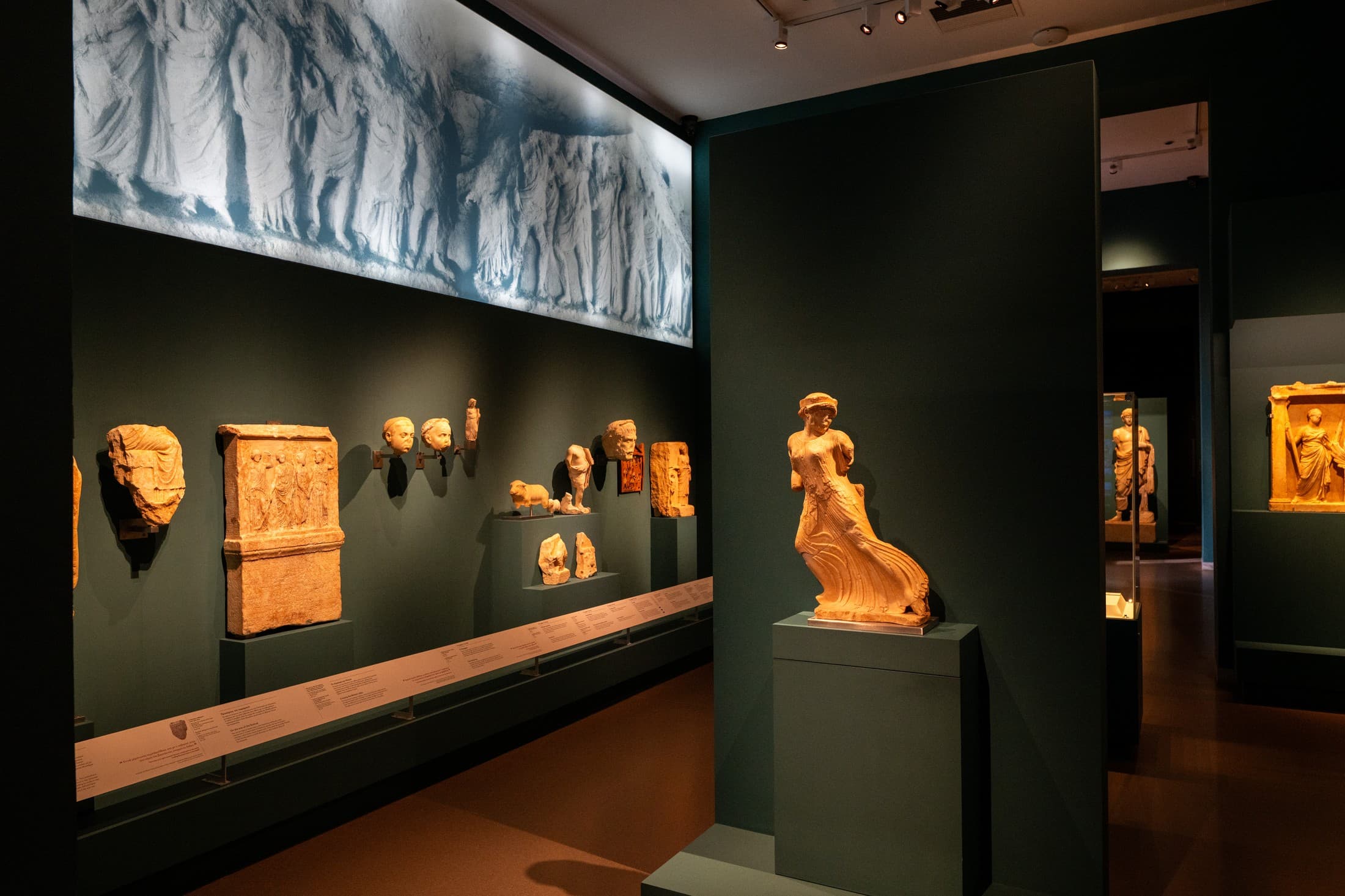
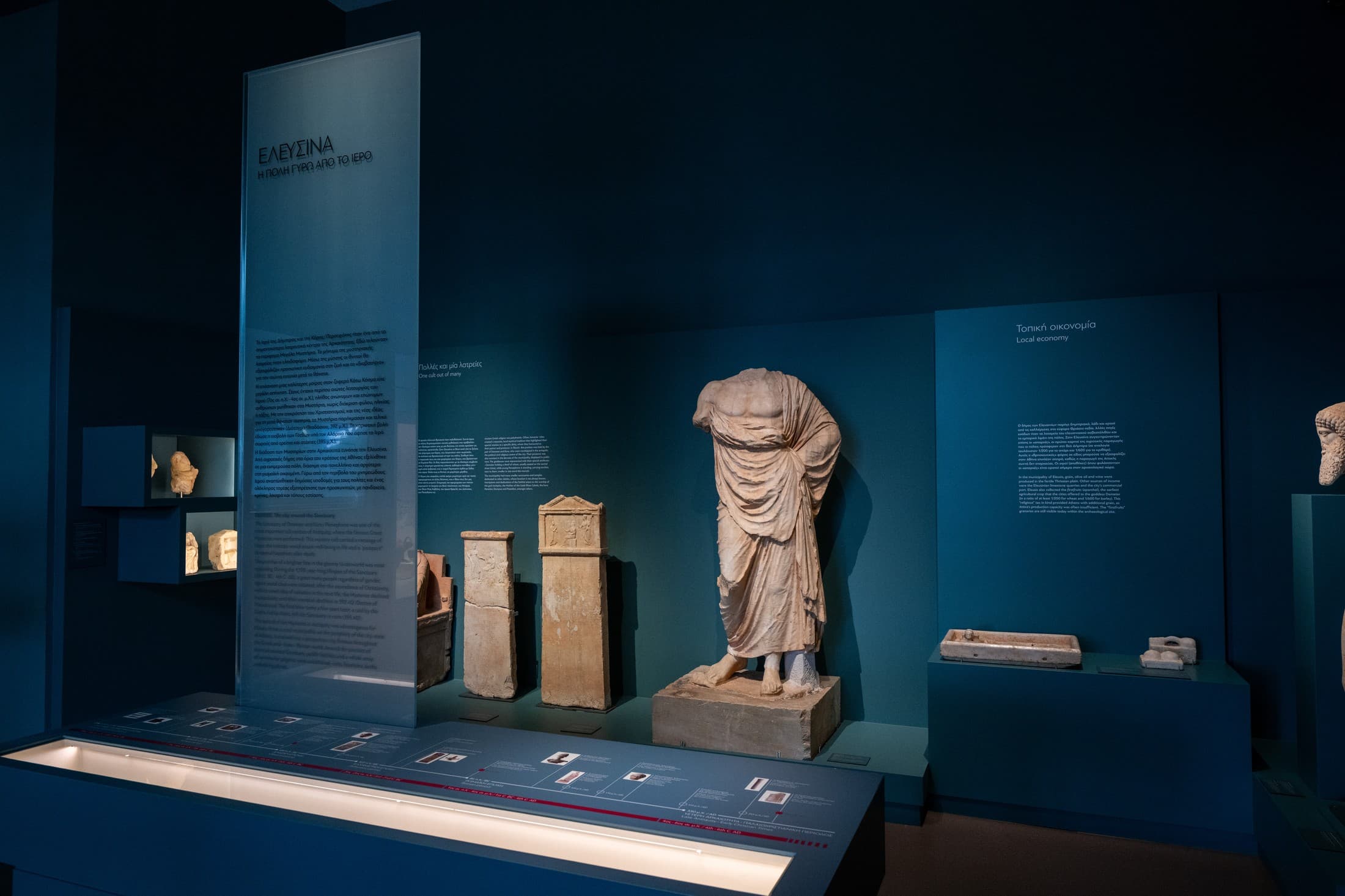
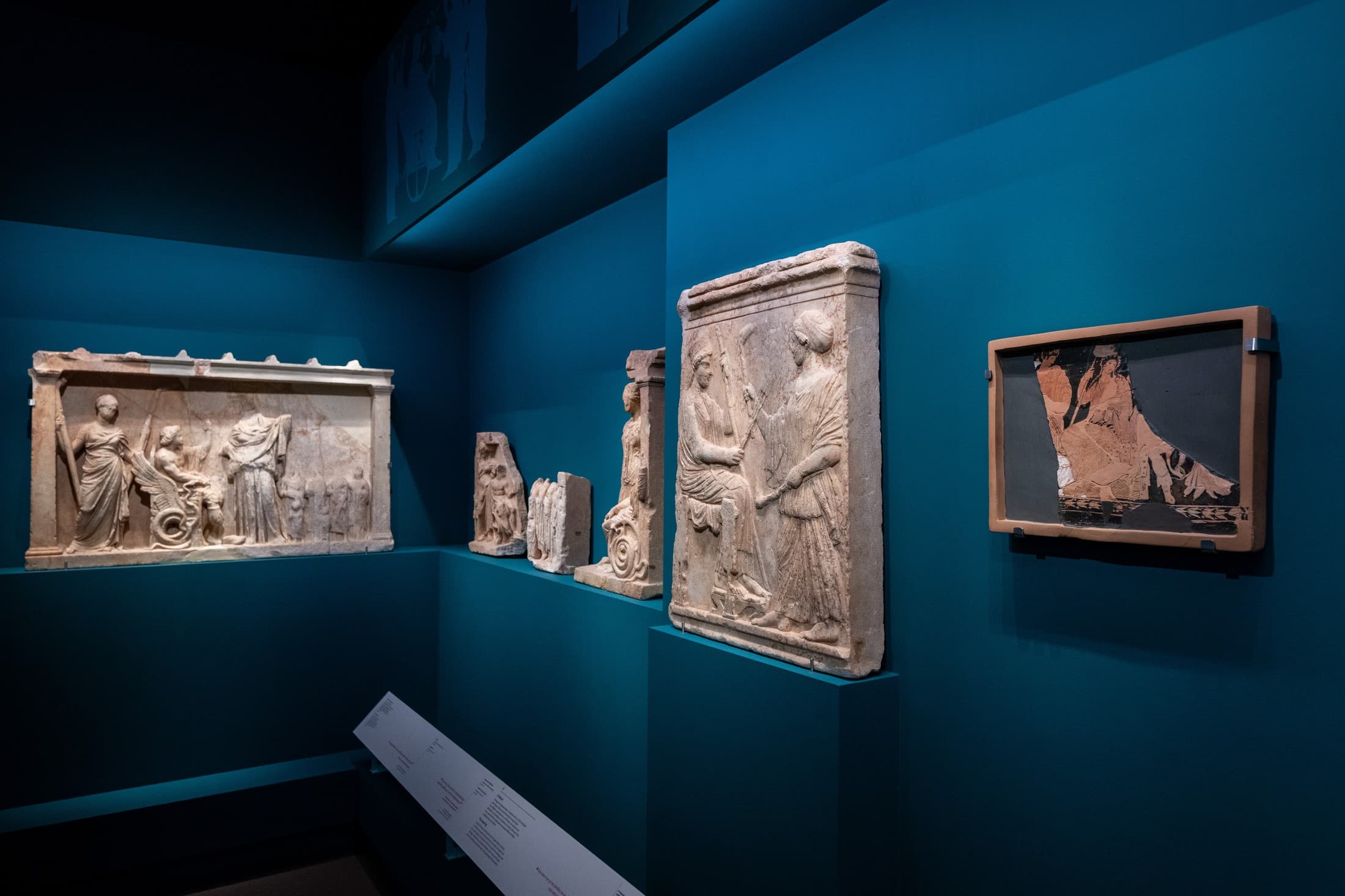
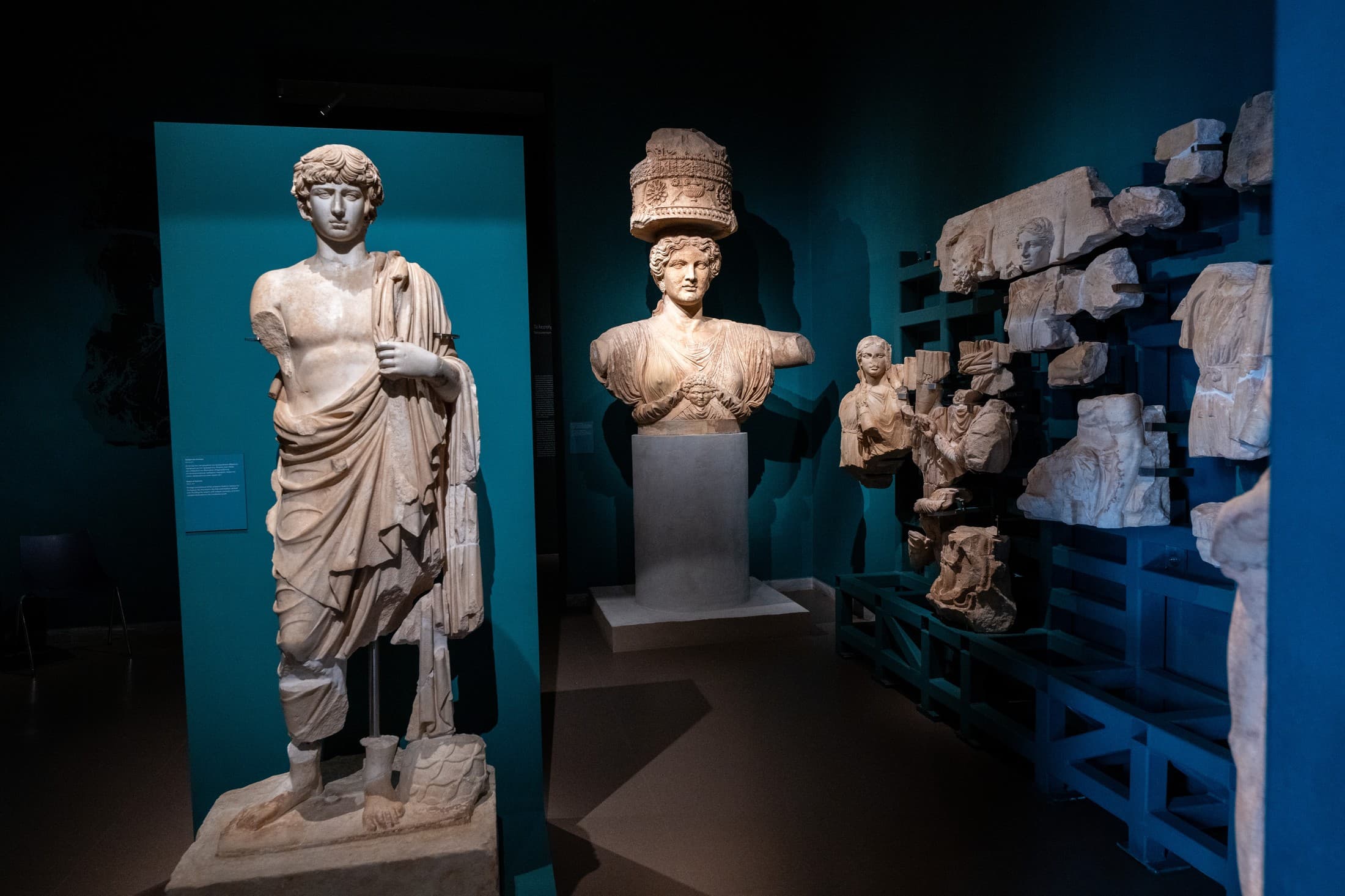
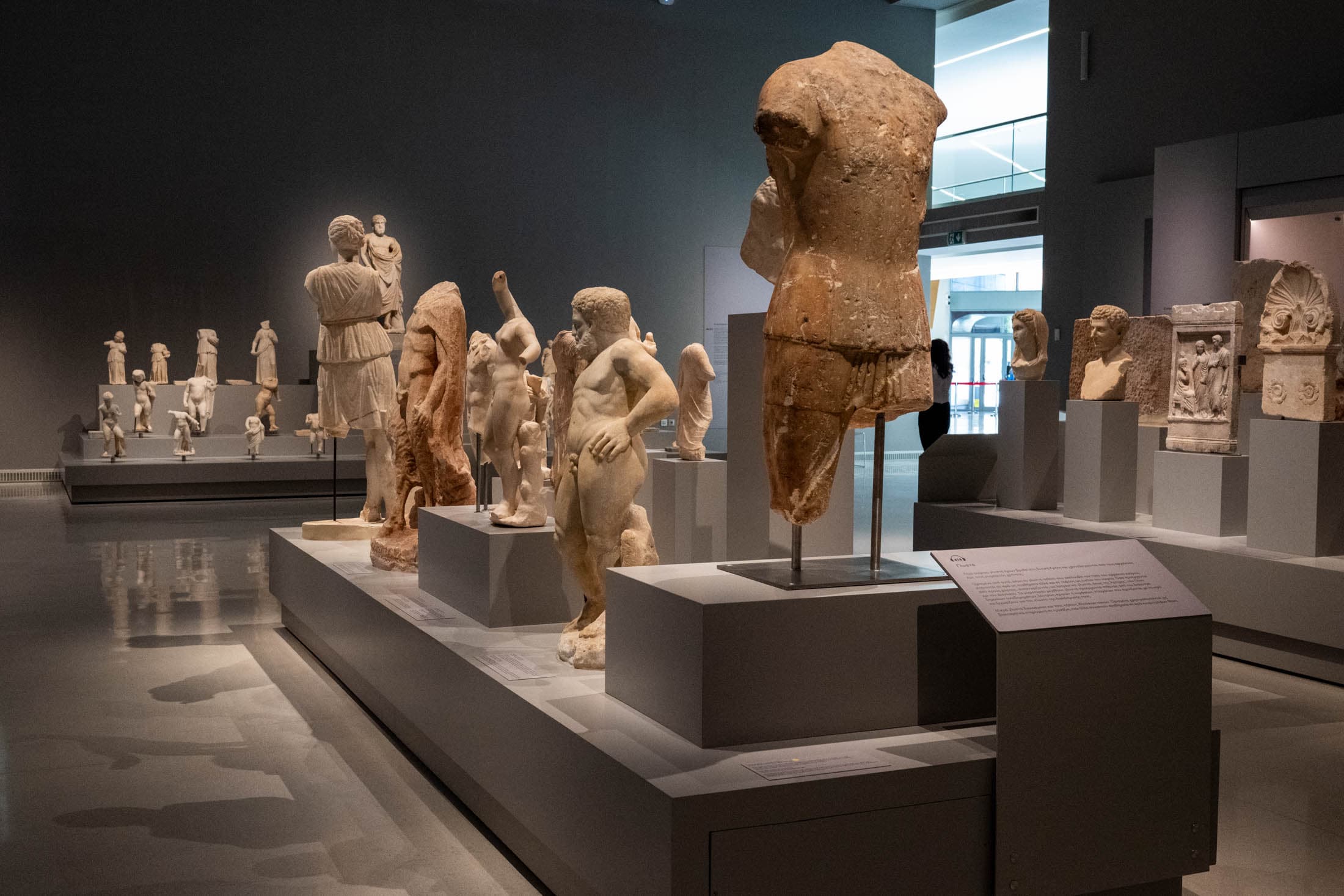
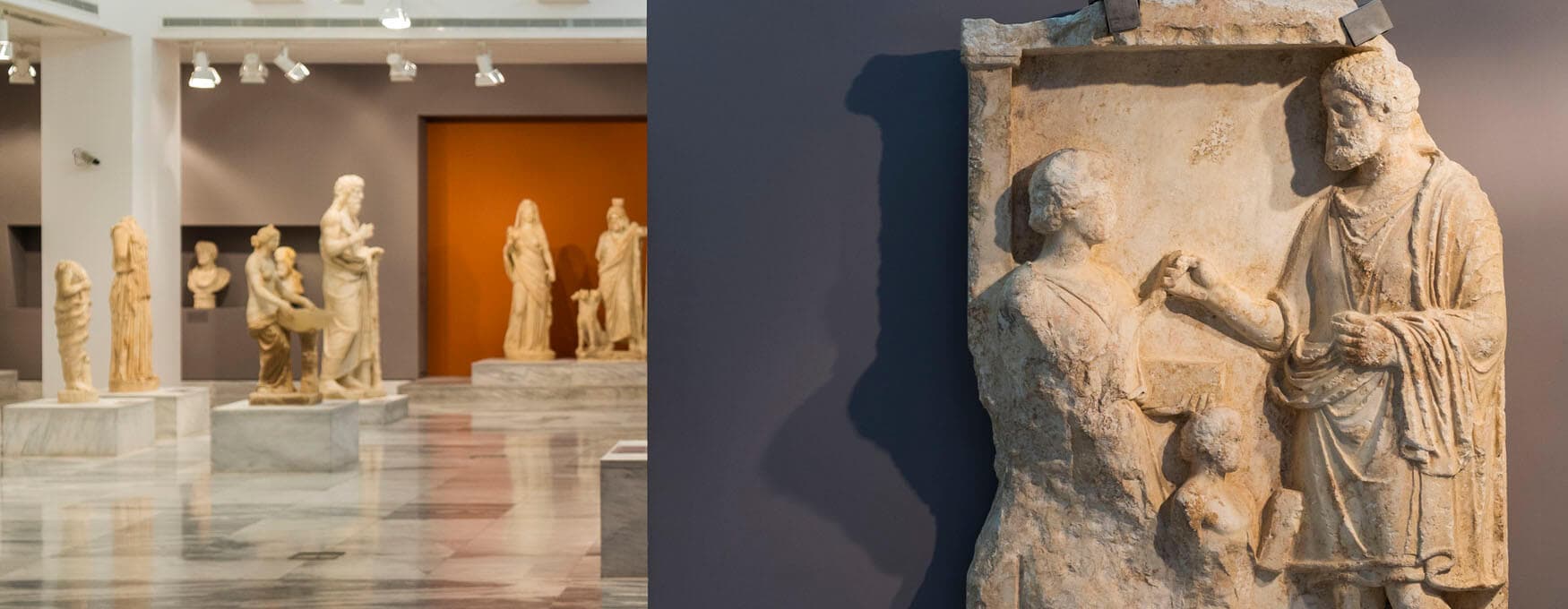
The halls feature impressive architectural elements. Taking centre stage is the colossal Cistophoric Kore, one of the Caryatids that supported the Lesser Propylaea, as well as the "Fleeing Kore" from the decoration of the Sacred House. Important votive offerings from the faithful include the Great Eleusinian relief featuring Triptolemus, the Roman relief of Lakrateides, and the famous Ninnion Tablet, which depicts the arrival of initiates. Notable sculptures include the headless statue of Demeter (by Agorakritos, 420 BC), Asclepius, and Antinous, a favourite of Hadrian.
Inscriptions and Ceramics
A unique historical record is the decree relief of 421 BC, which refers to the bridging of the sacred Reitoi Lakes (present-day Lake Koumoundourou). The ceramic collection includes ritual vessels such as kernoi and plemochoai, which were used exclusively in worship.
Funerary Finds and Courtyard
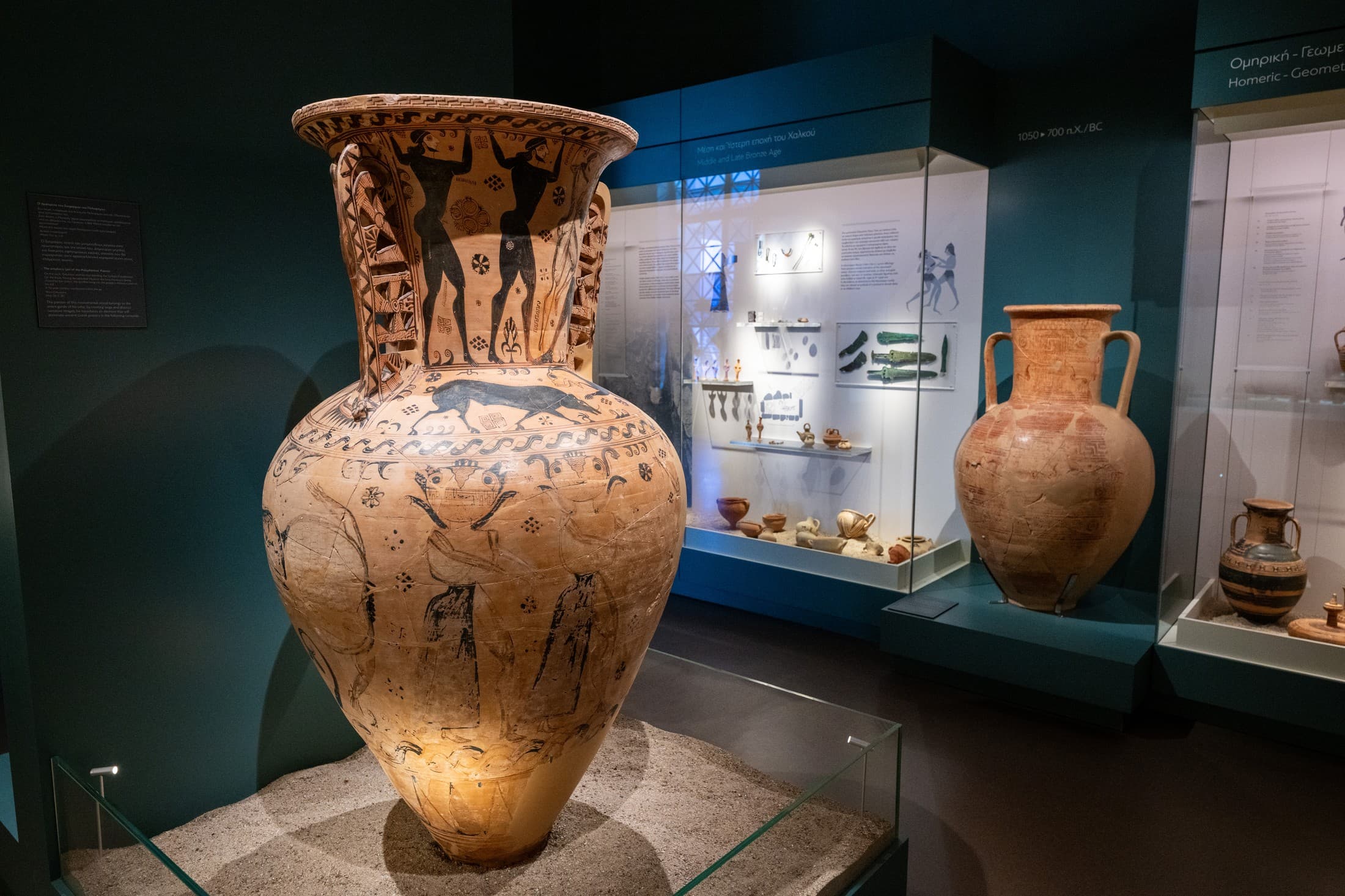
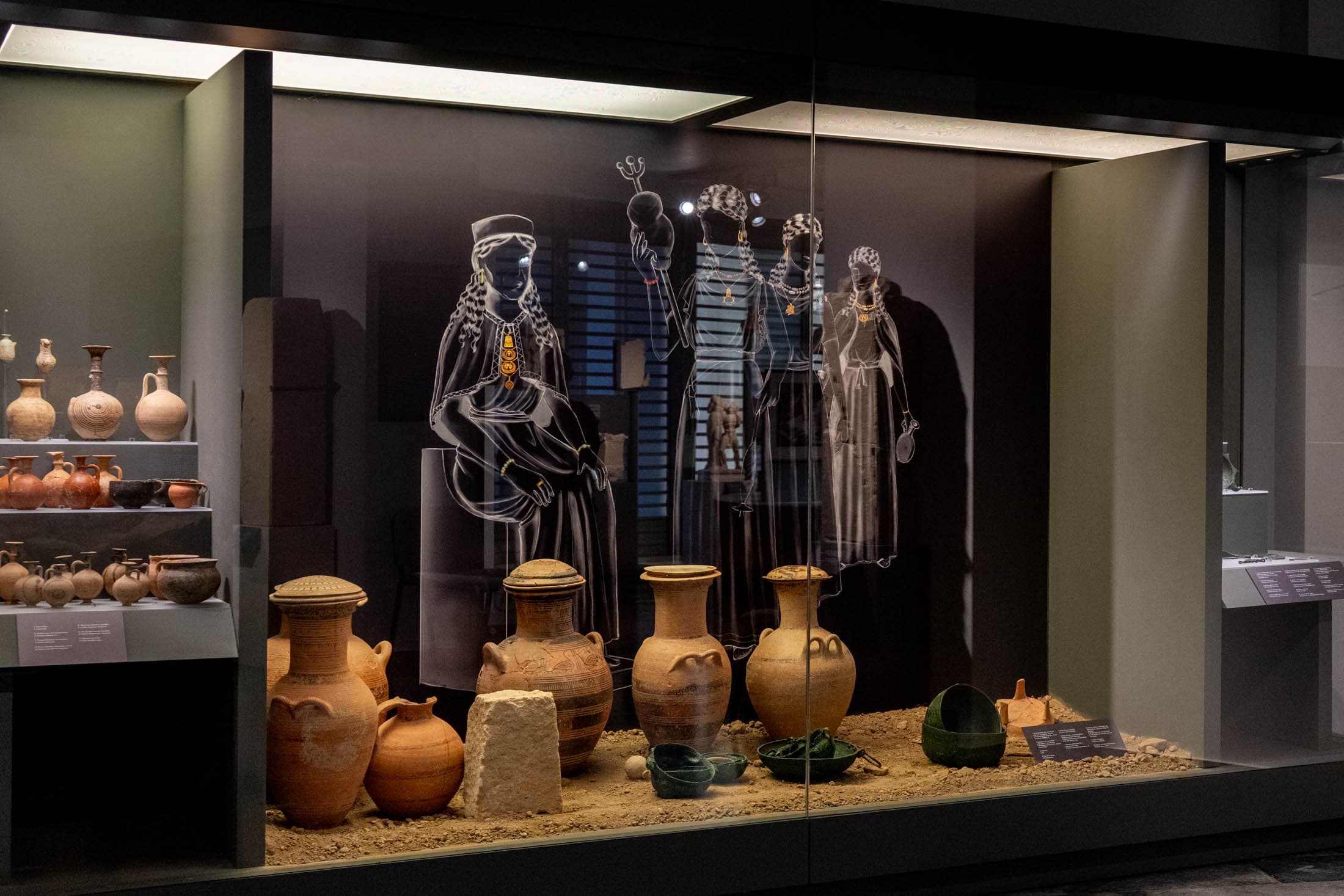
The museum houses significant finds from the "West" and "South" cemeteries of Elefsina. The most important exhibit is the Proto-Attic Amphora (650 BC), famous for depicting the blinding of Polyphemus on its neck and the myth of Perseus. Also notable is the bronze funerary urn found in a stone case. Finally, the courtyard displays capitals, marble torches, and the striking sarcophagus depicting the Calydonian Boar hunt.
Snapshots
Postcards from a land of endless beauty.
+0
You might also like
Immerse yourself in the authentic Greek way of life