Treasures of Art and History
The Byzantine and Christian Museum of Athens, founded in 1914, is one of the most significant custodians of cultural heritage in Greece. Its collection comprises approximately 30,000 items, including portable icons, sculptures, murals, mosaics, and religious textiles.
The Permanent Collections
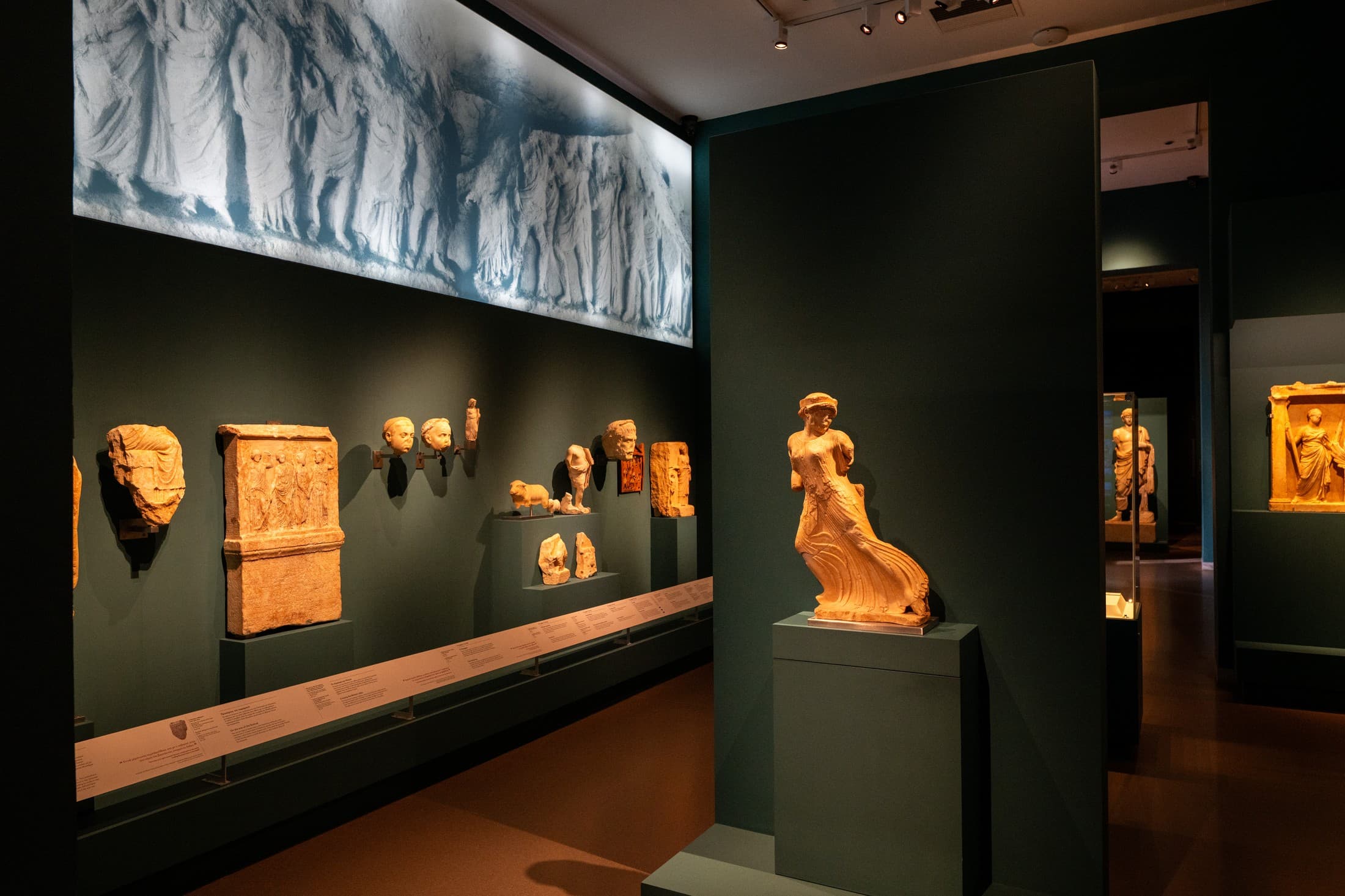
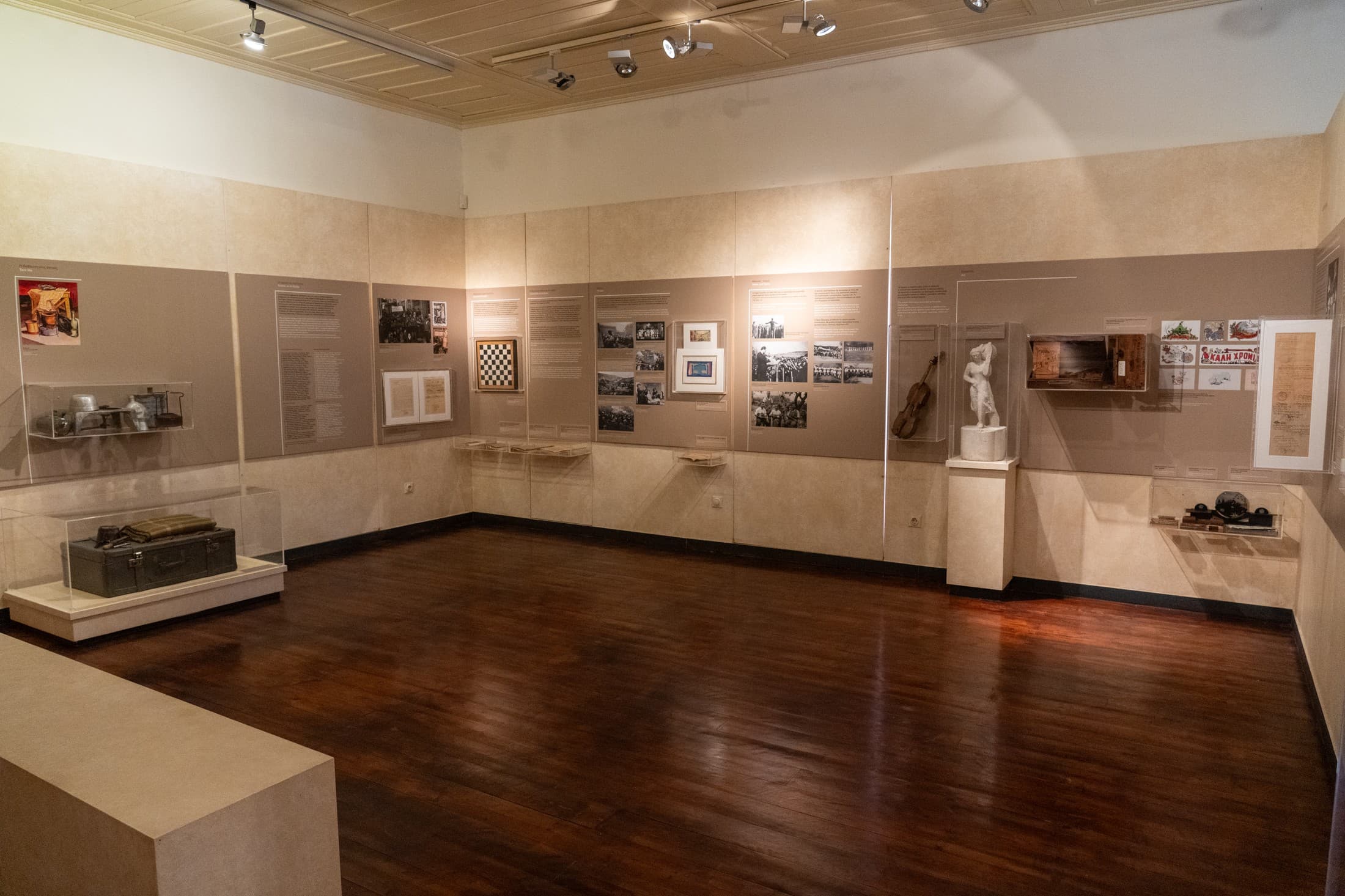
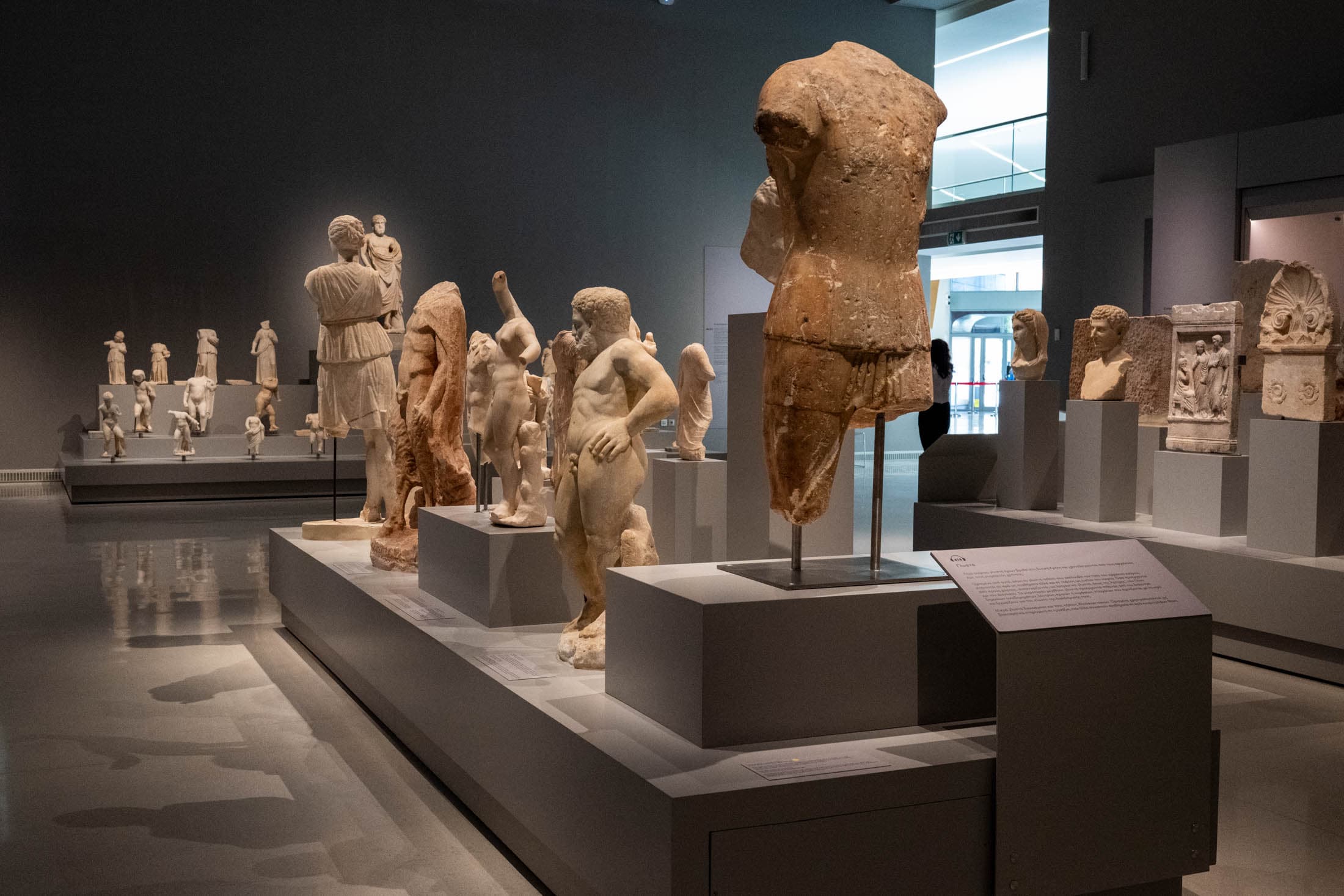
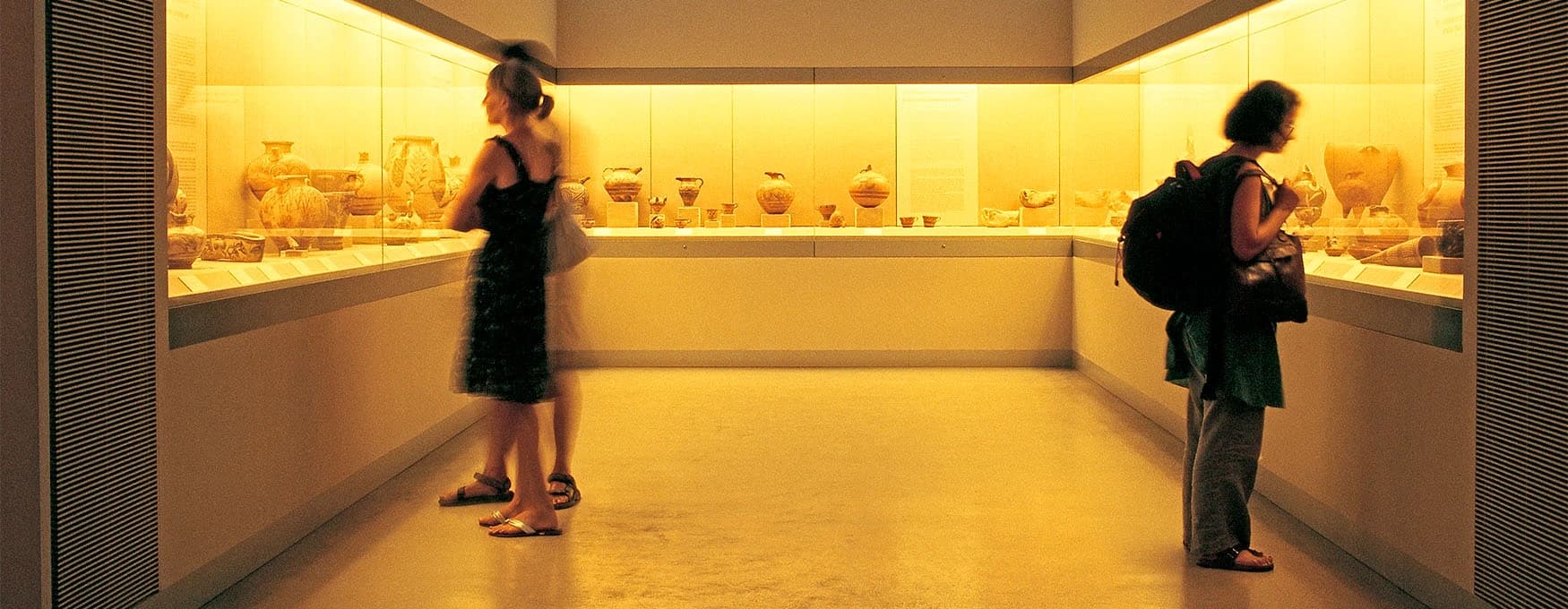
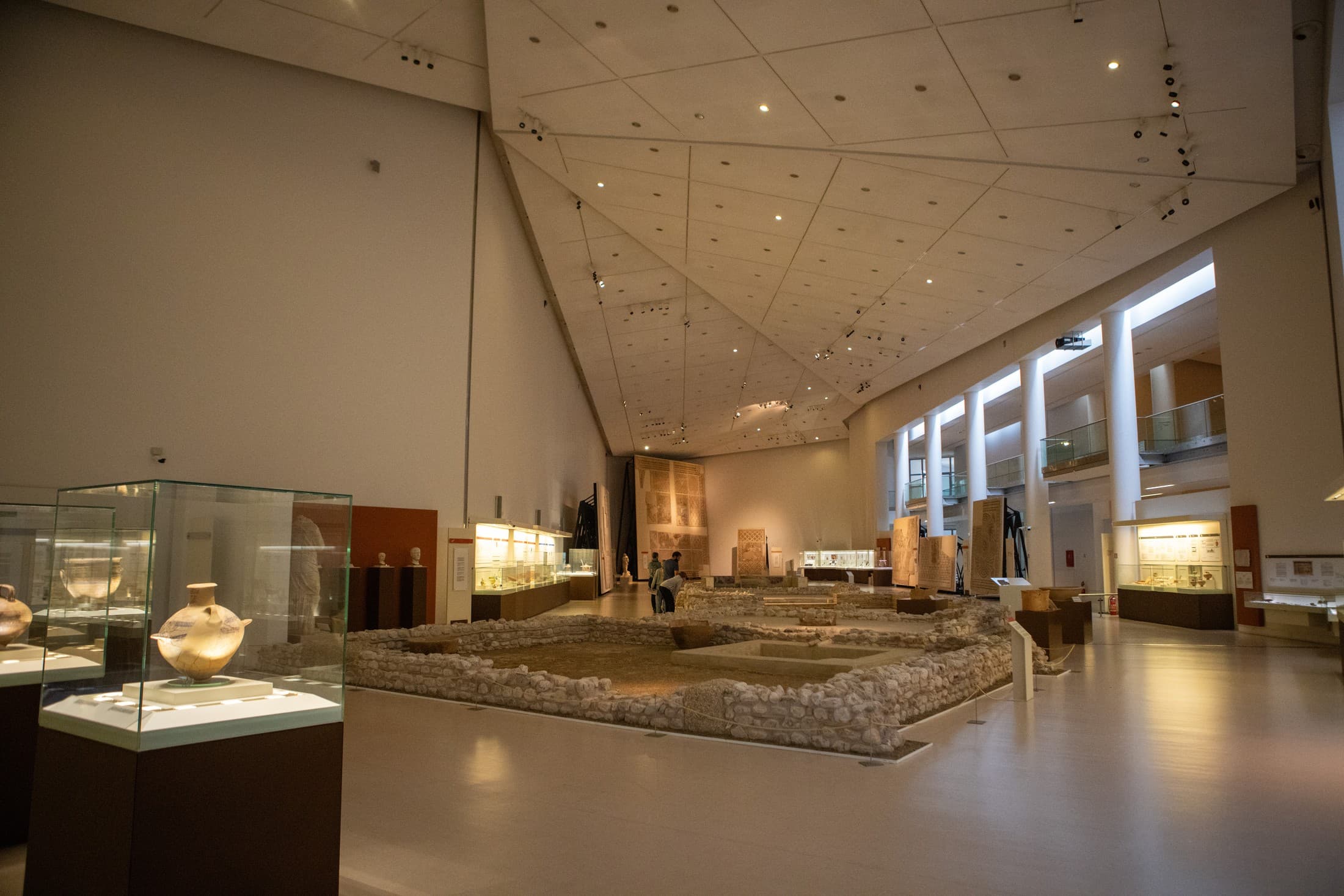
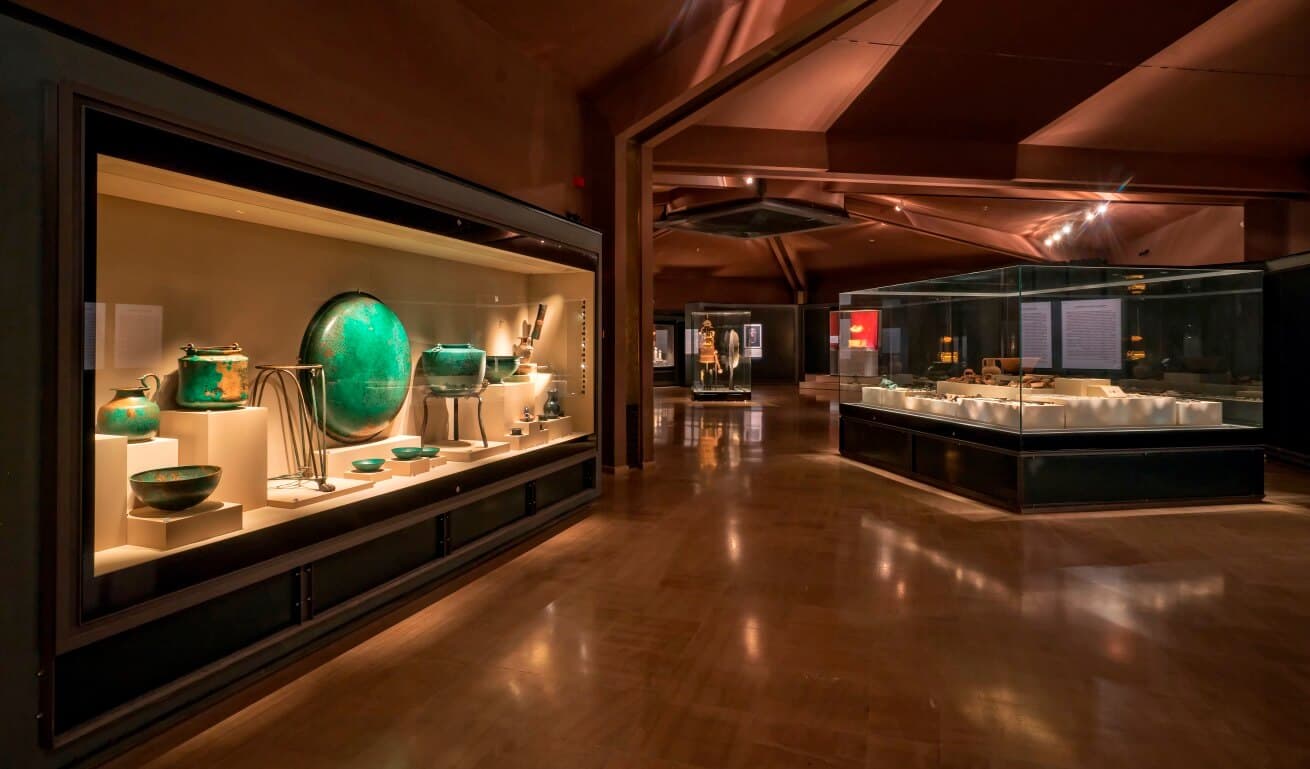
The exhibition is divided into two main sections. The first section covers the Byzantine period (4th-15th centuries) and analyses the gradual transition from the ancient world to the Byzantine era. This section highlights key events such as the legalisation of Christianity in AD 313 by Emperor Constantine and the transfer of the capital to Constantinople. It also covers the definitive end of the ancient world with the closure of the philosophical schools in AD 529 and the decline of urban centres.
The second section, "From Byzantium to the Modern Era" (15th-20th centuries), focuses on the trajectory of Hellenism after the Fall of Constantinople. Particular emphasis is placed on areas under Venetian rule, such as Crete, the Cyclades, and the Ionian Islands, where Byzantine tradition creatively met the European Renaissance.
The Duchess' Residence
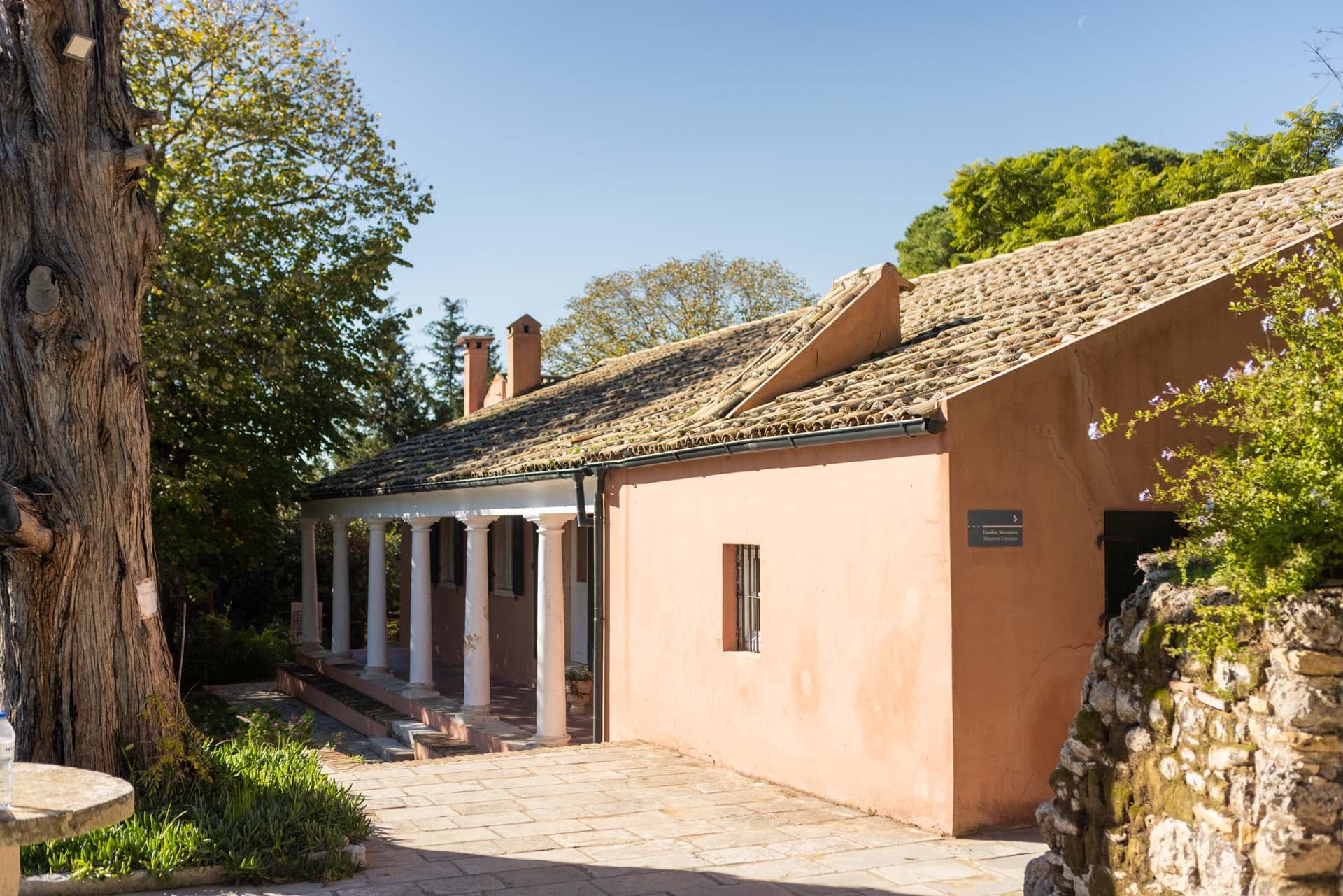
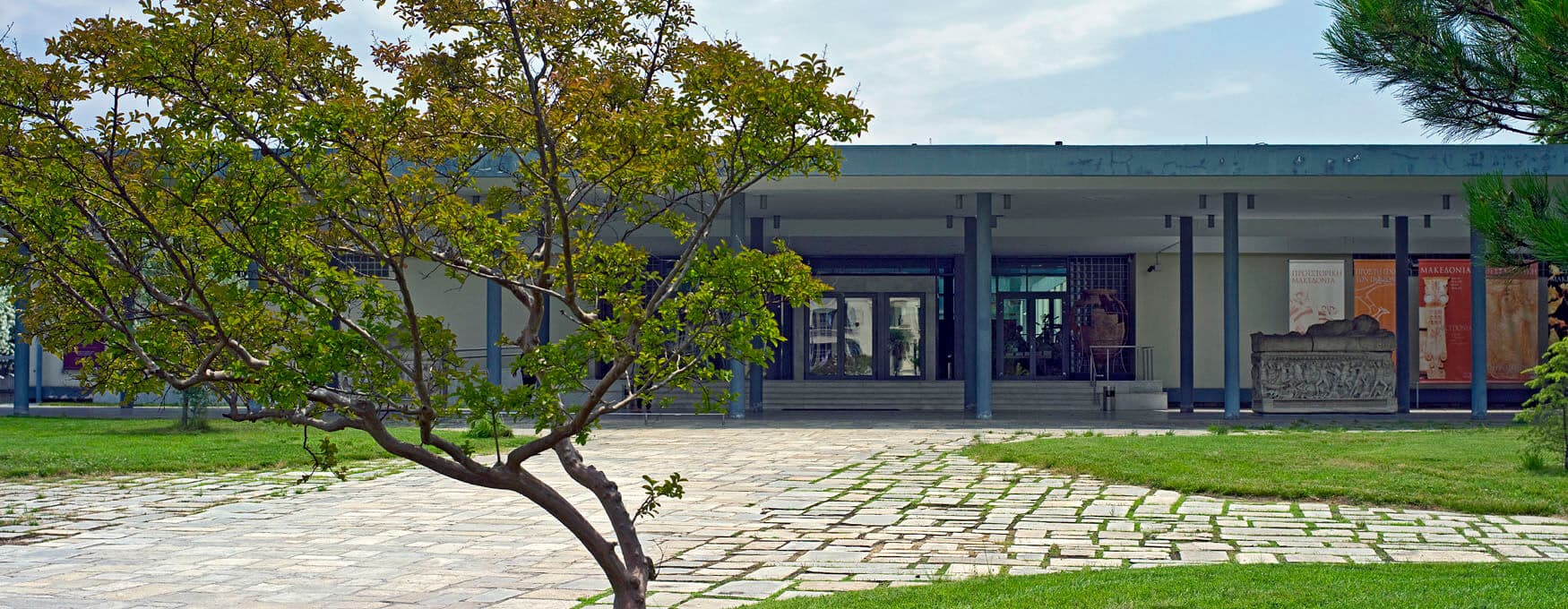
The museum is housed in the historic "Villa Ilissia," completed in 1848. It served as the winter residence of the legendary Duchess of Plaisance, Sophie de Marbois, who was born in Philadelphia, USA. The building complex, which bears the inscription "ILISSIA" at the entrance, combines classicism with romanticism. Before serving as a museum, it housed the Officer Cadets’ Academy for three years.
The Gardens and the Café
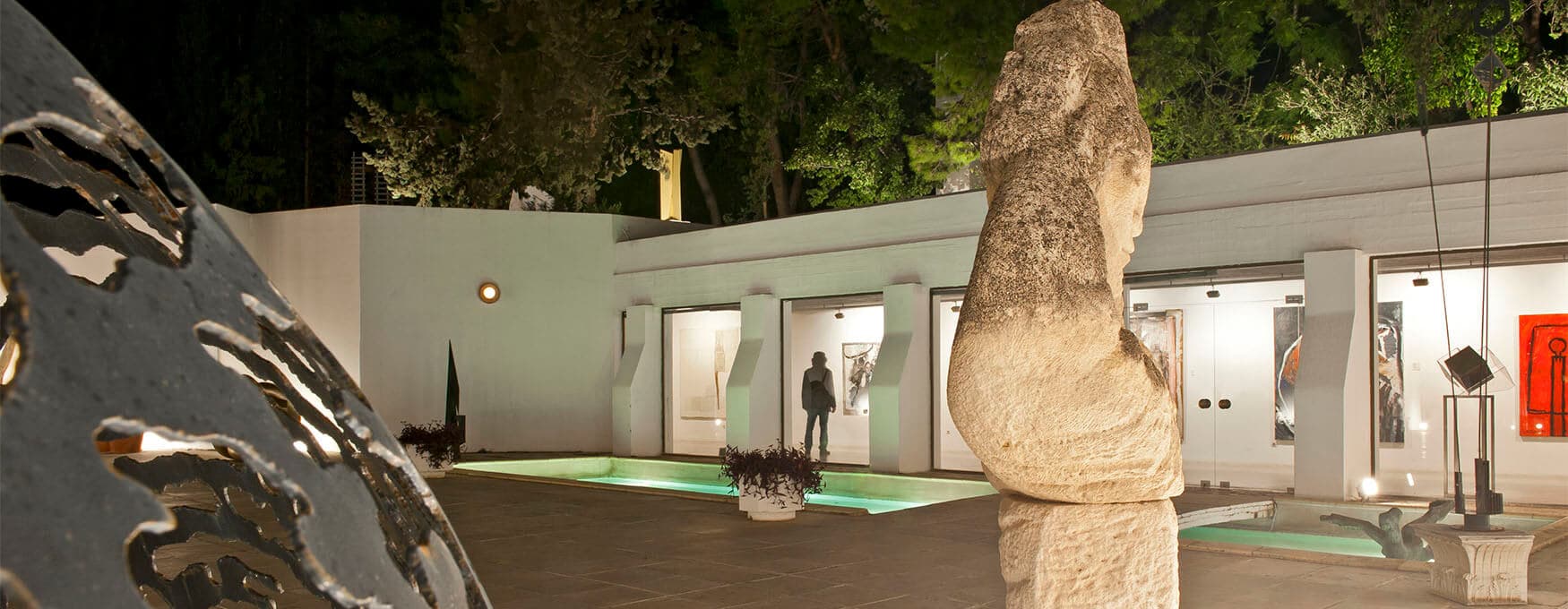
The museum gardens offer a green oasis, inviting visitors on a journey through history. Amidst fruit trees and water features, visitor can see three outdoor exhibitions: the "Well-Cistern" on the history of water supply, "Paradise" on Byzantine beliefs about the afterlife, and "Ilissos" on the landscape of the river. A café-bistro operates in the shade of the historic building, offering moments of relaxation.
The Permanent Collections
The exhibition is divided into two main sections. The first section covers the Byzantine period (4th-15th centuries) and analyses the gradual transition from the ancient world to the Byzantine era. This section highlights key events such as the legalisation of Christianity in AD 313 by Emperor Constantine and the transfer of the capital to Constantinople. It also covers the definitive end of the ancient world with the closure of the philosophical schools in AD 529 and the decline of urban centres.
The second section, "From Byzantium to the Modern Era" (15th-20th centuries), focuses on the trajectory of Hellenism after the Fall of Constantinople. Particular emphasis is placed on areas under Venetian rule, such as Crete, the Cyclades, and the Ionian Islands, where Byzantine tradition creatively met the European Renaissance.
The Duchess' Residence
The museum is housed in the historic "Villa Ilissia," completed in 1848. It served as the winter residence of the legendary Duchess of Plaisance, Sophie de Marbois, who was born in Philadelphia, USA. The building complex, which bears the inscription "ILISSIA" at the entrance, combines classicism with romanticism. Before serving as a museum, it housed the Officer Cadets’ Academy for three years.
The Gardens and the Café
The museum gardens offer a green oasis, inviting visitors on a journey through history. Amidst fruit trees and water features, visitor can see three outdoor exhibitions: the "Well-Cistern" on the history of water supply, "Paradise" on Byzantine beliefs about the afterlife, and "Ilissos" on the landscape of the river. A café-bistro operates in the shade of the historic building, offering moments of relaxation.