A Journey into the Depths of History
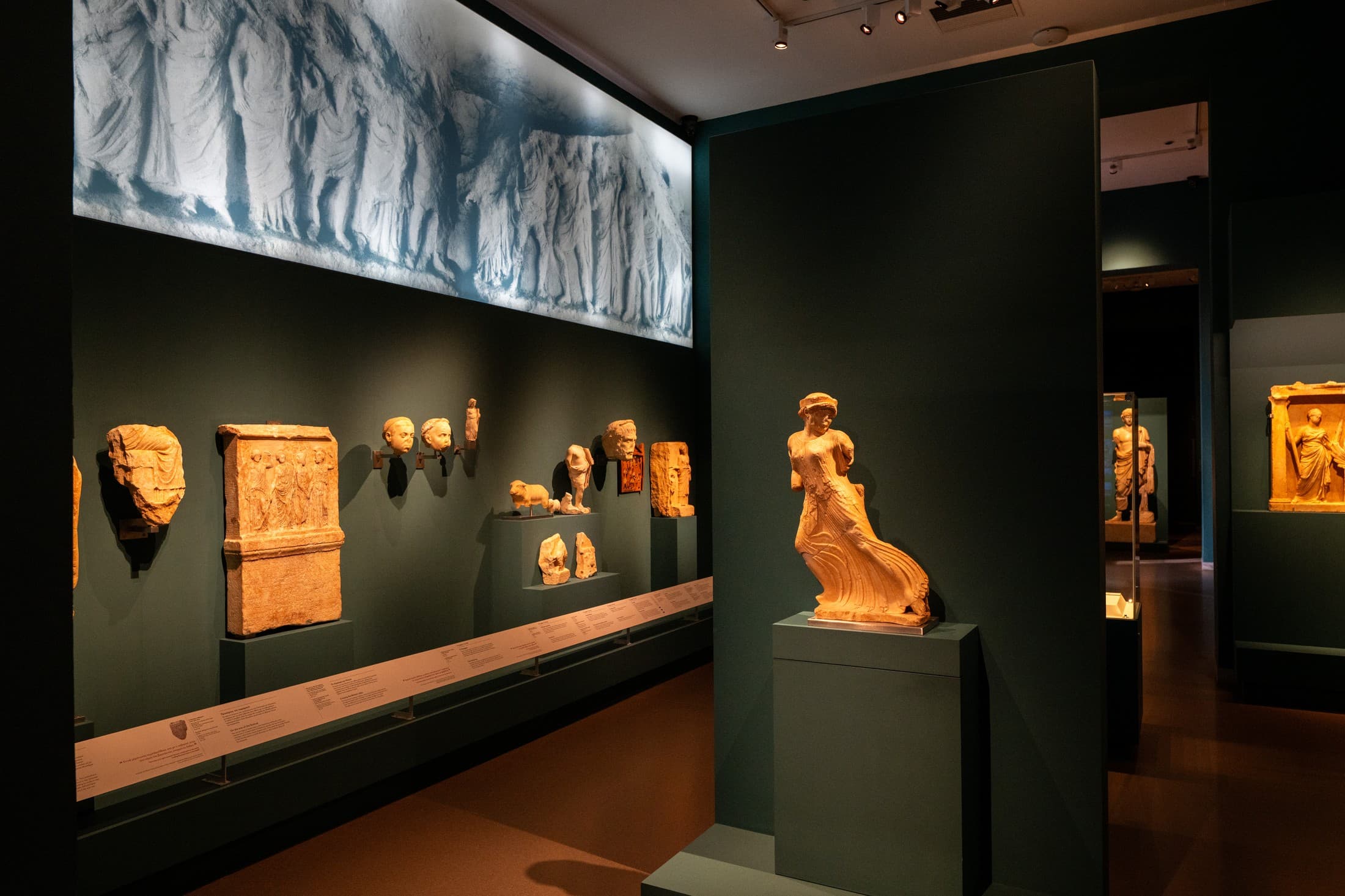
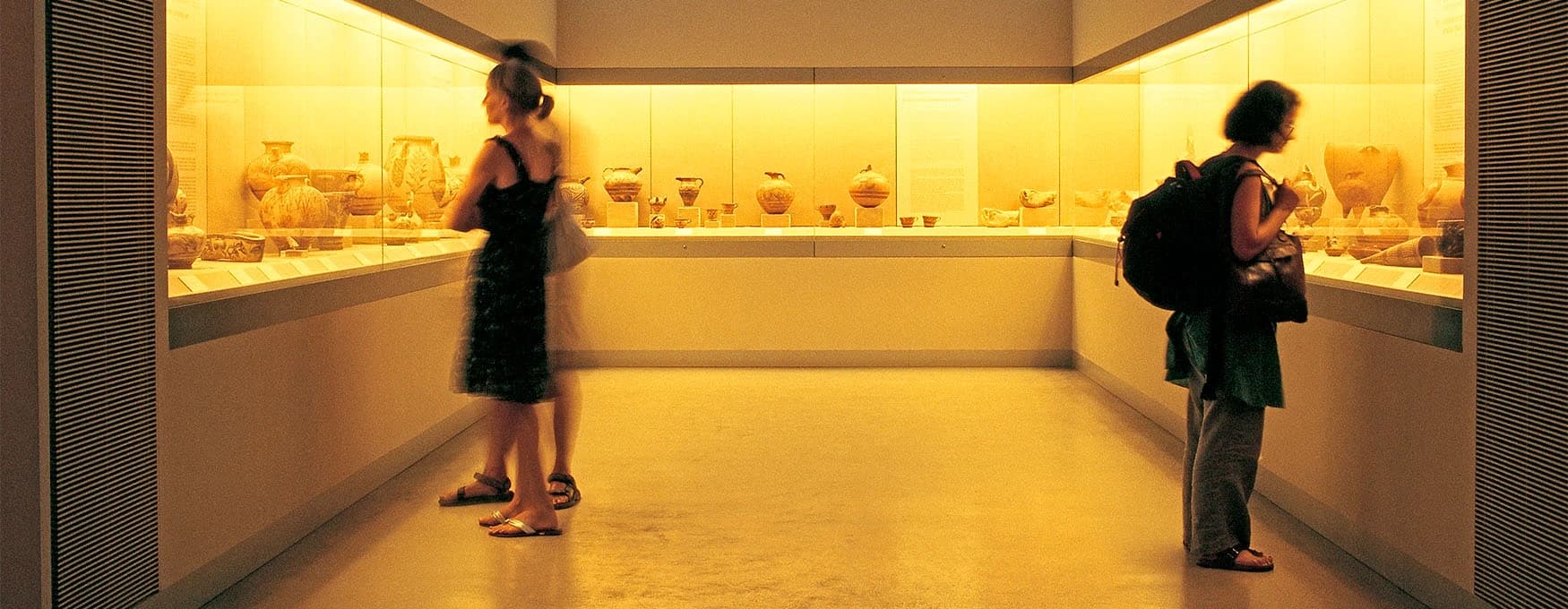
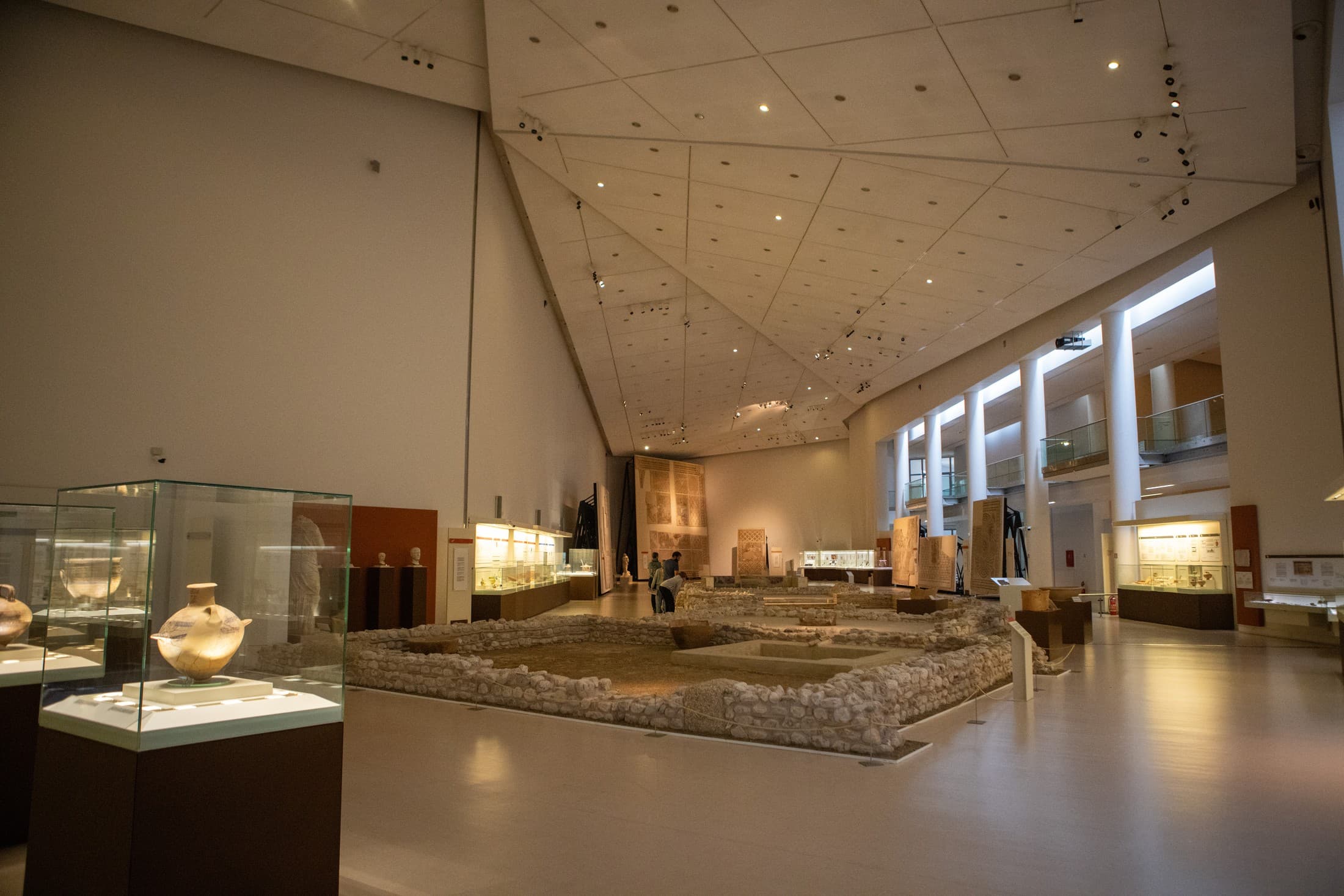
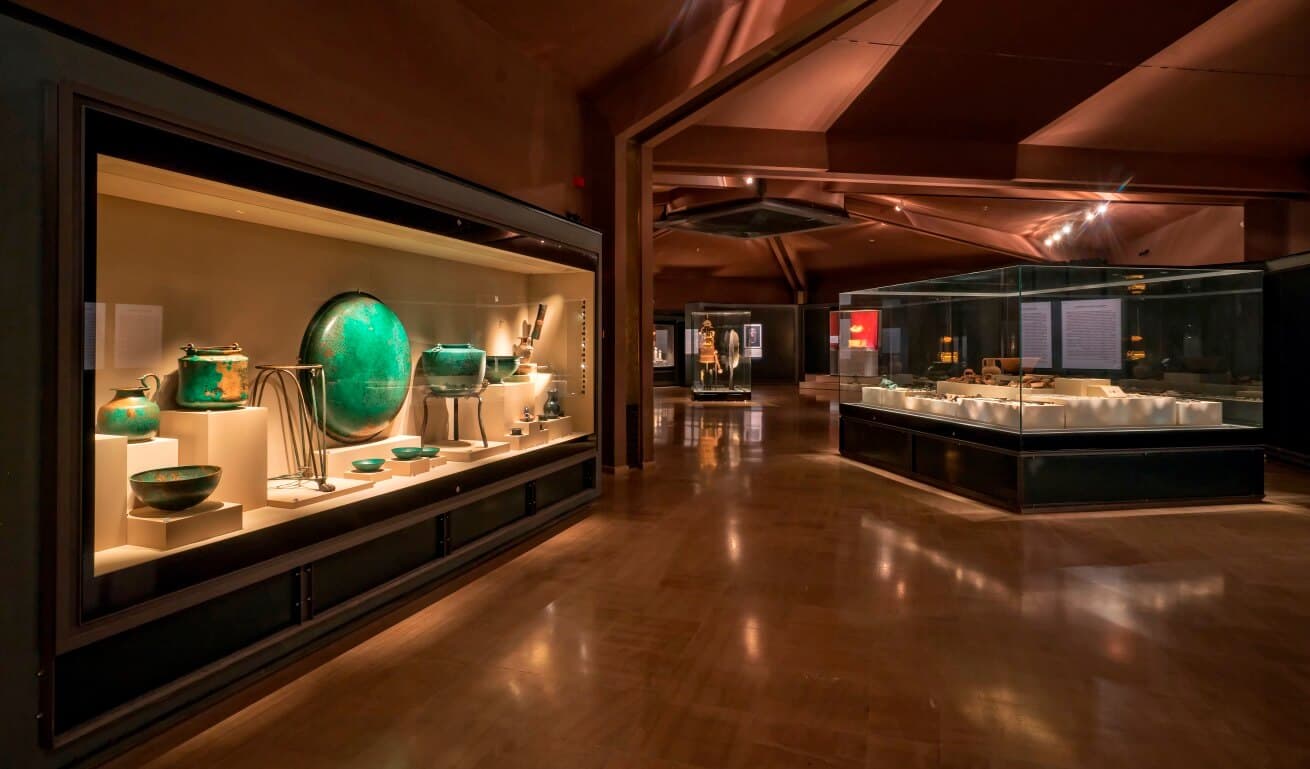
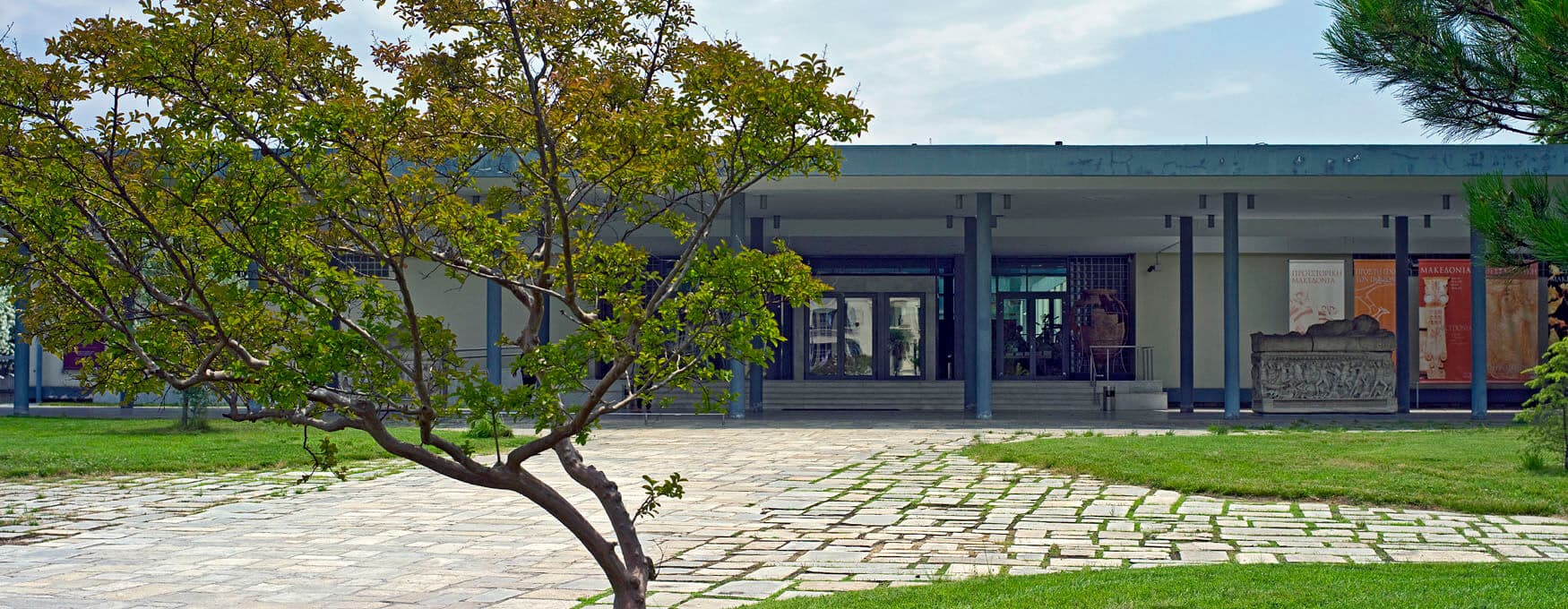
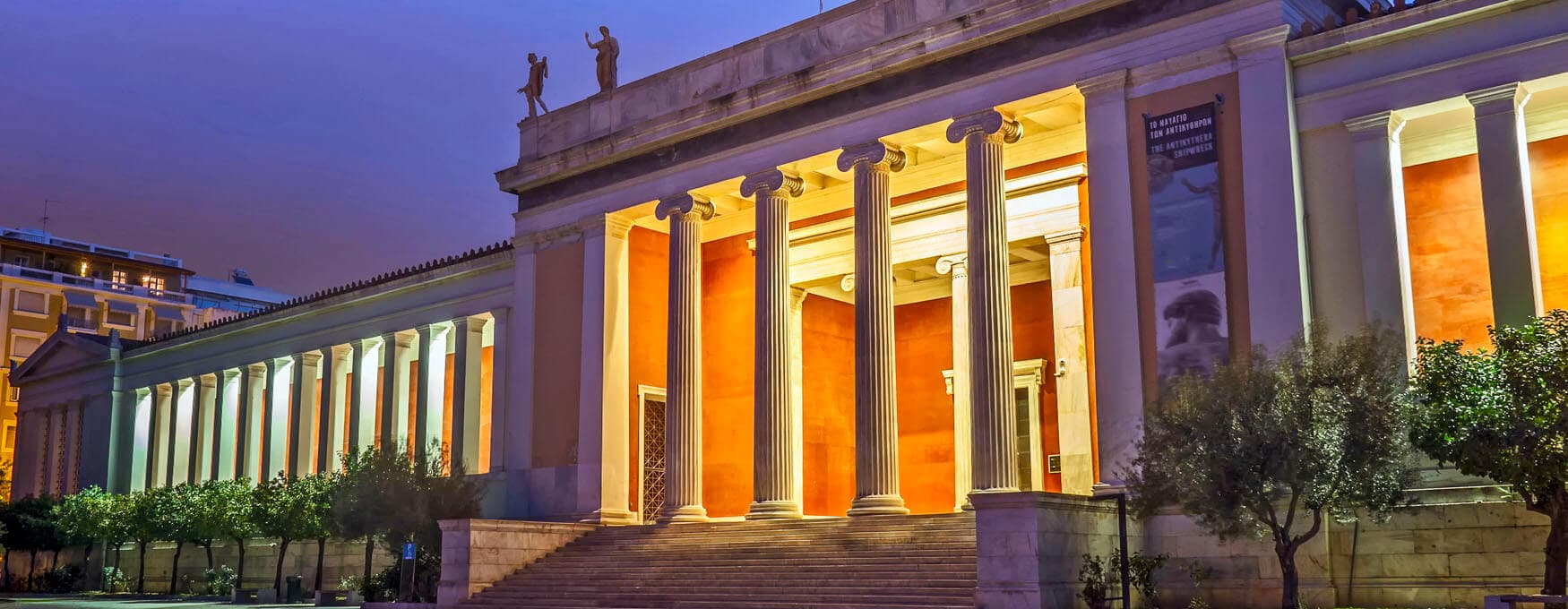
The National Archaeological Museum is one of the most important museums in the world and the largest in Greece. With over 11,000 exhibits, it offers visitors a unique panorama of ancient Greek civilisation, from the dawn of prehistory to late antiquity. Originally intended to house finds from the 19th century, mainly from Attica, it gradually evolved into a central National Museum, enriched with treasures from every corner of the Greek world.
The Permanent Collections: The museum houses five major collections.
Must-see Masterpieces Exploring the National Archaeological Museum unveils unique treasures:
Other notable exhibits include the head of Hygeia from Tegea and the votive relief of Asclepius with the six suppliants.
Visits and Access The verdant garden of the atrium features a café, offering relaxation beside ancient ruins and the scents of lavender and lemon trees. Access is easy via the Metro (Omonia or Victoria stations), bus or trolleybus. The museum does not have its own parking facility, but there are private parking areas on nearby streets (Bouboulinas Street, Zaimi Street, Alexandras Avenue).
The Permanent Collections: The museum houses five major collections.
- Prehistoric Antiquities: This collection encompasses works from the Neolithic, Cycladic, and Mycenaean civilisations (6th millennium - 1050 BC), as well as finds from the prehistoric settlement of Thera.
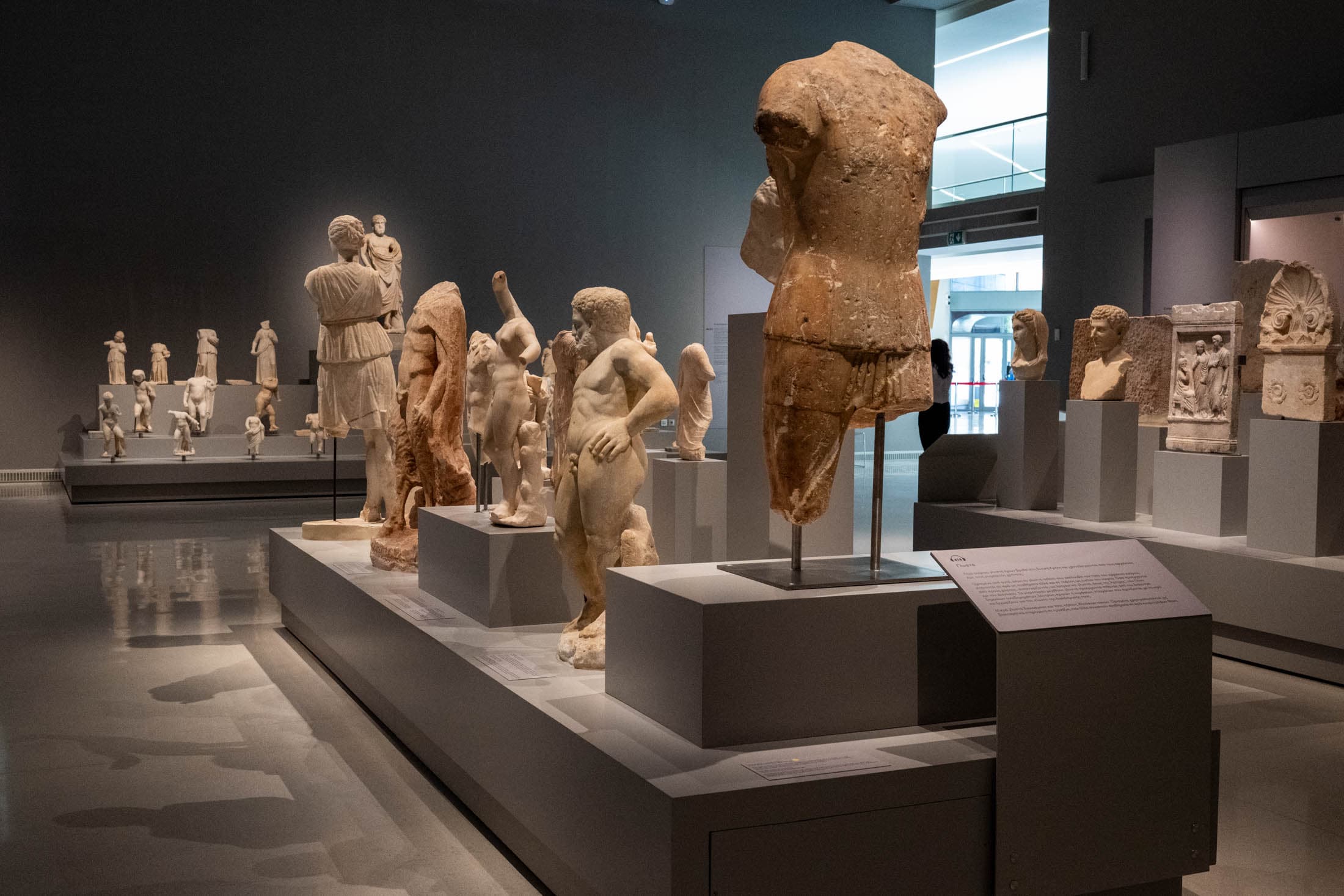
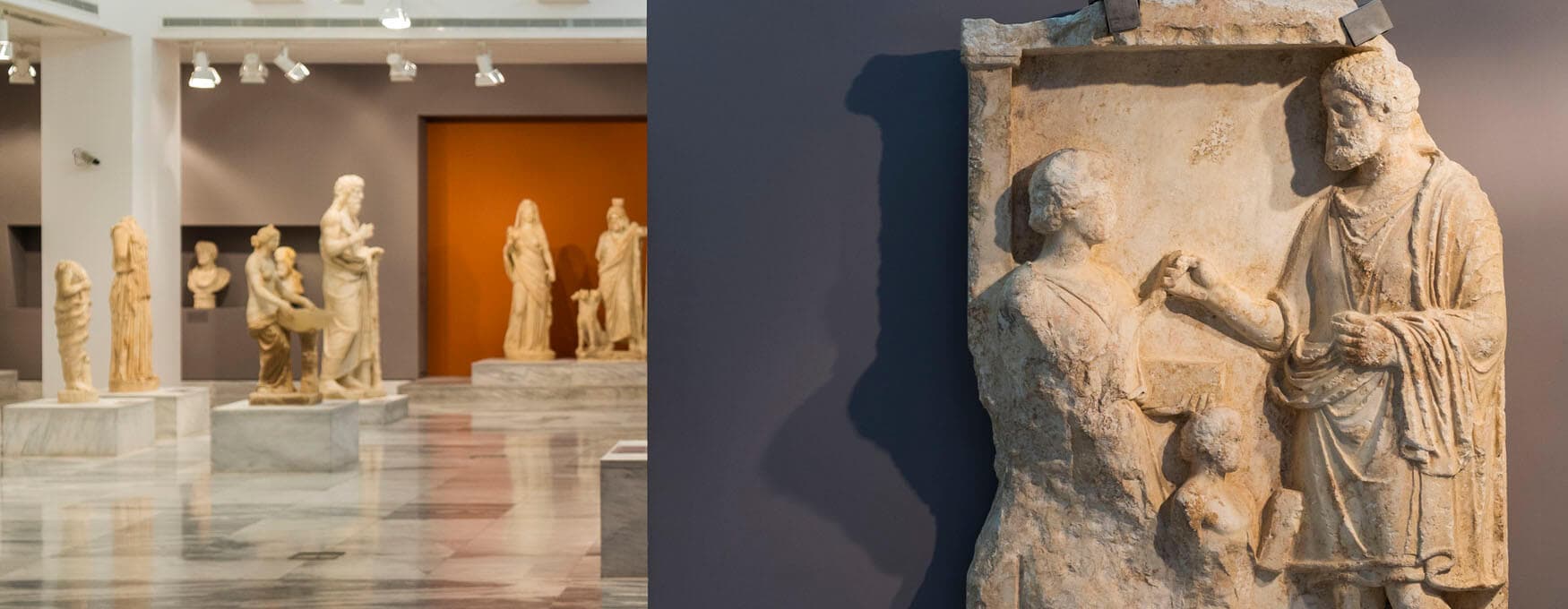
- Sculpture: The evolution of ancient Greek sculpture from the 7th century BC to the 5th century AD, showcased through unique works of art.
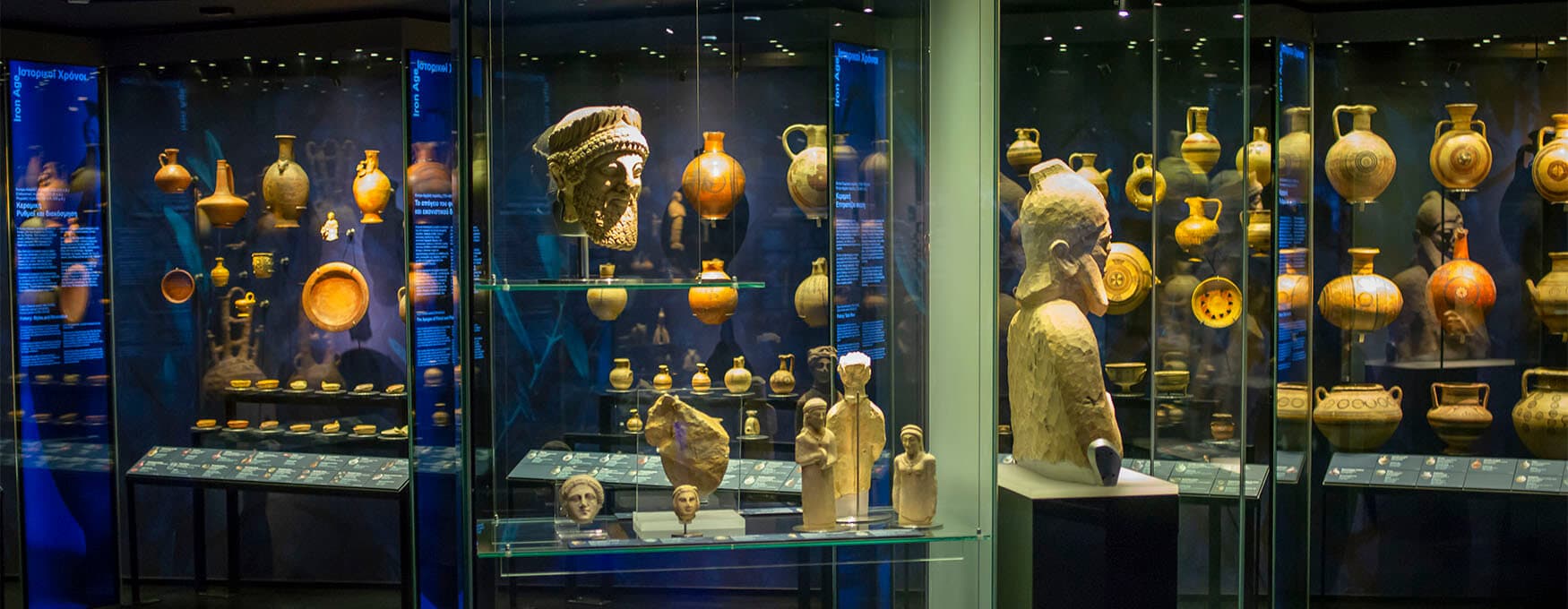
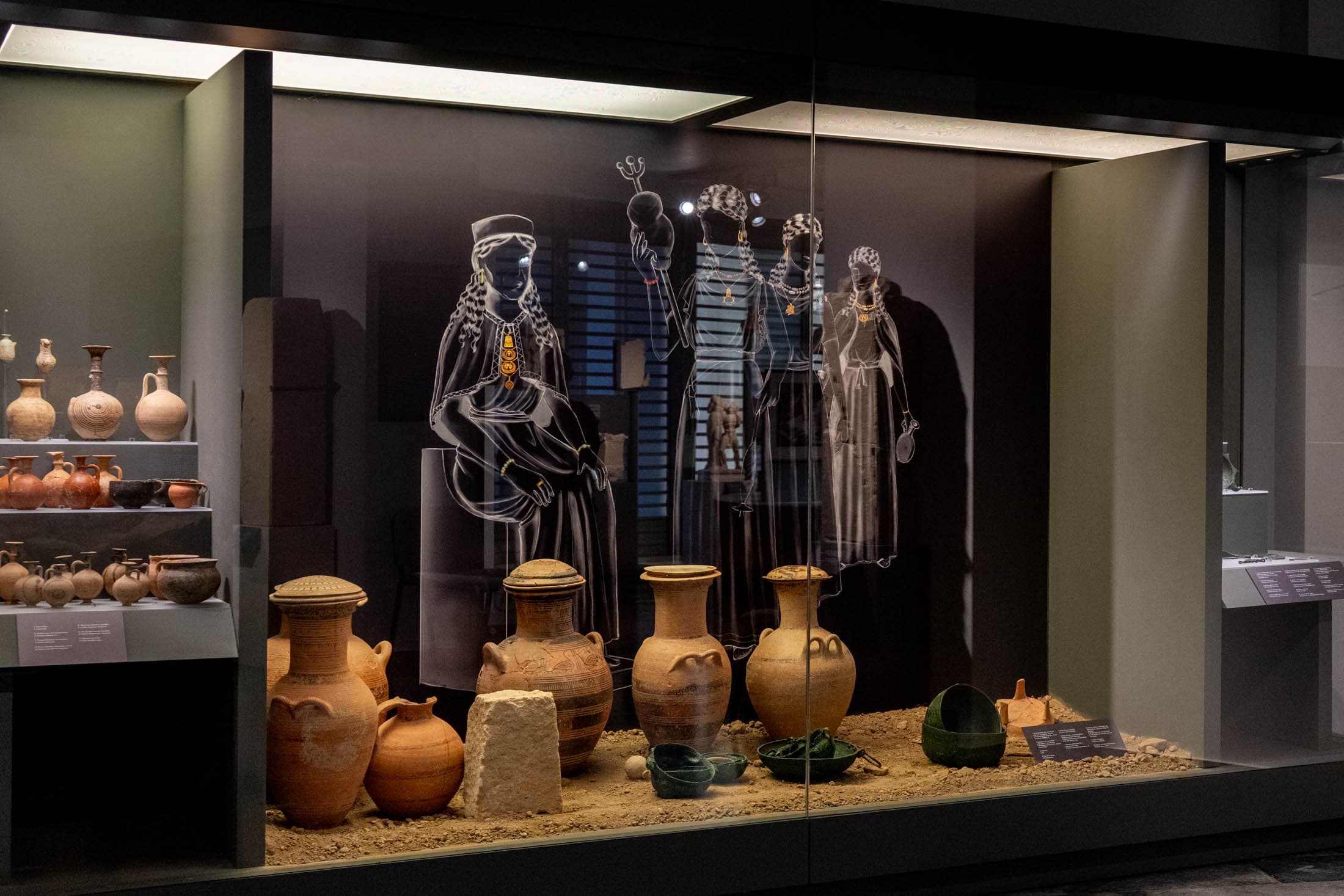
- Vases and Minor Arts: Representative ceramic works from the 11th century BC to the Roman era, together with the timeless Stathatos Collection.
- Metalwork: A vast collection of unique sculptures, figurines, and intricate works of art.
- Egyptian and Eastern Antiquities: Art from the pre-dynastic period (5000 BC) to the Roman conquest.
Must-see Masterpieces Exploring the National Archaeological Museum unveils unique treasures:
- The Poseidon of Artemision: One of the few surviving original bronze statues (2.09 metres tall). Archaeologists continue to debate whether it depicts Poseidon or Zeus. A similar imposing posture is also seen in the small bronze statuette of the thunderbolt-bearing Zeus from Dodona.
- The "Mask of Agamemnon": Schliemann's famous gold find from Mycenae. Although it proved to be older than the Homeric king (16th century BC), it remains an iconic funerary mask.
- The Jockey of Artemision: A bronze sculptural group from the 2nd century BC that uniquely captures the tension of the horse's muscles and the anxiety on the face of the young rider.
- The Antikythera Ephebe: A bronze statue (340 BC) from the famous shipwreck. Some believe it depicts Pan holding an apple, while others suggest it depicts Perseus with the head of Andromeda.
- The Marathon Boy: A masterful statue of a young man, possibly a work by Praxiteles, discovered in the bay of Marathon.
- The Stele of Hegeso: The most famous tombstone (5th century BC) from Kerameikos. It bears the inscription "Hegeso, daughter of Proxenos", and the woman's melancholic expression and the folds of the garment are striking. It is believed that the background was originally blue and the jewellery gold.
- The Lekythos of Myrrhine: A marble vase depicting Hermes guiding a young woman to Pluto, while her relatives watch.
- Demeter and Persephone: A relief from Eleusis (440 BC) depicting Demeter giving ears of wheat to the young king Triptolemus, stressing the difference in size between gods and mortals as a sign of respect.
- The Wall Paintings of Thera: Rare examples of monumental painting from Akrotiri. Notable works include "Spring" with its red lilies and swallows, "The Fisherman," and "Boxing Boys", where one child is wearing gloves and earrings.
Other notable exhibits include the head of Hygeia from Tegea and the votive relief of Asclepius with the six suppliants.
Visits and Access The verdant garden of the atrium features a café, offering relaxation beside ancient ruins and the scents of lavender and lemon trees. Access is easy via the Metro (Omonia or Victoria stations), bus or trolleybus. The museum does not have its own parking facility, but there are private parking areas on nearby streets (Bouboulinas Street, Zaimi Street, Alexandras Avenue).