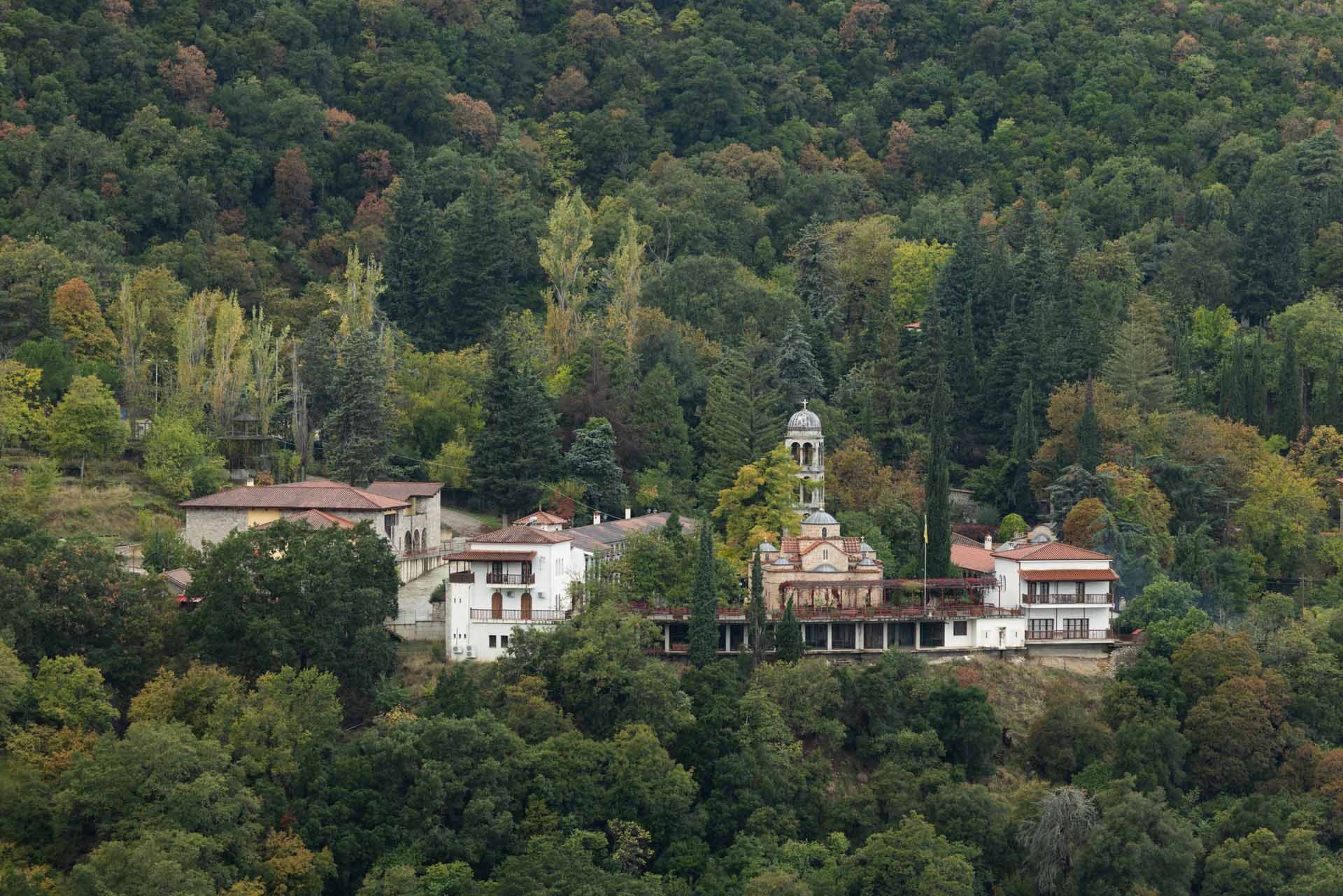
Monumentos sagrados de fe en el paisaje de Egina
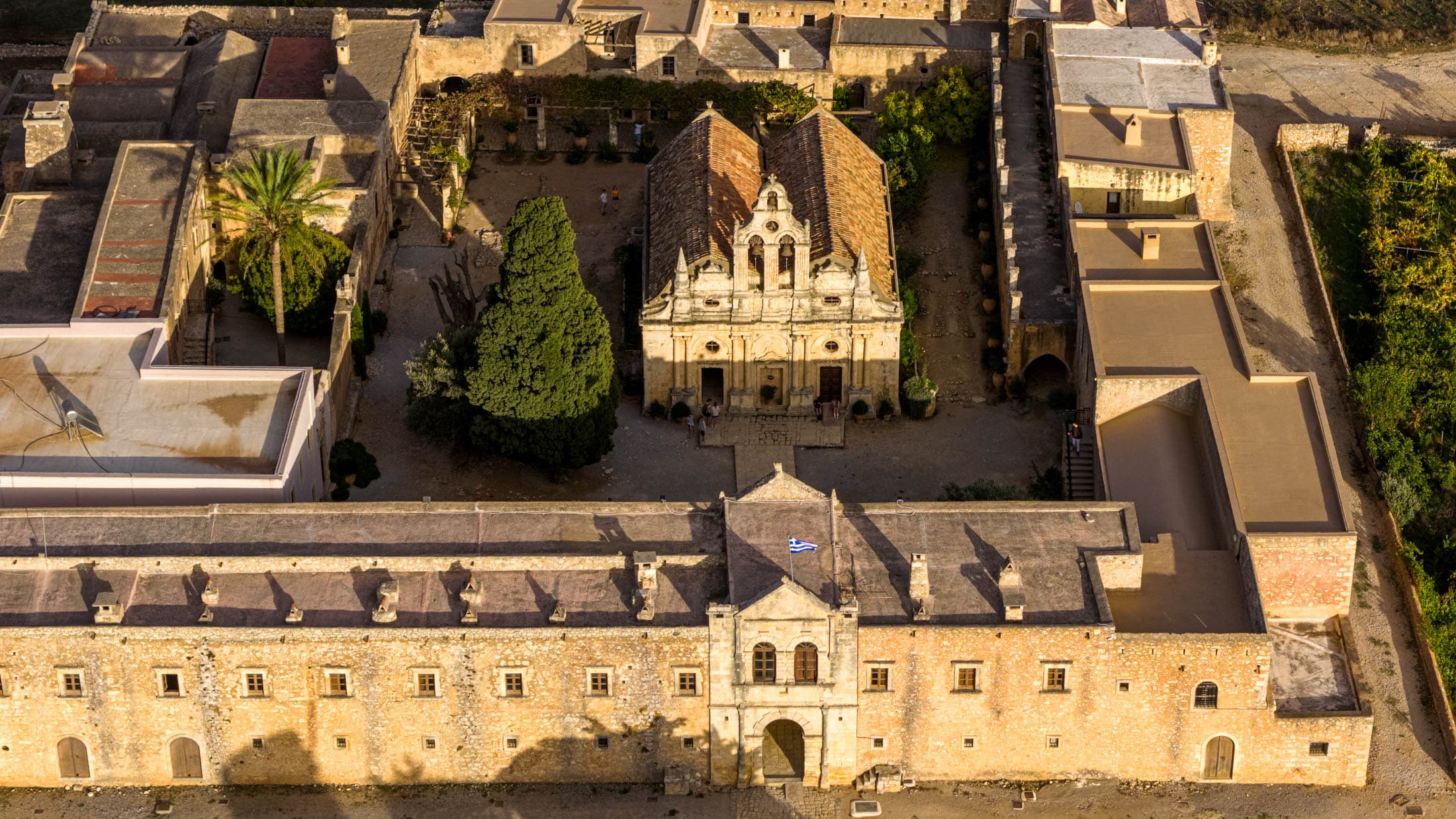
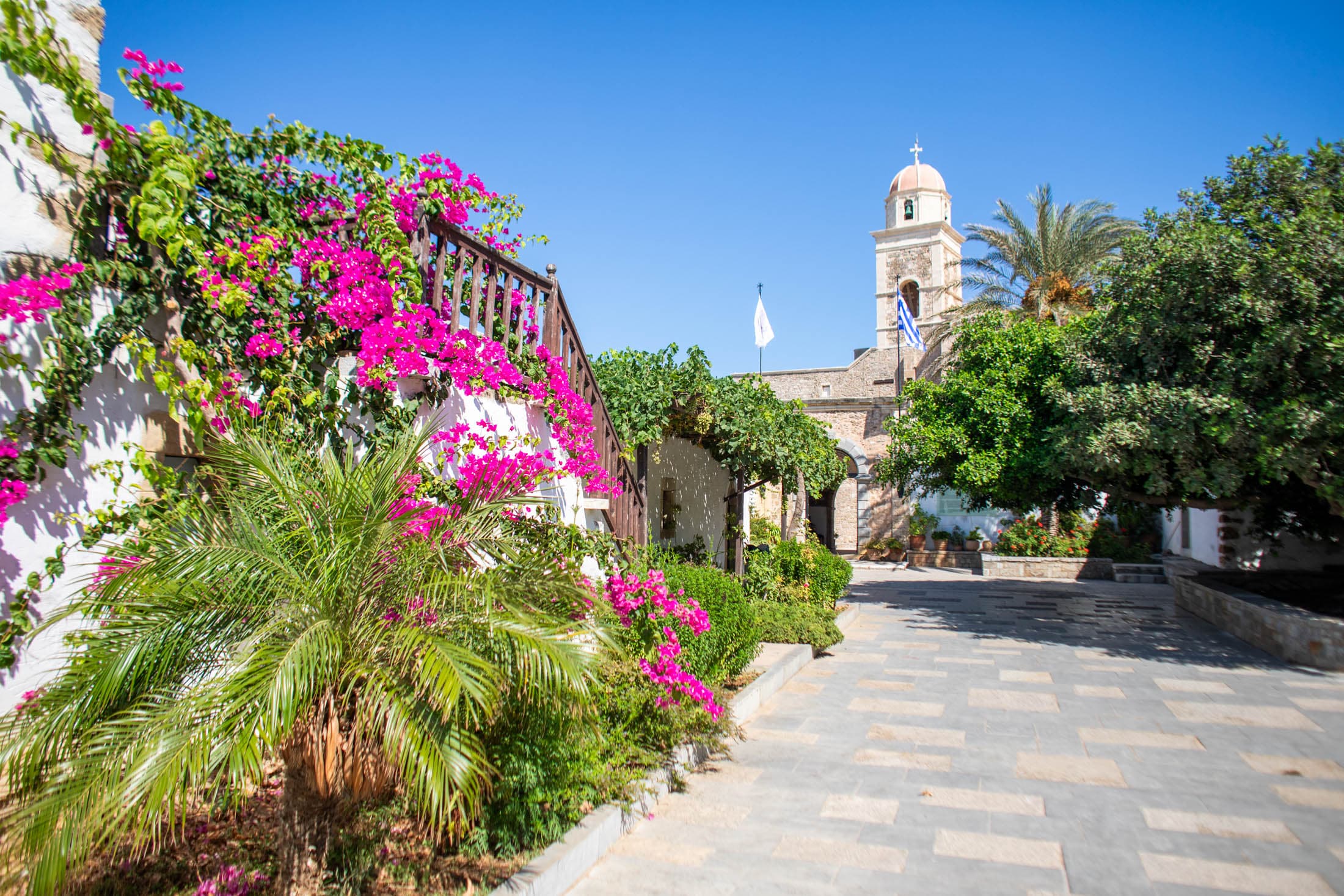
Dispersas por toda la isla, las iglesias de Egina combinan valor simbólico y belleza arquitectónica, en una isla que constituye un destino constante del turismo religioso.
A la entrada del puerto, la iglesia de piedra de Agios Nikolaos, que data del siglo XVII, recibe a los visitantes que llegan a la isla en barco. También destacan los dos altos campanarios de la Metrópolis, la primera catedral de la Grecia libre, fechada hacia 1800.
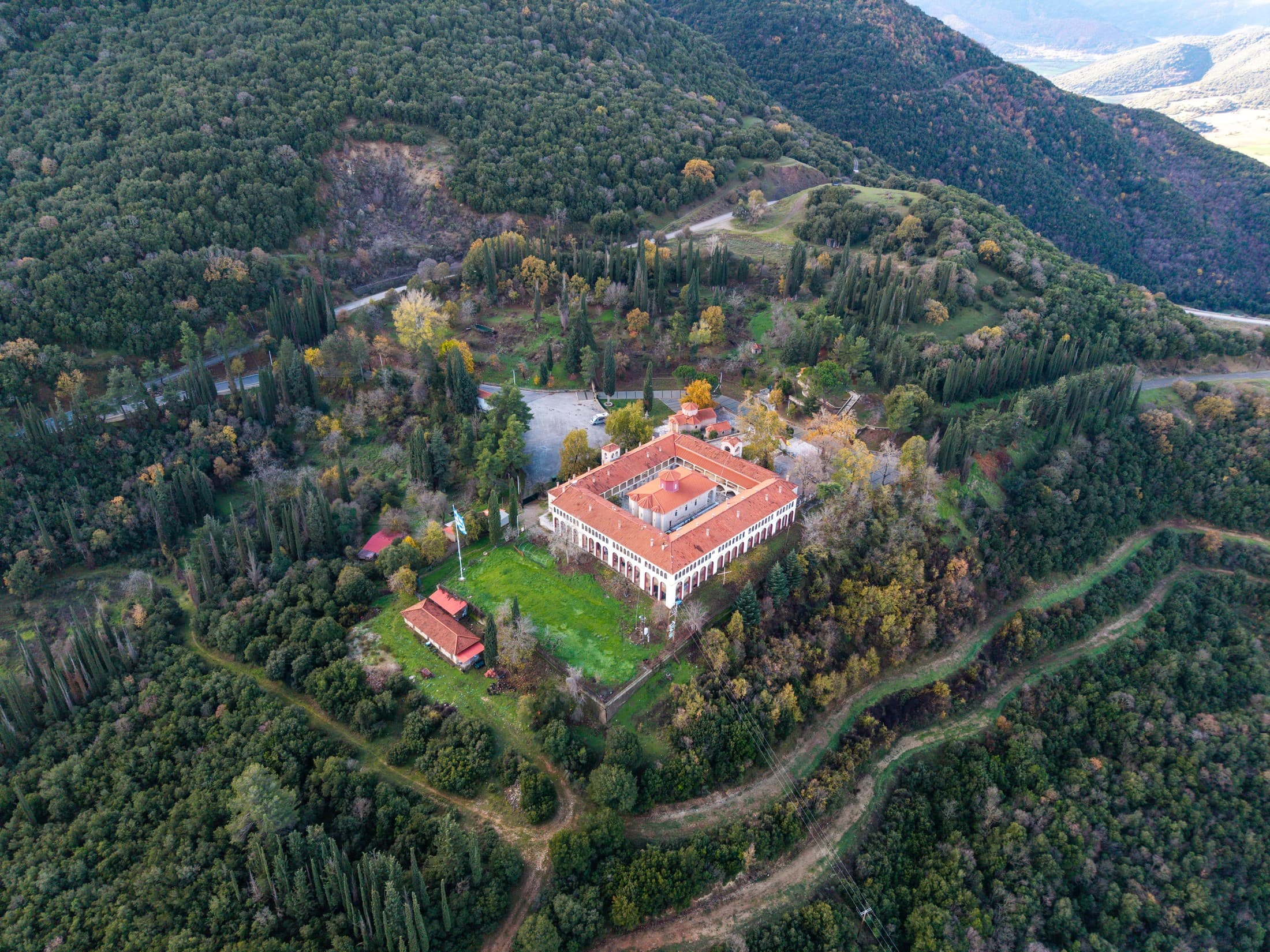
A unos quince minutos por carretera desde el puerto de Egina se encuentra uno de los principales lugares de interés de la isla, el Monasterio de la Santísima Trinidad – Agios Nektarios. Allí se custodia la reliquia de san Agios Nektarios (Nektarios de Pentápolis o Nektarios de Egina), considerada milagrosa y que atrae peregrinos durante todo el año. En el lugar donde se edificó el monasterio, entre 1904 y 1910, existía anteriormente un pequeño monasterio bizantino.
El Monasterio de Agia Anastasia, en Livadi, funciona desde 1955 y alberga en su interior iconos de estilo ruso.
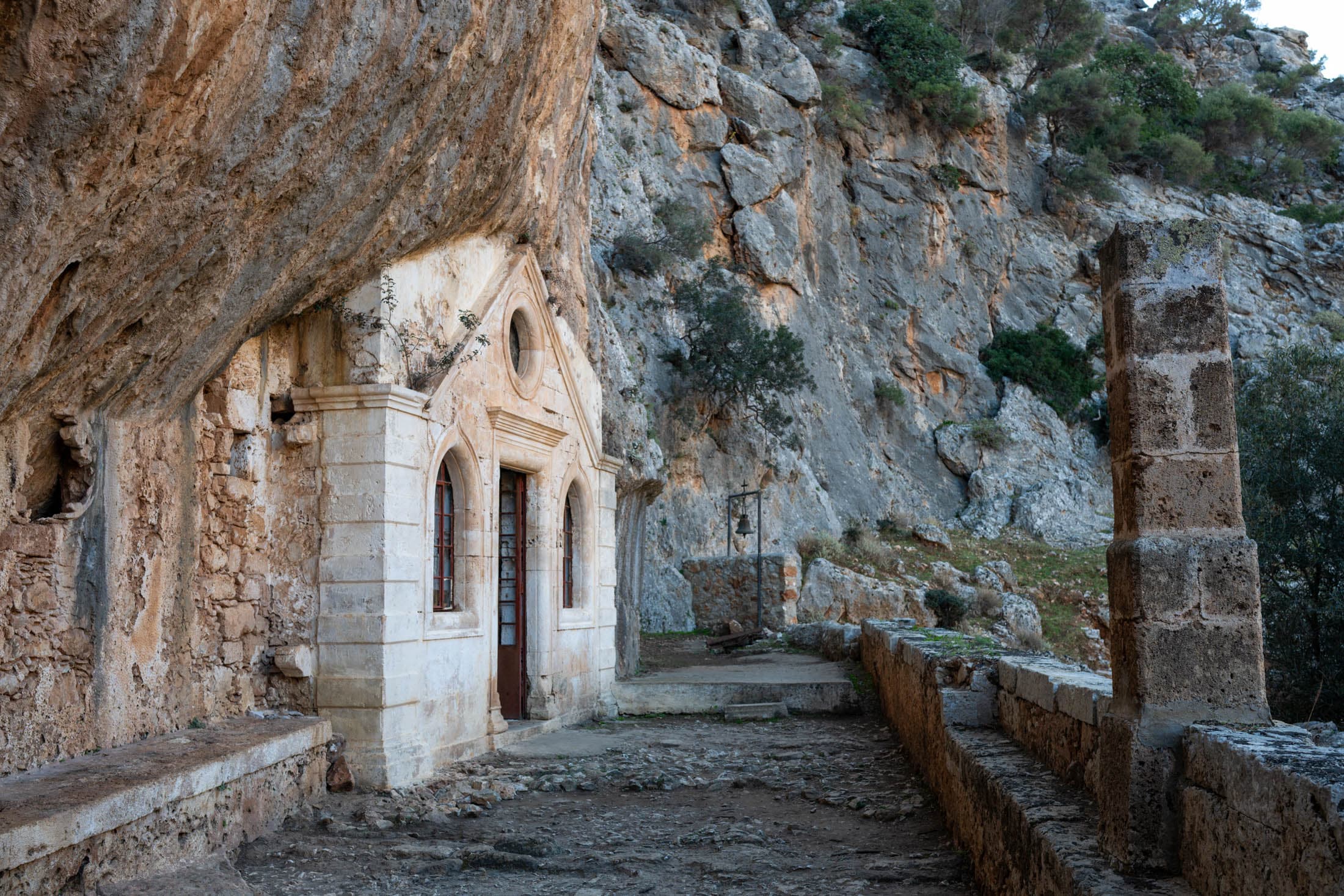
La iglesia de Faneromeni se encuentra en la nueva carretera hacia Agia Marina, data del siglo XIII y está construida en el interior de una catacumba.
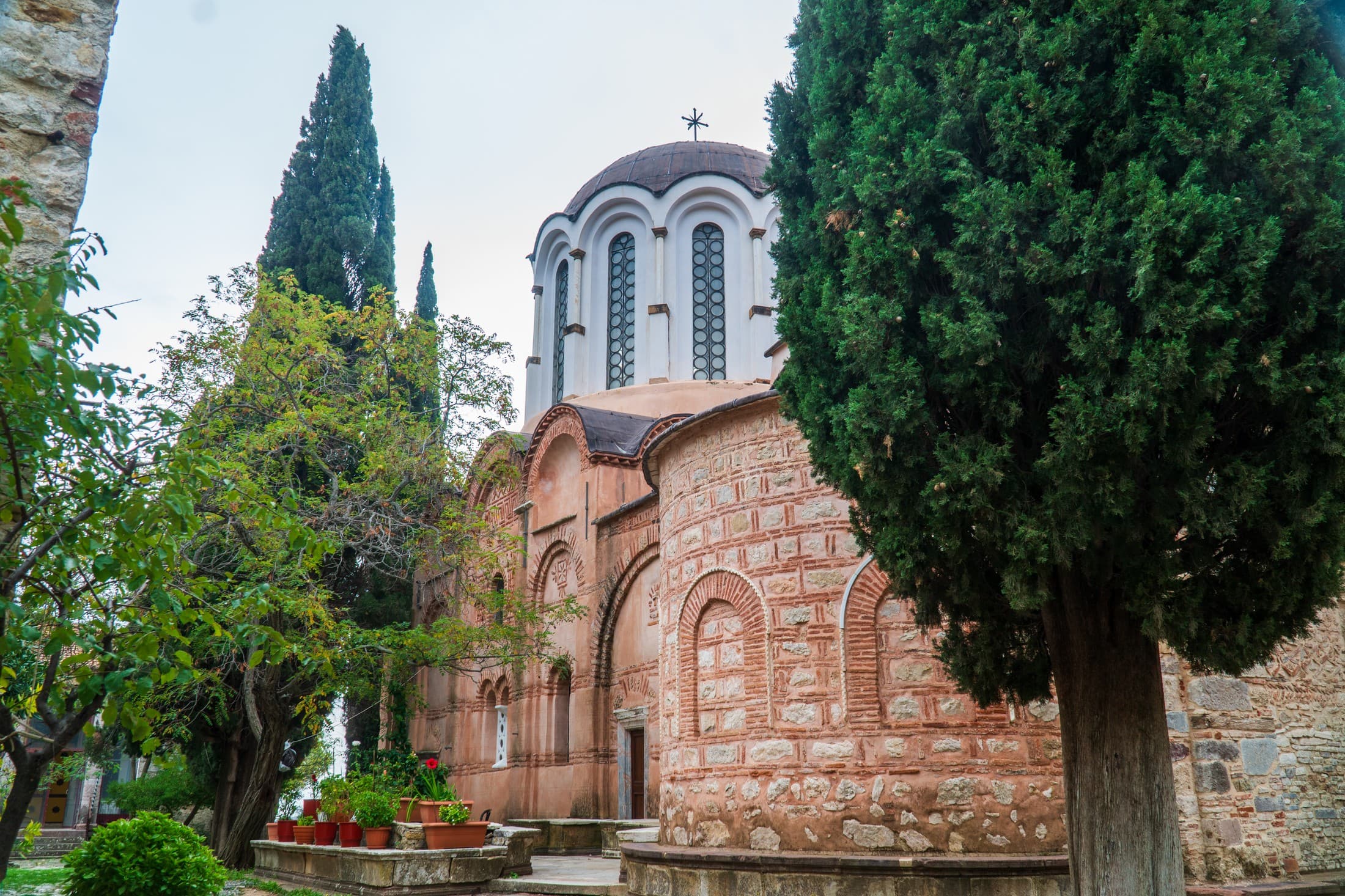
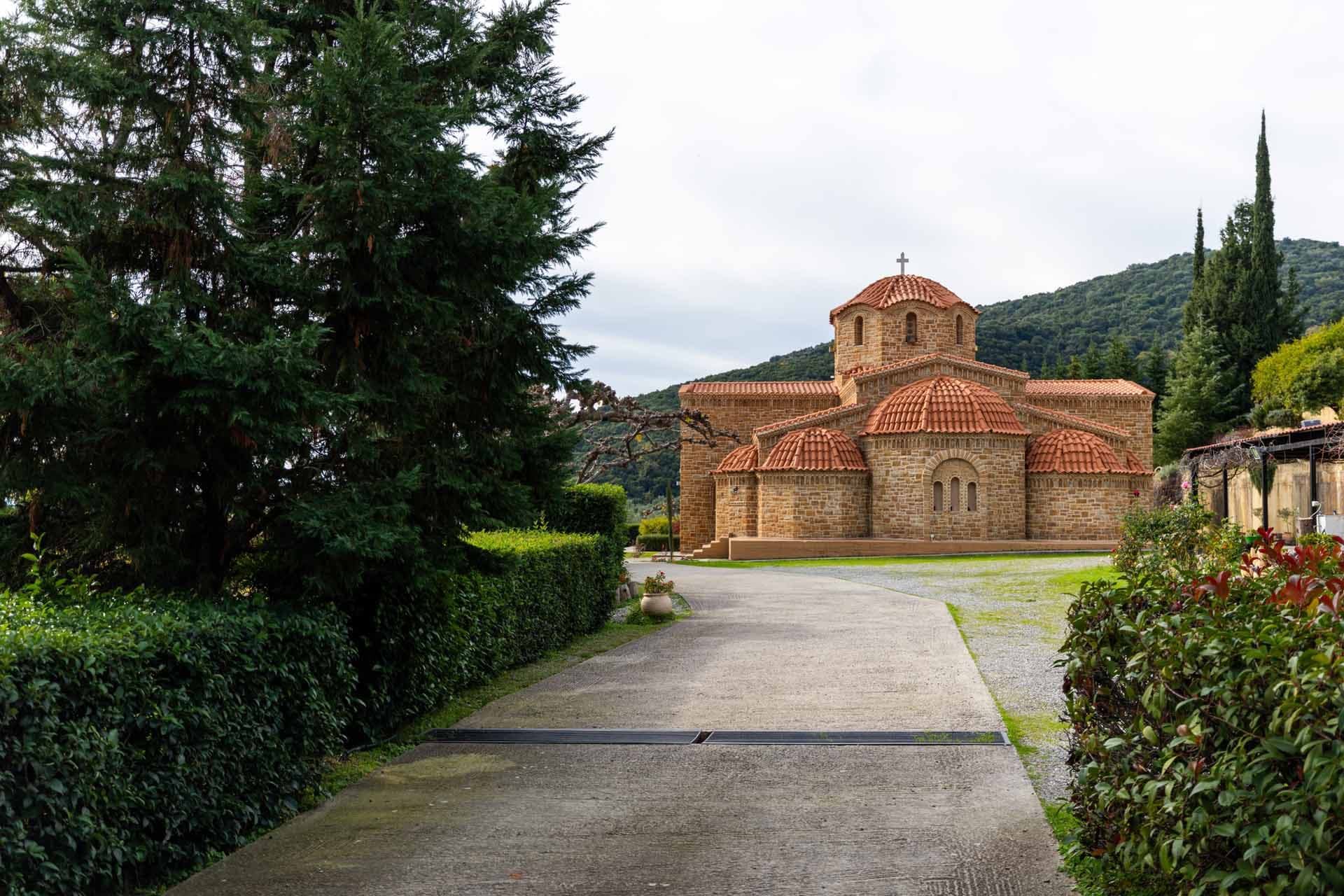
Entre las aldeas de Asomatoi y Kypseli, Omorfi Ekklesia, o Agioi Theodoroi, de finales del siglo XII, es el monumento bizantino mejor conservado de Egina. Alberga el icono de la Natividad de Cristo, en el que la Virgen aparece representada como Virgen Lactante.
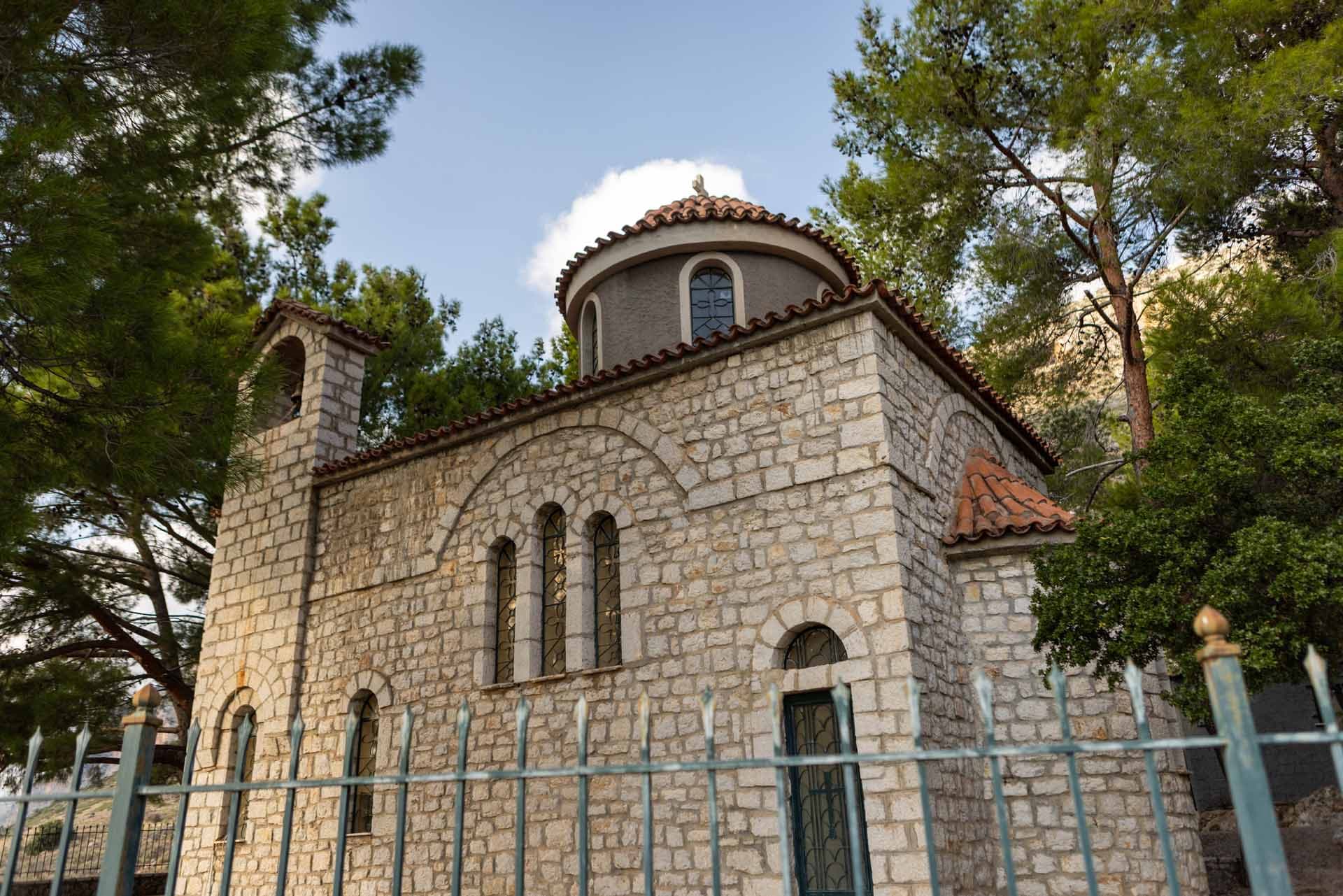
Decenas de otras iglesias, capillas y pequeños santuarios rurales destacan por su estilo, color y materiales, aportando un carácter singular al mapa de la isla e invitándole a descubrirlos.
A la entrada del puerto, la iglesia de piedra de Agios Nikolaos, que data del siglo XVII, recibe a los visitantes que llegan a la isla en barco. También destacan los dos altos campanarios de la Metrópolis, la primera catedral de la Grecia libre, fechada hacia 1800.
A unos quince minutos por carretera desde el puerto de Egina se encuentra uno de los principales lugares de interés de la isla, el Monasterio de la Santísima Trinidad – Agios Nektarios. Allí se custodia la reliquia de san Agios Nektarios (Nektarios de Pentápolis o Nektarios de Egina), considerada milagrosa y que atrae peregrinos durante todo el año. En el lugar donde se edificó el monasterio, entre 1904 y 1910, existía anteriormente un pequeño monasterio bizantino.
El Monasterio de Agia Anastasia, en Livadi, funciona desde 1955 y alberga en su interior iconos de estilo ruso.
La iglesia de Faneromeni se encuentra en la nueva carretera hacia Agia Marina, data del siglo XIII y está construida en el interior de una catacumba.
Entre las aldeas de Asomatoi y Kypseli, Omorfi Ekklesia, o Agioi Theodoroi, de finales del siglo XII, es el monumento bizantino mejor conservado de Egina. Alberga el icono de la Natividad de Cristo, en el que la Virgen aparece representada como Virgen Lactante.
Decenas de otras iglesias, capillas y pequeños santuarios rurales destacan por su estilo, color y materiales, aportando un carácter singular al mapa de la isla e invitándole a descubrirlos.